
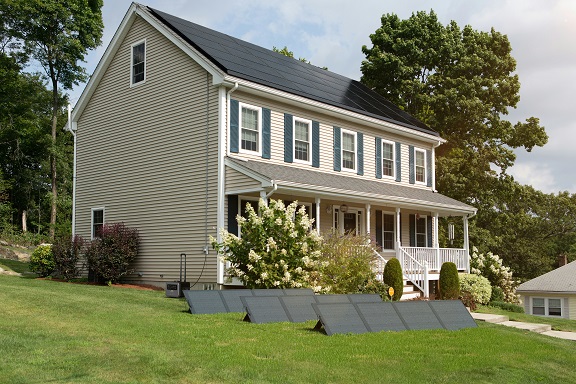
As awareness of climate change and environmental issues grows, homeowners are increasingly seeking ways to make their residences more energy efficient and sustainable. Eco-friendly home improvements represent an effective approach to achieving this objective by focusing on energy conservation, waste reduction, and sustainable materials. These enhancements not only contribute to environmental protection but also provide homeowners with significant financial savings in the long run.
The significance of eco-friendly home improvements is multifaceted. By implementing energy-efficient appliances, enhancing insulation, and utilizing sustainable building materials, homeowners can drastically reduce their energy consumption. For instance, upgrading to LED lighting and Energy Star-rated appliances can lead to lower electricity bills while minimizing carbon footprints. Moreover, improved insulation helps maintain comfortable indoor temperatures, which reduces the reliance on heating and cooling systems.
Aside from immediate financial benefits, eco-friendly renovations can positively influence a property’s market value. Many potential buyers nowadays are looking for homes that embody sustainability and reduced energy costs, making such eco-conscious upgrades a key selling point. Features like solar panels, water-efficient fixtures, and smart home technology are increasingly becoming attractive attributes that can distinguish a property in the real estate market.
In addition to financial and aesthetic advantages, engaging in eco-friendly home improvements fosters a greater sense of responsibility towards the planet. Homeowners contribute to a collective effort to minimize environmental impact, creating a healthier ecosystem for future generations. The move towards sustainable living is not only a trend but a necessary shift that addresses the pressing challenges of climate change.
Assessing Your Home’s Energy Efficiency
To effectively reduce energy consumption and enhance the sustainability of your living space, it is crucial to conduct a thorough assessment of your home’s energy efficiency. This initial evaluation enables homeowners to identify areas needing improvement and facilitates informed decisions regarding eco-friendly home upgrades.
A comprehensive energy audit is the best way to start this evaluation. An energy audit involves assessing how much energy your home uses and identifying opportunities for efficiency improvements. Homeowners can either hire professionals or carry out a DIY energy audit. For a DIY approach, simple tools such as a thermal camera, watt meters, and weather stripping can be utilized to check for air leaks and evaluate energy usage of appliances.
During an audit, focus on key areas such as insulation, windows, doors, and electrical systems. For instance, determining if your insulation meets the recommended R-values for your region can provide insights into potential energy savings. Inspect windows and doors for drafts, as this can significantly impact heating and cooling costs. Additionally, assessing your heating and cooling systems not only determines their efficiency but may also reveal the need for replacement or upgrades to more energy-efficient models.
Understanding your energy consumption patterns is equally important; keeping track of energy bills over several months can highlight trends and peak usage times. This data will help pinpoint specific habits that might lead to excessive energy use, such as leaving lights on or running appliances at peak hours.
In conclusion, conducting a detailed evaluation of your home’s energy efficiency is essential for implementing effective eco-friendly improvements. By utilizing the right tools and understanding your energy consumption, you can make informed decisions that promote sustainability and reduce energy costs over time.
Insulation Upgrades: A Comprehensive Guide
Upgrading the insulation in your home is a pivotal step towards achieving energy efficiency, as it significantly minimizes heat loss during colder months and reduces heat gain in warmer seasons. Proper insulation not only contributes to a more comfortable living environment but also plays a vital role in lowering energy bills by ensuring that heating and cooling systems operate more efficiently.
There are several insulation materials available, each with unique properties that cater to different needs. Cellulose insulation, made from recycled paper products, is an environmentally friendly option that provides excellent thermal performance. It is also treated with fire retardants, making it a safe choice for walls and attics. Additionally, cellulose can be blown into hard-to-reach areas, ensuring a comprehensive barrier against heat transfer.
Fiberglass insulation is another popular choice for homeowners looking to upgrade their insulation. Available in batts, rolls, and loose-fill forms, fiberglass is known for its durability and resistance to moisture. It does not settle over time, maintaining its insulation effectiveness throughout the years. When properly installed, fiberglass can help achieve optimal R-values, which indicate the material’s thermal resistance.
Foam insulation, whether in the form of spray foam or rigid foam panels, offers superior insulation properties by sealing gaps and cracks that other materials may miss. Spray foam expands upon application, filling voids and providing an airtight barrier against heat transfer. Rigid foam panels, on the other hand, are ideal for insulating basement walls, crawl spaces, and exterior sheathing, enhancing the overall energy performance of your home.
In conclusion, selecting the right insulation material is essential for maximizing energy savings in your home. Each type of insulation has its advantages, and when chosen wisely, it can substantially improve your home’s energy efficiency and comfort.
Energy-Efficient Windows and Doors
Incorporating energy-efficient windows and doors into a home renovation project can significantly impact energy consumption, providing both financial savings and increased comfort. One of the foremost benefits of these improvements is their ability to minimize heat loss during colder months and reduce heat gain in the summer, contributing to a more stable indoor climate.
Various types of energy-efficient windows are available, each designed to enhance thermal performance. Double-glazed windows, for instance, feature two panes of glass separated by a gas-filled space, which serves as an insulating barrier. Additionally, triple-glazed windows offer even greater thermal protection, albeit at a higher cost. These window types not only help maintain a comfortable temperature but can also lower heating and cooling expenses significantly.
When choosing windows, it is crucial to consider glazing options. Low-emissivity (low-E) coatings reduce the amount of infrared and ultraviolet light that passes through the glass without compromising natural light. This technology helps to prevent interior furnishings from fading while also reflecting heat back into the home during colder months.
Proper sealing and weatherstripping around windows and doors is essential in ensuring optimal energy efficiency. Airtight seals prevent drafts and stop conditioned air from escaping, which can dramatically reduce utility bills. Installing weatherstripping around door frames and window sashes can further enhance the performance of energy-efficient windows and doors.
Overall, the combination of energy-efficient windows and doors, along with proper installation techniques, is key to creating a sustainable home environment. These improvements not only benefit the homeowner but also contribute positively to the environment by reducing energy consumption and lowering greenhouse gas emissions.
Investing in Solar Energy Solutions
Transitioning to solar energy is an increasingly popular choice among homeowners aiming to reduce their carbon footprint while saving on energy costs. Solar energy solutions, such as photovoltaic (PV) panels and solar water heaters, offer multiple advantages that make them attractive investments.
Photovoltaic panels convert sunlight directly into electricity, allowing homeowners to harness renewable energy effectively. These systems not only serve to power homes but also can lead to substantial reductions in monthly energy bills. By installing solar panels, homeowners can often offset a significant portion of their electricity usage, and in many cases, they can completely eliminate their reliance on grid energy.
Solar water heaters, on the other hand, use sunlight to heat water for domestic use. This technology can provide cost-effective heating solutions, significantly decreasing the demand for traditional energy sources. Both PV panels and solar water heating systems contribute to an eco-friendly home while also ensuring lower energy expenditures over time.
Moreover, various financial incentives may be available to homeowners who choose to invest in solar energy. Federal and state tax credits, rebates through local utilities, and even specific financing options can facilitate this transition, making solar energy solutions more accessible and financially feasible. These incentives can dramatically reduce the upfront costs associated with purchasing and installing solar technology, increasing the overall return on investment.
Overall, by investing in solar energy, homeowners not only embrace sustainable living but can also enjoy the financial benefits that arise from a reduced energy bill and available incentives. The shift toward renewable energy sources like solar is pivotal in creating a more sustainable future.
Smart Home Technology for Energy Savings
In today’s world, smart home technology has become an essential component for enhancing energy efficiency within residential spaces. By integrating smart devices into your home, you can significantly reduce energy consumption while also improving convenience and comfort. One of the primary smart technologies worth considering is the smart thermostat. These devices allow homeowners to program temperature settings according to their daily schedules, ensuring that heating and cooling systems are only active when necessary. Features such as learning algorithms also enable these thermostats to adapt to your habits, optimizing energy use.
Another area where smart home technology excels is lighting control. Smart lighting systems offer users the ability to manage their home’s illumination remotely through mobile apps or voice activation. With options for dimmable LED bulbs and motion sensors, homeowners can ensure lights are turned off when not needed, further contributing to energy savings. Additionally, scheduling functions allow lights to be set to turn on or off at specific times, reducing energy waste.
Energy monitoring systems are another smart solution that provides valuable insights into your home’s energy consumption patterns. By tracking usage in real-time, these systems can help identify areas where energy can be conserved. Many energy monitors can connect to various appliances, giving users the ability to pinpoint which devices contribute most to energy costs. Such awareness can guide homeowners in making informed decisions about upgrading to more energy-efficient appliances or altering usage behaviors.
When selecting smart home technology, it is vital to consider compatibility with existing systems, ease of use, and the initial investment needed. Researching consumer reviews and seeking expert recommendations can help ensure you choose the best solutions for your specific energy-saving needs.
Eco-Friendly Landscaping Practices
Landscaping plays a pivotal role in enhancing the energy efficiency of homes. One of the most effective eco-friendly practices involves strategically planting trees to provide shade. Deciduous trees are particularly beneficial, as they can block sunlight during the warmer months, helping to cool the home, while allowing sunlight to penetrate during the winter after shedding their leaves. This natural shading technique can significantly reduce the reliance on air conditioning and heating, thus decreasing energy consumption.
In addition to tree planting, the incorporation of drought-resistant plants is a sustainable landscaping practice that contributes to energy conservation. These plants require less water, which not only helps to reduce overall water usage but also lessens the energy needed for irrigation systems. Xeriscaping, a landscaping technique that emphasizes the use of native, drought-tolerant plants, encourages not only energy savings but also fosters biodiversity by providing habitat for local wildlife. It is essential to choose plants that are well-suited to the local climate, as they typically require less maintenance and resources.
Maintaining a sustainable garden is also crucial in promoting eco-friendly landscaping. Practices such as composting, mulching, and using organic fertilizers can enhance soil quality and reduce the need for chemical inputs, which can be harmful to the environment. Creating a garden with native plants supports local ecosystems and minimizes water usage. Furthermore, incorporating features such as rain gardens can help manage stormwater effectively, reducing runoff and the associated energy costs of managing water drainage systems.
Overall, integrating these eco-friendly landscaping practices not only contributes to energy savings but also enhances the aesthetic appeal of homes, promoting an environmentally responsible lifestyle.
Choosing Sustainable Materials for Renovations
When embarking on home renovations, selecting sustainable materials is crucial for minimizing environmental impact and promoting energy efficiency. Opting for renewable and recycled materials, as well as non-toxic options, can significantly enhance the sustainability of your project and improve indoor air quality.
One popular sustainable option is bamboo flooring. Bamboo is a grass that grows rapidly and can be harvested without destroying the plant, making it an eco-friendly alternative to traditional hardwood flooring. It is durable, easy to maintain, and available in various styles, incorporating a modern aesthetic into any home design. Moreover, bamboo flooring has a low carbon footprint, which helps reduce greenhouse gas emissions.
Recycled materials, such as reclaimed wood, glass, and metal, can also be an excellent choice for home renovations. Reclaimed wood provides a unique character and charm to spaces, while minimizing waste by repurposing materials that would otherwise end up in landfills. Using recycled glass for countertops or tiles not only adds an appealing visual element but also reduces the demand for new raw materials, thus conserving natural resources.
Furthermore, low-VOC (volatile organic compounds) paints and finishes are essential for maintaining a healthy indoor environment. Traditional paints often release harmful chemicals, which can contribute to poor indoor air quality. Low-VOC paints, on the other hand, are formulated to emit fewer toxins into the air, ensuring that the living space is safer for residents.
Incorporating sustainable materials in home renovations not only benefits the environment but also enhances the overall comfort and health of the home. By prioritizing eco-friendly options like bamboo flooring, recycled materials, and low-VOC paints, homeowners can contribute to energy savings and promote a more sustainable lifestyle.
Conclusion: The Long-Term Benefits of Energy-Saving Improvements
Implementing eco-friendly home improvement ideas can yield significant long-term advantages, both environmentally and economically. Throughout this blog post, we have highlighted various strategies such as installing energy-efficient appliances, enhancing insulation, and utilizing renewable energy sources like solar power. Each of these improvements not only reduces the carbon footprint but also contributes to substantial savings on utility bills.
By making these energy-saving upgrades, homeowners are not only taking an essential step towards sustainability but also increasing the value of their properties. Sustainable homes often attract environmentally conscious buyers, making them a wise investment in an era that increasingly prioritizes eco-friendliness.
Moreover, the collective effort toward energy efficiency can lead to a remarkable ripple effect in our communities. As individuals adopt these eco-friendly measures, the demand for renewable resources and sustainable practices can encourage industries to innovate and implement greener technologies. By fostering a culture of conservation, we work together to counter the challenges posed by climate change.
As this blog post has demonstrated, the transition to a more energy-efficient home involves actionable steps that can be taken incrementally. Whether you start with small measures like using LED lighting or undertake more significant renovations like installing high-efficiency heating and cooling systems, every improvement counts.
In summary, the long-term benefits of energy-saving improvements extend far beyond immediate savings. By investing in eco-friendly home enhancements today, you are ensuring a healthier planet for future generations, while also securing financial well-being for yourself. Taking these steps is a commitment to sustainability, and the payoff is beneficial for both your wallet and the environment.