
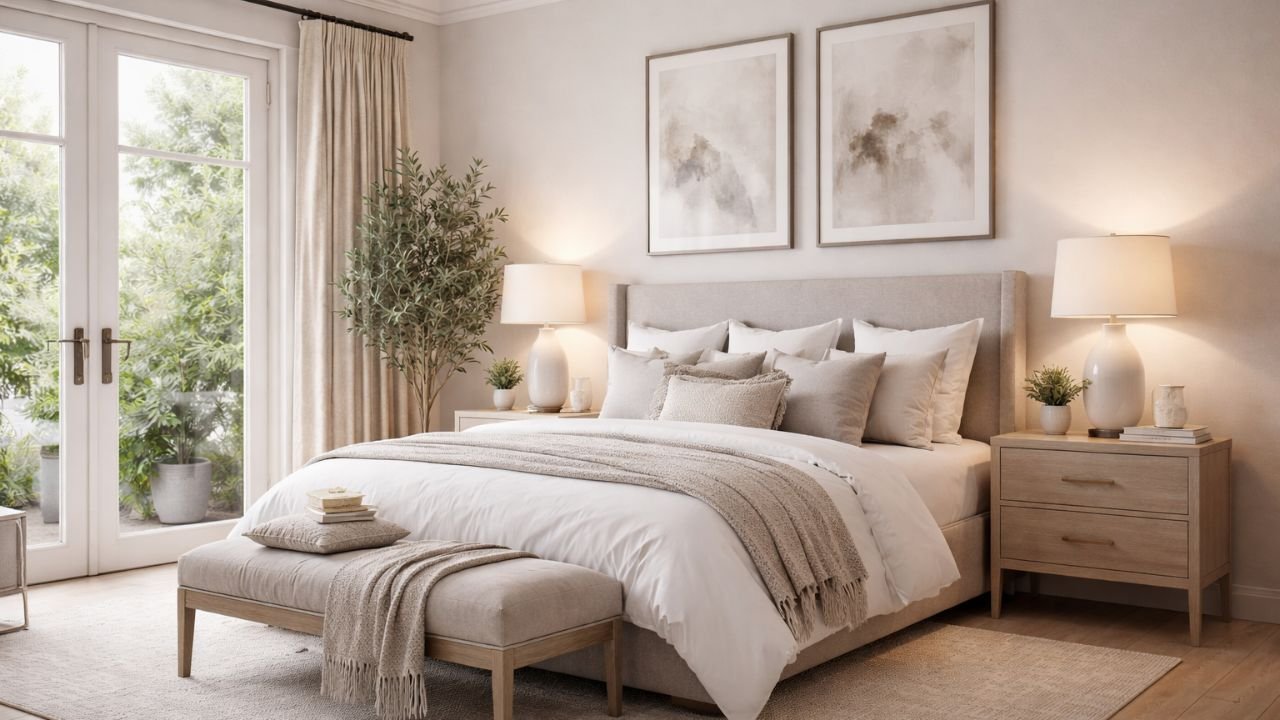
Walking into a room that feels cluttered or visually loud after a long day creates a physiological response that prevents deep relaxation. Many people struggle with a sense of restlessness that stems directly from how their personal environment is arranged and decorated. This tension often goes unnoticed because we become accustomed to our surroundings even when they fail to serve our needs.
The layout of your sleeping area dictates how you move, breathe, and eventually drift into unconsciousness. If the placement of furniture obstructs natural pathways or the colors provoke high energy, the brain remains in an alert state. Achieving a true sense of calm requires looking at the room as a functional machine for recovery rather than just a place to store a mattress.
Physical comfort is only one half of the equation when considering the design in bedroom environments. The other half involves psychological triggers that signal the nervous system to downshift from active engagement to passive restoration. By addressing these hidden factors, you can turn a chaotic room into a curated space that prioritizes your health and mental clarity.
Spatial Logic and Movement Within the Sleeping Area
A room functions best when the human body can move through it without hesitation or physical obstruction. When a bed is shoved into a corner or oversized dressers cramp the walkways, the brain perceives a lack of escape or freedom. This subtle claustrophobia can increase cortisol levels before you even pull back the sheets for the night.
Proper clearance around the furniture is a hallmark of professional architectural planning in residential spaces. Ideally, there should be enough room to walk comfortably on both sides of the bed without turning sideways or bumping into edges. This open flow allows for better air circulation and makes the daily act of making the bed or getting dressed feel less like a chore.
The orientation of the bed itself should ideally provide a clear view of the door without being directly in line with it. This concept, often found in traditional spatial theories, aligns with our primal need for security and visual awareness of our surroundings. Placing the headboard against a solid wall provides a sense of grounding that helps the subconscious feel protected during vulnerable hours.
Scale and Proportion in Furniture Selection
Choosing pieces that match the dimensions of the room is a common challenge for those looking to improve their living quarters. A massive bed in a small room makes the walls feel like they are closing in, while tiny furniture in a large hall creates a sense of emptiness. Balance is found by selecting items that leave approximately one third of the floor space open for movement.
Large windows should not be blocked by high furniture that prevents natural light from reaching the center of the floor. Keeping the height of most items below the level of the windowsill can help a small room feel much more expansive than its actual square footage. This vertical awareness changes the way the eye tracks across the room, promoting a sense of order.
Weighty materials like solid oak or heavy metal should be balanced with lighter elements like glass or thin-legged nightstands. This interplay of visual weight prevents the room from feeling bottom heavy or overly industrial. Thoughtful selection ensures that every object has a purpose and a place within the broader context of the room architecture.
Chromatic Choices and Their Influence on Circadian Rhythms
Color is more than a decorative choice because it functions as a visual frequency that our eyes process constantly. High-saturation shades like bright red or neon yellow can keep the mind stimulated, which is the opposite of what is needed during the evening. Muted tones and earthy pigments provide a stable background that allows the eyes to rest and the mind to wander.
Cooler wavelengths, such as soft blues and greens, are often associated with lower heart rates and a sense of tranquility. These colors mimic the natural transitions seen in the sky during dusk, helping the body prepare for the biological shift toward sleep. Avoiding harsh, high-contrast patterns can also reduce visual noise that keeps the brain busy trying to decode shapes.
Texture should be considered alongside color to add depth without adding clutter. A monochromatic room can feel cold or sterile if the surfaces are all smooth and reflective. Incorporating matte finishes and organic textures creates a tactile environment that feels safe and welcoming to the touch.
Neutral Palettes versus High Contrast Environments
Many designers suggest using a base of neutral colors like taupe, charcoal, or soft cream to create a timeless foundation. These shades are less likely to become tiresome over time and provide a clean slate for seasonal changes in bedding or art. Working within a narrow tonal range reduces the amount of visual information the brain must process before bed.
High contrast designs, such as stark black and white, can be striking but often feel too energetic for a room meant for recovery. If you prefer darker aesthetics, consider using deep forest green or navy blue instead of pure black. these shades offer the same drama but with a softer edge that feels more sophisticated and less aggressive.
The ceiling is an often neglected surface that can drastically change the feeling of the design in bedroom settings. Painting the ceiling a slightly lighter shade than the walls can lift the room, making it feel airy. Conversely, a darker ceiling can create a cozy, cocoon-like effect that feels particularly comforting in large, drafty spaces.
Lighting Architecture and Visual Comfort
Artificial lighting is perhaps the most significant factor in how a room feels after the sun goes down. Harsh overhead lights create flat, unflattering shadows and can interfere with the production of melatonin. Layering different types of light allows you to customize the intensity based on your current activity and the time of day.
Task lighting should be focused where it is needed most, such as on a nightstand for reading or inside a closet for visibility. These lights should have dedicated switches so they do not wash out the entire room when you only need a small amount of illumination. Using low-wattage bulbs or dimmable fixtures provides much more control over the atmosphere.
Ambient lighting serves to fill the room with a soft glow that eliminates dark corners without being blinding. Wall-mounted sconces or floor lamps with fabric shades can diffuse light evenly across the space. This indirect approach to illumination is much easier on the eyes and helps create a transition from the bright outside world to a private retreat.
Layering Intensity and Color Temperature
The temperature of light is measured in Kelvins, and this number determines whether a bulb looks blue or amber. For a sleeping area, bulbs between 2000K and 2700K provide a warm, candle-like glow that is ideal for winding down. Avoiding “daylight” bulbs in the evening is a simple way to protect your natural sleep cycle from disruption.
Smart lighting systems can be programmed to slowly dim over an hour, mimicking a natural sunset within your four walls. This gradual change in intensity signals the brain that the day is ending, making it easier to fall asleep without a long period of tossing and turning. Technology can be a valuable tool when it is used to support biological needs rather than distract from them.
Window treatments play a dual role in managing both light and privacy throughout the 24-hour cycle. Blackout curtains are useful for those who live in urban areas with high light pollution or for people who work night shifts. Sheer liners can be used during the day to let in filtered sunlight while still maintaining a barrier from the outside world.
Textile Selection and Sensory Integration
The things you touch are just as important as the things you see when it comes to feeling at ease. Bedding is the most intimate part of any room, and the quality of the fabric directly impacts skin temperature and comfort. Natural fibers like cotton, linen, and silk are breathable and help regulate heat throughout the night.
Synthetic materials often trap heat and moisture, leading to a restless experience and physical discomfort. Investing in high-quality weave structures, such as percale or sateen, can change how the bed feels against your body. The weight of a duvet or a throw blanket also provides a sense of security that many people find essential for relaxation.
Rugs serve both a visual and a functional purpose by grounding the furniture and providing a soft surface for your feet. Stepping onto a cold, hard floor in the morning can be a jarring start to the day. A plush rug made of wool or jute adds an extra layer of insulation and helps dampen the sound of footsteps within the room.
Natural Fibers and Temperature Regulation
Body temperature fluctuates during the sleep cycle, and your environment must be able to adapt to these changes. Linen is particularly effective for those who sleep hot, as its unique fiber structure allows for maximum airflow and moisture wicking. Cotton is a versatile classic that offers a familiar, crisp feel that works well in most climates.
Heavier fabrics like velvet or wool can be introduced during colder months to add a sense of warmth and luxury. These materials have a high visual density that makes a room feel more substantial and sheltered. Swapping out textiles with the seasons is an easy way to refresh the space without performing a full renovation.
Consistency in the tactile experience prevents the senses from being overwhelmed by too many different textures. Mixing a few key materials, like a linen duvet with a wool throw and a cotton rug, creates a balanced sensory profile. Too much variation can make the room feel disjointed, while too little can make it feel flat and uninspired.
Acoustic Strategy for Undisturbed Rest
Sound is a frequent intruder that can ruin the effectiveness of even the most beautiful room. While you cannot always control the noise from the street or the neighbors, you can change how those sounds interact with your space. Soft surfaces act as natural sound absorbers, preventing echoes and dulling the sharpness of external noises.
Heavy drapes are one of the most effective ways to block sound coming through glass windows. The thicker the fabric and the more folds it has, the better it will be at trapping sound waves before they enter the room. This added layer of density also helps with thermal insulation, keeping the room at a more consistent temperature.
Wall coverings or even large-scale art pieces can help reduce the bounce of sound off hard drywall surfaces. Tapestries or fabric-wrapped acoustic panels can be integrated into the wall decor to serve a functional purpose without looking clinical. Even a bookshelf filled with volumes acts as a natural sound diffuser, breaking up audio waves and creating a quieter environment.
Minimizing External Sound Through Material Density
If you live in a particularly noisy environment, consider the placement of your furniture relative to common walls. Putting a large wardrobe or a row of closets against a wall shared with a hallway or a living room can create a sound buffer. This physical barrier adds mass that prevents vibrations from traveling into your sleeping zone.
Flooring choices also contribute to the acoustic profile of the room. Wall-to-wall carpeting is the quietest option, but if you prefer hardwood, using a thick rug pad is a necessity. The pad adds a layer of air and density that prevents the sound of walking or moving furniture from echoing throughout the house.
White noise machines or air purifiers can provide a consistent background hum that masks sudden, jarring sounds. This steady audio frequency helps the brain ignore minor disruptions like a car door slamming outside or a floorboard creaking. Creating a controlled acoustic environment is a vital step in protecting the integrity of your rest.
Storage Systems and Cognitive Load
A room filled with piles of laundry or stacks of papers creates a mental to-do list that is difficult to ignore. Visual clutter is a form of cognitive load that keeps the brain in an organized, task-oriented mode. Effective storage solutions allow you to hide the distractions of daily life so you can focus on resting.
Built-in cabinetry that reaches the ceiling provides the most storage without taking up excessive floor space. These units can be painted the same color as the walls to help them blend into the architecture of the room. When storage is seamless, the room feels larger and more orderly, which directly contributes to a sense of peace.
Under-bed storage is a practical way to use space that often goes to waste, but it should be kept organized in bins. Loose items under the bed can collect dust and create a sense of hidden mess that still weighs on the mind. Keeping the area under the mattress clear or strictly organized helps maintain the energetic flow of the room.
Hidden Cabinetry and Visual Tranquility
Using furniture with closed doors rather than open shelving is a simple trick to reduce visual noise. Even if the inside of a drawer is messy, having a clean exterior allows the eye to travel across the room without getting caught on small objects. Minimalism in a bedroom isn’t about having nothing; it is about having a place for everything.
Nightstands with drawers are preferable to open tables because they keep personal items like medications, chargers, and books out of sight. A clear surface on the nightstand provides space for a lamp and perhaps a single glass of water, creating a minimalist focal point near your head. This reduction in detail helps the mind settle into a state of quietude.
Clothing storage should be treated with the same level of care as the rest of the room. Overstuffed closets can lead to frustration in the morning, which sets a negative tone for the entire day. Regularly thinning out your wardrobe and using consistent hangers creates a sense of luxury and order that makes the design in bedroom spaces feel more like a high-end hotel.
Integrating Biophilic Elements for Mental Wellness
Humans have an innate connection to the natural world, and bringing elements of nature indoors can have a grounding effect. Plants are the most common way to introduce biophilic design, as they add life and organic shapes to a room. They also help improve air quality by filtering out common indoor pollutants and releasing oxygen.
Wood grains and stone textures provide a visual link to the outdoors that feels timeless and sturdy. Using a solid wood headboard or a stone lamp base adds a layer of authenticity to the room that synthetic materials cannot match. These natural variations in pattern and color provide visual interest that feels soothing rather than distracting.
Access to natural light and views of greenery can significantly improve your mood upon waking. If your room doesn’t have a great view, placing a mirror to reflect the light from a window or a nearby plant can mimic the effect. Even small touches, like a bowl of polished river stones or a piece of driftwood, can create a sense of connection to the earth.
The Role of Air Quality and Ventilation
The quality of the air you breathe while you sleep is just as important as the mattress you lie on. Stale, carbon-dioxide-heavy air can lead to headaches and a feeling of grogginess in the morning. Ensuring proper ventilation, whether through an open window or a high-quality air filtration system, is a key part of healthy room management.
Certain plants, like snake plants or aloe vera, are known for their ability to produce oxygen at night, making them ideal companions for a sleeping area. They require very little maintenance and can thrive in the lower light conditions often found in bedrooms. Adding a bit of green to the corner of the room provides a soft focal point that feels fresh and alive.
Natural scents can also be used to enhance the environment, though they should be subtle. Essential oils like lavender or cedarwood can be diffused to create a sensory anchor that tells your body it is time to relax. Avoiding strong, artificial fragrances is important to prevent respiratory irritation or sensory overwhelm during the night.
Maintaining Equilibrium in the Private Domain
The most successful rooms are those that feel balanced in every sense of the word. Balance between light and dark, soft and hard, and open and closed spaces creates a harmony that the body recognizes instantly. Achieving this doesn’t require a massive budget, but it does require a critical eye and a willingness to prioritize function over trends.
Regularly assessing how you feel in your space will tell you more than any design book ever could. If you find yourself constantly moving things or feeling annoyed by a certain corner, it is a sign that the layout isn’t working for you. Small adjustments to lighting, furniture angles, or textile choices can yield significant improvements in your quality of life.
The design in bedroom settings is a personal journey toward understanding what makes you feel safe and rested. By focusing on spatial logic, light control, and sensory comfort, you create a foundation for long-term health. Your room should be the one place in the world where the demands of the outside world cannot reach you.
Frequently Asked Questions
How does room layout affect sleep quality?
The way furniture is arranged influences air circulation and the psychological sense of security. A bed positioned with a view of the entrance and clear walking paths reduces the subconscious “fight or flight” response, allowing the nervous system to relax into deeper sleep stages.
What are the best colors for a restful environment?
Muted, low-saturation colors such as sage green, dusty blue, and soft greys are ideal because they have shorter wavelengths that do not overstimulate the brain. Avoiding bright, high-energy colors like red or orange helps maintain lower heart rates and better melatonin production.
Why is lighting temperature important in a bedroom?
Standard bulbs often emit blue light that mimics midday sun, which can trick the brain into staying awake. Warm-toned bulbs between 2000K and 2700K signal the body to begin its evening wind-down process, supporting the natural circadian rhythm and making it easier to fall asleep.
How can I reduce noise in a bedroom without renovation?
Adding mass and soft surfaces is the most effective non-structural way to dampen sound. Installing heavy blackout curtains over windows and placing large area rugs on the floor can absorb sound waves and prevent them from echoing off hard surfaces.
Is minimalism necessary for a good bedroom design?
Minimalism is less about the number of items and more about reducing visual clutter that creates mental stress. Using closed storage solutions to hide daily objects allows the eyes to rest on clean lines, which lowers cognitive load and promotes a sense of tranquility before bed.
Creating a space that truly supports your well-being is an ongoing process of refinement and self-awareness. When you align your physical surroundings with your biological needs, the room becomes a powerful tool for recovery. Prioritizing layout, light, and texture ensures that your private sanctuary remains a source of strength and peace for years to come.