
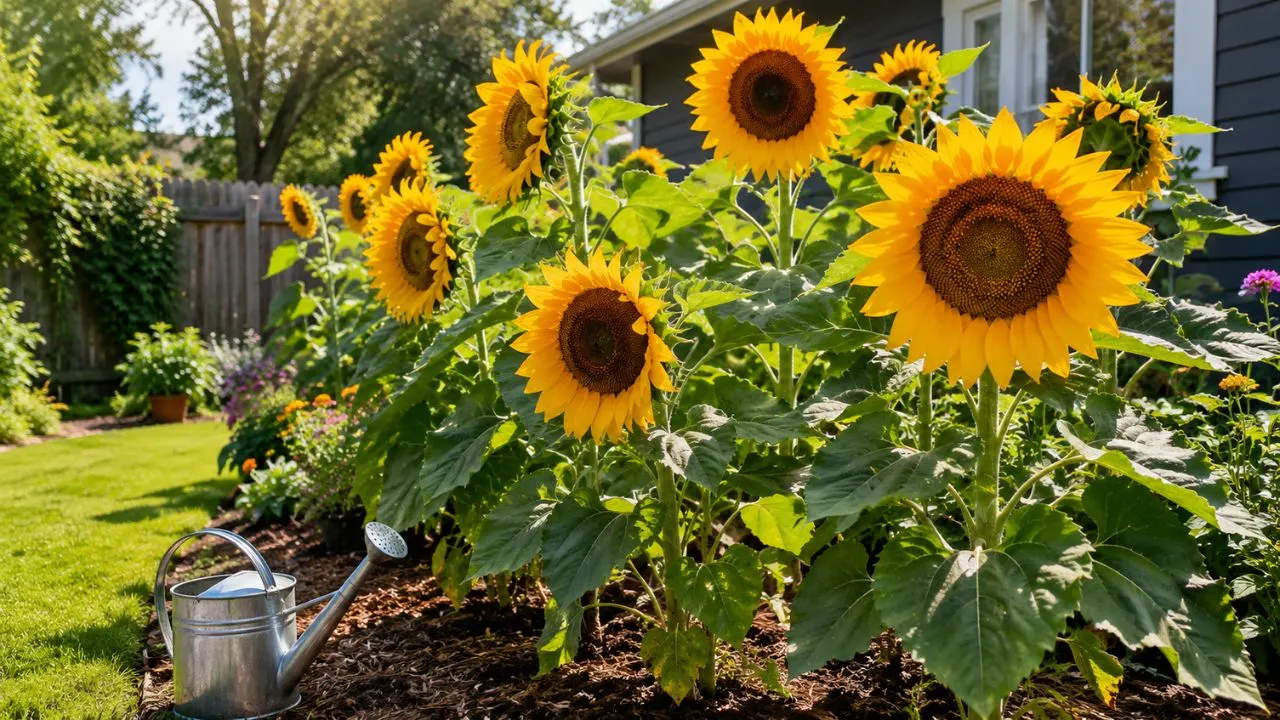
Sunflowers are one of nature’s most cheerful blooms, brightening gardens and yards with their vibrant yellow petals and towering presence. These iconic flowers not only bring beauty but also create a sense of warmth and joy in any outdoor space. Whether you have a sprawling garden or a cozy patio, sunflowers can thrive just about anywhere, inviting bees and butterflies to join the party.
If you’re looking to elevate your yard game this season, growing stunning sunflowers is an excellent choice. With various types available—from petite varieties perfect for small spaces to giant ones that steal the show—there’s something for everyone. Let’s explore some common sunflower tips that will help you cultivate bigger, healthier blooms while transforming your yard into a dazzling haven of color and life.
Choosing the Right Variety for Your Yard
Choosing the right variety of sunflower is key to a vibrant yard display. With countless options available, it’s essential to consider your space and preferences.
Tall sunflowers like ‘Mammoth’ can reach impressive heights, making them perfect for back borders or as a focal point. Their grand stature provides a dramatic backdrop that captures attention.
If you prefer compact blooms, varieties such as ‘Teddy Bear’ are ideal for smaller gardens. These bushy plants offer delightful fluffy heads and are great in containers or raised beds.
Additionally, think about bloom time and color. Some sunflowers produce stunning shades ranging from deep gold to rich burgundy. Selecting varieties that flower at different times ensures continuous beauty throughout the season.
Understanding your garden’s conditions—such as sunlight exposure and soil type—will guide you toward choosing the best sunflower variety for your unique landscape.
Tips for Planting and Growing Sunflowers
Planting sunflowers is a rewarding experience. Start by selecting the right location; they thrive in full sun and well-drained soil.
When it comes to planting, wait until after the last frost. This ensures that your seeds have the best chance to germinate. Space them at least six inches apart for healthy growth.
Water them regularly, especially during dry spells. However, be careful not to overwater as this can lead to root rot.
As they grow tall, provide support if necessary. Sunflowers can become top-heavy and may need staking once they’re several feet high.
Fertilizing isn’t mandatory but can boost their health. A balanced fertilizer will help encourage larger blooms.
Keep an eye on their progress daily; they’re fast growers! Soon enough, you’ll see those bright faces turning toward the sun.
Essential Care and Maintenance for Healthy Blooms
Sunflowers thrive with proper care and attention. Watering is vital, especially during dry spells. Aim for deep watering once a week to encourage strong root growth.
Fertilizing your sunflowers can make a significant difference in their health. Use a balanced fertilizer about two weeks after planting to provide essential nutrients.
Regular weeding around sunflower plants also helps them prosper. Weeds compete for nutrients and moisture, so keep the soil free of unwanted growth.
Mulching is another effective strategy. A layer of mulch retains moisture and suppresses weed growth while providing an attractive finish to your garden bed.
Monitor your sunflowers closely as they grow. Look out for any signs of distress or nutrient deficiencies early on, ensuring robust blooms throughout the season.
Dealing with Common Pests and Diseases
Sunflowers are generally hardy, but they can fall victim to specific pests and diseases. Aphids often appear on young plants, sucking sap and causing leaves to curl. A strong spray of water can dislodge them or introduce beneficial insects like ladybugs.
Another common pest is the sunflower beetle. These small black beetles munch on foliage. Handpicking is effective for smaller infestations, while insecticidal soaps work well for larger outbreaks.
Fungal diseases such as powdery mildew may develop in humid conditions. Ensure good airflow around your plants by spacing them properly and avoiding overhead watering.
Regular monitoring is essential. Check the undersides of leaves frequently for any signs of trouble. Early detection allows you to act swiftly, keeping your sunflowers vibrant and healthy throughout their blooming season.
Creative Ways to Display Sunflowers in Your Yard
Sunflowers bring warmth and cheer to any yard. Think beyond the traditional garden bed when displaying these vibrant blooms.
Create a sunflower border along pathways or driveways. This adds color while guiding guests through your outdoor space.
Try grouping different varieties together in clusters for a striking visual effect. Tall sunflowers can stand proud at the back, with shorter ones framing the front.
Consider using containers too. Large pots filled with smaller sunflower plants can brighten up patios or balconies.
For a whimsical touch, hang small decorative baskets from trees filled with miniature sunflowers or even dried flower arrangements once they’ve bloomed out.
Don’t forget about vertical displays! A trellis adorned with climbing vines intertwined with sunflowers provides both height and intrigue to your yard design.
Conclusion
Sunflowers are more than just vibrant yard staples; they bring a sense of joy and warmth that can transform any outdoor space. By choosing the right variety, planting them with care, and maintaining their health, you can enjoy stunning blooms season after season.
Don’t overlook the importance of pest control either—keeping your sunflowers healthy is vital for achieving those towering heights and large blossoms we all admire. Get creative with how you display these beauties in your garden to maximize their visual impact.
With a little effort and attention to detail, you’ll find that cultivating common sunflower varieties leads not only to a flourishing garden but also to an uplifting atmosphere full of color and life. Happy gardening!