
Understanding the Limitations of Rental Spaces
Rental decorating tips a home provides a variety of benefits, such as flexibility and lower upfront costs compared to purchasing a property. However, it also comes with specific limitations that can affect how tenants decorate their living spaces. One of the primary restrictions is that many rental agreements prohibit tenants from painting the walls. This can be challenging for those looking to create a personalized atmosphere or inject a sense of individuality into their home.
Additionally, major renovations are often off the table. Whether it’s installing new flooring, altering cabinetry, or making structural changes, renters typically need to navigate around existing conditions. This can result in a feeling of confinement, especially for those eager to implement their unique design aesthetic. It is crucial to understand these restrictions before embarking on any decorating project, as violating lease agreements can lead to financial penalties or even eviction.
Another common limit lies in the realm of wall decorations. Many landlords enforce strict policies regarding the types and sizes of decor that can be hung on walls. For example, heavy frames or multiple hooks may not be permitted, leading to concerns about holes and damage. This compels renters to seek out innovative solutions to style their space while adhering to these guidelines.
Despite these constraints, individuals can still find numerous creative ways to make a rental feel like home. Utilizing removable adhesive hooks for wall art, incorporating stylish furniture that doubles as storage, and choosing decorative elements that reflect personality all contribute to personalizing a rental space. The key lies in thinking outside the box and leveraging the existing features of the rental to enhance comfort and beauty without infringing on the restrictions imposed by the landlord.
Colorful Accessories: Adding Pops of Color
When it comes to decorating rental homes, incorporating colorful accessories can dramatically transform a space without the need for permanent changes such as painting walls. Accessories like cushions, throws, rugs, and wall art are ideal for infusing vibrant colors and textures, thus creating an inviting and engaging atmosphere.
One effective approach is to select a color palette that complements existing furnishings while introducing new hues. For instance, a palette featuring shades of blue and yellow can evoke a feeling of serenity and warmth. Bright, patterned cushions can be coupled with neutral sofas to create a striking yet harmonious contrast. Similarly, vibrant throws can liven up a minimalist chair, providing both comfort and visual interest. Layering various textures, such as a soft knit throw on a sleek leather couch, adds depth to the decor.
In addition, area rugs work wonders in defining spaces and adding warmth to floors, contributing to the overall aesthetic of a rental home. A bold geometric rug can serve as a focal point in a living area, while still allowing for a cohesive scheme through other décor elements. When mixing and matching, consider using various shades of the same color or complementary colors to prevent a chaotic look. For example, a deep teal can be paired with lighter shades of blue and green for a tranquil effect.
Wall art is another excellent avenue for adding pops of color. Artwork featuring vibrant colors and rich patterns can break the monotony of plain walls and create visual intrigue. Consider eclectically arranging framed posters, paintings, or canvases to form a gallery wall that can be changed as often as desired. This not only allows for personal expression but also exhibits how colorful accessories can breathe life into rental spaces without permanent alterations.
Temporary Wall Treatments: Art and Décor
When it comes to decorating rental homes, temporary wall treatments offer a practical solution for those looking to personalize their space without causing any permanent alterations. Removable wallpaper has gained popularity as a stylish option that comes in a variety of patterns, colors, and textures. Unlike traditional wallpaper, which can be challenging to install and remove, removable wallpaper can be easily applied and taken down, leaving the wall surface unharmed. To use this option effectively, ensure the wall is clean and smooth before application; this will facilitate better adhesion and a flawless finish.
Wall decals serve as another excellent form of temporary wall decoration. They range from simple shapes to elaborate scenes, making it easy to infuse color and creativity into any room. The key to successful application is to follow the manufacturer’s instructions carefully. Most decals can be repositioned during application if mistakes occur, allowing for adjustments without damaging the wall. Additionally, they can easily be removed without leaving sticky residue, as most modern products use a gentle adhesive designed specifically for such surfaces.
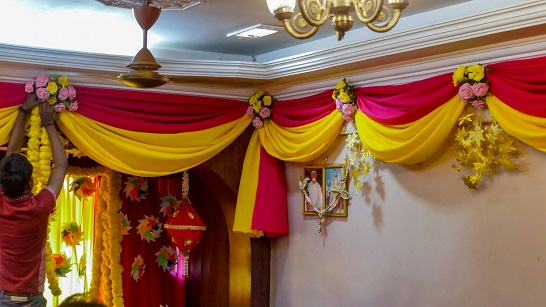
Fabric hangings also provide a unique opportunity for renters to showcase their style. Often available in vibrant colors and prints, fabric wall hangings can be pinned or tacked onto the wall, avoiding any adhesive methods that might damage the paint. This method also allows for easy removal when it’s time to move out. Whether opting for fabric banners or art quilts, the installation is straightforward and creates an inviting atmosphere.
Ultimately, utilizing temporary wall treatments like removable wallpaper, wall decals, and fabric hangings allows renters the freedom to express their personal style while maintaining the integrity of the rental property. By following the correct application techniques, these decor options can be enjoyed during the rental period and easily taken down without causing issues upon move-out.
Lighting Solutions: Transforming Spaces with Light
In rental homes, the challenge often lies in personalizing the space while adhering to the limitations set by the landlord. One of the most impactful methods to enhance any rental property is through strategic lighting solutions. Proper lighting not only illuminates a space but also creates an inviting ambiance, making it feel more like home.
Floor lamps serve as versatile additions that can elevate the aesthetic of a room without the commitment of permanent fixtures. Available in various styles—such as arc, tripod, or traditional designs—floor lamps can fit seamlessly into different decor styles. Placing a well-designed floor lamp in a corner can draw the eye and highlight certain features of the room, such as artwork or a cozy seating area.
Table lamps offer similar benefits, providing both task and ambient lighting. They are perfect for spaces like living rooms and bedrooms, where focused light is needed for activities such as reading or working. Selecting table lamps with unique shapes or colors can serve as statement pieces that enhance your overall decor, adding character to your rental home.
Moreover, string lights have gained popularity for their whimsical touch. They can be easily draped across walls, ceilings, or outdoor spaces to add a soft glow that transforms the atmosphere. String lights are particularly beneficial in smaller apartments where they can create an illusion of depth and warmth.
Layering different light sources is key to achieving a cozy feel in any rental. Combining ambient, task, and accent lighting creates richness and depth in the space. For instance, utilizing dimmable bulbs in ceiling fixtures along with additional lamps can provide flexibility in lighting options based on the time of day or occasion.
In summary, lighting solutions such as floor lamps, table lamps, and string lights can dramatically enhance the ambiance of a rental home. By creatively layering these light sources, renters can craft a warm, inviting environment that reflects their personal style while making the space feel truly theirs.
Utilizing Furniture that Doubles as Storage
When decorating a rental home, efficiency and style are paramount, especially when space is limited. One effective way to incorporate both aesthetics and practicality is by selecting multi-functional furniture. This type of furniture not only enhances the overall decor but also serves vital storage purposes, making it an ideal choice for renters who seek to optimize their living spaces.
Ottomans are a prime example of furniture that can offer both comfort and storage. Available in various designs and colors, an ottoman can function as a stylish seating option or a footrest while concealing items like blankets, toys, or other household essentials within its hollow compartment. Choosing an ottoman that complements the design scheme enables renters to merge functionality with elegance.
Another versatile piece to consider is a storage bench. Placed in entryways or at the foot of a bed, these benches provide a convenient spot to sit while dressing and come with the added benefit of hidden storage. Renters can easily store shoes, bags, or seasonal items, keeping clutter out of sight while maintaining a clean and organized aesthetic. The variety of colors and textures available means the bench can either stand out as a statement piece or seamlessly blend into the room’s decor.
Additionally, coffee tables with built-in storage capabilities have become increasingly popular. These tables can house magazines, remote controls, and various other items that might otherwise clutter a living space. Opting for a coffee table that aligns with your specific design style allows one to create a focal point in the room while ensuring that practical storage solutions are within easy reach.
By incorporating furniture that doubles as storage, renters can maintain a cohesive and stylish environment while effectively managing limited space. This approach not only enhances the rental’s functionality but also its overall appeal.
Incorporating Plants to Liven Up the Space
Incorporating indoor plants into rental homes is an excellent approach to enhance the aesthetic and atmosphere of living spaces. Plants are not only visually appealing, but they also offer numerous benefits, including improved air quality. Certain indoor plants can effectively filter out toxins and increase oxygen levels, creating a healthier environment for occupants.
When selecting plants for a rental home, it is advisable to choose low-maintenance varieties that require minimal care. Some popular options include pothos, snake plants, and spider plants. These species are resilient, thrive in various lighting conditions, and do not demand frequent watering. This suitability makes them ideal for individuals who may not have a green thumb or those who spend extended hours away from home.
To creatively display these plants and maximize their impact, consider using various decorative elements. Wall-mounted shelves can transform empty wall space into a thriving botanical gallery, providing a stunning visual effect. Additionally, macramé hangers are a stylish option for suspending plants from ceilings or walls, adding texture and height to the room. It is also beneficial to group plants with varying heights and leaf shapes in a corner to create an eye-catching focal point.
Another effective method of incorporating plants is through the use of window sills. Placing herb gardens or small potted flowers by the window not only adds color but also allows plants to benefit from natural light. For those with limited space, consider using vertical garden systems or tiered plant stands, which efficiently utilize floor space while offering an appealing display.
Ultimately, integrating indoor plants into a rental home not only personalizes the space but also fosters a more inviting and vibrant environment. By carefully selecting low-maintenance options and incorporating creative display solutions, residents can enjoy the numerous benefits that come with having greenery indoors.
Creating Defined Spaces with Area Rugs and Furniture Arrangement
In rental homes, particularly those featuring open floor plans, creating defined spaces is essential for both function and aesthetic appeal. Area rugs serve as excellent tools for delineating different zones within a single expansive room. By strategically placing rugs, one can visually separate areas for relaxation, dining, and work, which fosters a sense of order and organization.
To start, consider the size and shape of the area rugs. A larger rug can anchor a seating area, making it feel cozy and inviting. For instance, in a living room, place a substantial rug beneath the main seating arrangement, allowing the front legs of the sofa and chairs to rest on it. This positioning not only creates a visual boundary for the sitting area but also promotes a cohesive look with other furniture pieces.
Similarly, in dining areas, positioning a rug underneath the dining table adds warmth and distinction to that space. It is essential that the rug be large enough for the chair legs to remain on the rug even when pulled away from the table. This strategy not only enhances the dining experience but also prevents furniture from feeling cluttered as it complements the overall arrangement.
Moreover, furniture arrangement plays a significant role in defining areas. Utilizing furniture as visual barriers can help create distinct spaces. For example, a bookcase can act as a partition between a home office and living space, while a console table can designate an entryway. Ensuring that each zone is functional and leads to a smooth flow is paramount. This balance prevents overwhelming the senses and maintains an uncluttered ambiance.
By combining well-chosen area rugs and thoughtful furniture placement, tenants can effectively mold a rental space into various functional areas, enhancing both livability and style without making permanent changes.
Personal Touches: Family Photos and Art Displays
Renting a home can present unique challenges, particularly when it comes to making the space feel personal and lived-in. One effective way to infuse your personal style into a rental property is by showcasing family photos, artwork, and souvenirs. These elements serve as visual memories and can significantly enhance the overall atmosphere of your home.
For those looking for creative ways to display these cherished items, consider creating a gallery wall. This approach allows for a dynamic arrangement of various frames and art pieces, giving your walls a curated, artistic appeal. You can mix different sizes, colors, and textures, which can be easily rearranged when necessary. Command strips or removable hooks are ideal for hanging, as they leave minimal trace upon removal, thus safeguarding your security deposit.
In addition to gallery walls, decorative shelves can serve as wonderful platforms for family photos and unique art displays. Floating shelves can be installed without causing significant damage to the walls, and they offer the flexibility to swap out items seasonally or whenever inspiration strikes. Grouping items by theme or color can create a harmonious look while adding depth to your decor.
Souvenirs from travels can also find a prominent place in your rental space. Utilizing shadow boxes for small mementos or creating dedicated shelves for larger items can tell a story within your home, sparking conversation and nostalgia. When it comes time to relocate, these items can be taken down without any hassle, making them perfect for transient living.
Ultimately, integrating personal touches through well-curated displays not only beautifies your rental property but also creates a sense of comfort and belonging that elevates the experience of renting a home.
Final Touches: Scent and Ambiance
When it comes to transforming a rental decorating tips home into a cozy sanctuary, the role of scent and ambiance should not be underestimated. These elements can significantly enhance the overall atmosphere, making your space feel more inviting and personalized. One effective way to introduce delightful fragrances is through the use of scented candles. They provide not only a pleasant aroma but also an aesthetic touch with their warm glow. A strategic placement of candles around the room can create focal points that draw the eye, while their varying scents can evoke different moods, from calming lavender to invigorating citrus.
Alternatively, essential oil diffusers can also play a significant role in crafting a unique olfactory experience. These devices disperse aromas throughout the room, allowing for a continuous and subtle fragrance that can be adjusted depending on the oils used. This method is particularly advantageous in rental homes where candle usage may be restricted due to safety concerns.
Beyond scent, consider incorporating finishing touches that add warmth and character to your rental property. Textiles such as soft throw blankets and decorative cushions bring tactile comfort and can layer beautifully with existing furnishings, enhancing the overall decor. Similarly, strategically placed plants can invigorate your space, improving air quality while adding natural beauty. Choose low-maintenance varieties that thrive indoors, making it easy to incorporate nature into your home without excessive upkeep.
Lastly, the right lighting can dramatically change the ambiance of a room. Utilizing warm-toned bulbs or fairy lights can create a cozy, inviting atmosphere, especially during the evening hours. By thoughtfully integrating these last touches of scent and ambiance into your rental home, you can cultivate a space that feels utterly unique and reflective of your personal style.