
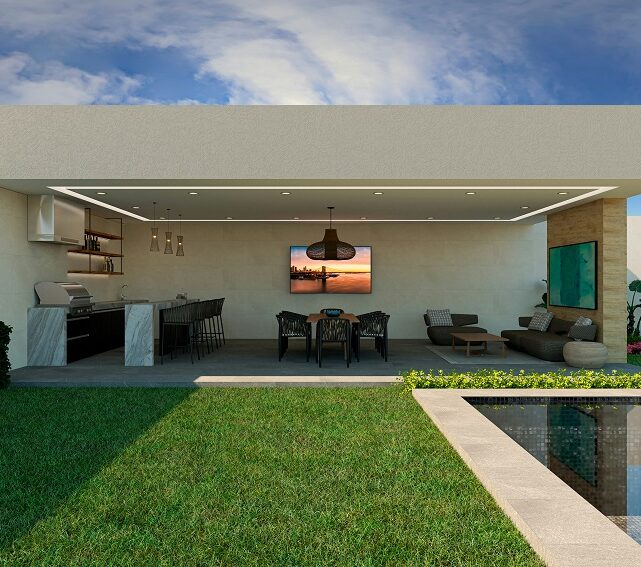
Understanding Your Needs and Preferences
When embarking on the journey to create the perfect outdoor living space, the foundational step involves assessing your personal needs and preferences. This process is critical as it directly influences the design, functionality, and overall enjoyment of the space. Begin by evaluating your family size. A larger family may require more seating areas, while a smaller one might look for intimate nooks or cozy corners.
Next, contemplate your entertainment habits. Consider the types of gatherings you frequently host. Are you more inclined towards casual barbecues with friends, or formal dinner parties? This reflection will help shape the layout of your outdoor area. For instance, if you envision frequent evenings spent dining al fresco, ensure you incorporate a dining table and comfortable seating, while also considering shade options during hotter months.
Additionally, identify the activities you wish to engage in within this space. Perhaps you want an area for children to play, a garden to cultivate, or a fire pit for evening relaxation. Prioritizing these activities will further assist in tailoring your outdoor living space to your lifestyle. Furthermore, it is essential to recognize your personal style. Your outdoor space should reflect your aesthetic preferences, integrating elements like color schemes, materials, and landscaping that resonate with your tastes and harmoniously align with your home’s architecture.
Finally, think about the ambiance you wish to create. Whether you desire a tranquil retreat or a vibrant social hub, the atmosphere will dictate your choices in furnishings and decor. By thoroughly assessing your needs and preferences, you can ensure that your outdoor living space becomes a personalized haven suited to your lifestyle and enhances your overall home experience.
Choosing the Right Location
When embarking on the journey of building the perfect outdoor living space, one of the most crucial decisions lies in selecting the right location. The characteristics of the chosen site can significantly influence the overall enjoyment and functionality of the space. To make an informed decision, several factors should be meticulously considered.
First and foremost, analyze sunlight patterns throughout the day. Understanding how sunlight shifts can aid in positioning elements such as seating areas or gardens to maximize natural light while minimizing excessive heat during peak hours. Ideally, consider a balance that allows for sunny spots for relaxation and shaded areas for comfort.
Proximity to the home also plays a vital role in the functionality of your outdoor area. An accessible location makes it easier to entertain guests, provide food and drink, or monitor children during play. Ideally, the outdoor space should be easily reachable from key indoor areas such as the kitchen and living room.
Equally important is the level of privacy the location offers. An outdoor space that feels secluded can enhance relaxation and enjoyment. Evaluate the surrounding landscape and neighboring properties to determine if natural barriers, such as hedges or trees, can provide the intimacy desired.
Additionally, take note of existing landscape features that could be integrated into your new outdoor living area. Utilizing elevation changes, water features, or significant trees can create a unique atmosphere and enhance the overall aesthetic. Moreover, these natural elements can serve practical purposes, such as providing shelter from wind or delineating different areas within the space.
By carefully considering these factors, you can create an outdoor environment that complements both your lifestyle and the natural surroundings, paving the way to the perfect outdoor living space.
Designing the Layout
When it comes to creating the perfect outdoor living space, the layout plays a crucial role in both functionality and aesthetics. A well-designed layout takes into consideration various zones or areas necessary for different activities. Key zones to incorporate include dining, lounging, cooking, and even gardening spaces. Each zone should serve a clear purpose while maintaining harmony with the overall design.
Let’s start with the dining area. This section should be easily accessible and ideally located close to the kitchen for convenience. Use durable outdoor furniture that can withstand the elements while still providing comfort. To enhance the dining experience, consider adding features such as an outdoor rug, ambient lighting, and decorative planters. This not only defines the space but also adds an inviting ambiance.
The lounging area is where relaxation takes precedence. Choosing comfortable seating arrangements with weather-resistant materials is essential. Position seating around a focal point, such as a fire pit or an outdoor fireplace, to create a cozy environment. It’s also beneficial to think about the flow of traffic when arranging furniture; ensuring that pathways are clear encourages easy movement between zones.
When designing the layout, consider incorporating a cooking zone that may include a grill, outdoor kitchen, or a bar area. This zone should also be practical, with necessary utilities nearby like electricity and water. Making the transition between indoor and outdoor areas smooth is vital; think about using consistent flooring materials, which help visually extend the indoor aesthetic to the outdoor space.
Additionally, using landscaping elements such as trees or shrubs can create natural dividers between areas, fostering a sense of privacy while maintaining an open feel. Strategic planting can also direct traffic flow and guide the eye towards beautiful focal points, enhancing the overall appeal of your outdoor living space.
Selecting Furnishings and Decor
When designing an outdoor living space, the selection of furnishings and decor plays a crucial role in achieving both functionality and aesthetic appeal. The first consideration should be the materials of the furniture. Outdoor furniture must be able to withstand weather conditions such as rain, wind, and sun exposure. Common materials include teak, aluminum, synthetic wicker, and wrought iron, each offering different levels of durability and style. For instance, teak is renowned for its natural resistance to decay and insects, making it a popular choice for outdoor settings.
In addition to the material, the style of the furniture should complement the overall design theme of the outdoor area. Whether aiming for a modern, rustic, or traditional look, the chosen furnishings should harmonize with other elements like landscaping and architecture. For instance, sleek, minimalist designs might suit contemporary spaces, while ornate, carved pieces may better fit a classic aesthetic.
Comfort is another key factor in selecting outdoor furnishings. Cushions are essential for enhancing seating comfort, and they should be made from weather-resistant fabrics that resist fading and mildew. Opting for removable covers can also simplify the cleaning process and prolong the life of the cushions. Additionally, incorporating accessories such as outdoor rugs can define seating areas, add color, and provide a softer walking surface.
Lighting is equally important when it comes to outdoor spaces, as it not only enhances ambiance but also extends the usability of the area after sunset. Consider stylish options like string lights, lanterns, or solar-powered fixtures to create a magical atmosphere. By thoughtfully selecting furnishings and decor that merge comfort with durability, homeowners can create inviting outdoor living spaces that can be enjoyed year-round.
Incorporating Nature and Landscaping
Creating a well-balanced outdoor living space significantly benefits from the thoughtful incorporation of nature and landscaping. By seamlessly integrating natural elements into your design, you cultivate a serene environment that promotes relaxation and enhances the aesthetic appeal of your outdoor area. Selecting the right plants, trees, and flowers is essential in achieving this goal while ensuring they align with your maintenance preferences.
When choosing plants, consider opting for native species, as these varieties are generally well-adapted to the local climate and soil conditions. Native plants tend to require less water, fertilizer, and pesticide, contributing to a low-maintenance landscape. Additionally, incorporate a mix of perennials and annuals to provide continuous blooms throughout the seasons, thereby enriching the visual interest of your outdoor space.
In addition to plants, incorporating larger elements such as trees can provide shade and privacy, creating a more inviting atmosphere. Select tree species that complement your design and are suitable for your region, and ensure they are strategically positioned to maximize their benefits without overshadowing other plants.
Furthermore, adding features like water elements, fire pits, and stone pathways can significantly enhance your outdoor living space. Water elements, such as fountains or ponds, add soothing sounds and attract wildlife, creating a tranquil setting. Fire pits serve as focal points for gatherings and can extend the usability of your space into the cooler months. Stone pathways not only improve accessibility but also lead guests through the landscape, allowing them to appreciate the various plantings and natural features.
By carefully considering the integration of these natural components, you can create a harmonious outdoor living area that highlights beauty while being mindful of maintenance, thus achieving a relaxing retreat right at home.
Ensuring Comfort Throughout the Year
Creating an outdoor living space that remains comfortable throughout the year involves strategic planning and implementation of various elements to accommodate seasonal changes. A well-designed outdoor environment should provide solace and enjoyment regardless of the temperature or weather conditions. For this purpose, it is essential to incorporate heating solutions for cooler months. Options such as outdoor heaters, fire pits, or even built-in fireplaces can significantly enhance the cozy atmosphere during winter evenings, making your deck or patio a welcoming retreat.
As temperatures rise, shade becomes imperative for maintaining a pleasant outdoor experience. Several options are available to protect against the sun’s harsh rays. Retractable awnings, pergolas with climbing plants, and strategically placed umbrellas can create comfortable shaded areas, allowing you and your guests to enjoy outdoor gatherings without the discomfort of excessive heat. Furthermore, the incorporation of misting systems can provide additional cooling, making outdoor activities enjoyable even during peak summer.
Another critical aspect of year-round comfort lies in the selection of versatile furnishings. Opting for outdoor furniture made from weather-resistant materials ensures longevity and keeps the space looking well-maintained. Consider furniture that is easy to rearrange or nests smaller pieces together, which allows for flexibility in layout, depending on the season. Additionally, employing outdoor cushions and textiles that are resistant to fading or moisture can enhance comfort. These furnishings not only add aesthetic appeal but also create a welcoming environment conducive to relaxation across all seasons.
Ultimately, by embracing smart heating options, providing adequate shading solutions, and selecting adaptable furniture, one can craft an outdoor living space that is devoid of seasonal discomforts and is ready to be enjoyed throughout the calendar year.
Adding Outdoor Features and Amenities
Enhancing an outdoor living space extends beyond the basics of seating and surface materials; it contributes to creating a multifaceted environment tailored to relaxation and entertainment. Several features and amenities can greatly improve the functionality and enjoyment of your outdoor area, making it an extension of your home.
One popular addition is the outdoor kitchen. Designed for both functionality and sociability, an outdoor kitchen can include elements such as grills, sinks, and refrigerators, enabling effortless meal preparations while entertaining guests. Incorporating a bar can further elevate the experience, providing a space for mixing drinks and socializing with friends and family. These features not only make dining al fresco more convenient but also promote a convivial atmosphere.
Another significant element is the fire pit, which serves as a cozy gathering spot, especially during cooler evenings. This feature can inspire intimate conversations and storytelling, thus enhancing the overall ambiance of the outdoor space. Fire pits can range from built-in stone designs to portable options, making it easier to find one that suits your aesthetic preferences.
In terms of seating, built-in benches or modular seating arrangements are practical and visually appealing solutions. They can create defined areas for relaxation while accommodating a larger number of guests. Complementing this setup with outdoor cushions can enhance comfort and style.
Moreover, entertainment options abound for an invigorated outdoor experience. Consider integrating games such as cornhole or bocce ball, which can engage guests of all ages. For movie nights, a projection screen with outdoor speakers can transform your backyard into a cinema. Installing a music system fosters a lively atmosphere, encouraging social interaction.
By incorporating these outdoor features and amenities, one can cultivate a versatile living space that ensures enjoyment throughout various seasons and occasions, ultimately enriching the outdoor lifestyle.
Maintenance Tips for Longevity
To ensure that your outdoor living space remains vibrant and functional year-round, implementing regular maintenance practices is essential. The combination of natural elements such as sun, rain, and wind can impact the durability and appeal of your outdoor area. Therefore, it is critical to establish a routine that prioritizes cleanliness, seasonal upkeep, and protection for furnishings and plants.
The first step in maintaining your outdoor space is a thorough cleaning regimen. This includes sweeping surfaces to remove debris, hosing down patios and decks, and utilizing appropriate cleaning solutions for outdoor furniture. Pay special attention to wrought iron and wooden fixtures, which may require special maintenance techniques to prevent rust and decay. Regular washing will not only enhance the aesthetics but also prolong the life of your furnishings.
During the different seasons, specific upkeep becomes necessary. For instance, in the fall, consider securing plants that may not withstand winter conditions and removing fallen leaves that can encourage mold growth. In the spring, a general inspection for wear and tear, coupled with more thorough cleaning and perhaps repainting tired furniture, can help revitalize the space. Moreover, consider applying weather-resistant coatings to wooden surfaces and metal fixtures to protect against moisture and UV damage.
Protecting your plants is equally important; using mulch can help retain moisture and suppress weeds. Additionally, invest in high-quality covers for your furniture when not in use, particularly during harsh weather conditions. These protective measures can significantly reduce the risk of damage from elements, ensuring your outdoor living space continues to be a delightful and usable area for years to come.
Lastly, be vigilant about common pitfalls such as neglecting to clean gutters or allowing mold to accumulate on surfaces. By following these maintenance tips, you will significantly enhance the longevity of your outdoor living space, ensuring that it remains an enjoyable and inviting environment.
Bringing It All Together: Personalizing Your Space
Creating an outdoor living space that truly feels like your own involves incorporating elements that reflect your personal tastes and interests. Start by considering different DIY projects that can enhance your outdoor area. For instance, building custom furniture or planters can add a unique touch while also serving functional purposes. Projects like these allow you to engage creatively with your space, tailoring it to your preferences.
Another essential aspect of personalization is the integration of custom art. This could involve hanging decorative pieces on fences or walls, or even creating a dedicated gallery wall outdoors. By selecting art that resonates with you, whether it be sculptures, paintings, or wind chimes, you can establish a visual narrative that expresses who you are. Consider sourcing local artists to not only personalize your space but also support the community.
Moreover, incorporating meaningful decor is vital for bringing warmth and character to your outdoor setting. Think about items that have significance in your life, such as family heirlooms or travel souvenirs. Even simple touches like cushions with patterns that evoke fond memories can enhance the ambiance. Lighting is another crucial element; string lights or lanterns can create a welcoming atmosphere, fostering an environment where guests feel at ease.
Ultimately, the goal of personalizing your outdoor living space is to curate an area that resonates with your personality and lifestyle. When taking the time to reflect on what truly matters to you and how you want to share that with others, you can create an inviting atmosphere that’s tailored specifically for enjoyment and relaxation.