
Understanding Your Pet’s Needs
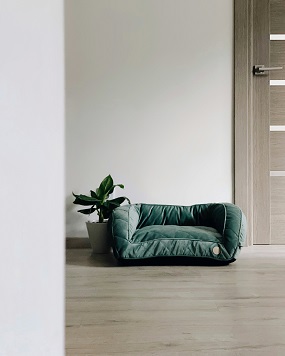
Creating a pet-friendly environment begins with a thorough understanding of the specific needs of your pets. Different types of pets, such as dogs, cats, and small animals, have varying requirements that must be met to ensure their well-being. Each species has its own unique characteristics that influence their needs. For dogs, space, safety, stimulation, and comfort play critical roles in their happiness. They require ample space to move around and engage in physical activity, which can be facilitated by providing a spacious yard or designated play area. Safety measures, such as secure fencing and avoiding toxic plants, are essential to protect them from potential hazards. Furthermore, dogs thrive on mental stimulation, which can be provided through toys, training, and interactive games. Comfort is paramount as well; a cozy bed and a warm environment promote relaxation and security.
Cats, while also needing space, tend to be more independent. They require vertical space for climbing and exploring, which can be accomplished through cat trees and shelves. Safety for cats means keeping harmful substances out of reach and ensuring their environment is secure from potential dangers. Additionally, cats benefit from various forms of stimulation, including scratching posts, toys, and interactive play sessions. A comfortable resting area is essential for their downtime, allowing them to feel relaxed in their surroundings.
Smaller pets, such as rabbits, hamsters, or guinea pigs, have their own distinct needs. These animals require proper housing that accommodates their size and natural behaviors. Safety is crucial, as smaller pets can easily become prey to larger animals, necessitating secure enclosures. Additionally, these pets thrive on stimulation, which can come from toys, social interaction, and varied environments. Providing cozy and hiding spaces contributes to their comfort while allowing them to exhibit natural behaviors.
Choosing the Right Flooring
When making your home more pet-friendly, one of the most important considerations is the type of flooring you choose. A suitable flooring material can enhance the comfort of your pets while also making cleanup easier for you. Here we will explore various flooring options, including tile, laminate, and carpet, discussing their respective pros and cons.
Tile flooring is often regarded as one of the best choices for pet owners. Its durability and resistance to scratches make it ideal for homes with active pets. Tile is also easy to clean, as spills and pet accidents can be quickly wiped away without damaging the surface. However, it can be cold and hard underfoot, which might not be as comfortable for your pets.
Laminated flooring is another popular option. It mimics the appearance of hardwood but is generally more affordable and can withstand the wear and tear caused by pets. Laminate is also scratch-resistant and easy to maintain, but it’s crucial to choose a high-quality laminate that ensures adequate water resistance to prevent warping due to accidents.
On the other hand, carpet can provide a cozy environment for both you and your pets. It helps to reduce noise and provides cushioning, making it a comfortable place for your furry friends to relax. However, carpets are often more challenging to clean, especially with pets that shed or have accidents. Stains can linger, and odors may be absorbed into the fibers, requiring specialized cleaning methods to maintain their appearance and freshness.
In summary, selecting the right flooring involves a balance between durability, ease of cleaning, and comfort. Each of these materials has its advantages and drawbacks, and the best choice depends on your specific needs as a pet owner.
Designing Safe Spaces for Pets
Creating a harmonious environment for pets within the home is essential for their well-being. A well-designed pet-friendly space not only provides comfort but also contributes to their overall health and happiness. One of the primary considerations when designing these spaces is the establishment of cozy resting areas. Pets, much like humans, require a place where they can retreat, relax, and recharge. A quiet corner with a soft bed or a plush blanket can serve as an ideal sanctuary, giving pets a sense of security and comfort.
In addition to resting areas, it is equally important to incorporate dedicated play zones where pets can expend energy and engage in physical activity. This can be achieved by designating a space in your living room or a backyard area filled with toys, climbing structures, or tunnels that stimulate your pets mentally and physically. Rotating toys regularly can keep the environment exciting while encouraging playful interaction, which is vital for their mental health.
Furthermore, creating secure spaces is paramount. For pets that tend to be mischievous or anxious, employing baby gates or designated pet rooms can prevent access to hazardous areas or provide a retreat when the household becomes too overwhelming. Ensuring that these areas are free from potentially harmful objects, such as toxic plants and fragile items, is critical to maintaining a safe atmosphere.
When designing these pet-friendly areas, consider the unique needs and preferences of your pets. Different breeds and individual personalities may require varying layouts or amenities to thrive. By incorporating these essential elements—resting areas, play zones, and secure spaces—you can foster an environment that enhances your pet’s quality of life.
Pet-proofing Your Home
Creating a pet-friendly environment requires careful consideration of various hazards that might endanger your furry companions. The first step in pet-proofing your home is to identify and eliminate common risks. Start by inspecting all areas of your house, including the kitchen, living room, and bathroom, where pets are likely to roam. Remove any small objects that can be ingested, as well as loose wires that may pose a choking hazard.
Another significant aspect of pet-proofing is being mindful of toxic plants. Certain plants and flowers can be harmful or even fatal to pets if ingested. For example, lilies, azaleas, and poinsettias are known to be dangerous to dogs and cats. It is important to either remove these plants from your home or place them in areas that are completely off-limits to your pets. Opting for pet-friendly houseplants, such as spider plants or Boston ferns, can be a safe alternative.
Proper storage of pet supplies and household chemicals cannot be overstated. Store all pet food, treats, and supplies in secure containers to prevent accidental consumption. Human products, particularly cleaning supplies and medications, should be stored in cabinets that are either locked or elevated out of your pet’s reach. Additionally, be vigilant about keeping trash bags sealed and inaccessible to your pets, as discarded items can pose serious health risks.
Lastly, gates can be an effective tool to restrict access to certain areas of your home that may contain potential dangers. By implementing these measures, you can significantly improve the safety of your living space for your pets. Pet-proofing your home not only protects your beloved animals but also fosters a harmonious and enjoyable shared environment for both pets and humans alike.
Choosing Pet-Friendly Furniture and Decor
When transforming your living space into a pet-friendly environment, selecting the right furniture and decor is essential. The impact of pet ownership on home furnishings cannot be overlooked, as pets often bring about wear and tear that requires durable and easy-to-clean options. Choosing fabrics that stand up to scratching, shedding, and stains is paramount for maintaining a comfortable and inviting home.
One of the most effective strategies involves opting for pet-friendly fabrics. Microfiber, for instance, is renowned for its durability and resistance to stains, making it an excellent choice for sofas and chairs. Additionally, synthetic fibers like nylon and polyester offer both strength and ease of cleaning. These materials are typically more resistant to odors and can be wiped down easily, ensuring your space remains fresh and inviting.
Moreover, consider furniture that is designed with pets in mind. Look for pieces with minimal exposed wooden surfaces, as these are prone to scratching from curious claws. Upholstered furniture can help mitigate this issue, as soft surfaces are less attractive for scratching. Avoiding delicate textiles such as silk or linen is advisable, as they can be easily damaged. Instead, consider adopting leather or slate finishes for tables and surfaces, which provide a sleek look while being more resistant to the rigors of daily life with pets.
In addition to fabric and furniture selection, decorative elements should also be thoughtfully chosen. Opt for designs that include enclosed storage solutions to keep pet toys and accessories organized and out of the way. Furthermore, it is essential to ensure that decor items are safe for pets, steering clear of small objects that could be choking hazards or toxic plants that could affect your furry companions. By selecting pet-friendly furniture and decor, you can create a harmonious living space that is functional for both pets and humans.
Creating a Pet-Friendly Outdoor Space
Establishing a pet-friendly outdoor space is essential for promoting the safety and well-being of your furry friends. An enclosed area not only prevents pets from wandering off but also provides a secure environment where they can explore, play, and relax. A well-designed garden can cater to the needs of your pets while enhancing the beauty of your home.
When planning your outdoor area, the first step is to consider adequate fencing. Ensure that the fence is tall enough to prevent pets from jumping over and deep enough to avoid digging underneath. Opting for materials that are both sturdy and non-toxic, such as wood or vinyl, is crucial in maintaining a safe environment. Additionally, remember to check for any gaps or weak spots regularly, as pets can be quite resourceful in finding escape routes.
Incorporating safe plants is another significant aspect of creating a pet-friendly garden. Many common garden plants can be toxic to pets; therefore, it is essential to research and select non-toxic plants that are safe for your animals. Consider incorporating grass, herbs, and flowers known to be pet-friendly. Furthermore, providing shaded areas where pets can escape direct sunlight during warm weather is vital for their comfort. Structures such as pergolas or large umbrellas can create shaded spots for relaxation.
Including designated areas for your pets to dig and play can also enhance their outdoor experience. Creating a digging pit filled with sand or loose soil provides an outlet for natural digging behavior. Additionally, designating play areas with toys and climbing structures encourages healthy physical activity. Overall, a thoughtfully designed outdoor space can provide a sanctuary for your pets while ensuring their safety and allowing them to enjoy the outdoors responsibly.
Incorporating Pet-Friendly Crafts and DIY Projects
Creating a pet-friendly home can be a fun and fulfilling endeavor, particularly when it involves incorporating crafting and DIY projects. These activities not only enhance your living space but also cater to the needs of your furry companions. Here are several ideas for crafting items that will enrich both your pet’s environment and your overall home décor.
One of the simplest and most engaging projects is making homemade pet toys. For example, you can create a plush toy from old textiles. By sewing together scraps of fabric and stuffing them, you can design unique toys that will keep your pet entertained. Ensuring that the materials are non-toxic is vital, so opt for natural fibers whenever possible. You can also make tug toys using braided strips of cotton or fleece, which are safe for chewing and provide physical stimulation.
Another excellent DIY project is crafting a cozy pet bed. You might consider using an old suitcase or an upholstered chair as a base, transforming it into a stylish resting place for your pet. If you prefer simpler designs, you can repurpose an old blanket or towel and sew it into a cushion. With a little creativity, these beds can become attractive additions to your home while providing comfort for your animal.
Additionally, creative storage solutions for pet supplies can contribute to a more organized and pet-friendly home. One effective idea is to transform decorative baskets or bins into storage for dog toys, leashes, and treats. Labeling these containers can make it easier to locate items quickly, keeping your home tidy. Alternatively, wall-mounted shelves can serve as stylish displays for pet supplies, ensuring they are accessible without cluttering your living space.
In summary, incorporating pet-friendly crafts and DIY projects not only enhances the aesthetic appeal of your home but also ensures that it meets your pet’s needs. By engaging in these activities, pet owners can foster a welcoming environment that celebrates their companions while expressing their personal style.
Establishing a Routine for Pets
Creating a structured routine for your pets is essential for their well-being and happiness. A well-defined schedule can significantly enhance the quality of life for your furry friends, as it provides them with a sense of security and predictability in their daily activities. Incorporating designated time for play, training, and relaxation into their routine is crucial in fostering a healthy and balanced lifestyle.
One of the foremost benefits of establishing a routine is its impact on a pet’s adaptation to their environment. Whether you are bringing a new pet into your home or trying to help an existing one, consistency in their daily activities helps them feel more at ease. Pets thrive on stability, and when they know what to expect, they are less likely to experience anxiety or stress. For instance, having fixed times for feeding, walking, and playtime creates a rhythm that pets can adjust to more easily.
Additionally, a routine reinforces training and behavioral expectations. Regular training sessions integrated into their daily schedule can lead to better obedience and reduce undesirable behaviors. Instead of sporadic training, a consistent time slot for learning commands and practicing tricks creates opportunities for bonding and increases your pet’s confidence. Furthermore, including relaxation periods in the routine allows pets time to decompress, particularly after stimulating activities. This combination of play and calm time helps to create a balanced emotional state.
Overall, establishing a routine for pets not only aids their adjustment to a new environment but also strengthens the bond between pets and their owners. It provides a structured framework that supports growth, learning, and happiness. Ultimately, investing time in developing a routine pays dividends in creating a harmonious and pet-friendly home.
Maintaining a Clean and Healthy Environment
Creating a pet-friendly home extends beyond providing a comfortable space for your furry friends; it also involves maintaining a clean and healthy environment that reduces allergens. Pets can bring joy and companionship, but they can also introduce a range of allergens such as dander, saliva, and urine. To minimize these issues, effective cleaning strategies and regular grooming are essential.
Start by investing in high-quality cleaning products that are safe for both pets and humans. Look for non-toxic cleaning solutions specifically designed for homes with pets. These products can effectively neutralize pet odors, remove stains, and sanitize surfaces without exposing your pets to harmful chemicals. Additionally, using a vacuum cleaner equipped with a HEPA filter can help trap pet dander and hair more effectively. Ensure that you regularly vacuum areas where your pets spend the most time and also consider using a vacuum specifically designed for pet hair.
Regular bathing and grooming of your pets play a critical role in minimizing allergens in your home. Implement a grooming routine that includes brushing and bathing your pets at least once a month. This not only reduces shedding but also helps remove dander. Be sure to use pet-friendly shampoos that won’t irritate their skin. After grooming, it is advisable to clean your grooming tools to prevent any allergens from redistributing in your home.
Additionally, washing your pet’s bedding and toys frequently can help control allergens. Aim to wash these items weekly in hot water. This practice will not only make your home cleaner, but it will also create a more pleasant environment for both pets and humans. By combining proper cleaning techniques, pet-focused products, and regular grooming, you can maintain a home that is both welcoming and free from allergens.