
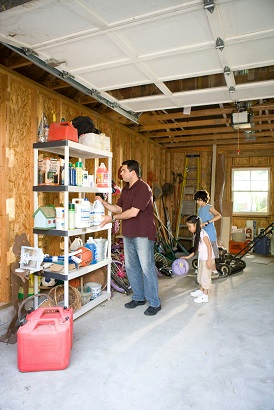
Introduction to Garage Organization
Having an garage organization is essential not only for functionality but also for safety and peace of mind. Many homeowners experience struggles with garage clutter, often finding their space overloaded with forgotten items, tools, and seasonal decorations. An unorganized garage can lead to frustration, as it becomes increasingly difficult to locate items when needed. However, tackling this challenge can transform your garage into a well-ordered environment. A garage serves multiple purposes; it can be a storage area, a workspace, or a place to house recreational equipment. Consequently, an efficient garage organization system is crucial to harness the full potential of this space. By effectively organizing your garage, you can significantly enhance its functionality, making it easier to access items and maintain a tidy workspace. Moreover, improving garage organization can directly contribute to safety. Clutter can create hazards, leading to trips and falls, while tools and equipment that are improperly stored can become dangerous. Implementing an effective organization strategy can minimize these risks, ensuring a safer environment for family members.
Furthermore, an organized garage promotes a stress-free atmosphere. Stepping into a cluttered space can cause feelings of anxiety and overwhelm, whereas a clean, orderly garage can provide a sense of calm. By investing time and effort into garage organization, homeowners can create a welcoming environment that enhances not only the aesthetics but also the overall enjoyment of home life.
The following sections will provide practical tips and strategies to effectively organize your garage, addressing common issues and offering solutions to help you reclaim your space.
Assessing Your Garage Space
The first step in effectively organizing your garage is a thorough assessment of the available space. This foundational process not only involves taking inventory of what is currently housed within your garage but also requires measuring the space to understand its potential better.
Begin by emptying the garage completely. This step allows you to start with a blank slate and will help you identify any existing damage or issues within the space itself, such as leaks or pest problems. Once the garage is empty, take a moment to clean the area. Removing dust and debris can give you a sense of the space and how it is utilized.
Next, take measurements of the entire garage area, including the height, width, and depth of shelves, cabinets, and other fixed items. This will provide a clear picture of your total usable space. Documenting these measurements can be helpful later when you decide on storage solutions and organizational tools.
Following the measurements, conduct a detailed inventory of the items you initially removed from the garage. Categorize these items into groups: keep, donate, and discard. Assess each item based on its utility and condition. Ask yourself questions like, “When was the last time I used this?” or “Is it worth keeping?” This evaluative process not only declutters your garage but also serves to establish a more organized environment, making it more functional for everyday use.
Finally, consider the needs of your household. Are there items that you use frequently or that may need to be more accessible? Keeping item usage in mind, plan for how to store the items effectively. This assessment phase will establish the groundwork for a successful garage organization project, making the subsequent steps much smoother and more manageable.
Decluttering: The First Step to Organization
Decluttering serves as the foundational step for efficiently organizing your garage. This process can be overwhelming, yet it is essential for creating a space that is both functional and tidy. The first strategy for effective decluttering is to categorize your items. Consider dividing your belongings into groups: tools, sports equipment, seasonal decorations, and miscellaneous items. Labeling boxes or bins can further streamline this process, allowing for easy identification and retrieval of items when needed.
When tackling large jobs, it is advisable to break the task down into manageable sections. Instead of attempting to declutter the entire garage in one go, focus on one area at a time, such as a shelf or a corner. This gradual approach not only prevents burnout but also provides a sense of accomplishment as you witness tangible progress in your efforts. Setting a timer can also be helpful; dedicating short bursts of concentrated decluttering time can make the process feel less daunting.
Managing sentimental items poses a unique challenge during decluttering. Items with emotional value can often lead to indecision and procrastination. To overcome these psychological barriers, it may be beneficial to establish clear criteria for keeping such items. Ask yourself whether the object serves a practical purpose, whether you have room for it, or if you have documented its memory with a photo. If you still find it difficult to part with sentimental belongings, consider limiting the space allotted to these items, ensuring you do not become overwhelmed with clutter.
Lastly, addressing procrastination is crucial for success in the decluttering process. Setting specific deadlines for each decluttering phase can instill a sense of urgency, motivating you to act. In addition, enlisting a friend or family member to assist can provide the necessary encouragement and accountability to push through any lingering reluctance to let go.
Creating Zones in Your Garage
Organizing your garage efficiently begins with the concept of zoning, which refers to the practice of designating specific areas for different purposes. This approach not only maximizes space but also enhances accessibility and efficiency. By creating distinct zones in your garage, you can ensure that every item has a dedicated home, thus minimizing clutter and streamlining your activities.
To start zoning your garage, first evaluate the types of items you currently have. Common categories include gardening tools, sports equipment, automotive supplies, and general storage. Once you identify these categories, allocate designated spaces for each. For example, you may want to allocate one section of the garage for gardening tools and supplies, ensuring that items like shovels, pots, and soil are all within the same reach. Similarly, create a zone for sports equipment to house everything from bicycles to football gear, allowing for quick access when needed.
It is essential to consider accessibility when designing your zones. Place frequently used items within easy reach and consider positioning heavy items at a lower level to reduce strain. Additionally, utilizing vertical space with shelving and hooks can further optimize your garage layout. For example, installing pegboards can allow for hanging tools and keeping them visible, while dedicated shelving units can store bins filled with seasonal items or outdoor gear.
By creating organized zones in your garage, you not only improve efficiency by making everything easier to find and access but also enhance safety by reducing clutter. A well-zoned garage allows you to utilize the space more effectively, ultimately leading to a more functional and enjoyable environment. Through thoughtful planning and consideration of your specific needs, you can transform your garage into a seamlessly organized area tailored to your lifestyle.
Storage Solutions: Maximizing Space
Efficient organization of garage space can significantly enhance functionality and accessibility. When considering storage solutions for your garage, a combination of shelving units, cabinets, and innovative products can prove beneficial in maximizing the space available.
One of the most effective solutions is the use of shelving units. These come in various styles and sizes, allowing you to customize your garage’s storage according to its dimensions and your specific needs. Metal shelving units are particularly durable and can hold heavier items such as tools and boxes. Meanwhile, adjustable shelving can accommodate items of varying heights, providing flexibility in your storage approach.
Cabinets are another key component of effective garage organization. Lockable cabinets not only help conceal clutter, creating a cleaner appearance, but they also ensure secure storage of hazardous materials. Opting for cabinets with drawers can further enhance organization by allowing for easy retrieval of small items such as screws, nails, and other components.
Utilizing vertical space is essential in maximizing storage efficiency. Ceiling storage racks offer an innovative way to make the most of your garage height, keeping seldom-used items off the ground and freeing up floor space. These overhead solutions are ideal for seasonal gear, such as holiday decorations or outdoor equipment.
Pegboards also provide adaptable storage options by allowing tools and equipment to be hung securely on the wall, making them easily visible and accessible. This system not only saves space but also encourages a systematic arrangement of items, preventing clutter.
In addition, consider incorporating specialized storage solutions designed specifically for garage use, such as tool organizers and modular storage bins. These products not only support the efficient organization but also help maintain a tidy garage environment.
Labeling and Inventory Management
Organizing a garage can be a daunting task, but the right labeling and inventory management strategies can simplify the process immensely. The importance of labeling storage bins cannot be overstated; clearly marked containers enable quick identification of their contents and facilitate efficient retrieval. By ensuring that every item has a designated space and is easily recognizable, you can avoid clutter and streamline your organization efforts.
When it comes to effective labeling, various strategies can be employed. One popular method is color coding. By assigning different colors to different categories of items, such as tools, gardening supplies, or seasonal decorations, you can quickly identify where particular items are located. Additionally, using large, clear fonts can improve visibility, especially in dimly lit garage spaces. For more detailed identification, consider using labels that include photos or illustrations of the contents inside the bins, which can be particularly helpful if multiple similar items are stored together.
Furthermore, maintaining an inventory system enhances the efficiency of your garage organization. Nowadays, technology offers several convenient options for inventory management. Numerous apps are designed specifically for tracking items in storage, allowing you to input the items as you organize them. Tools such as spreadsheets can also serve this purpose, giving you the flexibility to customize your inventory according to your needs. You can categorize items, track where each item is located, and even set reminders for when it is time to reconsider what you need to keep versus what you can donate or discard.
Incorporating both effective labeling and a structured inventory system will not only make finding items easier but will also help you maintain an organized garage over time. This structured approach can lead to increased efficiency in your everyday activities, ensuring that your garage remains a functional space rather than a chaotic storage area.
Safety Considerations in Garage Organization
Organizing a garage efficiently goes hand in hand with prioritizing safety. A well-structured storage solution not only enhances accessibility but also ensures the security of family members. To begin, proper tool storage is vital. Tools should be kept in designated areas, preferably in a tool chest or mounted on wall racks, to minimize the risk of accidents. Tools left scattered on the floor can create tripping hazards, making it essential to utilize shelves and cabinets. Additionally, sharp and heavy tools should be stored at an appropriate height, out of reach of children.
Another crucial aspect of garage organization is the management of hazardous materials. Common substances such as paint, pesticides, and automotive fluids can pose significant health risks if not stored correctly. It is recommended that these materials be secured in locked cabinets or placed on higher shelves, away from children and pets. Always ensure that containers are clearly labeled and check for expiration dates regularly. Never mix different chemicals, as this can lead to dangerous reactions. Additionally, maintain a list of hazardous materials, alongside safety data sheets (SDS), to provide necessary information in case of an emergency.
Fire safety is also an integral consideration in an organized garage. Adequate ventilation is essential, especially if flammable materials or chemicals are stored within. Consider keeping a fire extinguisher readily accessible and ensure smoke detectors are functioning properly in the vicinity. Maintain a clear and organized egress pathway in case of emergencies, making sure that exits are not obstructed by boxes or equipment. Regularly inspect the garage for potential fire hazards and address them immediately. By implementing these safety tips into your garage organization strategy, you create a secure and effective environment that enhances functionality while protecting the well-being of all family members.
Maintaining Your Organized Garage
Once you have successfully organized your garage, the next challenge is maintaining its tidy and functional state. Regular upkeep is crucial to prevent clutter from accumulating again. One effective strategy is to schedule a weekly or bi-weekly cleaning session dedicated to tidying up the garage. During these sessions, you can ensure that items are returned to their designated locations, making it easier to spot any new clutter that may arise.
In addition to regular cleaning, periodically re-assessing the organization of your garage is vital. Seasons change, as do our tool and storage needs. Consider revisiting your storage solutions every six months or whenever you notice the space becoming disorganized. Assess whether the current storage systems, such as shelving, bins, or hooks, are still serving their intended purpose. If not, modify them to better suit your current uses. By doing this, you’ll be better equipped to adapt to any new items or changes in how you use the garage.
Furthermore, developing new habits can significantly contribute to maintaining an organized garage. Introduce a “clean as you go” policy where every time you finish using a tool or item, you return it to its appropriate spot. This simple action can tremendously help in reducing clutter. For larger projects or seasonal clean-ups, involve family members or housemates to distribute the workload and foster collective ownership of the garage space.
Ultimately, maintaining an organized garage requires a combination of regular cleaning, periodic assessment, and the development of new habits. By incorporating these strategies, you can ensure that your garage remains functional, clutter-free, and ready for the tasks at hand.
Conclusion: The Benefits of an Organized Garage
In evaluating the process of garage organization, it is vital to acknowledge the substantial benefits that come from implementing an effective organizational system. A well-structured garage not only enhances accessibility to tools and equipment but also cultivates a sense of peace and control within one’s living environment. By adopting strategies for decluttering and systematic arrangement, homeowners can significantly increase the functional utility of this often-overlooked space.
One key benefit of an organized garage is the improvement in efficiency. When items are stored in designated places, retrieving them becomes quicker, which ultimately saves time during projects or daily activities. This newfound efficiency translates to a productive environment where tasks that normally require rummaging through disorganized piles can be accomplished with ease. Additionally, an organized garage can facilitate better planning for home maintenance and projects, as everything needed is readily available and visible.
Furthermore, an efficient organizational system can lead to enhanced safety measures. A garage replete with tools and equipment strewn about poses not only a risk of injury but also damages to the property. By organizing and utilizing storage solutions, such as shelving, cabinets, and hooks, one can maintain a safe workspace, reducing the likelihood of accidents. A decluttered garage also minimizes the risk of pest infestations, as stored items are less likely to attract unwanted critters.
Ultimately, organizing your garage can enhance not just the appearance of the space but also its overall functionality. This transformation fosters a productive atmosphere and allows individuals to derive greater satisfaction from their home environment. As you contemplate your organizing journey, remember the multitude of benefits that a well-organized garage can provide, inspiring you to take action and create a more efficient space.