
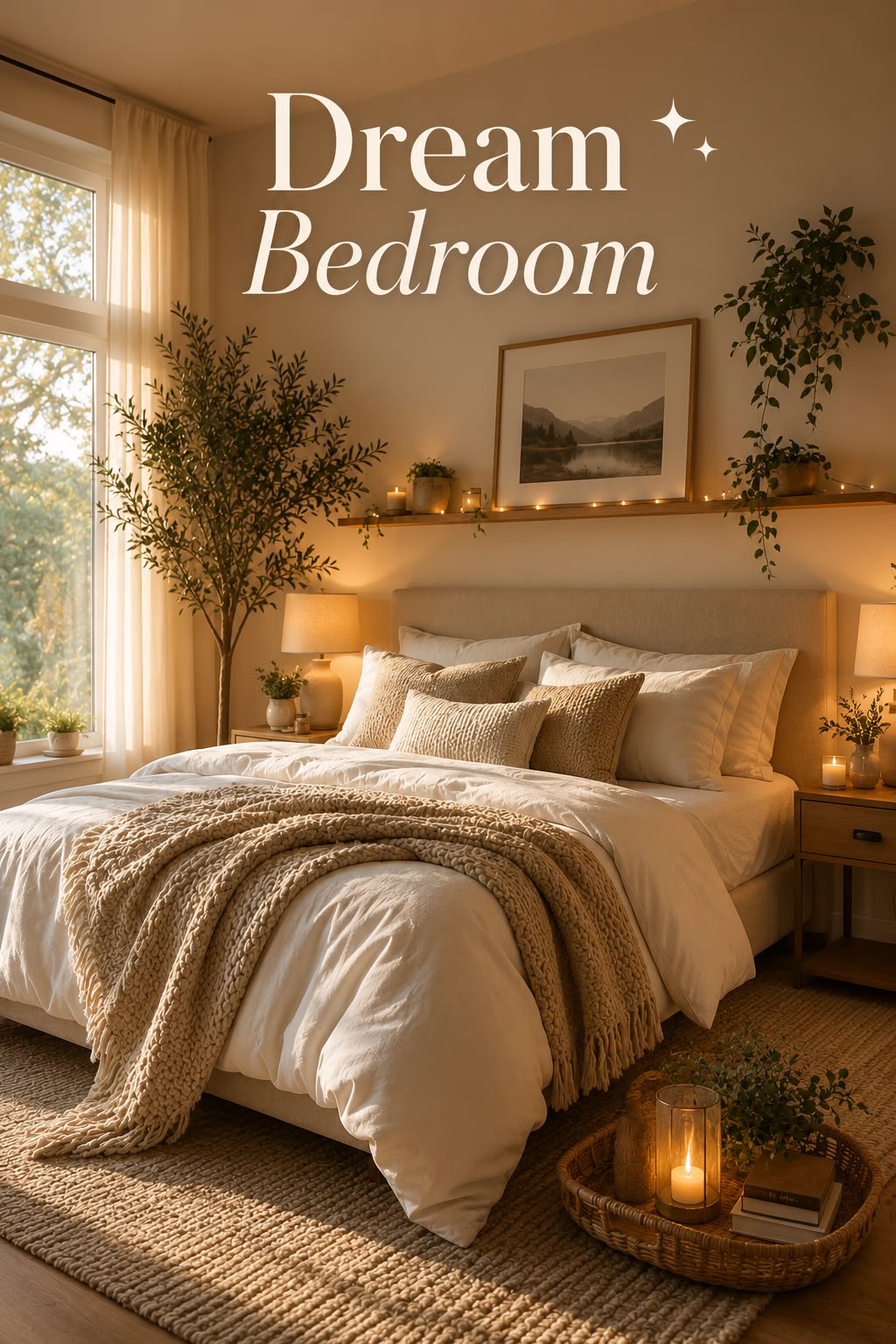
Introduction: The Importance of a Relaxing Bedroom
A relaxing bedroom is not merely a luxury; it is a sanctuary essential for enhancing both mental and physical well-being. The atmosphere within this personal space plays a critical role in influencing sleep quality, managing stress levels, and fostering an overall sense of tranquility. As the world becomes increasingly fast-paced and stressful, creating a bedroom environment that invites relaxation is more important than ever.
Quality sleep is foundational for good health, and the bedroom’s ambiance directly impacts this crucial function. A serene bedroom contributes to improved sleep hygiene, which includes reduced exposure to distractions such as noise and clutter, thus allowing the body to rest and rejuvenate. Research shows that individuals who sleep in calming environments tend to experience fewer disturbances, leading to deeper and more restorative sleep cycles. Consequently, better sleep fundamentally improves mood, cognitive function, and overall health.
Moreover, a calming space can significantly reduce stress levels. Upon entering a well-designed bedroom, one often encounters a sensation of relief and comfort. Elements such as soothing colors, soft textiles, and minimalistic decor can create a mental oasis, effectively reducing anxiety and promoting relaxation. By consciously designing this retreat, individuals can cultivate a proactive approach to mental wellness, reinforcing their ability to cope with daily challenges.
In today’s bustling society, where stressors are omnipresent, prioritizing the creation of a relaxing bedroom is paramount. By investing time and effort into transforming this space, not only will one promote better sleep quality, but also enhance daily emotional stability and resilience. Thus, understanding the importance of a peaceful bedroom serves as the first step toward cultivating an environment that nurtures well-being and tranquility.
Defining Your Style: Choosing a Design Theme
When creating a relaxing bedroom retreat, one of the foundational steps is selecting a design theme that truly resonates with your personal style. A well-chosen theme not only enhances the aesthetics of your space but also contributes significantly to the overall comfort and tranquility of your bedroom environment. Various design styles can serve as inspiration, including minimalist, bohemian, and modern farmhouse.
The minimalist style advocates for simplicity, focusing on clean lines and a clutter-free environment. This approach fosters a sense of calm and spaciousness, which is especially beneficial in a bedroom setting. Opt for neutral color palettes, functional furniture, and a few carefully selected accessories to maintain a serene atmosphere.
In contrast, the bohemian style embraces a more eclectic and vibrant aesthetic. This design theme focuses on rich colors, layered textiles, and an assortment of decorative items that tell a story. Achieving a bohemian look involves mixing different patterns and textures, allowing for a personalized space that radiates warmth and creativity. Incorporating plants and nature-inspired elements can further enhance the inviting vibe of a bohemian bedroom.
The modern farmhouse style combines the charm of country living with contemporary elegance. Characterized by features such as shiplap walls, rustic wooden accents, and neutral tones, this design promotes coziness and a welcoming atmosphere. Layering soft textiles, like fuzzy throws and plush pillows, along with vintage accessories can anchor the modern farmhouse theme effectively.
Ultimately, the key to curating a cohesive look is to integrate elements of your chosen design theme throughout your space. Select furniture, colors, and accessories that not only reflect your style but also complement one another. By carefully choosing a design theme for your bedroom, you can create a relaxing retreat tailored specifically to your tastes and preferences.
Color Palette: The Power of Color in Your Bedroom
Choosing the right color palette for your bedroom is paramount in creating a serene and tranquil environment. Colors profoundly influence mood and psychological well-being, making it essential to understand their effects when designing your personal retreat.
Soft blues and greens are often recommended for a calming atmosphere. These colors are reminiscent of nature, evoking feelings of tranquility and peace. For instance, a pale blue can mirror the sky, promoting a sense of openness and relaxation, while soft green shades can echo the soothing aspects of lush landscapes. Incorporating these hues as the primary colors in your bedroom walls or linens can significantly enhance your space’s soothing attributes.
Neutral tones also play a crucial role in establishing a calming bedroom. Shades like beige, taupe, and soft whites create a warm, inviting backdrop without overwhelming the senses. These colors provide a versatile canvas that can complement various accent colors, allowing for personalization without sacrificing tranquility.
When considering accent colors, you may opt for deeper shades such as navy or rich earthy tones. These can add depth and interest to the room. Using these tones sparingly can create focal points, such as in throw pillows, artwork, or decorative elements, without detracting from the overall serene aesthetic.
It is also beneficial to take into account the natural light and size of your room when selecting colors. Lighter shades can make a smaller room feel larger and more open, while darker colors may make a large space feel cozier. By thoughtfully selecting colors, you can create a harmonious space that not only reflects your style but also invites relaxation and rejuvenation.
Furniture Selection: Prioritizing Comfort and Functionality
When transforming your bedroom into a relaxing retreat, the selection of furniture plays a crucial role in achieving comfort and practicality. A well-furnished bedroom not only provides a place to sleep but also serves as a sanctuary for rest and rejuvenation. The key pieces to consider in your design include the bed, nightstands, and additional seating options.
The bed serves as the focal point of the room and should be chosen with utmost care. A high-quality mattress that suits your sleep preferences can significantly impact your overall comfort. Consider options such as memory foam, innerspring, or hybrid mattresses, ensuring they provide adequate support and align with your sleeping posture. The bed frame should complement the decor while offering ample support without overshadowing the room’s ambiance.
Nightstands are essential for keeping personal items within reach and adding to the bedroom’s functionality. Choose nightstands that are both aesthetically pleasing and practical. Ensure they are at a comfortable height for easy access during the night and have sufficient storage space for items like books, glasses, or charging devices. Opt for designs that harmonize with the overall bedroom theme, whether it be modern, traditional, or minimalist.
Additionally, incorporating other functional furniture can enhance the relaxing atmosphere of your bedroom. Consider a cozy reading chair or a small bench at the foot of the bed, which not only provides seating but also serves as a place to lay out clothes or scatter cushions. The selection should reflect your personal style while emphasizing comfort to create an inviting environment.
Ultimately, prioritizing comfort and functionality in your furniture selection will contribute to a serene bedroom retreat, fostering a peaceful space that promotes relaxation and rest.
Bedding and Textiles: Creating Layers of Comfort
Creating a relaxing bedroom retreat begins with the careful selection of bedding and textiles, as they play a vital role in establishing an atmosphere of comfort and tranquility. The materials chosen for these essential components can significantly influence one’s overall relaxation experience. Thus, it is important to consider various fabrics and textures when curating your perfect bedding ensemble.
The fabric of your sheets and duvet cover should prioritize softness and breathability, promoting a comfortable sleeping environment. Cotton and linen are excellent choices due to their natural properties. Cotton is not only hypoallergenic but also helps regulate temperature, ensuring a pleasant sleeping experience year-round. Linen, on the other hand, is known for its durability and unique texture that softens over time, adding a rustic charm to your bedroom.
In addition to selecting the right fabrics for sheets, incorporating different layers can enhance the sensory experience of your bedding. A well-layered bed typically consists of a mattress protector, a fitted sheet, a flat sheet, a comforter or duvet, and decorative pillows. Each layer serves a purpose while also contributing to the overall aesthetic. Consider adding a lightweight quilt or throw for those cooler nights, as well as textured decorative pillows to invite an element of warmth and style.
Textiles extend beyond bedding; they include curtains, throws, and rugs, which collectively create a cohesive look that promotes relaxation. Opt for soft, muted colors and gentle patterns that evoke calmness. The interplay of different textures provides a tactile experience that can significantly enhance comfort levels within your bedroom space.
By thoughtfully selecting your bedding and textiles, you not only foster a serene environment conducive to rest but also reflect your personal style. The strategic combination of fabrics and layers ensures that your bedroom retreat is a sanctuary where you can unwind and rejuvenate.
Lighting: Setting the Mood with the Right Illumination
Creating a tranquil bedroom retreat hinges significantly on the quality of lighting. An essential element of any well-designed space, proper lighting influences not only the aesthetic appeal but also the overall atmosphere of the room. To achieve this, a thoughtful combination of ambient, task, and accent lighting should be strategically employed.
Ambient lighting serves as the primary source of illumination and is crucial for setting the tone in a relaxing bedroom. Ceiling-mounted fixtures, like flush mounts or chandeliers, can provide broad, even lighting. However, to enhance the room’s tranquility, consider dimming options. Installing dimmer switches allows for adjustable brightness, enabling you to create a soothing environment perfect for winding down after a long day.
Task lighting is vital for specific activities such as reading or working. Bedside lamps with adjustable arms or table lamps provide direct light where it’s needed most. Select warm-toned bulbs to maintain a cozy ambiance. Additionally, consider wall sconces or floor lamps positioned strategically to avoid harsh overhead lighting that can disrupt relaxation.
Accent lighting can be used to draw attention to specific features of the bedroom, such as artwork or architectural details. LED strip lights can be an effective way to highlight these elements without overwhelming the space. This subtle layer of lighting adds depth and interest while contributing to the overall peaceful vibe.
Incorporating natural light is equally essential in a bedroom retreat. Positioning mirrors to reflect sunlight can amplify the natural light entering the room, making the space feel larger and more inviting. Additionally, utilize sheer curtains to filter daylight softly, allowing for privacy without sacrificing brightness.
Through the thoughtful integration of ambient, task, accent lighting, and natural light, a serene and relaxing environment can be achieved, enhancing the comfort of your personal retreat.
Decluttering: The Art of Simplifying Your Space
Creating a serene bedroom retreat begins with effective decluttering, which plays a pivotal role in establishing a tranquil environment conducive to relaxation and rest. A less cluttered space not only enhances the aesthetic appeal of your bedroom but also positively impacts your mental well-being. The process of decluttering involves evaluating the items that inhabit your space and determining their necessity and usefulness.
First, consider adopting the principles of minimalism, which emphasize owning fewer possessions and making intentional choices about what remains in your surroundings. Start by assessing each item; if it does not add value or joy to your life, it may be time to let it go. Effective decluttering can involve categorizing items into keep, donate, and discard sections. This practice not only simplifies the space but also contributes to a sense of accomplishment.
Moreover, organizing your belongings can greatly facilitate the maintenance of tidiness. Invest in storage solutions such as bins, baskets, or under-bed storage to optimize your space efficiently. Items that are utilized frequently should be easily accessible, while seasonal or less-used items can be stored out of sight. Enhancing the organization of your bedroom not only promotes a calmer atmosphere but also minimizes time spent searching for items, reducing frustration and fostering peace of mind.
To sustain the decluttered state of your bedroom, establish a routine that allows for regular reassessment of your belongings. Designate a specific time each month to evaluate your space, re-invigorating the decluttering process. By embracing these strategies, you can cultivate a peaceful and organized retreat where you feel rejuvenated and relaxed, reinforcing the importance of a simplified lifestyle.
Personal Touches: Infusing Your Personality into the Space
Creating a bedroom that reflects one’s personality is a vital aspect of transforming it into a relaxing retreat. Personal touches can significantly enhance the ambiance of the room, making it feel comfortable and distinctly yours. Integrating art, photographs, and cherished mementos can add depth and character, thus inviting a sense of belonging and tranquility.
One effective way to incorporate personal elements is through art. Consider displaying artwork that resonates with your emotions or aesthetic preferences. This could include framed prints, original paintings, or even your personal creations. Choose pieces that evoke positivity, ensuring they complement the overall color scheme and decor. A gallery wall can serve as a striking focal point, adding visual interest and character.
Photographs also serve as a wonderful medium for personalization. Curated images of family, friends, travel memories, or even favorite quotes can be displayed in stylish frames or albums. By arranging these photos thoughtfully, you create a unique narrative within your space, reminding you of cherished moments. A small shelf or a dedicated wall could be a great spot for a rotating selection of meaningful photographs.
Additionally, incorporating mementos from travels or significant life events can infuse your bedroom with unforgettable memories. These could be unique souvenirs, handmade crafts, or other decorative items. Position them strategically on shelves or as part of your bedside decor to maintain a clutter-free look. Remember to have a balance; overwhelming the space with too many items can detract from the intended serenity.
Ultimately, personal touches in the bedroom should reflect your individuality, enhancing relaxation while fostering a sense of home. By thoughtfully selecting and displaying art, photographs, and mementos, you can create a harmonious space that invites peace and joy, perfectly aligning with your personal essence.
Creating a Relaxing Routine: Transitioning into Night
Establishing a calming nightly routine is essential for promoting relaxation and signaling to your body that it is time to unwind and prepare for sleep. As the day winds down, creating an environment that fosters tranquility can dramatically improve your sleep quality. Begin by setting a specific time each evening to initiate your routine, which helps to regulate your body’s internal clock.
Engaging in calming activities such as reading can serve as a perfect way to ease into this transition. Choosing a book that is engaging yet not overly stimulating allows your mind to shift focus from daily stresses to reflective moments. Opt for genres that evoke calmness, such as fiction, poetry, or personal development. This shift creates a peaceful mindset conducive to sleep.
Another effective method to enhance your relaxation routine is through meditation or mindfulness practices. Taking a few moments to meditate can help you clear your mind and reduce anxiety, allowing any lingering thoughts from the day to dissipate. Whether through guided meditations, deep breathing exercises, or simple mindfulness practices, these techniques enable a smooth transition into relaxation.
In addition to reading and meditation, consider incorporating a gratitude practice into your nightly routine. Taking a moment to reflect on what you are thankful for fosters a positive mindset and encourages emotional well-being. Journaling about your day or listing three things you appreciated can promote a sense of closure and peace before sleep.
By weaving these calming activities into your nightly routine, you signal your body that it is time to relax and prepare for rest. This harmonious transition can lead to improved sleep and a more revitalized waking experience, allowing for an optimal bedroom retreat atmosphere.