
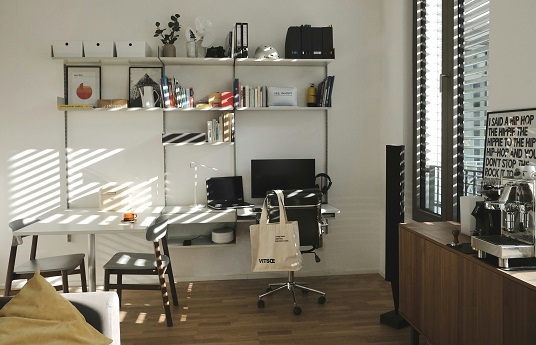
The rise in remote work has underscored the importance of having a dedicated home office design space. Establishing a functional and aesthetically pleasing work environment at home is no longer considered a luxury but a necessity for many professionals. A well-designed home office not only enhances productivity but also ensures a conducive atmosphere for concentrating on tasks without the usual home distractions. Having a designated office area offers numerous benefits that extend beyond mere aesthetics. A functional home office can significantly improve your comfort, as it enables you to create a personalized workspace that caters to your specific needs and preferences. This comfort plays a pivotal role in fostering a positive work experience, making it easier to engage with tasks and manage your daily workload efficiently.
Additionally, an organized home office contributes to improved work-life balance. By setting physical boundaries between your work and personal life, you can mentally separate your professional responsibilities from home-related activities. This separation is particularly crucial in maintaining focus during working hours and unwinding when the day is done, thus preventing burnout and enhancing overall well-being.
As we explore the best tips and strategies for designing a functional home office further in this blog post, it is essential to first understand the components that make an office space effective. We will delve into various aspects such as ergonomics, layout, and essential tools that not only optimize your work environment but also align with your personal style. With thoughtful consideration, your home office can evolve into a space that supports your professional aspirations and contributes to a balanced, productive lifestyle.
Assessing Your Space
Creating a functional home office involves a thorough assessment of the available space to ensure it meets your professional needs. First, take into account the size and layout of the room where you plan to set up your office. Consider whether it is a dedicated room or a multi-purpose area. A designated home office allows for a more streamlined design, while multi-purpose spaces require strategic planning to avoid interruptions.
Once you have identified the size of your space, focus on the layout. Think about where your desk will go and how it fits with the rest of the room’s functionality. Ideally, your work area should allow for easy movement and access to essential accessories like shelves and filing cabinets. Open layouts tend to foster an airy environment, promoting productivity, while smaller rooms require clever solutions, such as using vertical storage or foldable furniture to optimize the space.
Natural lighting is another crucial factor to consider when designing your office. Position your desk near windows to take advantage of natural light, which can enhance energy levels and reduce eye strain during long working hours. If your home office lacks sufficient natural light, consider using daylight-simulating bulbs to create an inviting atmosphere.
Additionally, evaluate the availability of electrical outlets; having the necessary outlets within easy reach will help eliminate the frustration of inadequate charging options for your devices. Distractions can severely impact productivity, so it is important to identify and mitigate any potential interruptions. Choose a location that minimizes noise and allows for focused work. For those with limited spaces, employing room dividers can help create a more enclosed working environment, isolating you from household distractions.
Choosing the Right Furniture
When designing a functional home office, the selection of furniture plays a critical role in promoting productivity and comfort. The right furniture can create a conducive work environment that enhances focus and efficiency. Essential items to consider include desks, chairs, and storage solutions, each designed to fulfill specific functional needs while ensuring comfort and support.
First and foremost, the desk serves as the focal point of any home office. Opt for a desk that provides ample surface area for your computer, documents, and other work essentials. A desk with adjustable height features can be particularly beneficial, allowing you to alternate between sitting and standing, which is known to reduce fatigue and promote better posture. Furthermore, incorporating a multi-purpose desk can maximize your available space, offering additional storage or organizational elements.
Equally important is the chair, as it directly affects your comfort and productivity levels. An ergonomic chair is highly recommended, as it is designed to support proper posture and help alleviate any strain on the back or neck during prolonged use. Look for chairs with adjustable seat height, lumbar support, and armrests to ensure a tailored fit for your body type.
Storage solutions are another significant aspect of designing a functional home office. Without adequate storage, a workspace can quickly become cluttered, hindering productivity. Consider employing a combination of shelves, filing cabinets, and drawers to keep your office organized. Multi-functional furniture, such as a desk with built-in storage or an ottoman that doubles as a storage unit, can help streamline the space while providing easy access to necessary materials.
In summary, selecting the right furniture for your home office involves considering ergonomic principles and functionality. By investing in quality desks, chairs, and storage solutions, you create an environment that not only enhances productivity but also promotes overall well-being during work hours.
Creating a Productive Layout
The layout of a home office plays a critical role in determining overall productivity and minimizing distractions. A well-planned space can significantly enhance workflow and provide an environment conducive to focus and creativity. When designing an efficient home office, it is essential to consider furniture arrangement and the allocation of space for various tasks.
One effective strategy is to position the desk in a way that takes advantage of natural light, as this not only fosters an inviting atmosphere but also reduces eye strain. Avoid placing the desk directly facing a wall, as this can create a sense of confinement. Instead, aim for a layout that allows for an open view of the room, perhaps placing it near a window or in a corner with a broader perspective. This approach can also help in maintaining a fresh perspective during moments of creative thought.
Additionally, creating distinct zones within the home office is vital. By designating specific areas for different activities, such as a work zone, a meeting space, and a creative brainstorming area, individuals can enhance their focus and seamlessly transition between tasks. For instance, a small table equipped with comfortable seating can serve as a collaborative space for virtual meetings, while a separate area with brainstorming materials like whiteboards or corkboards can inspire innovative thinking.
Furthermore, organization plays a key role in achieving an effective layout. Keeping supplies within reach and clutter minimized aids not only in maintaining efficiency but also in fostering a clear mindset. Utilize shelves, filing cabinets, and desktop organizers to create a structured environment. In sum, the thoughtful arrangement of furniture and equipment, along with the strategic creation of distinct zones, significantly contributes to a productive home office layout that enhances workflow and reduces distractions.
Incorporating Technology
In the evolution of home office design, technology plays an indispensable role in creating a functional workspace. Essential tech gadgets such as computers, monitors, and printers are the backbone of modern productivity. When selecting technology for your home office, consider the specifications that match your work requirements. For instance, if your tasks involve graphic design or video editing, investing in a high-resolution monitor and a powerful computer is vital.
Moreover, communication devices such as high-quality webcams and microphones can enhance remote interactions, making virtual meetings more seamless. From conference calls to collaborative projects, ensuring that your technology supports efficient communication is essential for remote work success. Additionally, consider integrating smart devices, such as voice assistants, which can help manage schedules and control other devices.
Aside from the selection of devices, cable management is an important aspect of incorporating technology into your home office. A cluttered desk can hinder productivity and create a stressful environment. One practical solution is to use cable organizers or cord trays to keep wires neatly bundled and out of sight. Furthermore, consider employing wireless technology whenever possible to minimize cable usage. Wireless printers and Bluetooth peripherals can contribute significantly to a tidier workspace.
Ensuring a reliable internet connection is also crucial. If your home office is situated far from your router, consider range extenders or a mesh Wi-Fi network to enhance connectivity. This can help prevent lagging during essential video calls or when accessing cloud-based work applications.
In summary, effectively incorporating technology into your home office involves careful selection of devices, smart cable management, and a reliable internet connection. Thoughtful integration not only enhances functionality but also creates a conducive environment for productivity.
Personalizing Your Space
Creating a functional home office goes beyond mere organization and ergonomics; it necessitates the infusion of personal touches that reflect your identity and inspire productivity. Personalizing your workspace plays a pivotal role in enhancing mood and creativity. By incorporating items that hold personal significance, you create an environment that feels both welcoming and motivating. For example, consider displaying photographs of loved ones, travel souvenirs, or handmade crafts that evoke positive memories. These touches can transform your office into a sanctuary of inspiration.
Artistic elements, such as prints of your favorite artwork or motivational quotes in visually appealing frames, further contribute to the ambiance of your workspace. These decorative aspects can spark joy and creativity, reminding you of your aspirations and interests. However, while personalizing your space, it is essential to maintain a sense of professionalism. This balance ensures that your office remains a conducive environment for focus and productivity, especially during virtual meetings or client interactions.
To achieve this equilibrium, consider the aesthetic of your office decor. Choose colors and styles that not only reflect your personality but also align with a professional setting. Simple, sophisticated accents can prevent the space from becoming cluttered or overly casual. Additionally, ensure that any personal items do not distract from the primary function of your workspace. A well-chosen desk plant, for example, can add a refreshing touch without overwhelming the professional aspect of your office. Thus, by striking the right balance between personal expression and a professional tone, you can cultivate a home office that is uniquely yours while also being conducive to work.
Color Schemes and Lighting
In the design of a functional home office, the choices of color schemes and lighting are essential elements that significantly impact productivity and overall well-being. Color can evoke certain moods and feelings, thus influencing creativity and focus. For example, hues such as blue and green are frequently recommended for home offices as they are known to promote calmness, concentration, and creativity. Conversely, shades of yellow can stimulate enthusiasm and energy. When selecting a color scheme, consider not only personal preferences but also how different colors may affect your work performance.
In addition to color, lighting plays a crucial role in creating an inviting workspace. There are three main types of lighting to consider: ambient, task, and accent lighting. Ambient lighting serves as the primary source of illumination, illuminating the entire space and providing a comfortable level of brightness. Natural light is the most beneficial ambient source; therefore, positioning your desk near a window can significantly enhance your working environment.
Task lighting, on the other hand, is specifically designed to assist with particular activities, such as reading or writing. Desk lamps with adjustable brightness help facilitate focused work tasks without straining the eyes. Finally, accent lighting can be used to add personality and depth to the office space, highlighting artwork or decorative elements that create an inspiring atmosphere. By combining these different types of lighting thoughtfully, you can create a well-lit workspace that fosters focus and minimizes distractions.
In conclusion, choosing the right color schemes and lighting is essential in crafting a home office that is not only functional but also enhances productivity. By selecting stimulating colors and incorporating appropriate lighting, you can create an inviting space that supports your work needs and fosters creativity.
Establishing a Routine
Creating a structured routine is fundamental in maximizing productivity within a home office environment. A well-defined workday not only helps in maintaining focus but also facilitates the effective management of time and energy levels. Without the boundaries typically set by a conventional office, it becomes crucial to design a clear framework for each day.
One effective method for structuring the workday is to establish consistent starting and ending times for your work hours. This practice cultivates discipline and signals to both yourself and those around you that you are engaged in work. Along with a fixed schedule, incorporating specific tasks or goals for each segment of the day can help to maintain momentum and provide a sense of accomplishment as you progress.
In addition to setting a routine, it is equally essential to incorporate regular breaks into your work schedule. Utilizing techniques such as the Pomodoro Technique, where you work for 25 minutes followed by a 5-minute break, can prevent burnout and enhance overall productivity. During these breaks, it is advisable to step away from the workspace, which allows your mind to refresh and prepares you to tackle the next task with renewed focus.
Lastly, to sustain motivation throughout the day, consider establishing personal rituals or habits. Starting each workday with a brief review of what you aim to accomplish can reinforce your focus, while an ending ritual can help to mark the transition from work to personal time. These practices not only enhance productivity but also contribute to a balanced work-life dynamic.
Maintaining Work-Life Balance
As the lines between professional and personal life blur in a home office setting, maintaining a healthy work-life balance becomes essential for overall well-being and productivity. To achieve this balance, establishing clear boundaries is imperative. Setting specific work hours helps signal when it is time to focus on work and when personal time begins. This allows for a structured routine that can reduce the feeling of being perpetually ‘on’ when working from home.
Reducing distractions is another critical aspect of maintaining this balance. Identifying common distractions, such as social media or household chores, and finding ways to minimize them can significantly enhance focus and efficiency during working hours. Consider using time management techniques, such as the Pomodoro Technique, where work is performed in focused bursts with scheduled breaks. This method not only boosts productivity but also increases the likelihood of disengaging from work when it is time to stop.
Transitioning between work and leisure is another vital step towards achieving a functional home office. Creating a physical or psychological boundary can serve as a signal for this transition. For instance, designating a specific area in your home exclusively for work can help you mentally separate your professional life from your personal life. Additionally, engaging in a routine activity—such as a short walk, meditation, or a change of clothing—can signal the end of the workday and the start of personal time.
Ultimately, maintaining work-life balance in a home office requires intentional effort. By establishing boundaries, managing distractions, and creating clear transitions between work and leisure, individuals can foster a healthier work environment that supports both productivity and personal satisfaction. A well-implemented strategy will lead to improved focus during work hours and enhanced relaxation during personal time, thereby promoting a harmonious work-life dynamic.