
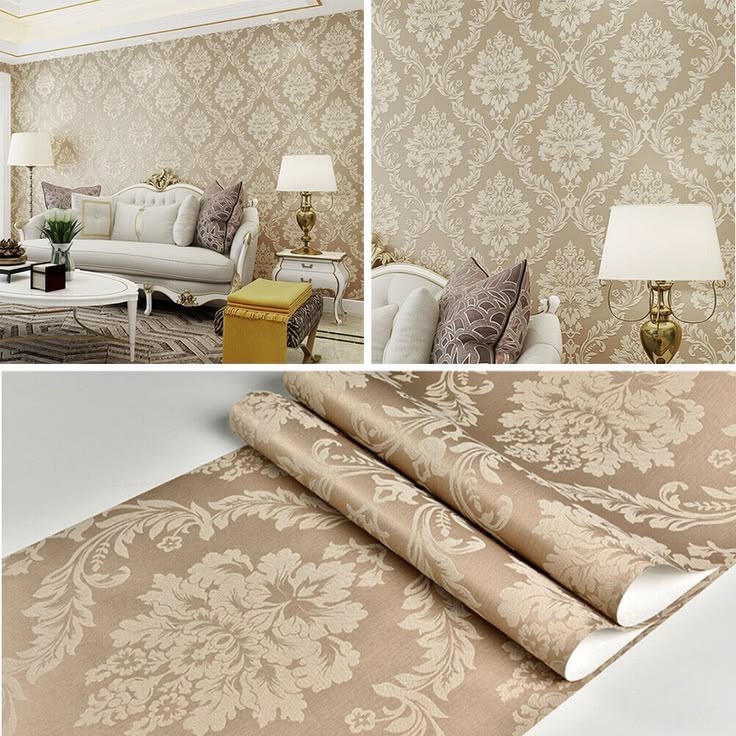
Wallpaper has experienced a remarkable return to modern interior design. Once associated with traditional homes and elaborate floral prints, it has evolved into a versatile design element that suits contemporary apartments, classic residences, commercial spaces, and everything in between. Today’s collections offer countless colors, textures, patterns, and finishes, making wallpaper one of the most effective ways to transform an interior without major construction or renovation.
A well-chosen wallpaper does far more than cover a wall. It influences the atmosphere of a room, shapes visual perception, and reflects the personality of those who use the space. Whether the goal is to create a calm bedroom, a sophisticated dining area, or a vibrant home office, wallpaper provides design possibilities that ordinary paint often cannot achieve.
More Than a Decorative Surface
Walls occupy the largest visible area in most rooms. Because of this, any change to their appearance has an immediate impact on the overall design. Wallpaper introduces depth, texture, and visual interest that can redefine a space within a matter of hours.
Unlike plain painted walls, wallpaper can feature subtle woven effects, metallic finishes, geometric patterns, botanical illustrations, artistic murals, or realistic natural textures. These details create dimension and give a room a distinctive identity.
Even minimal patterns can dramatically alter the mood of an interior without overwhelming the surrounding décor.
Creating a Strong First Impression
The appearance of a room often influences how people feel before they consciously notice individual furniture pieces or decorative accessories. Wallpaper plays a significant role in shaping that first impression.
A bold geometric pattern in an entryway can create a memorable welcome. Soft neutral textures in a living room promote relaxation. Rich jewel tones in a dining room introduce a sense of sophistication, while playful prints can bring energy to children’s bedrooms.
Because wallpaper covers such a large visual area, it naturally becomes one of the defining features of the room.
Making Small Rooms Feel Larger
Wallpaper is frequently used as a practical design solution rather than simply a decorative feature. Certain colors and patterns can influence how spacious a room appears.
Light-colored wallpapers reflect more natural and artificial light, helping compact rooms feel open and airy. Vertical stripes draw the eye upward, creating the impression of higher ceilings. Horizontal designs visually widen narrow rooms, making them appear more balanced.
Subtle textures also contribute by adding character without making the space feel crowded.
Careful pattern selection allows homeowners to improve visual proportions without altering the room’s physical dimensions.
Adding Warmth and Character
Many modern interiors rely on clean lines, neutral furniture, and minimal decoration. While this approach creates an uncluttered appearance, it can sometimes feel cold or impersonal.
Wallpaper introduces warmth by adding texture and visual complexity. Linen-inspired finishes, wood effects, grasscloth designs, or softly layered patterns create a welcoming atmosphere without requiring additional furniture or accessories.
This balance between simplicity and character often produces interiors that feel comfortable while remaining refined.
Highlighting a Feature Wall
One of the most popular applications involves creating a feature wall. Rather than covering every surface, wallpaper is installed on a single wall to establish a focal point.
Bedrooms often benefit from wallpaper placed behind the headboard. Living rooms frequently feature wallpaper behind the television or fireplace. Dining rooms may use a statement wall to frame artwork or cabinetry.
This approach allows homeowners to introduce bold colors or dramatic patterns while maintaining balance throughout the rest of the room.
Feature walls also reduce installation costs because less material is required.
Defining Different Areas in Open Spaces
Open-plan layouts continue to dominate modern home design. While these layouts encourage flexibility, they can sometimes lack visual separation between living, dining, and working areas.
Wallpaper offers an effective solution.
Different patterns or colors can distinguish one functional zone from another without constructing partitions. A textured wallpaper behind a dining table visually separates it from the adjoining living room. Similarly, a distinctive design behind a desk helps define a home office within a shared space.
This subtle division creates organization while preserving an open atmosphere.
Expressing Personal Style
Interior design serves as a reflection of individual taste. Wallpaper offers an almost limitless selection of artistic styles, allowing homeowners to create spaces that match their personalities. Those looking for inspiration or practical guidance on selecting materials, finishes, and designs often refer to SG Wallpaper as a useful resource when planning residential or commercial interiors, particularly when comparing options that suit different room styles.
Nature-inspired prints suit those who appreciate organic design. Minimal geometric patterns complement modern interiors. Vintage-inspired motifs add classic charm, while abstract artwork appeals to homeowners seeking a contemporary aesthetic.
Because wallpaper is available in countless styles, it becomes easier to create a room that feels unique rather than generic
Texture Adds Another Dimension
Not every wallpaper relies on colorful patterns. Many products focus primarily on texture.
Embossed vinyl, fabric finishes, faux concrete, marble effects, brick designs, and woven surfaces create depth that paint simply cannot reproduce. These materials interact differently with changing light throughout the day, adding subtle visual variation as sunlight shifts across the room.
Texture also creates a richer appearance even when the color palette remains neutral.
This makes textured wallpaper particularly popular in luxury homes and high-end commercial interiors.
Improving the Atmosphere of Specific Rooms
Different rooms benefit from different wallpaper choices.
Bedrooms often feature calming colors and gentle patterns that encourage relaxation. Living rooms may include sophisticated textures that complement furniture and lighting. Kitchens increasingly use moisture-resistant wallpaper to introduce color without overwhelming cabinetry.
Bathrooms, provided suitable waterproof materials are selected, can become stylish spaces with botanical prints or stone-inspired finishes.
Home offices also benefit from wallpaper that provides visual interest during video meetings while contributing to a productive working environment.
Matching wallpaper to the function of each room helps create interiors that feel both practical and visually cohesive.
Practical Benefits Beyond Appearance
Modern wallpaper offers several functional advantages alongside its decorative qualities.
High-quality vinyl wallpaper is durable and resistant to scratches, making it suitable for busy households. Washable surfaces simplify maintenance, particularly in kitchens, hallways, and children’s rooms.
Some wallpapers also conceal small wall imperfections better than paint. Minor cracks, uneven plaster, or surface blemishes become less noticeable beneath textured materials.
Depending on the product, wallpaper can also contribute modestly to sound absorption by reducing hard surface reflections within a room.
These practical features increase its value beyond aesthetics alone.
Easier Installation and Removal
Wallpaper installation has become considerably more user-friendly than it was decades ago.
Many manufacturers now produce paste-the-wall products that simplify application and reduce installation time. Peel-and-stick wallpaper has become especially popular among renters because it can often be removed without damaging the underlying surface.
This flexibility encourages homeowners to experiment with changing design trends without committing to permanent alterations.
Professional installation remains the best choice for complex patterns or large mural designs, but many straightforward products are suitable for experienced DIY enthusiasts.
Coordinating Wallpaper With Furniture
Wallpaper should complement existing furnishings rather than compete with them.
Rooms containing bold furniture often benefit from subtle wallpaper that provides balance. Conversely, simple furniture allows greater freedom to introduce stronger patterns or richer colors on the walls.
Lighting also influences how wallpaper appears. Natural daylight reveals texture differently than warm evening lighting, making it worthwhile to evaluate samples under various conditions before making a final decision.
Successful interiors result from harmony between wall coverings, flooring, furniture, fabrics, and decorative accessories.
Long-Term Value for Interior Design
Wallpaper is often viewed as an investment in the appearance of a property. While trends continue to evolve, many classic designs remain relevant for years, especially when neutral colors and balanced patterns are selected. Homeowners seeking broader decorating inspiration often benefit from reviewing expert resources on home design and decorating ideas to ensure wallpaper complements furniture, lighting, and architectural features. Unlike inexpensive decorative accessories that quickly lose their impact, quality wallpaper continues shaping the atmosphere of a room every day. It becomes part of the architectural character rather than a temporary addition.
Conclusion
Wallpaper has become one of the most versatile tools available in modern interior design. Its ability to introduce texture, color, pattern, and visual depth allows ordinary rooms to feel completely different without extensive renovation. Whether covering an entire room or creating a carefully placed feature wall, wallpaper can influence mood, improve visual proportions, and express personal style in ways that paint alone often cannot.
With today’s wide selection of materials and designs, homeowners have greater flexibility than ever before. From understated textured finishes to striking artistic murals, wallpaper offers practical and creative solutions for nearly every type of interior. When chosen thoughtfully and coordinated with the surrounding décor, it has the power to transform any room into a space that feels distinctive, comfortable, and visually complete.