
Living along the Colorado Front Range comes with unique indoor air quality challenges. Dust, dry conditions, and seasonal wildfire smoke quickly collect inside heating and cooling systems, clogging ductwork with dander, pollen, and debris.
Over time, this buildup restricts airflow and pollutes your indoor air. Hiring a certified air duct cleaning contractor colorado springs ensures your system is thoroughly inspected, cleared of buildup, and restored for a healthier, more energy-efficient home.
The Front Range Environment and HVAC System Contamination
The semi-arid climate of El Paso County, combined with high elevation and persistent winds, introduces substantial airborne particulate matter into residential homes. Even tightly sealed modern homes pull ambient dust through intake vents during routine operation.
Several localized factors accelerate debris accumulation inside home ductwork:
- Regional Dust and Soil Composition: The dry soil surrounding regional residential developments breaks down into fine dust particles, which settle quickly inside lower-level ductwork and cold-air returns.
- Wildfire Smoke and Fine Particulates: Seasonal smoke events deposit microscopic ash and soot residues into central air handlers, coating the interior walls of metal and fiberglass duct runs.
- Seasonal Pollen and Allergens: Elevated spring and summer counts for ragweed, pine, and grass pollens allow allergens to enter home circulation, settling in moisture-prone HVAC zones.
- Renovation Debris: Fine construction debris, such as drywall dust, saw dust, and floor-sanding residue, easily bypasses standard air filters during home remodeling projects.
When these contaminants accumulate over several years, they create an abrasive layer that restricts airflow, forces system blowers to work harder, and circulates particulate matter throughout living areas every time the thermostat activates heating or cooling cycles.
Technical Standards: How Professional Ventilation Cleaning Works
Professional duct cleaning requires specialized, high-powered equipment following National Air Duct Cleaners Association (NADCA) standards:
- Inspection & Containment: Technicians inspect vents and air handlers, then seal the system to keep dust from escaping into living spaces.
- Negative Air Pressure: A high-powered HEPA vacuum attaches to the main trunk line, creating continuous suction to pull debris out.
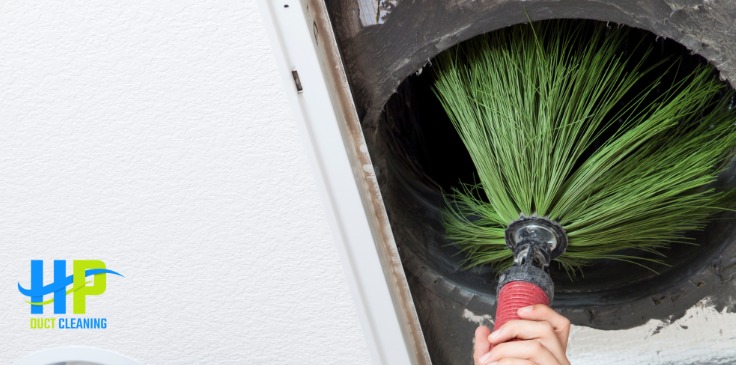
- Agitation: Air whips, rods, and brushes scrub the inside of each duct branch, loosening stuck dust, dander, and soot into the vacuum stream.
- Component Cleaning & Sealing: Key parts like blower wheels and evaporator coils are cleaned, and access panels are securely resealed.
Key Benefits of Professional HVAC Duct Maintenance
Maintaining clean ventilation infrastructure offers measurable functional advantages for residential properties:
| Benefit Category | Impact of Clean Air Ducts | Resulting Home Efficiency |
| System Longevity | Removes abrasive dust from moving mechanical parts (blower motor, heat exchanger). | Extends overall HVAC equipment lifespan and reduces unexpected repair costs. |
| Energy Consumption | Restores designed static pressure and unobstructed volumetric airflow. | Reduces energy usage by allowing systems to reach target temperatures faster. |
| Indoor Air Quality | Eliminates stored allergens, volatile particulate matter, and pet dander. | Reduces airborne irritants for residents with asthma, allergies, or respiratory sensitivity. |
| Odor Reduction | Clears trapped odors caused by pet dander, cooking oils, and stale moisture buildup. | Restores fresh, neutral scenting throughout supply vent distribution runs. |
Evaluating Local Contractors: Selection Criteria
Hiring a reliable air duct cleaning contractor colorado springs requires verifying technical credentials and ensuring transparent service methodologies.
Avoid flat-rate “blow-and-go” services that offer unnaturally low rates, as these operators often use low-powered consumer equipment that fails to clean main plenum lines effectively.
When selecting a specialized service provider, verify the following:
- Industry Certifications: Confirm active membership or certification through NADCA or the Indoor Air Quality Association (IAQA), ensuring technicians adhere to ACR standards.
- Transparent Pricing: Demand upfront quotes based on total square footage or vent count rather than arbitrary base fees that inflate upon technician arrival.
- Comprehensive Inspection Practices: Professional teams routinely provide before-and-after video or photo verification of internal trunk lines to confirm successful debris removal.
- HEPA-Filtered Equipment: Ensure all vacuum units utilize certified HEPA filtration systems to prevent microscopic dust from recirculating inside living spaces during service.
Frequently Asked Questions
What is the recommended duct cleaning frequency for Colorado homes?
A 3- to 5-year cleaning cycle is ideal for most households. However, schedule service every 2 to 3 years if you have indoor pets, family members with allergies or asthma, or have recently completed home renovations, as these significantly increase dust and debris buildup.
What is the typical service duration for residential air duct cleaning?
A thorough cleaning typically takes 3 to 5 hours for a standard single-family home. The exact duration depends on your home’s square footage, the number of HVAC units and vents, and how easily technicians can access the main trunk lines.
Will air duct cleaning help lower monthly energy bills?
Yes. Dust accumulation on blower fans, coils, and inside ducts forces your HVAC system to work harder to push air. Clearing these blockages restores full airflow and system efficiency, reducing energy consumption and lowering monthly utility costs.