
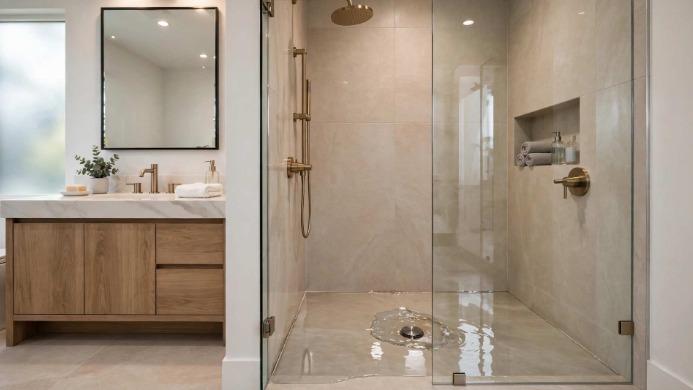
A beautiful bathroom should be easy to use, simple to clean, and built to last. However, small renovation mistakes can lead to leaks, mold, damaged floors, and costly repairs later. Planning a bathroom remodel in Palo Alto requires more than choosing tiles and new fixtures.
The Kitchen and Bath Company of Palo Alto can be a starting point for homeowners looking to improve their bathrooms while keeping long-term maintenance in mind.
Poor waterproofing, weak ventilation, incorrect floor slopes, low-quality materials, hidden plumbing issues, poor layouts, and a lack of storage can all create problems over time. Understanding these mistakes before work begins can help you protect your home, save money, and enjoy a bathroom that stays in good shape for years.
8 Bathroom Remodeling Mistakes That Cause Long-Term Problems
Several common mistakes can affect how well a bathroom works after the renovation is complete. Some problems appear within months, while others stay hidden until they cause serious damage.
Knowing what to check during the planning and building stages can help you avoid extra repair costs. From choosing the wrong materials to overlooking small details, each decision matters when creating a bathroom that can handle daily use.
1. Skipping Proper Waterproofing
Waterproofing is one of the most important parts of any bathroom renovation. Water can pass through small gaps around showers, tubs, and floor edges, even when the tiles look perfect.
Over time, moisture can damage walls, weaken wood, and lead to mold growth. These issues may remain hidden until stains, peeling paint, or soft surfaces appear. A strong waterproof layer should be installed in wet areas before tiles are fitted.
Shower walls, floors, corners, and joints need special care. Use products made for bathroom use and make sure the installer follows the product instructions. Proper waterproofing may cost more at first, but it can prevent major repairs later.
2. Choosing Materials That Cannot Handle Moisture
Not every building material is suitable for a bathroom. Some wood products can swell when exposed to water, while certain paints may peel in damp conditions.
Cheap metal fittings can rust, and low-quality sealants may crack or lose their grip over time. These problems can make a new bathroom look old much sooner than expected.
Choose materials based on where they will be used. Porcelain and ceramic tiles are common choices for bathroom floors and walls because they are easy to clean and handle regular moisture when installed correctly.
Use moisture-resistant paint, suitable wall panels, and bathroom-grade cabinets. Ask about the care needs of each material before buying it.
3. Installing Poor Ventilation
Bathrooms produce moisture every time someone takes a shower or bath. Without enough airflow, damp air stays inside and settles on walls, ceilings, mirrors, and cabinets.
This can lead to mold, musty smells, peeling paint, and damage to wood surfaces. Opening a window can help, but it may not provide enough airflow in every bathroom.
A properly sized exhaust fan helps remove moist air from the room. It should be installed in a suitable location and vented outdoors according to local building rules.
Clean the fan regularly to prevent dust from blocking airflow. If you notice that mirrors stay foggy for a long time or the ceiling often feels damp, the ventilation system may need attention.
4. Getting the Shower Floor Slope Wrong
A shower floor must guide water toward the drain. If the slope is too flat or points in the wrong direction, water may collect in corners or near the shower entrance.
Standing water can leave stains, damage grout, and increase the chance of mold. It can also make the floor slippery and harder to keep clean.
Before the tiles are installed, the contractor should check the floor slope and drain position. The finished surface should allow water to flow away without leaving large puddles.
The drain and waterproof layer must work together to keep water from reaching the structure below. Testing the shower before the project is finished can help catch drainage problems early.
5. Using Poor-Quality Grout and Sealant
Grout fills the spaces between tiles, while sealant closes joints where different surfaces meet. Both help protect a bathroom from moisture, dirt, and daily wear.
When the wrong products are used, or they are applied badly, cracks and gaps may form. Water can then enter areas that are difficult to inspect or repair.
Choose grout that suits the tile type and the area where it will be installed. Some bathrooms may benefit from a suitable stain-resistant grout, but no grout removes the need for proper waterproofing.
Use flexible sealant at joints that may move, such as where a tub meets a wall. Check these areas from time to time and replace damaged sealant before water gets behind the surface.
6. Ignoring Hidden Plumbing Problems
Replacing sinks, showers, and toilets without checking the pipes can leave older problems in place. Worn pipes, loose connections, blocked drains, and damaged valves may continue to cause trouble after the new fixtures are fitted.
A small leak behind a cabinet or inside a wall can slowly damage nearby materials before anyone notices it. Have the plumbing checked before closing walls or covering floors. A professional can look for signs of leaks, corrosion, poor water flow, and worn connections.
Replace damaged parts while the area is still open, rather than waiting until the new finishes need to be removed. It is also wise to make sure shut-off valves are easy to reach in an emergency.
7. Choosing the Wrong Bathroom Layout
A bathroom can look attractive in a showroom but feel uncomfortable when used every day. A toilet placed too close to a vanity, a shower door that hits another fixture, or a narrow path can make the room hard to use.
Poor planning may also make cleaning more difficult and leave little room for future repairs. Measure the space carefully before moving plumbing or ordering fixtures. Leave enough room to open doors, reach taps, and move safely around wet areas.
Think about who will use the bathroom and what they need each day. A well-planned layout should balance comfort, easy cleaning, storage, and access to pipes and other parts that may need service.
How to Avoid These Bathroom Remodeling Mistakes
Avoiding repair problems starts with a clear plan and the right people for the job. Before work begins, review the layout, materials, waterproofing method, plumbing needs, and ventilation plan. Ask your contractor how they’ll install each part and what checks they’ll complete before closing the walls and floors.
Discuss your needs, the condition of the existing bathroom, and the features you want to add. A clear plan helps you understand the work involved before making final choices.
It is also helpful to set aside money for unexpected repairs. Older bathrooms may have hidden damage that only becomes clear after the existing tiles, cabinets, or fixtures are removed. Fixing these issues during the renovation is often easier than dealing with them after the new surfaces are installed.
Final Thoughts
A bathroom renovation should improve your home without creating new repair problems. Skipping waterproofing, using unsuitable materials, poor ventilation, incorrect floor slopes, weak grout and sealant, ignored plumbing issues, a poor layout, and limited storage can all lead to trouble over time. Careful planning and proper installation can help prevent these issues before they become expensive.
When planning a bathroom remodel, focus on long-term use rather than looks alone. Choose materials that suit damp spaces, check the plumbing, plan for good airflow, and make sure water drains correctly. With the right choices and regular care, your bathroom can remain clean, comfortable, and reliable for many years.