
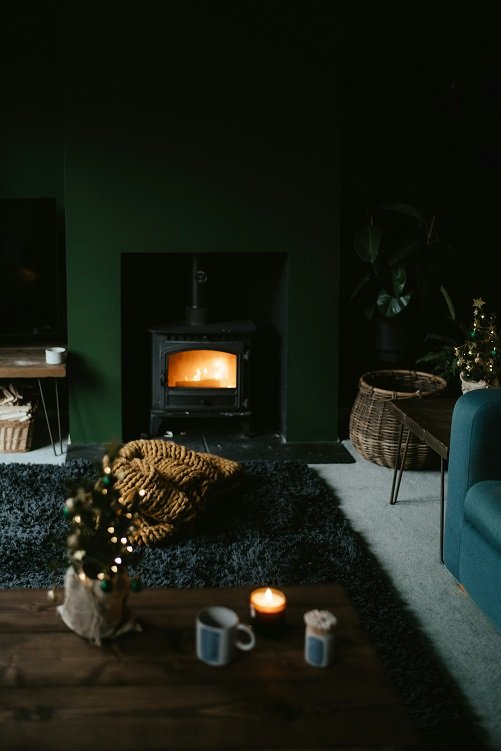
In interior warmth design, the concept of warmth encompasses a range of elements that contribute to the overall atmosphere of a space. Physical warmth typically refers to temperature and comfort levels within a room, while visual warmth pertains to the aesthetic qualities that evoke a sense of coziness and welcoming vibes. The interplay between these dimensions is essential in crafting an environment that feels both inviting and functional.
Physical warmth is often achieved through the strategic use of lighting, textiles, and heating solutions. Soft, ambient lighting creates a relaxing atmosphere, while the inclusion of plush fabrics such as wool, flannel, and cotton can enhance comfort. Additionally, efficient heating mechanisms not only provide warmth but also add to the sense of relaxation and security, crucial for a well-designed home.
On the other hand, visual interior warmth is generated through the careful selection of colors, textures, and materials. Warm colors such as muted reds, oranges, and yellows can elicit feelings of happiness and contentment, making spaces feel more intimate. Textures play a vital role too; incorporating materials like wood, soft furnishings, and natural fibers can add depth and interest, creating a happier and inviting ambiance.
The psychological impact of a warm space is significant, affecting both inhabitants and visitors. A warm interior fosters feelings of safety, prompting relaxation and comfort for the individuals who inhabit it. This emotional response is vital in creating spaces that support well-being and social interaction.
Nevertheless, achieving the right balance between warmth and functionality is imperative. While a warm environment can enhance livability, a space must also serve practical purposes. Striking a harmony between these aspects ensures a home is not only aesthetically pleasing but also operationally efficient, catering to the varying needs of its occupants.
Color Palettes That Invite Warmth
The role of color in establishing a warm atmosphere within a home cannot be overstated. Certain colors naturally evoke feelings of coziness, tranquility, and comfort. Earth tones, soft neutrals, and rich hues such as deep reds, oranges, and warm yellows are particularly effective in creating an inviting ambiance. These shades mimic the comforting tones found in nature, thus fostering a sense of peace and belonging.
When selecting the right color palette for different rooms, consider the activities that will take place in those spaces. For example, living rooms often benefit from the warmth of rust, terracotta, or soft beige, which encourages relaxation and socialization. In bedrooms, gentle tones like pale blues or muted greens can evoke serenity, while keeping the palette inviting with accents of soft lavender or buttery yellow.
Mixing and matching colors should be approached with an eye for balance. A good rule of thumb is to use a dominant color complemented by one or two accent shades. For warmth, pair an earth tone like olive green with accents of warm white and caramel. This combination not only enhances the warmth of the room but maintains aesthetic harmony. Similarly, layering textures through different materials—such as a cozy knitted throw on a warm-hued couch—can enrich the color scheme further.
To achieve maximum warmth in your interiors, always consider the lighting, as it will affect how colors are perceived. For example, a warm light bulb can enhance the inviting quality of your chosen hues. Through careful selection and combination of color palettes, a home can transform into a sanctuary of warmth and comfort.
Incorporating Textures and Layers
In designing a warm and inviting home interior warmth, texture plays a crucial role in enhancing the overall aesthetic. A variety of materials can introduce tactile warmth, such as wood, textiles, and ceramics, each contributing its unique character to the space. Wood, for instance, adds an organic feel to a room, whether through furniture, flooring, or decorative elements. The rich grains and warm tones of wood not only provide visual interest but also create an inviting atmosphere.
Textiles are another essential component when discussing warmth in home interiors. From plush rugs underfoot to soft curtains framing windows, the introduction of various textiles fosters a sense of comfort. Cushions and throws, available in a myriad of colors and patterns, can be layered on sofas and beds, instantly elevating the coziness of the space. The juxtaposition of different fabric types, such as combining linen with velvet or cotton with wool, can create dynamic visual layers that enhance the warmth of the environment.
Ceramics also contribute to a warm atmosphere, with their earthy tones and natural textures. Incorporating ceramic vases, pottery, or decorative bowls can add a handcrafted and personal touch to your decor. Placing these items thoughtfully around the room will enhance the tactile experience and encourage a more relaxed ambiance.
Layering these elements effectively is key to achieving a homely feel. For instance, start with a foundational rug, then add a variety of cushions, and finish with a throw draped over a seating area. When accessorizing, aim for balance by mixing textures and patterns that complement one another while also introducing warmth to your home. This careful consideration of textures and layers will ensure that your interior not only looks aesthetically pleasing but also feels inviting and warm.
Lighting for a Warm Interior
Lighting plays a pivotal role in establishing warmth within a home environment. It can dramatically influence the mood of a space, making it feel more inviting and cozy. Three primary types of lighting contribute to the overall interior warmth of an interior: ambient, task, and accent lighting. Each type serves a unique purpose, and when used strategically, they can transform any room.
Ambient lighting, often referred to as general lighting, creates an overall illumination that allows for comfortable visibility. To achieve a warm atmosphere, consider utilizing warm-tone light bulbs, which emit a gentle, yellowish hue. These bulbs simulate the natural glow of sunlight, effectively mimicking the warmth found in nature. Installing dimmer switches can further enhance this effect by allowing you to adjust the brightness according to the time of day or the specific mood you wish to create.
Task lighting, which is designated for specific activities like reading or cooking, also contributes to overall warmth. Table lamps with soft shades or under-cabinet lighting in the kitchen can help create a homely feel while providing focused brightness where needed. Placing these sources of lighting in areas associated with relaxation, such as beside a favorite chair or at the kitchen island, can enhance the warmth and comfort of the space.
Accent lighting brings attention to particular features in your home, such as artwork or architectural details. Utilizing warm-toned fixtures, like wall sconces or spotlights, can create pockets of cozy illumination. Strategic positioning of these lights, such as highlighting a gallery wall or illuminating a fireplace, can add depth and character to your interior.
Incorporating various lighting types thoughtfully not only elevates the aesthetic appeal of your home but significantly enhances the sense of interior warmth. By mixing ambient, task, and accent lighting, while focusing on warm tones and strategic placement, one can cultivate an environment that invites comfort and relaxation.