
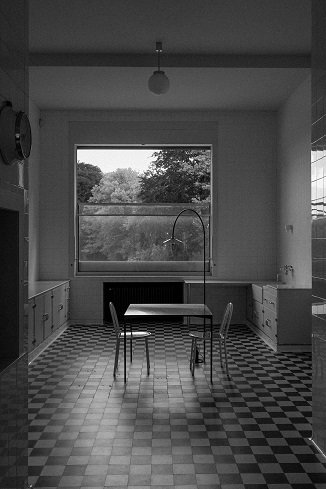
Minimalist kitchen design is a design philosophy that emphasizes simplicity and functionality, aiming to create spaces that are both aesthetically pleasing and practical. In the context of kitchen design, minimalism focuses on reducing clutter and unnecessary items, allowing for a more streamlined and efficient cooking environment. This approach encourages individuals to assess the essentials and eliminate the superfluous, resulting in spaces that promote ease of use and tranquility.
A minimalist kitchen often incorporates several key principles that enhance its functionality. Firstly, clean lines are a hallmark of minimalistic design. By utilizing cabinetry with straightforward contours and avoiding excessive ornamentation, the kitchen gains an airy quality. This not only presents a tidy appearance but also simplifies tasks and enhances efficiency when cooking or entertaining.
Another crucial element is the choice of a neutral color palette. Soft whites, muted grays, and earthy tones are frequently employed to achieve a calming ambiance. Such colors reflect light effectively, creating a sense of openness in the kitchen. Furthermore, the use of consistent material choices for countertops and flooring contributes to a cohesive appearance, which is a significant aspect of minimalism.
Lighting also plays a pivotal role in minimalist kitchen design. Ample natural light is preferred, often enhanced by strategic placements of windows or skylights. Artificial lighting should be unobtrusive yet effective, ensuring the space remains bright and welcoming. Thoughtfully designed under-cabinet lights or pendant fixtures can add functional illumination without overwhelming the aesthetic.
Embracing minimalism in kitchen design not only cultivates an organized and serene environment but also significantly reduces stress associated with clutter. Thus, understanding these principles is essential for anyone looking to create a stylish and functional minimalist kitchen.
Essential Features of a Minimalist Kitchen
A minimalist kitchen is defined by its emphasis on simplicity, functionality, and a clutter-free aesthetic. One of the most significant features is the creation of open spaces, which fosters an inviting atmosphere. By reducing visual distractions, an open layout enhances the overall functionality of the kitchen, allowing occupants to move freely and engage with the space without unnecessary obstacles.
Streamlined cabinetry is another hallmark of a minimalist kitchen. Opting for sleek, handle-less cabinetry can contribute to a seamless look that harmonizes with the overall design. High-quality materials such as wood, metal, or high-gloss finishes not only add elegance but also ensure durability that withstands the rigors of daily usage. The choice of materials is essential, as they should evoke a sense of calm and contribute to the serene environment that minimalist design strives to achieve.
Furthermore, maintaining clutter-free countertops is crucial in achieving the minimalist aesthetic. This can be accomplished by incorporating smart storage solutions that maximize the available space without compromising on style. For instance, using pull-out shelves, hidden compartments, and magnetic strips can aid in organizing kitchen essentials seamlessly. Additionally, utilizing wall-mounted racks for pots and utensils provides accessibility while keeping surfaces clear.
By focusing on these essential features—open spaces, streamlined cabinetry, high-quality materials, and innovative storage solutions—a minimalist kitchen can transform into an oasis of calm. Such intentional design choices not only enhance the visual appeal but also promote efficiency and ease of use within the kitchen. As we explore further, these aspects serve as foundational elements for achieving a clutter-free space that reflects a serene lifestyle.
Color Schemes and Materials for a Minimalist Aesthetic
The foundation of a minimalist kitchen is heavily influenced by its color schemes and materials. A neutral palette is often recommended for those seeking a clutter-free space. Colors such as whites, grays, and beiges create a serene backdrop that allows for flexibility in design elements. These shades evoke feelings of calmness and order, making them ideal for a kitchen environment where functionality is key.
However, incorporating bold accents can also enhance a minimalist aesthetic when done thoughtfully. A splash of deep navy, forest green, or even a single accent wall painted in a vibrant hue can serve to break the monotony while keeping the overall look clean. Emphasizing these colors through accessories or smaller appliances can draw attention without overwhelming the senses.
When selecting materials, durability and aesthetic appeal are paramount. Natural wood is a favored choice, providing warmth and texture while maintaining a minimalist kitchen design look. Opting for sleek surfaces, such as stainless steel, can add a modern touch. This material is not only visually pleasing but also remarkably functional, ensuring that kitchen appliances and fixtures last while contributing to the streamlined look.
In addition, incorporating stone elements, such as quartz or granite countertops, can further elevate the space; these materials combine practicality with beauty, allowing for easy maintenance and a sophisticated appearance. Their inherent patterns add character without straying from the minimalist philosophy.
Ultimately, a carefully chosen color scheme coupled with the right materials can significantly enhance a minimalist kitchen, creating an inviting atmosphere that is both stylish and efficient. By focusing on simplicity and quality, one can achieve a clutter-free space that meets both aesthetic and functional needs.
Tips for Maintaining a Clutter-Free Kitchen
To achieve and maintain a clutter-free kitchen, it is essential to implement effective strategies that promote organization and minimalist kitchen design. One of the first steps is to regularly declutter your kitchen items. Set aside time each month to evaluate your kitchen tools and appliances. Ask yourself whether each item is necessary, used regularly, or holds sentimental value. Discard or donate items that do not meet these criteria, which will help clear unnecessary clutter.
Organizing kitchen tools is another vital aspect of maintaining a clutter-free environment. Group similar items together in designated spaces, such as utensils, pots, and spices. Consider using drawer dividers, shelves, and clear containers to create a systematic approach that enhances accessibility. This organization not only creates an efficient workspace but also encourages mindfulness regarding what you keep and use.
Incorporating a regular cleaning routine can significantly contribute to a clutter-free kitchen. Start by establishing daily cleaning tasks, such as washing dishes and wiping countertops. Additionally, weekly cleaning rituals can include organizing pantry shelves and mopping floors. By managing the cleanliness of your kitchen regularly, you can prevent the accumulation of items that lead to clutter.
It is also important to perform assessments of kitchen items periodically. This reassessment will help identify items that are no longer needed and provide an opportunity to reduce clutter proactively. Furthermore, setting up systems to prevent unnecessary accumulation can be invaluable. For instance, a one-in-one-out rule encourages minimalism by requiring that for each new item brought into the kitchen, an old item must be removed.
Finally, embracing a minimalist mindset is crucial in daily kitchen practices. Focus on utility and simplicity, which can help you cultivate a space that is not only functional but enjoyable. By adhering to these principles, you can create a kitchen that remains clutter-free and exemplifies the essence of minimalism.