
Introduction to Outdoor Furniture
Outdoor furniture plays a crucial role in transforming patios and gardens into inviting and functional spaces. With the right selection of furniture, homeowners can not only enhance aesthetic appeal but also significantly increase comfort and usability. The careful choice of materials, styles, and arrangements contributes to creating a harmonious outdoor environment, encouraging relaxation and social interaction. When envisioning an outdoor area, it is important to consider how outdoor furniture complements the overall design of the space. For many, patios and gardens serve as extensions of their living areas. Therefore, high-quality outdoor furniture can elevate the outdoor experience, providing a seamless transition between indoor comfort and outdoor enjoyment. Whether it is stylish seating, elegant dining sets, or cozy lounges, each element adds value to the outdoor aesthetic.
Additionally, the choice of outdoor furniture can significantly enhance the usability of these spaces. Well-designed furniture allows for diverse activities, including entertaining guests, hosting barbecues, or simply enjoying a quiet evening under the stars. Practical features such as weather resistance and portability ensure that outdoor furniture remains functional and appealing throughout various seasons.
Moreover, investing in quality outdoor furnishings can lead to long-term benefits. Durable materials not only withstand the elements but also maintain their appearance and structure over time, ultimately saving homeowners money on replacements. The emphasis on functionality should not come at the expense of style; indeed, the modern market offers numerous options that merge practicality with aesthetic intricacy.
In essence, outdoor furniture significantly influences how individuals experience their patios and gardens. By enhancing comfort, promoting usability, and contributing to the visual appeal of the space, strategically selected outdoor furniture has the potential to transform any outdoor setting into a true retreat.
Types of Outdoor Furniture
Outdoor furniture is essential for enhancing the aesthetics and functionality of patios and gardens. Various types of outdoor furniture are available in the market, each serving different purposes and catering to diverse tastes. Dining sets are a popular choice, providing ample space for family gatherings and outdoor meals. Typically, these sets include a table and chairs, crafted from materials such as wood, metal, or synthetic resin. Wooden dining sets, such as teak or eucalyptus, offer a warm, natural look while metal options provide durability and a modern aesthetic.
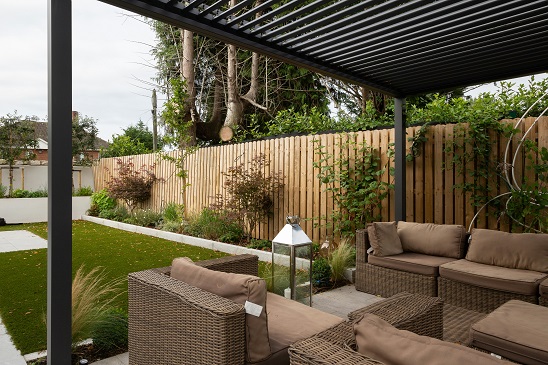
Lounge chairs are another key component of outdoor spaces, designed for relaxation and leisure. Available in various styles, from traditional recliners to contemporary designs, these chairs can be made from durable materials like aluminum, wicker, or plastic. Wicker lounge chairs, often featuring comfortable cushions, can create a cozy atmosphere perfect for reading or enjoying conversations with friends.
Benches also play a vital role in outdoor settings, serving both functional and decorative purposes. Suitable for gardens or entryways, benches can be constructed from wood, metal, or stone. They provide a place for visitors to rest while enhancing the landscape’s visual appeal. Additionally, hammocks serve as unique outdoor furniture pieces, offering an inviting spot for relaxation. Commonly made of cotton or polyester, hammocks can be hung between trees or installed on freestanding frames, providing a comfortable place to unwind and enjoy the surroundings.
When selecting outdoor furniture, it is important to consider the materials used, as they can significantly influence durability and maintenance. Each type of furniture offers distinct advantages, ultimately allowing homeowners to create outdoor spaces that reflect their personal style and preferences.
Choosing the Right Style for Your Space
When selecting outdoor furniture for patios and gardens, the style you choose should reflect both your personal taste and the overall aesthetics of your outdoor space. There are various design themes to consider, each offering unique characteristics and charm. Understanding these styles will help you harmonize your furniture with the ambiance of your garden.
The rustic style emphasizes natural materials and earth tones, creating a warm and inviting atmosphere. This theme can be beautifully complemented by wooden picnic tables, wicker chairs, and stone fire pits. Opting for furniture that showcases weathered finishes can enhance the rustic feel, making your outdoor area appear cohesive with nature.
In contrast, modern outdoor furniture often features sleek lines and bold, minimalist designs. Pieces made from metal or molded plastics with a monochromatic palette are common in this style. Incorporating this type of furniture can elevate your garden space, imbuing it with a contemporary flair that stands out while maintaining simplicity.
The minimalist approach emphasizes functionality and open spaces. This style calls for a select few essential pieces, such as a simple bench or a couple of elegant loungers, maintaining a clutter-free environment. This choice can be ideal for small patios where space is at a premium, allowing for relaxation without overwhelming the area.
Finally, the bohemian style celebrates a mix of patterns, colors, and textures. Furniture choices may include colorful cushions, patterned fabrics, and eclectic decor items. This style invites creativity and often incorporates elements from around the world, making each piece tell its own story. By merging several different influences, your outdoor space can become a vibrant and personalized retreat.
Ultimately, the key to selecting the right outdoor furniture lies in ensuring that it not only fits your style but also harmonizes with the existing elements of your garden or patio. Carefully considering the overall ambiance will help you create a beautiful and inviting outdoor living area.
Practical Considerations: Size and Layout
When it comes to selecting outdoor furniture for patios and gardens, understanding the size and layout of your space is critical. Prior to making any purchases, it is advisable to accurately measure the dimensions of your outdoor area. This entails assessing both the length and width of the space and taking into account any architectural features such as pathways, trees, or existing structures that could influence the arrangement of the furniture.
One effective method is to visualize the proposed layout by using stakes or garden hose to outline the dimensions of the furniture on the ground. This can provide a clearer perspective of how different pieces will fit together, allowing you to avoid overcrowding the area. Ideally, maintaining sufficient space between furniture items encourages ease of movement, ensuring that people can navigate through the area comfortably.
Next, consider the functionality of your outdoor space. If the goal is to entertain guests, ensure there is ample seating while leaving enough space for walkways. For dining areas, a substantial gap of at least three feet between the table and any obstructions is optimal, facilitating easy access for diners and wait staff alike. Alternatively, for smaller gatherings or intimate settings, more compact furniture options may enhance the cozy atmosphere without sacrificing comfort.
It’s also essential to think about the orientation of your furniture with respect to sun exposure and wind direction. This can create a more inviting ambiance throughout the day. Incorporating elements such as shade sails or patio umbrellas can enhance comfort as well. In conclusion, a thoughtful approach towards size and layout can significantly elevate the functionality and aesthetic of your outdoor space, resulting in a harmonious environment for relaxation and entertainment.
Weather-Resistant Materials
Choosing outdoor furniture crafted from weather-resistant materials is vital for ensuring longevity and functionality in varying environmental conditions. Harsh weather can take a significant toll on outdoor furniture, leading to wear and tear that may necessitate early replacement. Therefore, investing in materials designed to withstand rain, sun, and snow is essential to maintaining the aesthetic and structural integrity of your patio or garden furnishings.
Teak is one of the most popular materials for outdoor furniture due to its exceptional resistance to moisture and decay. This hardwood contains natural oils that repel water, making it ideal for outdoor settings. Over time, teak develops a beautiful silver-gray patina, enhancing its charm while requiring minimal maintenance. Regular cleaning and occasional application of teak oil can help preserve its vibrant color and grain.
Aluminum is another excellent choice for outdoor furniture. It is lightweight, corrosion-resistant, and requires minimal upkeep. Unlike wood, aluminum does not warp or rust, ensuring that it will maintain its shape and appearance regardless of weather fluctuations. For added comfort, look for aluminum frames that come with durable cushions specifically designed for outdoor use.
Resin-based materials are also worth considering for outdoor furniture. Synthetic resin is crafted to mimic the appearance of natural materials while offering superior durability. Furniture made from high-density polyethylene (HDPE) resin is resistant to fading, cracking, and peeling. This material can easily withstand extreme temperatures and is often UV-stabilized, making it an ideal option for sunny environments.
Ultimately, selecting weather-resistant materials is crucial in extending the lifespan of your outdoor furniture. Proper maintenance practices such as occasional cleaning and protective covers can significantly enhance durability, ensuring that your patio remains a welcoming retreat for years to come.
Adding Comfort with Cushions and Accessories
Creating an inviting outdoor space is significantly influenced by the selection of cushions and accessories. These elements not only enhance the aesthetic appeal of patios and gardens but also provide essential comfort for those enjoying the outdoors. A well-curated assortment of cushions can transform standard seating into cozy retreats, making it easier to relax and unwind. When considering cushions, opt for outdoor fabrics that are durable and weather-resistant, designed to withstand exposure to elements such as sun and moisture.
Popular options include materials like solution-dyed acrylic, polyester, and specialized waterproof fabrics. These materials help prevent fading and deterioration, ensuring that your outdoor cushions maintain their vibrant coloring and structural integrity over time. In addition to fabric selection, the design and pattern of cushions play a critical role in harmonizing with the existing furniture. Whether you prefer bold colors, geometric patterns, or subtle earth tones, matching cushions with your outdoor setting is key to a cohesive look.
Furthermore, accessorizing with throws can enhance both comfort and style. Lightweight throws not only add an extra layer of warmth during cooler evenings but also serve as a decorative addition that can tie the entire space together. When choosing throws, consider blending textures and colors that complement the furniture while providing functional benefits.
To ensure longevity, it is advisable to regularly clean and maintain these accessories. Most outdoor cushion fabrics can be easily washed with mild soap and water, while removable covers make it even simpler to keep them looking fresh. Additionally, protecting cushions from harsh weather by storing them indoors or using weather-resistant covers during inclement conditions can significantly prolong their lifespan.
Creative Patio and Garden Layout Ideas
When it comes to designing a patio or garden space, the layout plays a crucial role in determining how the area will be used and enjoyed. Creative arrangements can transform an ordinary outdoor space into a welcoming haven for relaxation, entertainment, or family gatherings. One notable idea is to create distinct zones within your garden or patio. For instance, consider grouping seating arrangements together to form an intimate gathering area. This can be achieved by positioning a set of outdoor chairs and a coffee table beneath a pergola or a shade umbrella, which provides an inviting atmosphere for conversations.
Another effective layout is to establish an entertainment zone that caters to social activities. Consider incorporating a dining table with comfortable chairs or a lounge area equipped with outdoor sofas and plush cushions. By placing your furniture in a manner that facilitates free movement—creating pathways between seating clusters—you can ensure that guests feel relaxed and comfortable. Adding a fire pit or outdoor kitchen nearby can enhance the social ambiance, making it perfect for gatherings.
On the other hand, if you seek a tranquil escape spot in your outdoor area, think about a secluded nook featuring a hammock or an Adirondack chair tucked away amongst shrubs and flowering plants. This serene layout allows for moments of solitude, surrounded by nature’s beauty. Incorporating various plant heights and textures can help define these spaces visually while maintaining a cohesive look throughout your patio or garden.
In conclusion, thoughtful layout ideas such as clustered seating arrangements for cozy gatherings or dedicated zones for entertainment can significantly enhance your outdoor living experience. By creatively arranging furniture, you can create spaces that cater to various needs, ultimately enriching how you interact with your patio or garden.
Sustainable Choices in Outdoor Furniture
As the awareness of environmental issues continues to grow, there is a remarkable shift towards sustainable choices in outdoor furniture. Homeowners are increasingly prioritizing eco-friendly materials and practices when selecting furniture for their patios and gardens. This trend is not just a passing phase; it reflects a broader commitment to sustainability and responsible consumption.
One of the most notable aspects of sustainable outdoor furniture is the use of eco-friendly materials. Recycled wood, bamboo, and reclaimed plastic are becoming popular choices due to their lower environmental impact. These materials not only reduce waste during production but are often more durable than their traditional counterparts, ensuring longevity. Additionally, manufacturers are increasingly using sustainable sourcing practices, which involve purchasing raw materials from responsibly managed forests or production processes that minimize pollution.
When selecting sustainable outdoor furniture, consumers should look for certifications that guarantee the eco-friendliness of the products. For example, the Forest Stewardship Council (FSC) certification signifies that the wood is sourced from well-managed forests. Furthermore, opting for brands that prioritize ethical manufacturing processes is crucial. This ensures that the workers involved in the production are treated fairly and work under safe conditions.
Another important consideration is the end-of-life phase of outdoor furniture. When selecting new pieces, consumers should evaluate how easily the furniture can be recycled or repurposed. Moreover, durable furniture that withstands the elements will ultimately contribute to lower waste and less frequent replacements.
In summary, choosing sustainable outdoor furniture is not only beneficial for the environment, but it also enhances the aesthetic appeal of outdoor spaces. By prioritizing eco-friendly materials, sustainable sourcing, and responsible manufacturing processes, consumers can make informed decisions that contribute to a healthier planet.
Conclusion: Making the Most of Your Outdoors
Outdoor spaces, whether patios or gardens, offer a unique opportunity to enhance our living environment. Selecting the right outdoor furniture is vital in creating an inviting and functional space. The first step in this journey is to assess the specific needs of your outdoor area. Identifying how you intend to use the space—be it for hosting gatherings, relaxing with family, or enjoying solitary moments—will guide your furniture choices.
When it comes to selecting outdoor furniture, durability and weather-resistance are paramount. Materials such as teak, aluminum, or synthetic wicker have gained popularity due to their ability to withstand varying weather conditions. Additionally, consider the aesthetics of your outdoor furniture. The style should complement your home’s architecture while also reflecting your personal taste. Combining different textures and colors can bring a distinctive charm to your garden or patio.
Arranging your outdoor furniture is equally important. Create zones for relaxation and entertainment to enhance functionality. For example, a cozy seating arrangement can foster conversation, while strategically placed tables can facilitate dining experiences. Incorporating elements such as outdoor rugs, cushions, and decorative planters can further personalize your space, making it an extension of your indoor lifestyle.
Investing in outdoor furniture not only elevates the aesthetics of your garden or patio but also enhances your overall enjoyment of the outdoors. By following these guidelines to select and arrange your furniture thoughtfully, you can create a personalized outdoor haven that invites relaxation and interaction. Embrace the opportunity to transform your external spaces into vibrant extensions of your home, allowing you to connect with nature and those you cherish most.