
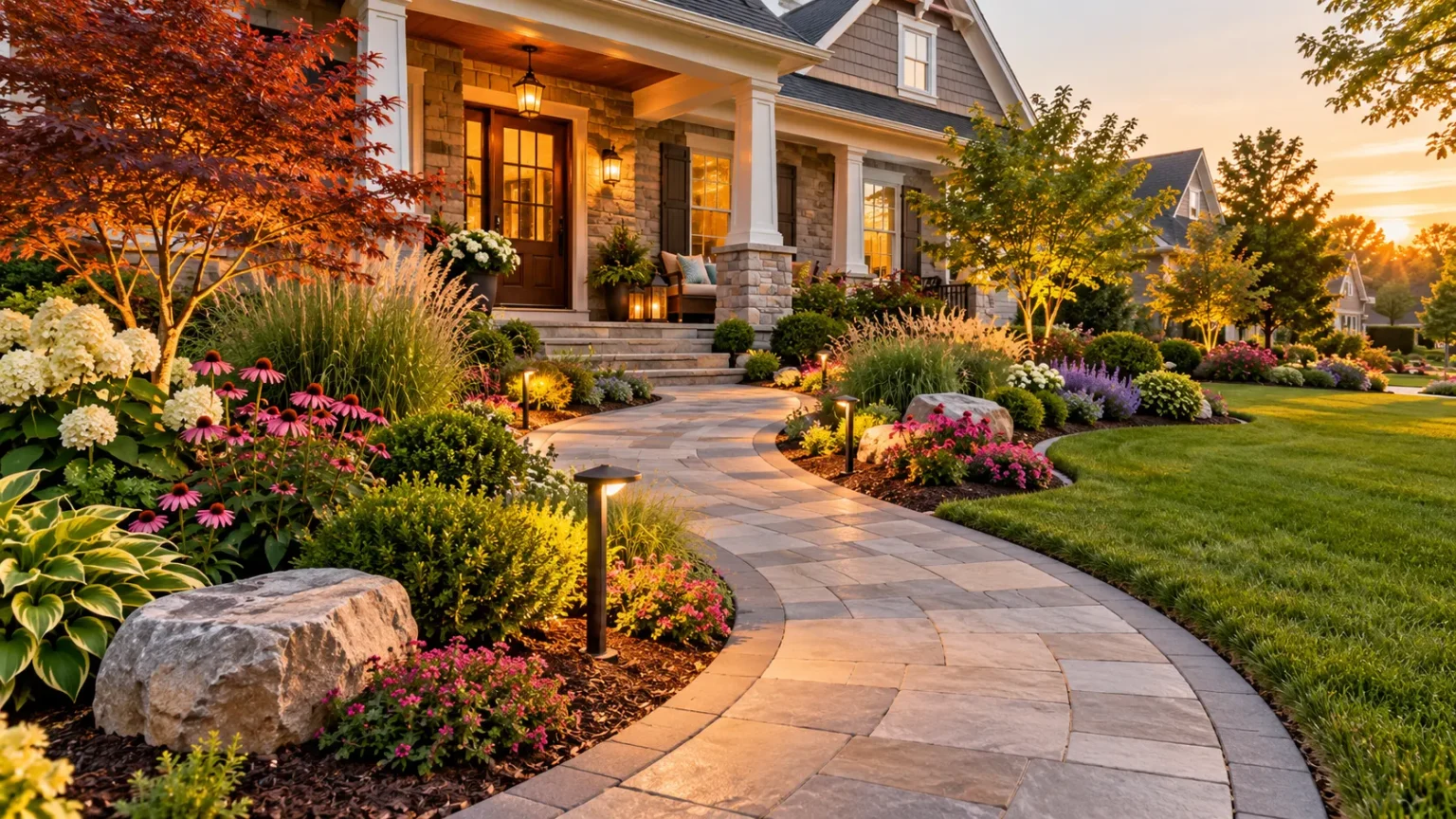
Your front yard is one of the first things people notice about your home, making landscaping an important part of its overall appearance. A thoughtfully designed outdoor space can improve curb appeal, create a welcoming entrance, and complement your home’s architectural style. From colorful flower beds to elegant pathways, even simple landscaping improvements can make a noticeable difference.
The best landscaping ideas for front yard spaces combine attractive plants, practical layouts, and easy maintenance. Whether you have a spacious lawn, a compact entrance, or a narrow garden, there are countless ways to create an appealing landscape. Modern designs, natural stone pathways, flowering shrubs, decorative trees, and drought-tolerant plants can transform an ordinary front yard into a beautiful outdoor setting.
Creating an attractive landscape does not always require expensive materials or professional installation. Choosing suitable plants, organizing garden beds, and adding a few decorative features can produce impressive results. This guide explores popular front yard landscaping ideas, affordable design options, and practical tips to help you create an outdoor space that remains beautiful throughout the seasons.
Why Front Yard Landscaping Is Important
Front yard landscaping plays a significant role in shaping the visual appearance of a residential property. A well-maintained lawn, attractive garden beds, and carefully positioned plants can make an entrance feel more inviting. Landscaping also helps connect the house with its surrounding outdoor environment through coordinated colors, textures, and natural materials.
Thoughtful landscape design can improve the functionality of a front yard as well. Clear walking paths provide convenient access, while suitable trees and shrubs can offer shade and visual separation. Proper plant placement may also help reduce soil erosion and support healthier outdoor spaces when combined with appropriate drainage.
Another important benefit is the opportunity to express personal style. Some homeowners prefer structured modern gardens, while others enjoy natural landscapes filled with flowers and greenery. The most successful front yard designs balance appearance, maintenance requirements, local climate, and the practical needs of the household.
1. Modern Front Yard Landscaping – Clean and Minimalist Designs
Modern front yard landscaping focuses on clean lines, simple plant arrangements, and carefully selected materials. This approach often features geometric pathways, structured garden beds, and a limited selection of plants. Its organized appearance works particularly well with contemporary homes and properties featuring modern architectural details.
Popular modern landscaping elements include concrete stepping stones, ornamental grasses, decorative gravel, and neatly shaped shrubs. A small number of statement plants can create visual interest without overwhelming the entrance. Neutral materials such as grey stone, natural wood, and dark metal edging can further enhance the contemporary atmosphere.
To achieve this style, begin with a clear layout that separates walking areas from planting spaces. Choose plants with interesting shapes and manageable growth habits. Keeping decorative features simple and maintaining consistent spacing helps create a polished front yard that feels attractive without requiring excessive ornamentation.
2. Low-Maintenance Front Yard Landscaping – Beautiful and Practical
Low-maintenance landscaping is ideal for homeowners who want an attractive front yard without spending excessive time on regular garden care. The approach emphasizes suitable plants, efficient watering, and practical surface materials. Choosing species adapted to local conditions can help reduce unnecessary maintenance while supporting healthy growth.
Popular options include hardy shrubs, ornamental grasses, ground covers, and perennial flowers suited to the climate. Mulched planting beds can help retain soil moisture and suppress some weeds. Drip irrigation systems may also provide efficient watering when properly designed and adjusted to seasonal conditions.
Low-maintenance does not mean completely maintenance-free, because every landscape requires occasional attention. Plants still need appropriate establishment care, pruning, and monitoring for pests or disease. However, thoughtful plant selection and good garden planning can make routine upkeep considerably more manageable throughout the year.
3. Small Front Yard Landscaping – Make the Most of Limited Space
A small front yard can look beautiful when landscaping elements are arranged thoughtfully. Limited space encourages homeowners to focus on proportion, simplicity, and practical movement. Compact planting beds, narrow pathways, and carefully selected greenery can create an attractive entrance without making the area feel crowded.
Vertical planting is particularly useful because climbing plants and wall-mounted containers add greenery without occupying much ground space. Dwarf shrubs, compact flowering plants, and small ornamental trees can also work well. Choosing a consistent color palette helps connect different elements and creates a more organized visual appearance.
Homeowners should avoid selecting plants that will eventually outgrow the available space. Checking mature height and width before planting can prevent future maintenance problems. Clear walking routes and restrained decorative features help ensure that a small front yard remains comfortable, accessible, and welcoming.
4. Flower Bed Landscaping – Add Color to Your Front Yard
Flower beds are among the easiest ways to introduce color and seasonal interest into a front yard. They can be positioned along walkways, around trees, or near the home’s entrance. A thoughtful combination of flowering plants creates visual variety and helps highlight important architectural features.
Popular flower bed choices include marigolds, petunias, zinnias, salvias, and other varieties suited to local growing conditions. Mixing plants with different heights can create depth, while repeating selected colors provides visual consistency. Including flowers with different blooming periods can extend the display across several seasons.
Successful flower beds require suitable soil preparation, appropriate watering, and enough sunlight for the chosen species. Gardeners should also consider mature plant sizes to prevent overcrowding. Adding mulch and maintaining clear bed edges can create a tidy appearance while supporting healthier growing conditions.
5. Stone Pathway Landscaping – Create a Welcoming Entrance
Stone pathways provide both practical access and decorative appeal in front yard landscapes. They guide visitors toward the entrance while connecting different garden features. Natural stone, concrete pavers, and gravel are popular materials because they can complement a wide range of architectural styles.
Curved pathways can create a relaxed garden atmosphere, while straight geometric paths work well in modern designs. Homeowners may add low-growing plants along the edges to soften the appearance. Using materials that coordinate with the home’s exterior helps create a consistent landscape design.
Pathway safety and accessibility should be considered during planning. Surfaces need appropriate stability, drainage, and slip resistance, particularly during wet weather. Sufficient width and suitable grading make the entrance more convenient, while proper installation helps prevent uneven surfaces and future maintenance problems.
6. Front Yard Landscaping With Shrubs and Greenery
Shrubs provide structure, texture, and year-round visual interest in many residential landscapes. They can frame the entrance, define garden boundaries, and create attractive layers of greenery. Evergreen varieties are especially useful where homeowners want consistent foliage throughout different seasons.
Popular landscaping choices may include boxwood, dwarf juniper, viburnum, and other shrubs suited to regional climate conditions. Flowering varieties can introduce additional color during selected periods. Combining plants with contrasting foliage textures creates depth without requiring an excessive number of different species.
Proper spacing is essential because shrubs often become significantly larger as they mature. Planting too close to walls, windows, or pathways can cause maintenance difficulties. Choosing appropriate growth habits and pruning requirements helps maintain an attractive appearance while protecting the surrounding architecture.
7. Front Yard Landscaping With Trees – Add Shade and Character
Trees can become beautiful focal points that give a front yard greater depth and visual character. Depending on the species, they may provide seasonal flowers, colorful foliage, or an attractive canopy. Well-positioned trees can also offer shade and help create a comfortable outdoor environment.
Small ornamental trees are particularly useful for compact properties, while larger yards may accommodate broader-canopied varieties. Suitable choices depend on local climate, soil, water availability, and mature size. Flowering trees can create impressive seasonal displays, while evergreen species provide more consistent visual structure.
Tree placement requires careful consideration of foundations, underground utilities, overhead wires, and nearby pathways. Homeowners should understand the expected root system and mature canopy before planting. Selecting the right tree for the available space can create long-lasting beauty without introducing avoidable structural or maintenance concerns.
8. Rock Garden Landscaping – Natural and Attractive Design
Rock gardens offer an interesting alternative to conventional flower beds and large lawns. They combine decorative stones with carefully selected plants to create textured, natural-looking landscapes. This style is particularly suitable for sunny locations, sloping ground, or yards where homeowners prefer a structured planting arrangement.
Popular rock garden materials include natural stones, gravel, pebbles, and boulders of different sizes. Drought-tolerant plants, ornamental grasses, and suitable ground covers can provide greenery between the rocks. Using a limited range of materials helps create a cohesive appearance rather than a scattered collection of decorative elements.
Proper drainage and plant selection are important because rock gardens can become hot and dry in direct sunlight. Dark stones may absorb considerable heat, affecting nearby vegetation. Choosing appropriate materials and climate-adapted species helps create a sustainable design that remains attractive with manageable maintenance.
9. Front Yard Landscaping With Decorative Gravel
Decorative gravel can provide a neat and visually interesting surface for pathways, planting beds, and selected open areas. It is available in different sizes, shapes, and colors, allowing homeowners to coordinate it with their property’s exterior. Gravel can also complement modern, Mediterranean, and desert-inspired landscaping styles.
A gravel landscape may feature ornamental grasses, low-growing shrubs, and carefully positioned decorative stones. Defined edging helps prevent loose material from spreading into adjoining areas. Using a suitable base and appropriate installation methods can improve stability and reduce unwanted movement over time.
Gravel is not suitable for every surface because loose stones can make walking or wheelchair movement difficult. It may also accumulate leaves and debris that require occasional cleaning. Considering accessibility, drainage, and maintenance helps determine whether gravel is appropriate for a particular front yard location.
10. Cottage-Style Front Yard Landscaping – Charming and Colorful
Cottage-style landscaping creates a welcoming atmosphere through informal flower beds, curved pathways, and abundant greenery. Inspired by traditional countryside gardens, this design emphasizes natural beauty rather than perfectly symmetrical arrangements. It works especially well with homes featuring rustic, traditional, or farmhouse-inspired architecture.
Popular cottage garden plants include roses, lavender, daisies, salvias, and flowering perennials suited to the local climate. Mixing plants with different heights and textures creates a relaxed appearance. Wooden fences, natural stone pathways, and traditional garden accessories can complement the overall design.
Although cottage gardens appear informal, they still benefit from thoughtful planning. Plants need enough space to grow without overwhelming paths or neighboring vegetation. Combining reliable perennials with seasonal flowers can provide variety while keeping the landscape attractive and manageable.
11. Tropical Front Yard Landscaping – Create a Lush Green Entrance
Tropical landscaping uses bold foliage, layered greenery, and colorful flowering plants to create a vibrant outdoor appearance. Large leaves and contrasting textures are important features of this style. It works particularly well in warm climates where tropical plants can grow successfully without extensive protection.
Popular tropical landscaping plants may include palms, bird of paradise, hibiscus, and suitable varieties with decorative foliage. Combining tall plants with medium-height shrubs and low-growing ground covers creates depth. Natural stone pathways and simple water features can reinforce the tropical-inspired atmosphere.
Climate compatibility is essential because many tropical species are sensitive to cold temperatures or require consistent moisture. Homeowners in cooler regions may need container plants or hardy alternatives that provide a similar appearance. Selecting suitable varieties helps achieve the desired lush design without creating unrealistic maintenance demands.
12. Desert Front Yard Landscaping – Water-Wise and Stylish
Desert-inspired landscaping is an attractive option for homeowners living in dry or water-limited regions. It uses drought-adapted plants, gravel, stones, and open planting arrangements to create a distinctive appearance. This style can reduce the need for extensive lawn irrigation when designed for local conditions.
Suitable plants may include agaves, yuccas, ornamental grasses, and other species adapted to dry environments. Plant selection should consider regional temperatures, rainfall patterns, and soil characteristics. Decorative boulders and carefully planned pathways can add structure while emphasizing the natural textures of the landscape.
Water-wise landscaping still requires thoughtful establishment and occasional maintenance. Newly planted vegetation may need regular watering until root systems develop. Using climate-appropriate plants and efficient irrigation helps create an appealing front yard while supporting more responsible water management.
13. Front Yard Garden Edging – Define Your Landscape Beautifully
Garden edging is a simple landscaping feature that can make flower beds, pathways, and lawn boundaries appear more organized. It creates a visible separation between different outdoor surfaces. Attractive edging also helps establish clear shapes that guide the overall landscape design.
Popular edging materials include natural stone, brick, metal, concrete, and durable composite products. Stone and brick often complement traditional homes, while simple metal edging works well in contemporary landscapes. Choosing a material that matches existing pathways or exterior finishes helps maintain a cohesive appearance.
Proper edging installation is important for long-term performance. Uneven surfaces, poor anchoring, or unsuitable materials can lead to shifting and maintenance problems. Homeowners should select edging that suits the ground conditions and allows convenient lawn or garden care.
14. Front Yard Lighting – Enhance Evening Curb Appeal
Landscape lighting can improve the appearance and usability of a front yard after sunset. Carefully positioned lights help illuminate pathways, entrance steps, and important garden features. Decorative lighting may also highlight trees, architectural details, and attractive planting arrangements without overpowering the overall design.
Popular lighting options include pathway lights, recessed step lighting, and subtle spotlights directed toward selected landscape features. Warm lighting often creates a welcoming atmosphere, while restrained fixture placement helps avoid excessive brightness. Solar-powered products may be convenient in locations receiving enough direct sunlight.
Outdoor lighting should be designed with safety, durability, and energy use in mind. Fixtures need appropriate weather protection, and electrical installations should meet applicable requirements. Directing light downward and avoiding unnecessary glare can also reduce disturbance to neighbors and nocturnal wildlife.
15. Front Yard Landscaping With Planters and Containers
Decorative planters provide a flexible way to introduce plants into front yards where ground space is limited. Containers can frame entrances, decorate porches, or add greenery beside pathways. They are especially useful for homeowners who want seasonal color without permanently changing existing garden beds.
Popular container choices include flowering annuals, ornamental grasses, compact shrubs, and small plants with decorative foliage. Coordinating planter materials and colors with the home’s exterior can create an attractive entrance. Grouping containers of different heights may also produce a visually interesting arrangement.
Container plants generally require more frequent moisture monitoring than many established garden plants because their growing medium dries faster. Proper drainage is essential to prevent waterlogged roots. Choosing suitable container sizes and climate-adapted plants helps maintain an attractive display throughout the growing season.
16. Sloped Front Yard Landscaping – Attractive Solutions for Uneven Ground
Sloped front yards can present challenges, but thoughtful landscaping can transform them into beautiful outdoor spaces. Terraced garden beds, carefully designed pathways, and appropriate planting can create visual structure. The goal is to make the area attractive while managing water movement and soil stability.
Retaining walls may be useful for significant elevation changes, while suitable ground covers can help protect exposed soil on gentler slopes. Natural stone steps and layered planting arrangements can create interesting visual features. Plant roots may contribute to soil stability, although they are not a substitute for proper engineering where serious erosion occurs.
Homeowners should evaluate drainage carefully because concentrated runoff can damage landscaping and nearby structures. Larger retaining walls or unstable slopes may require professional assessment. Selecting appropriate materials and plants helps create a functional landscape suited to the property’s natural terrain.
17. Budget-Friendly Front Yard Landscaping Ideas
Improving front yard landscaping does not always require expensive renovations or large purchases. Simple changes such as refreshing mulch, trimming overgrown shrubs, and defining garden beds can improve appearance. Homeowners can also introduce affordable flowers or decorative containers to create new focal points.
Reusing suitable materials may reduce costs when creating pathways, edging, or garden decorations. Buying smaller plants can also be more affordable than purchasing mature specimens, although they require time to establish. Choosing hardy perennials may provide lasting value compared with frequently replacing seasonal plants.
A practical budget begins with identifying the areas that need the most attention. Focusing on the entrance, main walkway, and visible planting beds often produces noticeable improvements. Completing projects gradually allows homeowners to manage expenses while developing a coordinated landscape over time.
18. How to Choose the Best Plants for Your Front Yard
Selecting suitable plants is one of the most important steps in creating a successful front yard landscape. Different species require different levels of sunlight, moisture, and soil drainage. Understanding these conditions helps homeowners choose plants that can establish healthy growth without excessive intervention.
Plant height, mature width, and seasonal appearance should also influence selection. Taller shrubs may work well as background plants, while lower-growing flowers can brighten pathways and borders. Combining evergreen plants with seasonal flowering varieties may provide visual interest throughout much of the year.
Homeowners should prioritize plants suited to their regional climate and available maintenance time. Native and regionally adapted plants are often worth considering, although their individual requirements still vary. Reviewing mature sizes and local growing recommendations can prevent overcrowding and improve long-term landscape performance.
19. Common Front Yard Landscaping Mistakes to Avoid
One common landscaping mistake is planting trees or shrubs too close to the house. Small nursery plants may appear appropriately sized at first but eventually grow much larger. Insufficient spacing can block windows, crowd pathways, and create additional maintenance requirements.
Another mistake is choosing plants without considering sunlight, soil conditions, and local climate. Shade-loving plants may struggle in intense afternoon sunlight, while drought-adapted varieties can suffer in poorly drained soil. Selecting plants according to their actual environmental needs helps reduce unnecessary replacement and maintenance.
Homeowners should also avoid overlooking drainage and accessibility. Decorative features that obstruct walking routes or direct water toward the foundation can create practical problems. A successful landscape balances visual appeal with safe movement, effective water management, and appropriate plant placement.
20. How to Plan a Beautiful Front Yard Landscape Step by Step
Planning a front yard landscape begins with evaluating the property’s layout, sunlight, drainage, and existing features. Identify the main entrance, walking routes, and areas suitable for planting. A simple sketch can help organize ideas and clarify how different landscaping elements will fit together.
The next step is choosing a design style and selecting plants that match local growing conditions. Decide where pathways, garden beds, trees, and decorative elements should be positioned. Establishing a clear budget and prioritizing essential improvements can make the project more manageable.
Finally, develop a realistic installation and maintenance plan. Some improvements can be completed through simple planting and garden care, while major grading or structural work may require professional assistance. Reviewing plant growth and seasonal conditions over time allows homeowners to make adjustments that keep the landscape attractive.
Conclusion
Beautiful front yard landscaping can transform the appearance of a home while creating a welcoming and functional outdoor environment. From colorful flower beds and decorative stone pathways to modern minimalist gardens and natural planting arrangements, numerous design options are available. The best choice depends on property size, architectural style, climate, and personal preferences.
Successful landscaping combines attractive features with practical considerations such as drainage, accessibility, plant growth, and maintenance requirements. Choosing appropriate vegetation, maintaining clear pathways, and organizing garden beds can improve curb appeal without unnecessary complexity. Even small changes can create noticeable results when they are thoughtfully planned.
Whether you prefer a low-maintenance front yard, a colorful cottage garden, or a contemporary outdoor design, careful preparation helps create lasting beauty. By combining suitable plants with coordinated materials and manageable upkeep, homeowners can develop an inviting entrance. A well-designed front yard offers an enjoyable first impression and enhances the overall character of the property.
Frequently Asked Questions (FAQs)
1. What are the best landscaping ideas for a front yard?
Popular ideas include colorful flower beds, decorative pathways, low-maintenance shrubs, ornamental trees, rock gardens, and outdoor lighting. The best design depends on your yard’s size, climate, and architectural style.
2. How can I landscape my front yard on a budget?
Start by trimming existing plants, refreshing mulch, creating simple flower beds, and adding affordable perennials. Reusing suitable materials and completing projects gradually can also help reduce landscaping expenses.
3. What plants are best for low-maintenance front yard landscaping?
Hardy shrubs, ornamental grasses, suitable ground covers, and climate-adapted perennials are practical choices. Select varieties that match your local sunlight, soil, and moisture conditions to reduce ongoing maintenance.
4. How can I make a small front yard look bigger?
Use compact plants, clear pathways, coordinated colors, and vertical greenery to create visual balance. Avoid overcrowding the area and choose landscaping features that maintain comfortable movement around the entrance.
5. Does front yard landscaping increase home value?
Attractive, well-maintained landscaping can improve curb appeal and may positively influence buyer impressions. However, its effect on property value depends on design quality, local market conditions, maintenance needs, and overall property condition.