
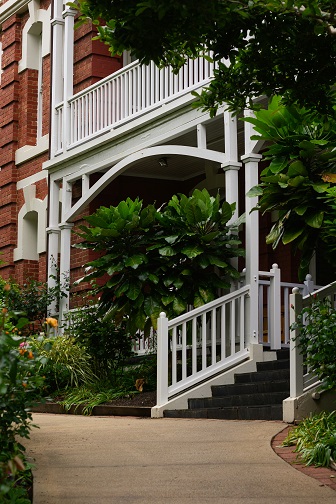
Curb appeal refers to the visual attractiveness of a property’s exterior as seen from the street. This concept is not just a matter of aesthetics; it plays a crucial role in the overall perception of a home. Homeowners aiming to elevate their property’s appeal can achieve significant psychological and financial benefits through thoughtful design choices. The importance of curb appeal extends beyond personal preference; it directly impacts property value and marketability. A well-maintained exterior sends a positive message to potential buyers and can enhance a home’s selling price. In contrast, neglect can lead to a reduction in value. Statistics indicate that homes with higher curb appeal tend to sell faster and at prices exceeding the market average.
From a psychological standpoint, curb appeal fosters a sense of pride among homeowners. A visually appealing property can enhance neighborhood aesthetics, prompting a more vibrant community atmosphere. Homes that exhibit strong curb appeal often contribute to a collective standard within neighborhoods, as residents may feel inspired to maintain or improve their own properties.
Moreover, the elements that constitute curb appeal—such as landscaping, paint color, and architectural features—can create a lasting first impression. This impression is not only vital for real estate transactions but also for fostering positive relationships with neighbors and passersby. In various studies, homeowners have expressed that a well-curated exterior influences their satisfaction with their surroundings.
In conclusion, understanding curb appeal is essential for homeowners looking to enhance their property’s value and aesthetic presence. Its significance transcends mere visual appeal, having profound implications for both financial prospects and community engagement.
Color Schemes That Pop
The exterior color scheme of a home significantly influences its curb appeal, acting as both a first impression and a reflection of the homeowner’s personality. Well-chosen colors can draw attention, highlight architectural features, and create a cohesive look with the surroundings. Understanding the psychological impact of color can guide homeowners in selecting palettes that not only appeal but also enhance market value.
Classic combinations often include timeless shades such as white and navy, which evoke a sense of elegance and stability. For instance, a crisp white siding paired with a dark navy trim evokes a nautical charm, appealing to many buyers. Alternatively, neutral shades like beige or gray create a sophisticated backdrop that allows for bolder accents, such as vibrant door colors or window shutters. This method of pairing soft core tones with striking trim adds character without overwhelming the aesthetic.
Modern trends in exterior color design favor bolder palettes that push traditional boundaries. Deep greens, rich blues, and even various shades of black are gaining popularity, offering a contemporary feel that stands out in any neighborhood. For homes in more urban areas, these dramatic colors can create a striking contrast against the concrete backdrop, drawing attention and creating a striking visual narrative.
Importantly, when selecting an exterior color scheme, coordination with neighboring homes should be considered. A home that complements its environment creates a harmonious streetscape while preserving individuality. Additionally, incorporating elements that reflect the local architecture can create a balance between personal expression and community aesthetics. By combining these principles, homeowners can effectively choose color schemes that not only enhance their home’s appeal but also contribute positively to the overall visual environment.
Landscaping Essentials
Landscaping plays a crucial role in enhancing the curb appeal of any home. The selection of the right elements can significantly contribute to the overall aesthetic, making the property more inviting and visually appealing. One of the primary considerations in landscaping is the choice of flowers. Opt for a variety of perennials and annuals that bloom in different seasons, ensuring that there is vibrant color year-round. Native plants tend to thrive with less maintenance and are a sustainable choice that supports local wildlife.
Lawn maintenance is another vital aspect of landscaping. Regular mowing, weed control, and proper watering can keep your lawn looking pristine. Consider incorporating a mix of grass types that are suitable for your local climate to achieve a lush green lawn. A well-maintained lawn not only adds to the beauty of your home’s exterior but also enhances the overall neighborhood appearance.
Strategically placed trees can make a substantial difference in your landscaping. They provide shade and can soften the hard edges of buildings. Depending on the size of your property, choose trees that complement the scale of your house. Deciduous trees positioned to the west or south can provide cooling shade during the hot months, while evergreens can create a beautiful backdrop in winter.
In addition to plants and grass, pathways and walkways can add elegance and functionality to your landscape. Consider using pavers, gravel, or natural stone to create inviting paths that lead to your entrance. Proper outdoor lighting is also a significant feature, enhancing safety and accentuating garden elements at night. Finally, the addition of comfortable garden furniture can create inviting spaces for relaxation, further enhancing the curb appeal of your home. Incorporating these landscaping essentials will undoubtedly elevate the exterior appearance and allure of your property.
Front Door Makeover
The front door serves as the focal point of a home’s exterior and can significantly transform the overall appearance. Upgrading or painting the front door is an effective approach to enhance curb appeal. A well-chosen door style not only reflects the homeowner’s personality but also complements the architectural style of the house.
When considering a door makeover, one should think about various styles. A traditional six-panel door conveys a classic feel, while a contemporary flush door offers a sleek, modern look. For a more rustic charm, consider a wooden door with natural finishes, or a fiberglass door that mimics wood without the upkeep. Additionally, incorporating glass inserts can provide a warm entrance while allowing natural light to stream into the foyer.
The color of the door plays a pivotal role in defining the entrance’s character. Bold shades like deep red, navy blue, or olive green can make a statement, while lighter hues such as soft gray or pale yellow impart a more subtle charm. Moreover, it is essential to consider how the door’s color interacts with the surrounding elements, including the house’s exterior paint color, trim details, and landscaping.
Beyond the door itself, accessorizing can further enhance its appeal. Adding a decorative knocker not only serves as a functional element but also acts as a stylish accessory that invites curiosity. Complementary hardware, such as unique handles and hinges, should also match the chosen style for a cohesive look. Finally, good lighting is paramount; wall sconces flanking the door or stylish pendant lights overhead create a welcoming ambiance and improve visibility in the evening.
Architectural Elements to Consider
When it comes to enhancing curb appeal, architectural features play a critical role in transforming an ordinary home into an inviting and visually appealing space. One popular addition to consider is shutters. These not only serve a practical purpose by providing shade and protection but also add a touch of color and texture to the facade. Shutters can be customized in various styles, sizes, and colors, allowing homeowners to create a unique look that complements the overall design of the house.
Another effective way to enhance a home’s exterior is through the use of window boxes. These charming features allow residents to display vibrant flowers and plants, contributing natural beauty to the property. Window boxes can be installed in a variety of styles to suit the architecture of the home, from rustic wooden designs to sleek metal finishes. The greenery not only adds a pop of color but also enhances the connection between the interior and exterior spaces.
In addition to shutters and window boxes, decorative trim can significantly enhance the architectural character of a home. This includes crown molding, window casings, and contrasting colors at the corners and edges of the house. Such elements draw the eye upwards and give the building a more polished and sophisticated appearance. Including these architectural details can create visual interest and depth, making the home feel more inviting.
Ultimately, the careful selection of these architectural features can dramatically elevate a home’s curb appeal. By incorporating shutters, window boxes, and decorative trim, homeowners can achieve a unique and aesthetically pleasing exterior that reflects their personal style while also contributing to the neighborhood’s charm.
The Power of Outdoor Lighting
Outdoor lighting serves as an essential component in elevating the curb appeal of a home, offering both aesthetic and practical benefits. Proper outdoor lighting not only enhances the beauty of the home but also improves safety and security in the surrounding area. By strategically installing various lighting options, homeowners can illuminate pathways, accentuate architectural features, and create inviting outdoor spaces.
Sconces are a popular option for illuminating entryways and patios. These wall-mounted fixtures provide a warm glow that can highlight the architecture of the home while offering a sense of welcome to guests. When selecting sconces, it’s important to consider their placement to ensure they adequately light the space without being overly harsh or distracting. Furthermore, choosing fixtures that complement the home’s style can add to the overall aesthetic appeal.
Path lights are another important feature in outdoor lighting design. These fixtures are typically placed along walkways or driveways, guiding visitors safely to the front door. Path lights come in various styles, from traditional lantern designs to modern minimalist options. By selecting the right path lighting, homeowners can enhance the safety of their property while also creating a visually appealing pathway that draws the eye toward the entrance.
Garden lights serve as an excellent means of accentuating landscaping features. By strategically placing lighting around trees, flower beds, or water features, homeowners can create a magical ambiance in their gardens after dusk. Additionally, using low-voltage LED lights can provide an energy-efficient option for illuminating outdoor spaces while minimizing electricity costs. The right combination of outdoor lighting can transform a home’s exterior, making it not only more attractive but also safer and more inviting.
Maintaining Your Home’s Exterior
Ensuring the aesthetic appeal of your home’s exterior is crucial for making a positive impression, not only for yourself but also for visitors and potential buyers. Regular maintenance of your home’s exterior is vital for enhancing curb appeal, preserving property value, and preventing costly repairs in the future. By adhering to a routine maintenance schedule, homeowners can keep their properties looking fresh and inviting.
A well-maintained exterior begins with a thorough checklist of tasks that should be performed regularly. One of the primary maintenance tasks is painting; this not only enhances the visual appeal but also protects the materials from weather elements. It is advisable to repaint your home every five to seven years, depending on your local climate and the quality of the original paint.
Additionally, monitoring and repairing siding is essential. Loose, cracked, or rotting siding can detract significantly from your home’s curb appeal. Homeowners should inspect siding for damage at least once a year and promptly replace any damaged panels to maintain a cohesive look. Keeping gutters clean is another vital aspect of exterior maintenance. Clogged gutters can lead to water damage or landscape erosion, so regular cleaning—ideally semi-annually—helps avert these issues.
Another effective way to enhance your home’s exterior is through power washing. Over time, dirt, mold, and mildew may accumulate on driveways, sidewalks, and the home’s façade. Power washing at least once a year can restore these surfaces to their original condition and promote a clean, welcoming environment. By following this checklist of maintenance tasks—painting, siding repair, gutter cleaning, and power washing—homeowners can effectively maintain their property’s exterior and ensure long-lasting curb appeal.
DIY vs. Hiring a Professional
When it comes to enhancing your home’s curb appeal, homeowners often find themselves at a crossroads: should they tackle DIY projects or hire a professional? Each approach has its own set of advantages and disadvantages that merit consideration.
One key benefit of DIY projects is cost savings. Homeowners can save significantly on labor costs by undertaking tasks such as painting the front door, planting flowers, or even installing new house numbers. Moreover, these projects often carry a personal touch, allowing individuals to express their style and creativity. Simple tasks like pressure washing the exterior or installing outdoor lighting can usually be managed with minimal experience and basic tools, making them accessible to many DIY enthusiasts.
However, it’s essential to recognize the limits of one’s skill set. Some tasks, particularly those requiring specialized knowledge—such as roofing, electrical work, or extensive landscaping may be best left to professionals. Not only can these projects be complex, but mistakes may lead to costly repairs or safety hazards. Hiring a licensed contractor can bring peace of mind, as they possess the expertise and experience to execute intricate designs and ensure compliance with local building codes.
For projects that fall into a gray area, where the difficulty is uncertain, homeowners should consider the time and resources they have available. A professional can manage time-sensitive projects more efficiently and effectively than many DIYers could, thus freeing up homeowners to focus on manageable tasks. Additionally, professionals often have access to resources and materials that may not be available to the average homeowner, further enriching the potential for enhanced curb appeal.
Ultimately, the decision to engage in DIY projects or hire professionals should align with the homeowner’s skills, budget, and the complexity of the intended enhancements. A careful evaluation will ensure that the approach taken is both effective and rewarding.
Inspiration from Around the World
The concept of curb appeal stretches far beyond mere aesthetics; it reflects cultural narratives, architectural innovations, and the lifestyles of diverse regions. By incorporating distinct styles from various countries, homeowners can enhance their own properties while drawing inspiration from the rich tapestry of global design. In Europe, for instance, the French countryside showcases charming facades adorned with vibrant flowers and rustic stonework, inviting passersby to admire their detailed craftsmanship. Incorporating these elements can inspire homeowners to add planters or rustic textures to their own homes, fostering a warm and welcoming atmosphere.
Similarly, Mediterranean-style homes often feature stucco exteriors, terracotta tiles, and colorful accents, reflecting a relaxed yet elegant vibe. Homeowners can replicate this aesthetic by using a similar color palette or integrating outdoor living spaces that encourage social interaction, thus imbuing their exteriors with both beauty and functionality. The warm, inviting tones typical of this style can enhance curb appeal and transform a property into a vibrant oasis.
Over in Asia, traditional Japanese architecture emphasizes harmonization with nature, utilizing natural materials such as wood and stone within designs that encourage simplicity and tranquility. Features like Zen gardens and sliding shoji doors promote a seamless flow between indoor and outdoor environments, providing inspiration for those looking to create a serene exterior. By adopting similar concepts, homeowners can develop calming spaces that resonate with the principles of peace and balance.
Furthermore, indigenous and tribal influences from regions in Africa and South America celebrate bold colors and intricate patterns, offering homeowners opportunities to express individuality and cultural significance through decorative touches like murals and vibrant color schemes. By embracing these diverse influences, homeowners can craft unique and visually striking exteriors that stand out in their neighborhoods while paying homage to global aesthetics.