
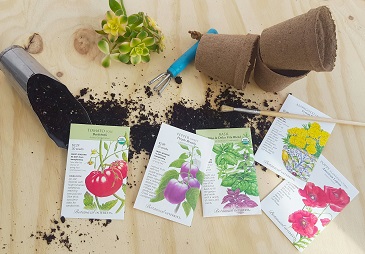
Home gardening is a rewarding endeavor that allows individuals to cultivate their own plants, whether for aesthetic enjoyment or practical use. It involves a variety of practices aimed at growing flowers, herbs, vegetables, and fruits in a dedicated space. If you are new to this green-fingered activity, understanding the fundamentals is critical for success. One of the main advantages of starting a home garden is the accessibility to fresh produce. Home gardens can significantly enhance food quality, as they allow gardeners to grow organic fruits and vegetables, free from pesticides. Apart from health benefits, gardening is known to reduce stress and promote mental well-being, offering a serene retreat right in your backyard.
When considering starting a home garden, one must explore the various types suitable for different living spaces. Those with limited space might prefer container gardening, where plants are grown in pots or containers on patios, balconies, or windowsills. This method provides flexibility and can yield excellent results without the need for extensive ground space.
Raised bed gardens are another popular option, particularly for those with a bit more room; they create defined plots of soil elevated above the surrounding ground. This method not only improves drainage but also provides better soil conditions and makes weeding easier. Lastly, traditional in-ground gardens can be an ideal choice for those with ample outdoor space, allowing for larger planting areas and the opportunity to cultivate a more diverse array of plants.
By understanding the basics of home gardening—its benefits and the appropriate types of gardens—you can embark on an enriching journey that not only fosters a connection with nature but also contributes positively to your lifestyle and diet.
Choosing the Right Location for Your Garden
Selecting the optimal location for your garden is a critical step in ensuring its success. One of the primary factors to consider is sunlight exposure. Most vegetables and flowering plants require a minimum of six to eight hours of direct sunlight each day for optimal growth. Observe the sunlight patterns in your yard to determine which areas receive the most sun and consider these for your planting sites.
Proximity to a water source is also essential. If possible, choose a location that is near a hose or a water line to make the watering process more manageable. Access to water will reduce the risk of drought stress on your plants and promote healthy development. In cases where direct access is not available, consideration must be given to a proper drainage system to prevent water pooling, which can damage roots.
Soil conditions play a significant role in garden success as well. Assess the quality of the soil by conducting a simple test for drainage and nutrient content. Ideally, your chosen garden location should have well-draining soil rich in organic matter. If your soil lacks nutrients, you can amend it through compost and fertilizers, but starting with good soil can save you considerable effort in the long run.
Furthermore, wind protection is often overlooked but is critical for safeguarding delicate plants. Identifying natural barriers such as trees, bushes, or fences can help shield your garden from strong winds. Lastly, assess the microclimates within your yard. Certain areas may be warmer or cooler than others based on their proximity to structures, trees, or other environmental factors. By taking the time to evaluate these elements, you will create a conducive environment for your garden to thrive.
Picking the Best Plants for Beginners
Selecting the right plants is fundamental for novice gardeners. The process begins by understanding your local climate zone, which greatly influences the types of plants that will thrive in your garden. Each climate zone has specific planting times and seasonal variations, so consulting a planting calendar for your region can be beneficial. This will guide you on when to sow seeds or transplant seedlings, ensuring optimal growth and yield.
For beginner gardeners, it is advisable to start with plants that are well-known for their ease of cultivation. Herbs are an excellent choice; varieties such as basil, mint, and parsley not only grow easily but also enhance culinary dishes. These plants are generally tolerant of different soil types and require only moderate watering. Moreover, herbs can be planted both in the ground and in pots, offering flexibility based on your available space.
Vegetables are another rewarding option for beginners. Fast-growing varieties such as radishes, lettuce, and zucchini are perfect for those new to gardening. These vegetables can yield produce in a matter of weeks and are often more forgiving of mistakes, providing a sense of accomplishment early in the gardening journey. Additionally, they can be grown in succession, allowing for continuous harvest throughout the growing season.
Flowers such as marigolds, sunflowers, and zinnias are also suitable for novice gardeners. These flowers are relatively low-maintenance and add vibrancy to any garden while attracting beneficial pollinators. With careful consideration of local climate conditions and seasonal planting times, even inexperienced gardeners can successfully cultivate a variety of plants, making the gardening experience enjoyable and fulfilling.
Essential Tools for Home Gardening
For beginners embarking on their home gardening journey, having the right tools is paramount to ensure efficiency and enjoyment in the process. The following is a list of essential gardening tools that every novice gardener should consider acquiring.
Firstly, shovels play a crucial role in any garden. Their primary function is to move soil, compost, or mulch, making them indispensable for digging holes and leveling garden beds. When selecting a shovel, look for one with a comfortable handle and sturdy blade, as this will enhance your gardening experience.
The trowel is another fundamental tool, particularly useful for smaller tasks. It is ideal for planting seedlings, digging small holes, and weeding. A high-quality trowel should have a solid metal blade and a comfortable grip. Remember to clean the trowel after each use to prevent soil from clinging to the metal, which can lead to rust.
Pruners are essential for maintaining the health of your plants. They are designed for cutting stems, branches, and flowers, allowing you to keep your garden tidy and promote healthy growth. Regularly sharpening the blades of your pruners will ensure clean cuts, which is vital for the plants’ well-being.
Finally, having a reliable watering can is crucial for any gardener. It allows for controlled and precise watering, particularly for delicate seedlings. Opt for a watering can with a detachable spout for versatility in watering different plants.
Maintaining these tools often involves cleaning them after each use, ensuring they are stored in a dry place, and occasionally applying oil to metal parts to prevent rust. By investing in these basic gardening tools and caring for them appropriately, beginner gardeners can effectively cultivate their gardens with confidence.
Soil Preparation and Fertilization Tips
Soil is a fundamental element for successful home gardening, as it provides the necessary nutrients and habitat for plant roots. The quality of the soil can significantly influence plant health and growth, making it essential for gardeners to understand how to assess and amend their soil effectively.
The first step in soil preparation is to test its quality. Soil testing kits are readily available and can provide valuable information regarding pH levels, nutrient content, and the presence of contaminants. Understanding the soil composition helps gardeners to determine if modifications are needed to optimize plant health. For instance, if the soil is too acidic or alkaline, corrective measures can be taken to adjust the pH level, creating a more suitable environment for plant growth.
For those working with poor soil, incorporating organic matter is one of the most effective strategies to enhance soil quality. Adding compost not only improves soil texture but also boosts its nutrient content, encouraging beneficial microbial activity. Additionally, gardeners can utilize natural fertilizers such as bone meal and fish emulsion, which are rich in essential nutrients, ensuring that plants receive balanced nourishment throughout their growth cycle.
Choosing the right type of fertilizer is crucial, as different plants have varying nutritional requirements. For example, leafy greens like spinach and lettuce thrive on nitrogen-rich fertilizers, while flowering plants may need additional phosphorus for root development and bloom enhancement. Understanding these needs helps to tailor fertilization practices, leading to healthier and more productive gardens.
In summary, thorough soil preparation and appropriate fertilization are vital components of successful home gardening. By regularly testing soil quality, amending it with compost and suitable fertilizers, gardeners can create an optimal environment that promotes healthy plant growth and vibrant gardens.
Watering Techniques and Schedules
Proper watering techniques are crucial for the successful growth of plants in a home garden. The frequency and amount of water required can vary significantly based on factors such as plant type, season, and weather conditions. Understanding these variables is essential for maintaining a healthy garden.
First and foremost, it’s important to identify the specific watering needs of each plant. Different species have unique requirements; for instance, succulents and cacti prefer arid conditions and require watering less frequently, while tropical plants often thrive in more consistently moist soil. Regularly checking the moisture level of the soil can provide valuable insights into when to water. A simple method is to insert a finger about an inch into the soil; if it feels dry, it’s time to water.
In addition to knowing when to water, the method of watering is equally important. Techniques such as deep watering encourage plant roots to grow deeper into the soil, promoting a more stable and resilient plant. This can be achieved by applying water slowly to allow for better absorption. Drip irrigation systems are highly beneficial for this purpose as they deliver water directly at the root zone, minimizing evaporation and ensuring efficient use of resources.
Weather plays a significant role in determining watering schedules. During hot and dry periods, plants may require more frequent watering compared to cooler or rainy days. It is recommended to water early in the morning or late in the afternoon to reduce evaporation and allow plants adequate time to absorb moisture. Monitoring weather forecasts can also help in adjusting watering schedules as necessary.
Pest Control and Organic Gardening Practices
Gardening offers a multitude of benefits, but it also comes with challenges, particularly in the form of pests and diseases that can threaten the health of plants. Effective pest control is essential for maintaining a thriving garden. To manage these issues while adhering to organic principles, several strategies can be utilized.
Common pests such as aphids, snails, and whiteflies are often found in home gardens. One effective method for controlling these pests is through companion planting. This practice involves planting different species together to enhance growth and deter pests. For example, marigolds are known to repel nematodes, while basil can help ward off whiteflies. By carefully selecting combinations of plants, gardeners can create a natural defense system against unwelcome intruders.
In addition to companion planting, employing natural repellents can significantly aid in pest management. Homemade sprays made from ingredients like garlic, chili peppers, or neem oil can deter harmful insects without introducing toxic chemicals into the garden environment. Regular inspections of plants can help in identifying issues early, allowing for timely application of these organic solutions.
Another humane approach for managing pests is through physical methods such as traps or barriers. For instance, using row covers can protect seedlings from insect infestations while still allowing sunlight to reach the plants. Encouraging beneficial insects, such as ladybugs and lacewings, can also provide a natural form of pest control by preying on common nuisances.
By incorporating these organic gardening practices, home gardeners can effectively control pests while fostering a sustainable environment that supports the health of their plants and the ecosystem.
Seasonal Gardening Tasks to Keep in Mind
Home gardening is a rewarding activity, but it requires attention to seasonal changes, which significantly influence plant growth and garden maintenance. Understanding the seasonal gardening tasks is fundamental for any beginner gardener aiming for a thriving garden year-round.
In spring, it is crucial to prepare the garden for planting. This includes soil preparation, such as tilling and fortifying the soil with organic matter. It’s the ideal time to sow seeds for warm-season crops and to plant seedlings of vegetables and annual flowers. Regular watering and monitoring for pests are also essential tasks as the weather warms up.
As summer arrives, the focus shifts to maintenance and care. This season involves frequent watering, especially in hotter climates where soil can dry out quickly. Mulching is beneficial to retain moisture and suppress weeds. Additionally, regular pruning and deadheading of flowering plants help promote continued blooming and enhance air circulation among foliage.
During autumn, gardeners should prepare for the upcoming winter months. This is the perfect time for harvesting late-season vegetables and drying herbs. Moreover, cleaning up debris, which can harbor pests and diseases, should be prioritized. Applying a layer of mulch can protect perennials and help maintain soil health as temperatures drop.
Finally, in the winter, while the garden appears dormant, it is still vital to conduct certain tasks. Reviewing existing plants and planning new beds for the spring can set a strong foundation for future gardening efforts. Protecting delicate plants with covers during frost and ensuring proper drainage in garden beds is also recommended.
By adhering to these seasonal gardening tasks, beginners can ensure their gardens remain healthy and productive throughout the year.
Troubleshooting Common Gardening Problems
As beginners embark on their gardening journey, they may encounter a myriad of common issues that can affect plant health and growth. Diagnosing these problems accurately is the first step to effective resolution. One prevalent issue is yellowing leaves, often indicative of nutrient deficiencies, particularly nitrogen. To address this, consider conducting a soil test to determine nutrient levels. Adding organic fertilizers or compost can help replenish necessary nutrients.
Another common concern for novice gardeners is stunted growth. This can occur for various reasons, including inadequate sunlight, poor soil quality, or insufficient watering. Begin by assessing the location of your plants; ensure they receive the required number of hours of sunlight daily. If the soil appears compacted or lacking in essential nutrients, incorporate organic matter or mulch to enhance its structure and fertility.
Wilting is yet another frequent sign of stress in plants, which may result from overwatering or underwatering. To troubleshoot this issue, check the moisture levels in the soil. If the soil is excessively wet, consider adjusting your watering schedule and allow the soil to dry out before the next watering. Conversely, if the soil is too dry, ensure a consistent watering routine to maintain adequate moisture.
In addition to these problems, pests and diseases can pose significant threats to your garden. Inspect your plants regularly for signs of pests such as aphids or spider mites. Employ integrated pest management strategies that include introducing beneficial insects or using organic repellents. Additionally, keeping plants healthy through proper care and regular monitoring will help mitigate these risks.
By identifying and addressing these common gardening issues early on, you can cultivate a thriving garden that yields satisfying results throughout the growing season.