
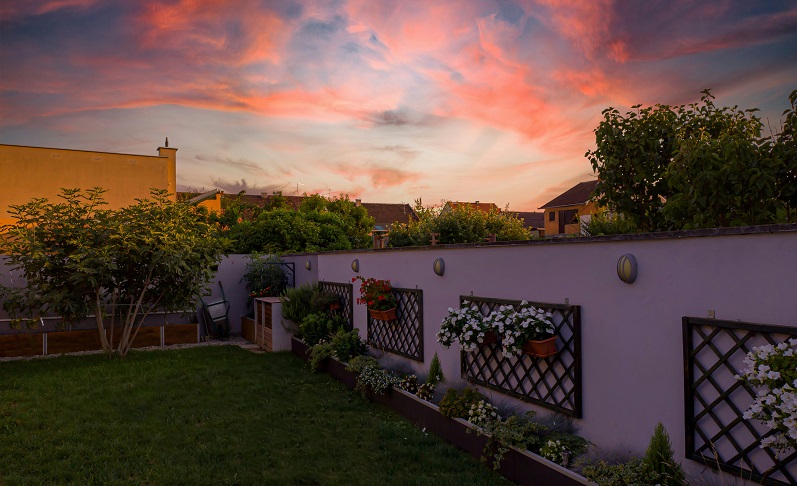
DIY gardening tips has emerged as a popular trend that invites individuals to engage directly with their outdoor spaces. This approach not only allows homeowners to beautify their backyards but also encourages personal creativity and innovation. By embarking on DIY gardening projects, individuals can explore their unique style while adding a personal touch to their gardens.
One of the primary benefits of DIY gardening is its potential for sustainability. Engaging in gardening activities encourages the use of organic materials and promotes ecological awareness. Homeowners can opt to grow their own plants, flowers, and vegetables, minimizing reliance on store-bought products that may involve harmful chemicals or excessive packaging. This organic emphasis not only reflects a commitment to a healthier lifestyle but also nurtures the environment.
Cost-effectiveness is another significant advantage of DIY gardening. By undertaking gardening projects themselves, individuals can save on labor costs associated with hiring professionals. Simple techniques, such as repurposing materials or utilizing items already available at home, further reduce expenditures. Moreover, the satisfaction derived from cultivating one’s garden can be immeasurable, as effort and creativity combine to transform outdoor spaces into personal paradises.
Furthermore, DIY gardening allows for modifications that enhance both aesthetic appeal and functionality. Homeowners can create tailored spaces that promote relaxation and enjoyment, enriching their outdoor experience. Whether it involves the installation of raised garden beds, flower borders, or decorative pathways, these personal endeavors foster a deep connection between individuals and their natural surroundings.
In summary, engaging in DIY gardening presents an opportunity to beautify backyards through creativity, sustainability, and cost-saving projects. The benefits extend beyond mere aesthetics, encouraging a harmonious relationship between individuals and their environments.
Planning Your Garden Space
Assessing and planning your garden space is a vital first step in any DIY gardening project. Understanding the unique characteristics of your backyard can significantly influence the success of your garden. Start by evaluating the amount of sunlight your garden receives throughout the day, as different plants require varying levels of sun exposure. Observe the patterns of light, taking note of areas that receive full sun, partial shade, or complete shade. This information will dictate which plants are most suitable for each section of your garden.
Next, consider the type of soil in your garden. Testing your soil can help determine its pH level, drainage capabilities, and nutrient content. To create a thriving plant ecosystem, you may need to amend your soil with compost, fertilizers, or other soil enhancers. Understanding your soil type will guide your choice of plants as some species thrive in sandy soil while others prefer clay or loamy conditions.
The available space in your backyard is another crucial factor. Whether you possess a small balcony, a modest backyard, or an expansive landscape, tailoring your garden to fit the space is essential. Opt for vertical gardening solutions like wall planters or trellises for smaller areas to maximize greenery without crowding. Conversely, larger spaces offer the opportunity for diverse garden layouts, such as herb spirals or raised beds.
Finally, reflect on your garden preferences and aspirations. Think about your gardening goals, be it growing vegetables, creating a flower sanctuary, or establishing a wildlife-friendly habitat. Your vision will influence plant selection and overall design, making the gardening experience truly personalized. Investing time in this planning phase can foster a healthier and more rewarding gardening journey.
Choosing the Right Plants for Your Backyard
When embarking on your DIY garden project, one of the key elements to consider is the selection of plants that will not only thrive in your regional climate but also complement your overall garden design. Assessing your local climate zone is crucial as it dictates which plants will flourish in your area, ensuring that your garden remains vibrant and thriving throughout the seasons.
Begin by researching native plants that are suited for your environment, as they tend to require less care and water while providing essential support to local ecosystems. Selecting plants that are indigenous to your region minimizes the impact of pests and diseases, allowing your garden to be more sustainable and low-maintenance. Additionally, consider incorporating a mix of perennials and annuals. Perennials return year after year, while annuals can offer seasonal bursts of color, making them an excellent choice for adding visual interest to your backyard.
For those with busy lifestyles, low-maintenance plant options can provide an attractive solution without the need for constant upkeep. Plants such as succulents and ornamental grasses are not only visually striking but also require minimal care, making them perfect for individuals with time constraints. Furthermore, investing in proper irrigation systems can help sustain your plants during hotter months without requiring excessive labor.
It is also beneficial to reflect on your personal preferences when selecting plants. Consider colors, textures, and sizes that resonate with your taste and the theme of your garden design. Ultimately, the best plants for your backyard will harmonize with their environment, satisfy aesthetic desires, and align with your gardening capacities.
Creative Landscaping Ideas
Transforming a backyard through creative landscaping can enhance its aesthetic appeal and functionality. One effective method is to create garden beds that not only serve as a focal point but also provide an opportunity to showcase a variety of plants. Choose a combination of perennial and annual flowers for vibrant colors throughout the seasons, and consider incorporating native plants that require less maintenance and are well-suited to the local environment.
Implementing paths and walkways within the backyard can improve accessibility and encourage exploration. Materials such as gravel, stone pavers, or reclaimed wood can create inviting pathways that guide visitors through the garden. Additionally, meandering paths can mimic natural landscapes, offering an organic flow that integrates with surrounding greenery.
Adding decorative rocks can elevate the design of your landscaping. These features can serve multiple purposes: they can help control weeds, accentuate garden beds, or create visual interest. Position larger rocks as statement pieces within the garden, while smaller pebbles can be used in pathways or to outline specific areas. It is essential to select stones that complement the overall theme of the garden.
Incorporating raised beds for vegetables and herbs is another excellent landscaping idea that promotes sustainability while enriching the beauty of your backyard. Raised beds provide better drainage and soil quality, leading to healthier plant growth. These structures can be customized with various wood types, heights, and even colors, allowing for a personalized touch. Furthermore, arranging raised beds in a grid pattern can create an organized look while maximizing space.
In summary, these creative landscaping ideas can significantly enhance your outdoor space. From garden beds to decorative rocks and from pathways to raised vegetable plots, each element contributes to a unique and harmonious landscape design that reflects personal style and promotes enjoyment of nature.
DIY Garden Structures
Enhancing your garden’s beauty can be achieved through various structures. Trellises, pergolas, arbors, and garden sheds not only serve functional purposes but also add aesthetic value to your outdoor space. DIY gardening tips allows you to customize these elements according to your preferences and the style of your garden.
Trellises are versatile and can be used to support climbing plants, creating a natural green backdrop. They can be crafted from various materials, including wood, metal, or PVC. For a rustic look, consider using reclaimed wood. A simple design involves two vertical posts with a crossbeam on top, providing ample support for vines and creating a serene atmosphere.
Pergolas offer a more substantial architectural feature, often serving as an outdoor living space. A DIY gardening tips pergola can be made from pressure-treated lumber, which withstands weather conditions and provides durability. Incorporating climbing plants can further enhance the structure, offering shade and a unique visual appeal. For design, consider open beam structures that allow for light and air while creating defined spaces in your garden.
An arbor not only serves as an entry point but also as a focal point in the garden. These structures can be adorned with flowering vines, instantly transforming them into living art. A DIY arbor can be constructed with a framework of timber and crossbeams, decorated with hanging planters or string lights for an enchanting evening glow.
Lastly, garden sheds are a practical addition that can complement your garden’s aesthetics while providing storage. Building a shed from wood or recycled materials can give a charming appearance, especially when painted in colors that match your garden decor. Decorative elements such as windows and awnings can break the monotony of the structure and enhance its visual appeal.
By incorporating these DIY garden structures, you can elevate your backyard’s charm, making it an inviting space for all to enjoy.
Unique Decor and Accessories
Enhancing your garden’s aesthetic can be accomplished through the thoughtful selection of unique decor and accessories. From charming sculptures to whimsical bird feeders and soothing wind chimes, these elements can transform an ordinary garden into a delightful retreat. Each piece serves not only a decorative purpose but also expresses personal taste and complements the natural surroundings.
Garden sculptures are especially effective in adding a focal point to your outdoor space. These can range from large, eye-catching pieces to smaller, subtle accents. Opting for sculptures that reflect your interests or hobbies can create a personalized environment. When considering placement, think about visibility and how the sculpture interacts with landscaping elements, ensuring a cohesive look.
Bird feeders provide another opportunity to introduce unique decor while also attracting wildlife. These can be crafted from various materials, including wood, metal, or glass, and can be designed to match your garden’s theme. Beyond practical use, a creatively designed bird feeder can serve as a statement piece, enticing both birds and visitors alike. Additionally, placing feeders in strategic locations could enhance your garden experience, allowing you to enjoy the serene sight of birds visiting.
Wind chimes add a sensory dimension to the garden with their melodic sounds. When considering wind chimes, look for materials that harmonize with the natural sounds of your garden. Handmade options can reflect your personal style, making them a favorite choice for garden enthusiasts. These chimes can be fashioned from repurposed items, such as old utensils or glass, presenting a sustainable aspect to your decor.
Incorporating these unique decor suggestions not only enhances your garden’s appeal but also allows you to express creativity and individuality. By repurposing old items or crafting new decorations from scratch, you can curate a garden space that is truly your own.
Water Features for Tranquility
Incorporating water features into your backyard garden can significantly enhance its aesthetic appeal, while also providing a serene atmosphere. The gentle sound of flowing water can evoke a sense of relaxation, making it an ideal element for creating a tranquil outdoor space. There are several types of water features that DIY enthusiasts can consider, including ponds, fountains, and small waterfalls. Each offers unique benefits and can be tailored to suit various garden styles.
Ponds are a versatile choice for creating a focal point in your garden. They can be designed to accommodate aquatic plants and fish, providing an engaging ecosystem. To construct a pond, begin by selecting a location that receives ample sunlight and is visible from key vantage points. After marking the shape of your pond on the ground, excavate the area and add a pond liner to prevent leaks. Once filled with water, you can introduce plants and fish to enhance the ecosystem and overall beauty.
Fountains, on the other hand, can add a dynamic element to your garden with their continuous water flow. They come in various designs, from traditional tiered structures to modern wall-mounted options. To create a DIY gardening tips fountain, select a pump and container that suits your design scheme. Ensure that the pump is powerful enough to circulate water effectively, and incorporate decorative stones or plants to enhance the visual appeal.
Small waterfalls can be integrated into rock gardens or landscape designs, providing a soothing sound and appearance. Building a waterfall involves the careful arrangement of rocks to create a natural look, and using a reservoir to collect the water. This feature can be both visually and audibly appealing, contributing to the calming atmosphere of your backyard.
Ultimately, regardless of the type of water feature you choose, proper maintenance is essential for keeping it looking and functioning well. Regularly clean the pump, monitor water levels, and check for any debris that may obstruct the flow. By thoughtfully planning, building, and maintaining your water features, you can create a peaceful retreat that enhances the tranquility of your backyard garden.
Upcycling and recycling have become essential practices in modern gardening, and their significance is reflected in the rise of DIY garden projects aimed at enhancing the backyard’s aesthetics while promoting sustainability. By creatively reusing materials that might otherwise be discarded, gardeners can contribute to both environmental conservation and personal creativity.
One popular approach is the use of wooden pallets. These versatile items can be transformed into unique planter boxes, vertical gardens, or even garden benches. To create a planter box, one simply needs to disassemble the pallet to obtain the flat wooden slats, which can be reassembled into a box shape. Adding a liner to retain soil while allowing drainage, significantly elevates the functionality of this upcycled solution. Vertical gardens fashioned from pallets also provide space-saving options, allowing gardeners to introduce more greenery into smaller areas.
Containers of various sorts can serve a multitude of purposes in an upcycled garden. For example, teacups, mason jars, and tin cans can be used for planting herbs or flowers, enhancing the garden’s visual interest and charm. The key is to ensure all containers have drainage holes to promote healthy plant growth. Similarly, old tires are often utilized as colorful planter beds that not only save space but also add a whimsical touch to the garden landscape. Painting tires in bright colors can further inject personality into your outdoor space.
These practices encourage the reuse of materials that might otherwise contribute to landfill waste, emphasizing the importance of sustainability in gardening. Integrating upcycled items enhances the natural beauty of the garden while also creating a unique focal point that showcases the gardener’s ingenuity and care for the environment. As such, the act of upcycling not only benefits individual gardens but also promotes a broader culture of sustainable living.
Conclusion and Final Thoughts
As we navigate through the various DIY garden ideas presented in this blog post, it becomes increasingly clear that transforming your backyard into a personal oasis is within reach. From simple plant arrangements to innovative repurposing of materials, each idea serves to enhance the beauty of your outdoor space. The incorporation of natural elements not only brings aesthetic value but also fosters a sense of tranquility and peace in your home.
Throughout this post, we’ve explored how creativity can dramatically affect the overall ambiance of your backyard. Engaging in DIY gardening tips garden projects allows homeowners to tailor their spaces to reflect personal tastes and lifestyle needs. By integrating unique features such as vertical gardens, decorative pathways, and upcycled furniture, anyone can cultivate a vibrant environment that engages both residents and visitors alike.
Moreover, embarking on these projects can be a fulfilling experience, encouraging you to connect with nature and escape from the hustle of daily life. The joy that comes from seeing your efforts bloom and flourish in the form of colorful flowers, lush greenery, and inviting seating areas can significantly enhance your outdoor living experience.
Ultimately, the decision to develop your backyard with DIY gardening projects rests in your hands. We hope this blog has ignited your imagination and motivated you to roll up your sleeves and get started. Your backyard holds immense potential waiting to be unlocked. It is time to let your creativity flourish by implementing these garden ideas, thereby crafting a space that is not only beautiful but also a true reflection of who you are. Turn your vision into reality and enjoy the fruits of your labor in a stunning outdoor setting.