
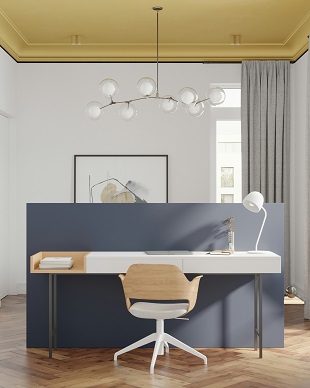
In recent years, the concept of a modern home office has evolved significantly, largely propelled by the rise of remote work. With many professionals now opting to work from the comfort of their homes, it has become increasingly important to establish a dedicated workspace that not only promotes productivity but also embodies an aesthetic appeal. A well-designed home office can enhance focus, foster creativity, and produce a balanced work-life dynamic.
The modern home office is characterized by a harmonious blend of functionality and style, where practicality meets contemporary design. As remote workers endeavor to create their ideal workspace, they are often faced with the challenge of achieving a professional atmosphere while ensuring personal comfort. This delicate balance is essential for maintaining motivation throughout the workday.
Within the framework of a modern home office, several core elements contribute to its effectiveness. Ergonomic furniture, such as adjustable chairs and height-compliant desks, is vital for promoting health and well-being during long hours of work. Furthermore, the integration of technology is key, as remote workers often rely on various digital tools to communicate and collaborate with colleagues. Thus, investing in high-quality equipment, including computers and printers, can significantly improve one’s efficiency.
Moreover, the aesthetic components of a modern home office should not be overlooked. Thoughtful decor choices, from wall colors to the incorporation of greenery, play a crucial role in creating a welcoming environment. Personal touches, such as artwork or family photos, contribute to a unique workspace that inspires and energizes the user. Overall, the modern home office reflects the necessity for remote workers to blend professionalism with comfort, creating an inviting and productive setting.
Choosing the Right Colors and Themes
Color and theme play a crucial role in shaping the mood and productivity levels of a home office. The colors chosen can influence both emotional responses and cognitive functions. Therefore, it is essential to carefully consider the color scheme and overall theme of the workspace.
Neutral tones, such as beige, gray, and whites, are popular in modern home offices. These colors create a serene environment that promotes focus and reduces distractions. They also serve as a versatile backdrop for more vibrant accents, such as artwork or decorative items. When implemented correctly, neutral shades can create a sophisticated atmosphere while allowing for personal expression through accessories.
On the other hand, vibrant colors such as teal, mustard yellow, or coral can inject energy and enthusiasm into the workspace. These hues can be particularly beneficial for creative professionals or individuals seeking to foster a lively work atmosphere. However, it is advisable to integrate vibrant colors in moderation to prevent overwhelming the senses and to maintain a balance between creativity and professionalism.
Calming palettes, including soft blues and greens, are endorsed for those who may require a tranquil workspace. These colors have been shown to reduce stress and promote relaxation, making them suitable for high-pressure jobs. When choosing a calming theme, consider incorporating natural elements like plants to enhance the effect.
When selecting a theme, it is important to reflect your personal style while ensuring that it remains professional. For instance, a minimalist approach may resonate well with those who prefer clean lines and minimal clutter, while a more eclectic theme might feature various textures and personal items. Ultimately, the goal is to create a harmonious environment that fosters productivity while representing individual tastes.
Furniture Essentials for Comfort and Functionality
Creating a conducive environment for remote work requires careful selection of furniture that prioritizes comfort and efficiency. The cornerstone of any modern home office is an ergonomic chair. These chairs are designed to support the natural curve of the spine, reducing fatigue and discomfort during long working hours. When selecting an ergonomic chair, look for adjustable features such as seat height, lumbar support, and armrests to suit individual preferences and body types.
Equally important is the choice of an adjustable desk. Standing desks or a desk that can alternate between sitting and standing positions can help to break the monotony of prolonged sitting and promote better posture. These desks often come with electric or manual adjustments, allowing for easy transitions throughout the day. When considering a desk, ensure it provides ample surface area for your computer, paperwork, and any other necessary tools. It should also accommodate your personal work style, whether you prefer a minimalist setup or require additional space for various devices.
Furthermore, effective storage solutions cannot be overlooked in a modern home office. A well-organized workspace minimizes distractions and enhances productivity. Consider using shelves, filing cabinets, or mobile storage units that can fit under desks. These items keep documents and office supplies out of sight yet easily accessible. Opt for storage solutions that match the overall aesthetic of your office while being functional. Incorporating multi-purpose furniture, such as storage ottomans, can also help maintain a clutter-free environment, achieving a balance between comfort and functionality.
Incorporating Technology into Your Workspace
In the age of remote work, the incorporation of technology into your home office has never been more crucial. A well-structured workspace, equipped with the right gadgets and tools, can significantly enhance productivity and create a more efficient working environment. By integrating advanced technology, individuals can enjoy the benefits of improved ergonomics and better organization, making it easier to focus on tasks at hand.
One of the essential gadgets is a standing desk, which encourages movement and helps combat the negative effects of prolonged sitting. With the ability to adjust height, a standing desk can cater to various working preferences, allowing for a healthier work pace. Additionally, investing in multiple monitors can greatly increase productivity, as they allow for better multitasking and reduce the time spent switching between applications. This setup helps maintain a clear overview of ongoing projects and enhances workflow efficiency.
Smart lighting is another significant technological advancement that can transform a home office. Proper lighting not only reduces eye strain but also helps set the mood for focused work. Smart bulbs that can be customized for brightness and color temperature promote alertness during the day while transitioning to warmer tones in the evening, harmonizing your workspace with your daily rhythm.
Furthermore, organizing cables and ensuring tech management is a vital aspect of a sleek and efficient workspace. A cluttered desk can lead to distractions, undermining productivity. Using cable management solutions such as cable sleeves, clips, or under-desk trays can declutter your area and promote a more aesthetic environment. Tech organization will also facilitate easy access to devices when needed, streamlining your workflow.
Personalization Through Decor and Accessories
Creating a personalized home office environment is essential for remote workers, as it combines functionality with individual expression. Personalizing your workspace can be achieved through thoughtful decor and accessories that reflect your personality and inspire productivity while still maintaining a professional atmosphere.
One effective way to imbue your home office with character is through the use of wall art. Selecting pieces that resonate with your personal experiences or aspirations can enhance your workspace. For instance, consider incorporating a carefully curated gallery wall featuring artwork, photographs, or even creative prints that signal your interests and motivations. This not only beautifies the space but also serves as a constant source of inspiration.
In addition to wall art, incorporating inspiring quotes can further personalize your setting. Using framed prints or wall decals, select affirmations or motivational quotes that set a positive tone for your workday. Positioning these quotes within your line of sight can provide an uplifting reminder of your goals and achievements, thereby reinforcing a productive mindset.
Another element to consider is the introduction of greenery through plants. The presence of houseplants can purify the air and create a calming environment, making your workspace feel more alive and connected to nature. Opt for easy-to-care-for varieties, such as succulents or snake plants, which require minimal maintenance while adding visual appeal.
Finally, meaningful decor items—such as souvenirs from travels or gifts from loved ones—can add a personal touch to your workspace. These items act as conversational pieces and reminders of cherished moments, fostering creativity and a sense of belonging in your office. Ultimately, the aim of personalization is to create a space that feels uniquely yours, enhancing both comfort and productivity.
Maximizing Natural Light and Ambience
In the context of a home office, the presence of natural light significantly enhances the overall work environment. Exposure to sunlight not only boosts mood and energy levels but also improves productivity. Designing a workspace that maximizes natural light can lead to a more pleasant and effective working atmosphere.
One effective way to harness the benefits of natural light is through thoughtful layout design. Positioning the desk near windows allows for optimal sunlight during working hours. It is essential to consider the sun’s path throughout the day when deciding on the placement of furniture, ensuring that workspaces remain bright and inviting. Moreover, utilizing mirrors strategically can help reflect and amplify daylight, thus enhancing the overall brightness of the room.
When selecting window treatments, aim for options that allow flexibility and control over light levels. Sheer curtains or blinds can filter excessive sunlight while still allowing natural light to enter the space. This approach not only reduces glare on screens but also maintains an airy ambiance. Additionally, consider implementing window films that can maximize light infiltration without compromising privacy or heating.
In terms of lighting options, incorporating adjustable LED lights mimicking natural light can be beneficial, especially during darker hours or overcast days. Combining ambient lighting with task lighting can create a well-lit environment, increasing focus and minimizing eye strain.
By employing these strategies, a home office can evolve into a bright haven enriched with warmth and positivity. Ultimately, maximizing natural light transforms the workspace, promoting a more productive and enjoyable remote work experience while ensuring that the environment stays inviting and energy-efficient.
Creating Zones for Different Tasks
As remote work gains popularity, optimizing home office spaces becomes essential for maintaining productivity and creativity. One effective strategy is creating distinct zones tailored to specific tasks. By dividing your workspace into areas dedicated to different activities, you can foster an organized environment that enhances focus and efficiency.
To begin, identify the primary tasks you perform daily. Common categories include focused work, creative brainstorming, and virtual meetings. Once you have a clear understanding of your needs, consider how to arrange your office furniture to support these tasks. A spacious desk with minimal clutter serves well for concentrated work. Ensure that the desk is positioned in a way that minimizes distractions, perhaps facing a wall or a window with a pleasant view.
For brainstorming sessions, include a comfortable seating area with cozy chairs or a small sofa that encourages relaxation and open thinking. A whiteboard or corkboard nearby can be helpful for jotting down ideas quickly. This space should inspire creativity and allow for easy collaboration, especially if you invite colleagues or team members to join virtual brainstorming sessions.
Lastly, designate a particular area for virtual meetings. This may involve creating a backdrop that is both professional and visually appealing. Ensure good lighting and acoustics in this zone to facilitate clear communication. A simple room divider can help differentiate this area from others, enhancing your focus during calls and providing a sense of boundary between the different tasks.
By strategically zoning your home office, you can streamline your workflow, enhance productivity, and create an environment conducive to both work and creativity. Implementing these zones might require some trial and error, but the benefits will greatly improve your remote work experience.
Sustainable Decor Choices for a Modern Office
As the trend of remote work continues to gain traction, many individuals are seeking ways to create a more sustainable home office environment. Sustainability in home decor reflects a growing commitment to minimizing environmental impact while promoting personal well-being and productivity. Integrating sustainable choices into your office design can significantly influence not only your workspace aesthetics but also contribute to environmental conservation.
When selecting office furniture, consider options made from reclaimed wood, bamboo, or other sustainably sourced materials. Reclaimed wood, in particular, adds character and uniqueness to your office, while ensuring that fewer trees are cut down. Similarly, bamboo is a fast-growing material that boasts durability and a reduced carbon footprint compared to traditional hardwoods.
In addition to furniture choices, many modern office accessories are crafted from recycled or eco-friendly materials. Items such as desk organizers made from recycled plastics, biodegradable or compostable office supplies, and even lighting fixtures that use energy-efficient LED bulbs can elevate the sustainability factor of your workspace.
Moreover, choosing low-VOC (volatile organic compounds) paints and finishes can enhance indoor air quality while reducing harmful emissions. When selecting decor items, look for products that are locally made or support fair trade practices, as these choices often have a lower environmental impact compared to mass-produced alternatives.
Plants also play a vital role in sustainable office decor, contributing to air purification and promoting a calming atmosphere. Incorporating greenery not only brightens up the space but also reinforces a commitment to a sustainable lifestyle.
Ultimately, creating a modern home office that embraces sustainable decor choices showcases an individual’s dedication to environmental responsibility while enhancing both the functionality and aesthetics of their workspace. By prioritizing eco-friendly options, one can foster a more sustainable approach to remote work.
Conclusion and Call to Action
As we have explored throughout this blog post, creating an effective home office environment is essential for enhancing productivity and maintaining motivation while working remotely. From selecting the right furniture that combines comfort and style, to incorporating elements of personal expression through decor, every detail plays a significant role in establishing a workspace that caters to your needs and preferences.
In the previous sections, we discussed various decor ideas, such as using color schemes that promote focus, lighting that creates an inviting ambiance, and organizational tools that maximize efficiency. While the concepts covered are diverse, the underlying theme remains the same: a thoughtfully designed home office can greatly influence your work experience. By emphasizing functionality and aesthetics, you can craft a space that not only fosters creativity but also reflects your individuality.
We encourage you to take a moment to reflect on your current home office setup. Is it serving you as well as it could? Consider whether your workspace is optimized for your specific work habits and preferences. There may be simple adjustments that can enhance your productivity and overall comfort.
Lastly, we invite you to engage with our community by sharing your own home office decor ideas and transformation stories. What unique elements have you added to your workspace? How have they improved your work-life balance? Your experiences can inspire others who are also on the journey to creating the perfect home office environment. Let’s continue this conversation and learn from one another as we adapt to the evolving landscape of remote work.