
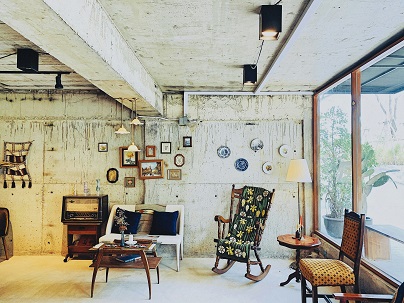
Home decor trends encompass the latest styles, colors, and designs that influence how individuals choose to personalize their living spaces. These trends are more than mere fleeting fads; they reflect broader cultural movements and the changing narratives of societal values. Understanding home decor trends is essential for homeowners looking to create an environment that resonates with their personal taste while also staying current with contemporary aesthetics.
Over the years, home decor has evolved significantly, informed by factors such as globalization, advancements in technology, and shifts in lifestyle preferences. For instance, the rise of social media has made it easier for diverse global trends to permeate individual homes. A decor style that originates in one part of the world can quickly become a trending focal point in another, as seen with the embrace of minimalism or bohemian themes in various countries.
Additionally, lifestyle changes such as remote work and urbanization have shifted priorities regarding home aesthetics. People are investing more in making their living spaces functional yet stylish, leading to a notable rise in multifunctional furniture and cozy home environments. This evolution indicates that decor trends are not static; they continuously adapt to meet the dynamics of everyday life.
Moreover, the impact of environmental awareness has steered many towards sustainable decor options, merging style with ecological responsibility. As these trends develop, they encapsulate the collective attitude of society towards beauty, functionality, and sustainability in design.
Minimalist Aesthetic: The Power of Less
The minimalist aesthetic has gained considerable traction in the realm of home decor, celebrated for its core principles that emphasize simplicity, functionality, and a clutter-free environment. This design philosophy advocates for the idea that less is indeed more, creating spaces that evoke a sense of tranquility and clarity. By stripping away excess, minimalist decor aims to enhance the overall experience of a living space.
When considering color palettes within this style, neutral tones take precedence. Shades of white, beige, gray, and soft pastels dominate minimalist interiors, fostering a serene atmosphere. The choice of colors is intentional, as they serve to create an unobtrusive backdrop that highlights the few carefully chosen decor elements. Accessories and furnishings in a minimalist home are often monochromatic, with an emphasis on natural materials such as wood, stone, and leather, which contribute to a grounded, organic feel.
Furniture selections play a pivotal role in achieving a minimalist look. Streamlined and functional pieces are preferred, often characterized by clean lines and geometric shapes. Multi-purpose furniture, such as storage ottomans or convertible sofa beds, exemplifies functional design, effectively maximizing space while maintaining an uncluttered appearance. In minimalist decor, the use of space is paramount; thus, oversized furniture or ornate pieces are typically avoided in favor of items that blend seamlessly into the environment.
This deliberate approach to home decor not only enhances visual appeal but also promotes mental clarity and relaxation. By reducing visual stimulation and clutter, the minimalist aesthetic provides a sanctuary from the frenetic pace of contemporary life. Ultimately, embracing minimalist design encourages individuals to cultivate a living space that reflects their values and priorities, ushering in an atmosphere of peace and harmony.
Bohemian Vibes: A Mix of Cultures
The bohemian decor style, often referred to simply as “boho,” is an eclectic fusion that reflects a rich tapestry of cultural influences and personal expression. It beautifully merges various artistic traditions, resulting in spaces that exude warmth, vibrancy, and a unique sense of wanderlust. To create a remarkable bohemian space, one should consider incorporating a diverse array of patterns, textures, and colors that resonate harmoniously together.
One of the defining characteristics of bohemian style is the use of vibrant colors and eclectic patterns. Think deep jewel tones like emerald greens, rich purples, and fiery oranges paired with bright, intricate prints. Fabrics featuring floral designs, ethnic motifs, and geometric shapes can be layered to enrich the visual experience of any room. Cushions, throws, and rugs are essential accessories that help establish a cozy ambiance, making use of a variety of textures to add depth.
Incorporating artisanal crafts plays a pivotal role in achieving the bohemian look. Handcrafted items, such as macramé wall hangings, ceramic pots, and woven baskets, can act as focal points in the decor. These pieces not only personalize the space but also reflect craftsmanship from different cultures around the globe, enhancing the eclectic aesthetic. Plants are another important element of a bohemian environment, bringing life and a touch of nature indoors. A mixture of potted plants, hanging ferns, and succulents can add vibrant greens and contribute to a serene atmosphere.
Lastly, vintage finds are key to encapsulating the essence of bohemian vibes. Flea market treasures or heirloom pieces can serve as storytelling elements that bring history and character into the home. By harmonizing these various elements of color, texture, and cultural crafts, anyone can create an inviting bohemian sanctuary that feels both unique and timeless.
Mid-Century Modern: Timeless Charm
The mid-century modern decor style has become synonymous with timeless charm and functionality, emphasizing clean lines, organic forms, and a seamless connection between indoors and outdoors. Emerging in the mid-20th century, this design movement reflects a departure from ornate detailing, favoring simplicity and practicality while celebrating the beauty of natural materials. One of the defining attributes of mid-century modern design is the iconic furniture pieces that are both stylish and functional. Furniture designers such as Charles and Ray Eames, and Eero Saarinen left an indelible mark on this era, with pieces boasting geometric shapes and sleek silhouettes. The Eames Lounge Chair and Saarinen’s Tulip Table are quintessential examples that embody the spirit of this aesthetic, marrying comfort with innovative design.
Color palettes within mid-century modern decor play a crucial role in creating the desired atmosphere. Earthy tones such as olive green, mustard yellow, and burnt orange are typically combined with vibrant accent colors like teal and coral. These color choices reflect the natural landscape while inviting warmth and vibrancy into living spaces. Such palettes, when thoughtfully integrated, can enhance the elegance of the decor while still maintaining a peaceful, inviting environment.
Moreover, the emphasis on open spaces is a hallmark of mid-century modern design. Interiors often feature large windows and sliding glass doors that allow natural light to flood the space, creating a sense of openness and airiness. This connection to nature not only fosters a serene ambiance but also encourages a lifestyle that values simplicity and unencumbered movement. In this way, mid-century modern decor successfully marries form and function, resulting in a style that continues to enchant homeowners and designers alike.
Industrial Chic: The Urban Edge
Industrial chic is a design style that has gained popularity in recent years, drawing inspiration from urban warehouses and factories. This aesthetic is characterized by elements such as exposed brick walls, metal accents, and raw materials that together evoke a sense of understated sophistication. To successfully achieve an industrial chic look, several key features should be incorporated into the space.
First and foremost, consider utilizing an open floor plan that showcases large, airy spaces typical of industrial buildings. Exposed brick is a hallmark of this style, so if you have existing brick walls, embrace their natural texture and color. If not, brick veneers or reclaimed wood paneling can simulate the look. Metal accents also play a crucial role; think of using steel, iron, or cast zinc in furniture and decor, such as metal light fixtures, shelving units, or furniture legs.
Another important aspect of industrial chic is the effective use of vintage pieces. Items such as antique furniture or factory-inspired decor can add a unique character to your home. Look for pieces with a patina or those that show signs of wear, which lend authenticity to the industrial theme. Pair these vintage elements with modern accessories such as sleek, contemporary artwork to create a balanced contrast that feels fresh yet familiar.
When it comes to the color palette, industrial chic favors neutral tones. Shades of gray, black, and white dominate, complemented by earthy hues like browns and muted greens. This color scheme not only enhances the raw materials but also contributes to a cohesive design. Incorporating plants or greenery can add warmth and life to the otherwise cool industrial aesthetic.
Incorporating these elements can transform any space into an inviting and stylish haven inspired by the industrial chic movement, combining the charm of old-world craftsmanship with a modern appeal.
Scandinavian Design: Simplicity Meets Functionality
Scandinavian design is celebrated for its emphasis on minimalism, functionality, and an inherent connection to nature. This design style, originating from the Nordic countries, harmoniously combines seamless aesthetics with practical solutions. At the core of Scandinavian styles lies a commitment to simplicity, where each element serves a purpose while contributing to an inviting ambiance.
A key aspect of Scandinavian design is maximizing natural light. Large windows and light-colored walls facilitate sunlight’s entry, creating bright and airy spaces. This focus on illumination not only enhances the visual appeal but also promotes well-being, making rooms feel more spacious and lively. The color palette is often dominated by earthy tones, such as soft whites, grays, and muted greens, evoking a sense of calm and balance within the environment.
Wooden elements play a significant role in this home decor trends style, seamlessly integrating the outdoors with the indoor space. The use of natural materials, particularly light woods like pine, birch, or ash, furthers this connection, providing warmth and texture. Wooden furniture, featured prominently in Scandinavian interiors, embraces clean lines and functional design, ensuring that comfort is never compromised. Items are often multifunctional, reflecting a practical approach to living that values accessibility and efficiency.
The overall aesthetic of simplicity in Scandinavian design encourages a clutter-free environment, promoting a sense of peace and relaxation. Cozy textiles, such as wool throws and linen cushions, add touches of softness and comfort to spaces while enhancing their warm atmosphere. This design approach is not only visually appealing but also elevates the quality of life, asserting the necessity of comfort within stylish homes.
Farmhouse Style: Rustic Appeal
Farmhouse style is a home decor trends that emphasizes a warm, welcoming atmosphere characterized by rustic elements and practicality. This aesthetic captures the essence of rural life, evoking feelings of nostalgia while incorporating modern conveniences. A key element of farmhouse decor is the extensive use of reclaimed wood, which not only lends a natural and organic quality to the space but also showcases the beauty and unique imperfections of the material. Whether it is through wooden beams, furniture, or accent pieces, reclaimed wood creates a cozy ambiance that resonates with many homeowners.
In addition to reclaimed wood, vintage accessories play a crucial role in farmhouse style. These items can range from antique kitchenware and old-fashioned light fixtures to weathered picture frames and signage. They add a layer of depth and character to the decor, often telling a story of the past. This blend of old and new contributes to the inviting nature of a farmhouse setting, where each piece serves as a conversation starter, reflecting the personality of the homeowner.
The color palette found in farmhouse decor typically features soft, muted hues. Shades such as whites, creams, soft grays, and pastel tones create an airy feel, promoting a sense of calm and tranquility. Such colors can be incorporated in various elements including wall paint, upholstery fabrics, and decorative accessories. By combining these gentle shades with rustic materials, farmhouse style achieves a sophisticated yet comfortable look that appeals to a wide audience.
Ultimately, farmhouse style influences various aspects of interior design, driving homeowners to seek out that perfect blend of rustic charm and modern convenience, creating spaces that truly feel like home.
Contemporary Elegance: Modern with a Twist
Contemporary decor represents a dynamic fusion of modern design elements imbued with a sophisticated twist. Characterized by clean lines, smooth surfaces, and a palette that embraces both bold colors and muted tones, contemporary decor creates an inviting yet stimulating environment. This aesthetic moves away from rigid definitions of style and instead embraces creativity and innovation, making it a popular choice among homeowners and designers.
One of the most defining features of contemporary elegance is the strategic use of color. In this style, deep jewel tones can coexist harmoniously alongside softer pastels or stark neutrals, creating a visually striking contrast that draws attention. Incorporating bold colors in accent pieces—such as cushions, art, or statement furniture—allows for personal expression without overwhelming the space. The key lies in maintaining a cohesive look through careful selection and placement of color.
Sleek lines and minimalistic designs dominate furniture and fixtures in contemporary interiors. This clean aesthetic is achieved through the use of innovative materials such as glass, polished metals, and engineered woods. These elements not only enhance the visual appeal but also contribute to the overall functionality of the space. For example, a glass coffee table can provide an airy feel, while a metal lighting fixture can add a touch of sophistication.
To effectively incorporate contemporary elegance into your home decor, consider blending various textures and finishes to add depth and interest. Layering fabrics, mixing materials, and playing with shapes enable a personalized touch that reflects one’s individual taste. By carefully curating each element, one can achieve an effortlessly chic ambiance that exemplifies modern living with a tasteful twist.
Conclusion: Finding Your Personal Style
In the journey of decorating one’s home, the exploration of various trendy decor styles can be both inspiring and enriching. Each individual possesses unique tastes and preferences that shape their aesthetic choices. As we have discussed, there are numerous home decor styles, from minimalist and industrial to bohemian and rustic, each offering different atmospheres and vibes.
Finding a personal decor style is paramount, as it not only transforms spaces but also reflects one’s personality and lifestyle. Rather than sticking strictly to one particular style, individuals are encouraged to experiment and embrace a mix of elements that resonate with them. Mixing trends can lead to a more eclectic and personalized look, allowing homeowners to express their individuality in meaningful ways. This approach ensures that the space feels authentic and comfortable, nurturing a sense of belonging and warmth.
Moreover, the process of exploring trendy home decor trends styles can be delightful. Engaging in creativity, whether it involves incorporating bold patterns, innovative furniture pieces, or unique accessories, fosters excitement in designing spaces. Each choice made should reflect personal stories or interests, further enhancing the emotional connection to the environment.
Ultimately, the most important factor in home decor is that it should evoke a sense of happiness and well-being. Thus, as one navigates through the vast sea of decor trends, it is essential to focus on what resonates most. By doing so, individuals will cultivate spaces that are not only beautiful but also genuinely representative of themselves.