
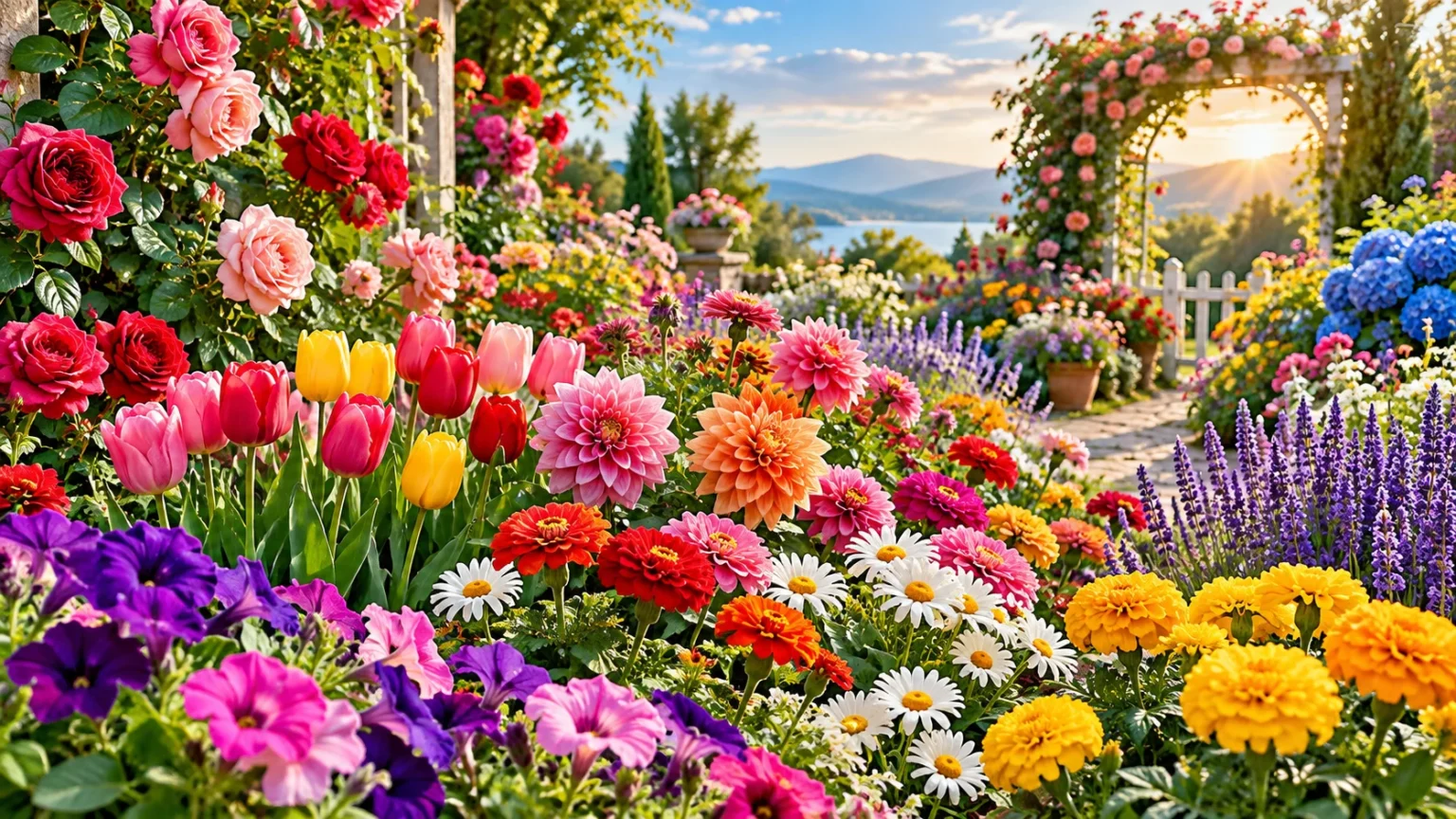
Flowers have a special way of transforming ordinary outdoor spaces into beautiful, welcoming gardens filled with life and natural beauty. From bright yellow sunflowers and vibrant red dahlias to delicate pink cosmos and colorful petunias, flowering plants bring charm and personality to any landscape. Whether you have a spacious backyard, a small balcony, or a few decorative pots, growing colorful flowers can make your surroundings more attractive.
Choosing the right colorful flower varieties can help you create a garden that looks beautiful throughout different seasons. Some flowers thrive in bright sunlight, while others prefer shaded areas, making it possible to find attractive plants for almost every growing environment. This guide explores beautiful colorful flowers you’ll want to grow, their unique characteristics, and practical gardening tips for keeping your blooms vibrant and healthy.
Why Colorful Flowers Are Perfect for Every Garden
Colorful flowers bring visual interest to outdoor spaces by introducing different shades, textures, shapes, and blooming patterns. A carefully designed flower garden can transform an empty backyard into an inviting landscape filled with seasonal beauty. Whether you prefer bold red blossoms, delicate purple petals, or soft pastel combinations, flowering plants allow you to create a garden that reflects your personal style.
Another important benefit of growing colorful flowers is their ability to attract beneficial garden visitors. Many flowering plants provide nectar and pollen for bees, butterflies, and other pollinating insects. Including different flower varieties with overlapping blooming periods can support these visitors throughout the growing season while adding movement and natural diversity to your outdoor environment.
Colorful flowers are also available in varieties suitable for different climates, garden sizes, and maintenance preferences. Some annual flowers produce abundant blooms during a single growing season, while suitable perennial varieties return for multiple years. Understanding these differences helps gardeners select flowers that match their local conditions, available space, and desired level of gardening responsibility.
Zinnias: Bright Colorful Flowers That Are Easy to Grow
Zinnias are among the most popular colorful flowers for home gardens because they produce cheerful blossoms in a remarkable range of shades. Their flowers appear in red, pink, orange, yellow, purple, and white, with some varieties featuring multiple colors. These vibrant annuals work beautifully in flower beds, garden borders, and cutting gardens where continuous summer color is desired.
One of the biggest advantages of growing zinnias is their relatively simple maintenance requirements. They prefer full sunlight, well-drained soil, and sufficient space for healthy air circulation. Once established, many varieties tolerate warm weather well, making them excellent choices for sunny gardens where colorful blooms can brighten outdoor areas throughout the growing season.
Zinnias are also attractive to butterflies and other pollinating insects, particularly varieties with accessible flower centers. Removing faded blossoms encourages many plants to continue producing new flowers rather than focusing entirely on seed development. Gardeners can combine different zinnia heights and colors to create dramatic displays that remain visually appealing until cooler weather ends the season.
Marigolds: Beautiful Yellow and Orange Flowers for Sunny Spaces
Marigolds are cheerful flowering plants recognized for their bright yellow, golden, orange, and reddish blossoms. Their warm colors make them especially attractive in garden borders, decorative containers, and mixed flower arrangements. These popular annual flowers can complement green foliage beautifully, creating vibrant contrasts that make even relatively simple garden designs appear lively and welcoming.
Most garden marigolds grow best in locations receiving plenty of direct sunlight throughout the day. They generally prefer well-drained soil and can tolerate periods of warm weather once their roots become established. Compact varieties are particularly useful for edging pathways, while taller African marigolds can provide impressive flowering displays toward the middle or back of garden beds.
Marigolds are often included in vegetable gardens and ornamental landscapes because of their bright appearance and distinctive foliage. Although they are sometimes associated with pest management, their effectiveness varies depending on the species and gardening situation. Regular watering during establishment, occasional removal of faded flowers, and suitable growing conditions can help maintain attractive blooms throughout the warmer months.
Petunias: Colorful Flowers for Hanging Baskets and Containers
Petunias are excellent choices for gardeners who want beautiful flowers in containers, window boxes, and hanging baskets. Their trumpet-shaped blooms appear in pink, purple, red, white, blue-violet, and attractive multicolored patterns. Some varieties feature stripes, contrasting edges, or dramatic dark centers, making petunias especially appealing for decorative displays around patios, balconies, and garden entrances.
These popular flowering plants generally perform best with plenty of sunlight and consistently well-drained growing conditions. Petunias grown in containers may require more frequent watering because potting mixes dry faster than garden soil. Choosing suitable containers with drainage holes helps prevent waterlogged roots while supporting healthy growth and abundant flowering during favorable weather.
Different petunia varieties offer distinct growth habits, including compact mounds and trailing plants that spill beautifully over container edges. Some modern varieties bloom continuously with relatively little deadheading, while others benefit from regular maintenance. Combining petunias with complementary foliage plants or other colorful annuals can produce attractive arrangements that brighten smaller outdoor spaces.
Dahlias: Stunning Colorful Flowers With Dramatic Blooms
Dahlias are among the most spectacular garden flowers, admired for their intricate petal arrangements and extraordinary range of colors. Their blossoms vary from small, rounded pompons to enormous decorative flowers with layers of beautiful petals. Available in vibrant pink, red, orange, yellow, purple, and white, dahlias create impressive displays that attract attention in almost any flower garden.
Most dahlias thrive in sunny locations with fertile, well-drained soil and sufficient moisture during active growth. They grow from tuberous roots and usually produce their most impressive flowering displays during summer and autumn. Taller varieties often benefit from supports that prevent heavy stems from bending, particularly when large blossoms develop during windy or rainy conditions.
Gardeners living in regions with freezing winters may need to lift and store dahlia tubers after frost because many varieties cannot survive frozen soil. In milder climates, suitable protection may allow tubers to remain in the ground. Removing spent blooms and maintaining consistent plant care can encourage additional flowers, making dahlias rewarding choices for decorative gardens and fresh floral arrangements.
Cosmos and Sunflowers: Cheerful Blooms for Vibrant Gardens
Cosmos are graceful annual flowers known for their delicate petals, airy foliage, and attractive shades of pink, white, purple, and crimson. Their open growth habit gives flower beds a relaxed, natural appearance that works beautifully in cottage-style gardens. Cosmos typically thrive in sunny locations and reasonably well-drained soil, often flowering generously without demanding complicated maintenance routines.
Sunflowers provide a completely different appearance through their bold flower heads, strong stems, and distinctive golden-yellow petals. While traditional varieties are famous for their height, compact sunflowers are also available for smaller gardens and containers. Many sunflowers attract pollinators, and seed-producing varieties can provide food for birds once their flower heads begin to mature.
Combining cosmos and sunflowers creates attractive contrasts between delicate blossoms and large, dramatic flower heads. Both are well suited to sunny garden locations, although their mature sizes and spacing requirements differ. Planting shorter cosmos in front of taller sunflowers can create a layered arrangement that adds movement, texture, and cheerful color to outdoor landscapes.
Coneflowers and Black-Eyed Susans: Colorful Perennial Favorites
Coneflowers, commonly known as echinacea, are beautiful flowering plants recognized for their raised central cones and colorful petals. Traditional purple coneflowers remain popular, while cultivated varieties offer additional shades such as pink, orange, yellow, and white. Many coneflowers are hardy perennials in suitable climates, making them valuable additions to gardens designed for recurring seasonal color.
Black-eyed Susans provide equally attractive displays with their golden-yellow petals and distinctive dark centers. Often associated with naturalistic landscapes and cottage gardens, these flowers can create broad areas of bright summer color. Depending on the species and variety, they may grow as annuals, biennials, or perennials, so selecting appropriate plants for local conditions is important.
Both coneflowers and black-eyed Susans generally appreciate sunny growing locations and soil that drains reasonably well. Established plants of many varieties can tolerate occasional dry conditions, although young plants require consistent moisture. Their accessible blossoms attract pollinators, and leaving selected seed heads standing after flowering can provide seasonal interest and food for visiting birds.
Impatiens and Begonias: Beautiful Colorful Flowers for Shade
Not every colorful flower requires intense sunlight, and some attractive varieties perform better in partially shaded garden locations. Impatiens are especially popular for their soft, colorful blossoms in shades of pink, red, orange, purple, and white. Traditional bedding impatiens can brighten sheltered garden beds and containers where many sun-loving flowering plants struggle to produce abundant blooms.
Begonias offer another excellent option for adding color to gardens receiving filtered sunlight or partial shade. Their flowers may appear in red, pink, orange, yellow, and white, while certain varieties feature beautifully patterned foliage. Depending on the type, begonias can be grown in containers, shaded borders, hanging baskets, or sheltered patios with suitable growing conditions.
Although impatiens and begonias often appreciate protection from harsh afternoon sunlight, their exact light requirements vary by variety. New Guinea impatiens and some modern hybrids tolerate brighter conditions than traditional bedding impatiens. Choosing the appropriate plant for your garden’s sunlight exposure and providing well-drained growing media helps encourage healthy foliage and attractive flowering displays.
Colorful Flowers for Pots, Balconies, and Small Gardens
Limited outdoor space does not prevent gardeners from enjoying a beautiful collection of colorful flowers. Container-friendly plants such as geraniums, verbena, calibrachoa, and dwarf zinnias can create impressive displays in small areas. Their different growth habits, flower shapes, and colors allow gardeners to experiment with attractive arrangements without needing a large backyard or traditional flower beds.
Geraniums, particularly the popular ornamental plants commonly classified as Pelargonium, produce clusters of flowers in bright red, pink, white, and other attractive shades. Many varieties thrive in sunny locations and perform well in containers with proper drainage. Their compact growth and recognizable blossoms make them appealing choices for windowsills, balconies, decorative planters, and garden entrances.
Calibrachoa and trailing verbena are also attractive options for hanging baskets and raised containers because their flowering stems can spill gracefully over the edges. These plants generally appreciate good drainage and suitable sunlight, although requirements vary among varieties. Combining upright flowers with trailing plants creates visual depth and helps smaller spaces appear colorful, balanced, and thoughtfully arranged.
How to Combine Colorful Flowers for a Beautiful Garden Design
Creating an attractive flower garden involves more than planting several colorful varieties together without planning their placement. Consider how flower shades, plant heights, foliage textures, and blooming patterns will interact throughout the growing season. A thoughtful combination of these elements can produce a balanced landscape that feels naturally beautiful rather than overcrowded or visually confusing.
One effective approach is choosing a simple color palette based on complementary or contrasting shades. Purple and yellow flowers create striking visual contrast, while combinations of pink, lavender, and white produce a softer atmosphere. Bright red and orange blossoms can provide energetic focal points, especially when surrounded by green foliage or more neutral flowering plants.
Plant height also influences how attractive a colorful garden appears from different viewing angles. Taller sunflowers and dahlias can provide background interest, while medium-sized zinnias and marigolds fill central spaces. Low-growing petunias and compact annuals work well along borders, creating layered arrangements that allow individual flowers to remain visible throughout their blooming periods.
Essential Tips for Growing Healthy and Colorful Flowers
Successful flower gardening begins with selecting plants suited to your local climate, soil conditions, and available sunlight. Before planting, observe how much direct sunlight different areas receive throughout the day and choose varieties accordingly. Understanding each plant’s mature size, preferred growing season, and drainage requirements helps prevent common problems while creating healthier and more attractive flowering displays.
Proper watering is important because both insufficient moisture and waterlogged soil can negatively affect flower development. Watering near the base of plants helps direct moisture toward the roots and may reduce prolonged leaf wetness. Gardeners should check soil moisture regularly, especially during hot weather, and adjust watering frequency according to plant needs, rainfall, and container conditions.
Other useful gardening practices include removing weeds, maintaining suitable soil fertility, and checking plants for early signs of disease or pests. Some flowering varieties benefit from deadheading, while others naturally continue blooming without frequent removal of faded flowers. Applying appropriate mulch and avoiding excessive fertilizer can also support healthy growth, helping colorful flowers maintain their beauty throughout the season.
Conclusion
Growing colorful flowers is one of the simplest ways to bring natural beauty, seasonal interest, and personality into outdoor spaces. From cheerful zinnias and golden marigolds to elegant dahlias and delicate cosmos, every flowering variety offers something distinctive. Choosing a mixture of colors, flower shapes, and plant heights can transform ordinary gardens into attractive landscapes filled with vibrant blossoms.
The best colorful flowers for your garden depend on your climate, sunlight availability, soil conditions, and maintenance preferences. Sunny locations can support plants such as sunflowers, petunias, and coneflowers, while shaded areas may suit selected impatiens and begonias. Understanding these requirements makes it easier to create beautiful flowering arrangements that remain healthy and visually appealing.
Whether you are designing a large backyard flower bed or decorating a small balcony with colorful containers, successful gardening begins with thoughtful plant selection and consistent care. Experiment with different flower combinations, observe how plants respond to their surroundings, and enjoy their changing appearances throughout the seasons. With patience and creativity, you can grow a colorful flower garden that brings beauty and enjoyment year after year.
Frequently Asked Questions
What Are the Most Beautiful Colorful Flowers to Grow?
Zinnias, dahlias, petunias, marigolds, cosmos, and coneflowers are popular choices for colorful gardens. They offer beautiful blossoms in different shapes and shades, making them suitable for many landscaping styles and growing environments.
Which Colorful Flowers Are Easiest to Grow for Beginners?
Zinnias, marigolds, cosmos, and certain sunflower varieties are generally beginner-friendly flowers. They grow well in suitable sunny locations and usually require straightforward care, including proper watering, spacing, and well-drained soil.
What Colorful Flowers Bloom Throughout Summer?
Zinnias, petunias, marigolds, cosmos, and several dahlia varieties can produce colorful blooms through much of summer under suitable conditions. Flowering duration depends on climate, plant variety, and regular garden maintenance.
Can Colorful Flowers Grow in Pots and Containers?
Yes, many colorful flowers grow beautifully in containers, including petunias, geraniums, begonias, calibrachoa, and compact zinnias. Choose appropriate container sizes, provide drainage, and place the plants where they receive suitable sunlight.
How Can I Keep My Colorful Flowers Blooming Longer?
Provide suitable sunlight, consistent watering, and appropriate soil nutrients. Removing faded flowers when recommended, monitoring plant health, and choosing varieties suited to your climate can encourage healthier growth and longer-lasting flowering displays.