
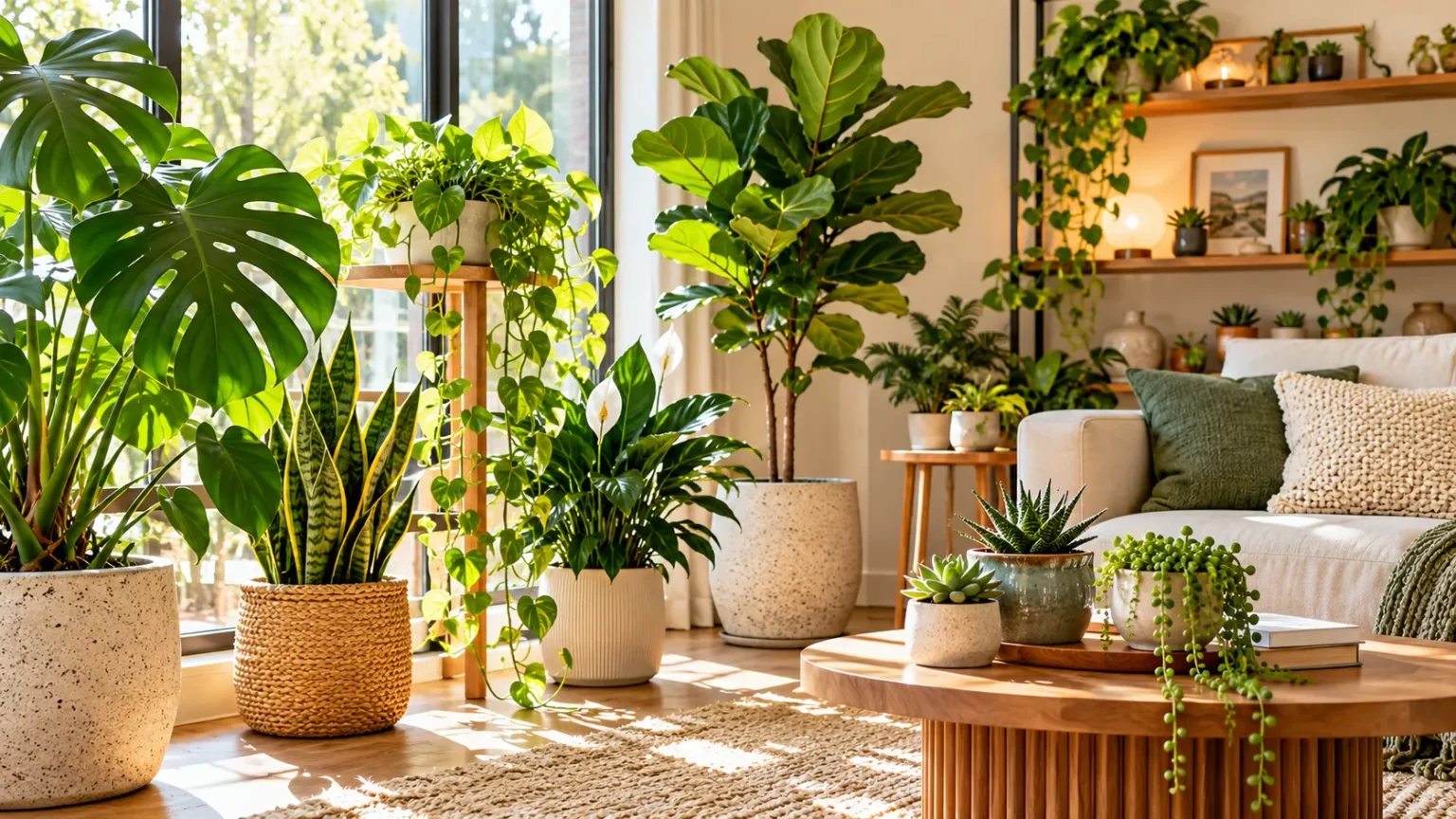
Indoor plants are one of the simplest ways to bring natural beauty, freshness, and personality into your home. From elegant snake plants and trailing pothos vines to tropical monstera leaves and colorful foliage plants, indoor greenery can transform ordinary rooms into welcoming spaces. Whether you live in a spacious house, a small apartment, or a compact studio, beautiful houseplants can complement almost any interior design style.
Choosing the right indoor plant varieties can help you create an attractive living environment without complicated gardening routines. Some houseplants tolerate lower light conditions, while others thrive near bright windows and require occasional attention. This guide explores the best indoor plants for different spaces, their unique characteristics, and practical care tips to help you grow healthy, beautiful greenery throughout your home.
Why Indoor Plants Are Perfect for Home Decoration
Indoor plants add natural beauty to living spaces by introducing interesting shapes, rich green colors, and distinctive foliage textures. A carefully positioned houseplant can make an empty corner more attractive or provide a refreshing contrast against furniture and decorative accessories. Whether you prefer modern minimalism or traditional interiors, greenery offers a versatile decorating option that complements many different styles.
Another reason people enjoy indoor plants is the calming atmosphere they can create within everyday surroundings. Caring for greenery may provide a relaxing routine, encouraging people to spend a few peaceful moments away from digital distractions. Although houseplants should not be considered a substitute for proper ventilation or medical care, their visual presence can make living environments feel more comfortable and connected to nature.
Indoor gardening is also accessible to people with different levels of gardening experience and available space. Beginners can start with low-maintenance houseplants, while experienced growers may enjoy collecting varieties with unusual foliage or specialized growing requirements. Small pots, hanging baskets, and decorative floor planters make it possible to incorporate greenery into bedrooms, living rooms, offices, and other indoor spaces.
Snake Plants and ZZ Plants: Beautiful Low-Maintenance Choices
Snake plants are among the most popular indoor plants because of their upright leaves, architectural appearance, and relatively simple care requirements. Their sword-shaped foliage often features attractive combinations of dark green, pale green, and yellow edges. These plants work particularly well in modern living rooms, bedrooms, and office corners where vertical greenery can create visual interest without occupying much floor space.
Snake plants tolerate a range of indoor lighting conditions, including relatively low light, although they generally grow better in moderate or bright indirect light. Their thick leaves store moisture, making them less demanding than many tropical houseplants. Allowing the potting mix to dry between waterings helps reduce the risk of root problems caused by excessive moisture.
ZZ plants are another excellent option for beginners who prefer attractive greenery with limited maintenance. Their glossy, deep-green leaflets grow along graceful stems, creating a polished appearance suitable for shelves, desks, and decorative containers. ZZ plants tolerate lower light and irregular watering, but both ZZ plants and snake plants should be kept away from pets that might chew their leaves.
Pothos and Philodendron: Beautiful Trailing Indoor Plants
Pothos is a favorite indoor plant for people who enjoy cascading greenery and attractive heart-shaped leaves. Its trailing stems can grow over shelves, hanging baskets, and decorative plant stands, creating a natural flowing effect. Popular varieties include golden pothos with yellow-green markings and marble queen pothos with beautiful cream-colored patterns that brighten indoor arrangements.
Pothos generally grows best in bright, indirect sunlight but can adapt to moderately lower light conditions. Variegated varieties may lose some distinctive coloration when growing in insufficient light. Watering should be based on soil moisture rather than a strict daily schedule, and providing suitable drainage helps maintain healthy roots and attractive foliage.
Heartleaf philodendron offers a similar trailing appearance, making it another beautiful choice for indoor decoration. Its glossy, heart-shaped leaves and flexible stems look attractive in hanging containers or climbing along suitable supports. Both pothos and heartleaf philodendron contain substances that can irritate the mouth when chewed, so households with curious pets should choose secure placement or safer alternatives.
Monstera: A Tropical Indoor Plant With Stunning Leaves
Monstera deliciosa is one of the most recognizable tropical houseplants, admired for its large green leaves featuring distinctive natural splits and openings. These dramatic foliage patterns make the plant particularly appealing in contemporary interiors and spacious living rooms. A healthy monstera can become an impressive decorative feature, adding lush greenery and a tropical atmosphere to ordinary indoor spaces.
Monsteras generally prefer bright, indirect light, although they can tolerate somewhat lower light with slower growth. Their large leaves benefit from occasional gentle cleaning to remove accumulated dust and maintain an attractive appearance. Providing a well-draining potting mix and watering when the upper soil begins to dry can help prevent unnecessary moisture-related problems.
As monstera plants mature, they may develop larger leaves and climbing stems that benefit from suitable support. A moss pole or sturdy plant stake can encourage a more upright growth habit, particularly in limited indoor spaces. Because monstera foliage can irritate pets if chewed, consider placement carefully in households with cats, dogs, or other curious animals.
Spider Plants: Attractive Greenery for Hanging Baskets
Spider plants are popular indoor houseplants recognized for their long, arching leaves and attractive green-and-white striped patterns. Their graceful foliage creates a soft, flowing appearance that works beautifully in hanging baskets, elevated shelves, and decorative containers. These plants are particularly suitable for people who want an attractive indoor display without managing a large or complicated tropical plant.
One appealing characteristic of spider plants is their ability to produce small offshoots, commonly called spiderettes, that hang from mature stems. These young plants create a distinctive cascading appearance and can often be propagated into additional houseplants. Growing new spider plants from healthy offshoots provides an enjoyable gardening activity for beginners interested in expanding their indoor greenery collection.
Spider plants prefer bright, indirect light and generally appreciate watering when the upper potting mix becomes slightly dry. Excessive direct sunlight may damage their leaves, while very low light can slow growth. They are considered non-toxic to cats and dogs, making them a useful option for pet-friendly homes, although preventing excessive chewing remains sensible.
Peace Lilies: Elegant Indoor Plants With White Blooms
Peace lilies are beautiful tropical houseplants known for their glossy green foliage and elegant white flower-like structures called spathes. Their graceful appearance makes them attractive additions to living rooms, bedrooms, and indoor decorative arrangements. Unlike many flowering plants that require strong sunlight, peace lilies can grow in moderate indirect light, although brighter conditions generally support better flowering.
These plants prefer evenly moist but well-drained potting mix and may develop drooping leaves when they become excessively dry. However, continuously saturated soil can damage roots, so checking moisture before watering is important. Peace lilies also appreciate reasonably warm indoor temperatures and protection from cold drafts that may affect their tropical foliage.
Peace lilies are best displayed where their elegant leaves and white blooms can be appreciated without exposing them to harsh direct sunlight. They are not true lilies, but their tissues contain calcium oxalate crystals that can cause irritation if chewed. Households with pets or young children should consider this carefully before selecting peace lilies for accessible indoor areas.
Rubber Plants: Bold Greenery for Living Rooms
Rubber plants, commonly known as Ficus elastica, are attractive indoor trees with large, thick, glossy leaves that create a bold decorative appearance. Their foliage may appear deep green, reddish, or beautifully variegated depending on the variety. These impressive houseplants work particularly well beside sofas, near bright windows, or in spacious corners where their upright growth becomes a natural focal point.
Rubber plants generally prefer bright, indirect sunlight and a potting mix that drains efficiently between waterings. Their leaves may collect household dust, making occasional gentle cleaning useful for maintaining their glossy appearance. Rotating the container periodically can also encourage more balanced growth when light enters primarily from one direction.
As rubber plants mature, they can become significantly taller than many common tabletop houseplants. Selecting an appropriate container and providing sufficient space helps accommodate their developing stems and foliage. The plant produces a milky sap that may irritate skin, and its foliage can be harmful if chewed by pets, so careful handling and placement are recommended.
Chinese Evergreen: Colorful Foliage for Indoor Spaces
Chinese evergreen, commonly known as Aglaonema, is a beautiful indoor plant admired for its decorative foliage and relatively adaptable growing habits. Different varieties display attractive combinations of green, silver, cream, pink, and red. These colorful patterns allow gardeners to introduce visual interest into indoor spaces without relying entirely on flowering houseplants or decorative accessories.
Many Chinese evergreen varieties tolerate moderate and lower indoor light, making them suitable for areas that receive limited direct sunlight. However, plants with especially colorful leaves may need brighter indirect light to maintain their distinctive patterns. Choosing a location with stable temperatures and avoiding excessive watering helps encourage healthy foliage and gradual growth.
Chinese evergreen plants look particularly appealing on side tables, shelves, and decorative stands where their leaf patterns remain clearly visible. They also combine beautifully with plain green plants, creating attractive contrasts in mixed indoor arrangements. Because Aglaonema contains irritating calcium oxalate crystals, it should be positioned away from pets and children likely to chew plant material.
Calathea and Peperomia: Decorative Plants for Small Spaces
Calatheas are attractive tropical houseplants known for their striking leaf patterns and unusual combinations of green, purple, cream, and pink. Some varieties feature contrasting stripes, while others display intricate markings that resemble hand-painted artwork. These decorative foliage plants are particularly appealing for bedrooms, living rooms, and indoor plant collections where interesting textures and patterns are desired.
Many calatheas prefer bright, indirect light, consistent moisture, and relatively humid indoor conditions. Their leaves may develop dry edges when exposed to very dry air or unsuitable growing conditions. Because these plants can require more attention than beginner-friendly varieties, they are often better suited to gardeners willing to monitor watering, humidity, and environmental changes carefully.
Peperomias provide another beautiful option for smaller spaces, offering compact growth and impressive foliage diversity. Varieties such as watermelon peperomia display distinctive leaf patterns, while other types feature thick, rounded, or textured leaves. Many common peperomias are considered non-toxic to cats and dogs, making them attractive alternatives for households seeking compact, pet-friendly indoor greenery.
Succulents: Beautiful Small Indoor Plants for Sunny Windows
Succulents are attractive plants recognized for their thick leaves and stems, which store moisture and help them tolerate relatively dry conditions. Popular varieties include echeveria, haworthia, and certain compact crassulas that create interesting geometric shapes. Their small size makes them appealing for sunny windowsills, decorative shelves, and tabletop arrangements where larger houseplants may not fit comfortably.
Most commonly grown succulents require brighter conditions than shade-tolerant tropical plants, so choosing an appropriate location is essential. A bright window with suitable sunlight can help maintain compact, healthy growth and attractive leaf coloration. Without sufficient light, some varieties develop stretched stems and widely spaced leaves as they grow toward available illumination.
Succulents generally require well-draining potting mixes and containers with suitable drainage holes to prevent water from remaining around their roots. Allowing the growing medium to dry appropriately between waterings helps reduce the risk of root rot. Pet owners should identify individual varieties carefully because some succulents are non-toxic, while others can cause problems if ingested.
How to Choose the Best Indoor Plant for Every Room
Choosing the best indoor plants begins with evaluating the amount of natural light available in each room. Bright windows may suit succulents, rubber plants, and monsteras, while moderately shaded areas can accommodate selected snake plants, ZZ plants, and Chinese evergreens. However, low-light tolerance does not mean a plant can survive indefinitely in complete darkness without an appropriate light source.
Room size and available surfaces should also influence your choice because indoor plants vary considerably in mature height and growth habits. Compact peperomias work well on desks and shelves, while trailing pothos plants create attractive displays in hanging containers. Larger specimens such as monsteras and rubber plants can become decorative focal points in living rooms with sufficient space.
Consider your daily routine, gardening experience, and household safety needs before purchasing new plants. Busy beginners may prefer drought-tolerant varieties, while enthusiastic gardeners might enjoy tropical plants requiring more attentive care. If you share your home with pets, verify each plant’s toxicity and choose suitable species rather than assuming every attractive houseplant is safe.
Essential Indoor Plant Care Tips for Healthy Growth
Proper indoor plant care begins with understanding that different species have different requirements for sunlight, water, temperature, and soil. Rather than following one watering schedule for every container, check the growing medium and observe each plant’s condition. Selecting pots with drainage holes and using appropriate potting mixes can help maintain healthier roots and reduce common moisture-related problems.
Indoor plants also benefit from occasional cleaning, careful inspection, and suitable nutrition during periods of active growth. Removing damaged leaves and checking for pests can help identify issues before they spread throughout a collection. Fertilizer should be applied according to the plant’s requirements and product directions, because excessive feeding can damage roots and foliage.
Seasonal changes can affect plant growth, especially when winter brings reduced daylight or indoor heating creates drier conditions. Some houseplants grow more slowly during cooler, darker months and may require less frequent watering. By observing leaf color, soil moisture, and overall growth, gardeners can adjust their routines and keep indoor greenery healthy throughout the year.
Conclusion
Indoor plants offer a beautiful and versatile way to introduce natural greenery into homes, apartments, and workspaces. From low-maintenance snake plants and ZZ plants to decorative calatheas, elegant peace lilies, and dramatic monsteras, there are attractive choices for different interiors. Selecting plants according to their appearance, mature size, and growing requirements helps create balanced indoor arrangements.
The best indoor plant for your home depends on natural lighting, available space, maintenance preferences, and household safety considerations. Some varieties thrive with relatively little attention, while others require consistent moisture or brighter conditions. Understanding these differences makes indoor gardening more enjoyable and helps prevent common problems associated with unsuitable placement or excessive watering.
Creating an attractive indoor garden does not require expensive equipment or a large collection of plants. Start with one or two suitable varieties, learn their basic care requirements, and expand your greenery gradually as your confidence grows. With thoughtful placement and consistent attention, indoor plants can bring lasting beauty, personality, and a welcoming natural atmosphere into almost any space.
Frequently Asked Questions
What Are the Best Indoor Plants for Beginners?
Snake plants, ZZ plants, spider plants, and pothos are popular choices for beginners because they are relatively adaptable. Their watering and lighting requirements vary, so choosing suitable growing conditions remains important.
Which Indoor Plants Can Grow in Low Light?
Snake plants, ZZ plants, and certain Chinese evergreen varieties can tolerate relatively low indoor light. However, every plant needs adequate light for healthy growth, and consistently dark rooms may require supplemental lighting.
How Often Should You Water Indoor Plants?
Watering frequency depends on plant species, container size, room temperature, and available light. Check soil moisture before watering, and avoid keeping roots constantly saturated unless the specific plant requires unusually moist conditions.
What Are the Best Indoor Plants for Small Apartments?
Compact peperomias, spider plants, small snake plants, and trailing houseplants are attractive options for apartments. They can fit on shelves, windowsills, or plant stands without requiring extensive floor space.
Which Indoor Plants Are Safe for Cats and Dogs?
Spider plants and many common peperomia varieties are considered non-toxic to cats and dogs. Always verify the exact plant species before purchasing, because similar-looking houseplants may have different safety characteristics.