
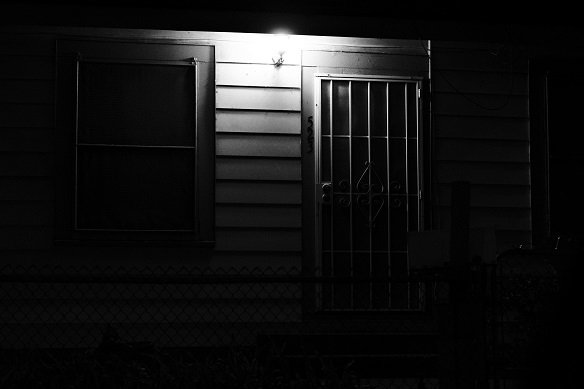
Understanding the Importance of Home Security
Home security plays a crucial role in safeguarding both families and properties. It not only protects against potential threats but also instills a sense of safety and peace of mind among residents. Statistics reveal that a burglary occurs every 30 seconds in the United States, which translates to over 2 million burglaries annually. Such figures underscore the stark reality that homes are often vulnerable to intrusion, making the need for an effective home security system paramount.
The emotional impact of security breaches can be profound, leaving families feeling unsafe in their own environment. Victims of burglary often report heightened anxiety, loss of trust in their surroundings, and a sense of violation. These psychological effects further emphasize the necessity for robust security measures, as the repercussions extend beyond mere property loss to a significant alteration in daily lives.
Investing in home security can yield long-term benefits that far outweigh the initial costs. Homeowners who implement security measures, such as alarm systems, surveillance cameras, and reinforced locks, are likely to deter burglars. In fact, studies indicate that homes without security systems are three times more likely to be targeted by criminals. Furthermore, having a secure home can lead to reductions in insurance premiums, as insurance providers often offer lower rates for properties with enhanced security features.
In essence, understanding the importance of home security extends beyond the physical aspect of protecting valuables; it encompasses fostering a secure environment that nurtures well-being and tranquility within the household. By prioritizing home security, families invest not only in their safety but also in their overall quality of life.
Assessing Your Home’s Vulnerabilities
Conducting a thorough assessment of your home’s security vulnerabilities is crucial for enhancing your family’s safety. Start by identifying the primary entry points to your residence, as these areas are often targeted by intruders. Common entry points include doors, windows, garage doors, and any other accessible openings. Evaluate each of these for potential weaknesses.
Doors are usually the first line of defense. Check if the doors are equipped with high-security deadbolts and ensure that they are made from solid material. Hollow-core doors may be less secure, so consider upgrading to solid wood or metal doors. Additionally, assess the strength of the door frames; any gaps can be potential targets for forced entry.
Windows also require careful examination. Look for windows that are easily accessible from the ground level or those that do not have robust locking mechanisms. Installing window locks, security films, and even window sensors can significantly enhance the security of these entry points. Furthermore, ensure that any outdated or compromised screens are replaced or reinforced.
Additionally, take stock of areas lacking surveillance or lighting. Exterior spaces like backyards and side paths, often overlooked, can be hotspots for unwanted entry during nighttime. Installing motion sensor lights can deter potential intruders by illuminating these dark areas. Similarly, consider integrating a camera system to cover blind spots and monitor activity around your property.
It is also advisable to evaluate landscaping features. Overgrown shrubs or trees near windows can provide hiding spots for intruders. Regular maintenance of your landscaping not only improves curb appeal but also enhances security by eliminating potential hiding places.
Choosing the Right Security System
When considering home security systems, it is essential to understand the various types available on the market. These systems can be broadly categorized into two groups: wired and wireless. Wired systems typically involve a series of cables connecting sensors and alarms, offering reliability and protection against interference. However, installation can be cumbersome and may require professional assistance. On the other hand, wireless systems are easier to install, as they communicate via radio signals. They offer greater flexibility in placements and can be relocated easily, making them an attractive option for homeowners.
Another crucial distinction in home security systems is between monitored and unmonitored alarms. Monitored systems connect to a central station that monitors your home 24/7. This means that if an alarm is triggered, trained professionals will immediately respond, potentially dispatching authorities to your location. While this type of system typically incurs a monthly fee, the added peace of mind can be invaluable. Conversely, unmonitored alarms sound a local alarm when triggered but do not notify emergency services unless manually done by the homeowner.
With the rise of technology, smart home security solutions have become increasingly popular. These systems integrate with smart devices, allowing users to control their home security through mobile applications. Features may include video surveillance, smart locks, and motion sensors. Homeowners can customize notifications and responses based on their preferences. When selecting a security system, it is vital to consider individual needs and budget constraints. Assess the specific vulnerabilities of your property, determine how much you are willing to invest, and prioritize features that align with your family’s lifestyle.
Investing in Surveillance Cameras
Surveillance cameras play an essential role in enhancing home security, providing real-time monitoring and deterring potential threats. Understanding the variety of camera types available can significantly influence your decision when investing in this technology. Common types include wired, wireless, indoor, and outdoor cameras. Wired cameras typically offer a stable connection and are less prone to interference, while wireless models provide flexibility in installation, ideal for those looking to avoid extensive wiring. Indoor cameras are tailored for monitoring interior spaces, whereas outdoor models are designed to withstand various weather conditions and often come equipped with features such as night vision.
Placement of surveillance cameras around your property is crucial for maximizing their effectiveness. For outdoor cameras, strategic locations include entry points like doors and garages, as well as areas that are less visible to passersby, such as backyards or side entrances. Indoor cameras work best in common living areas and hallways, where they can capture comprehensive activity. Avoid pointing cameras directly at windows to prevent glare issues that could reduce visibility.
When selecting surveillance cameras, consider features such as high-definition resolution, night vision, motion detection, and two-way audio capabilities. High-definition cameras offer clearer images, enhancing the identification of individuals and objects. Night vision allows for recording in low-light conditions, which is essential for nighttime surveillance. Motion detection notifies you when movement is detected, serving as an alert system as well as a deterrent against intruders. Two-way audio enables communication, which can be particularly useful for monitoring children or interacting with visitors without opening the door. By choosing the right combination of features, you can significantly bolster your home security system.
Understanding Locks and Entry Points
When it comes to home security, locks and entry points hold paramount importance. A well-fortified entrance can significantly deter potential intruders. Various types of locks are available, each serving distinct needs and security levels. The most common are traditional pin locks, which have been a staple for many years. However, as technology has advanced, smart locks have emerged as a popular alternative, offering enhanced features like remote access, security alerts, and keyless entry.
Deadbolts are another essential component of home security. They are designed to provide a higher level of security than standard spring bolt locks because they extend deep into the door frame, making forced entry more difficult. It is advisable to install a high-quality deadbolt, preferably one that meets ANSI Grade 1 standards, ensuring maximum resistance against tampering.
Another method of reinforcing entry points is by installing security bars on windows and sliding doors. Security bars can significantly slow down an intruder’s access into your home and act as a visual deterrent. Moreover, utilizing window locks and reinforcing the frames can further bolster security. Ensuring that all entry points are adequately lit can deter potential intruders, as well-lit areas attract less nefarious behavior.
It is crucial to maintain these locks and access points regularly. Periodic checks on the locking mechanisms will ensure they function correctly and provide the intended protection. Lubricating locks and addressing any wear and tear promptly can prevent easy access that might be exploited. Additionally, it is wise to rekey your locks whenever you feel security may have been compromised or after losing a key.
Enhancing Outdoor Security Measures
To ensure a comprehensive approach to home security, enhancing outdoor security measures is crucial. Implementing effective strategies can significantly deter potential intruders and create a safer environment for your family. One of the most essential elements of outdoor security is adequate lighting. Well-placed outdoor lighting can illuminate dark areas around your home, making it more difficult for intruders to approach unnoticed. Motion-activated lights are particularly effective, as they activate only when movement is detected, potentially alerting homeowners to suspicious activity.
Fencing is another principal measure for enhancing outdoor security. A sturdy, tall fence can act as both a physical barrier and a psychological deterrent. Opt for materials that are difficult to climb or cut through, ensuring that gates are well-secured with robust locks. Additionally, maintaining the fence’s integrity and ensuring there are no gaps will prevent unauthorized access. Consider complementing your fencing with security cameras, which can offer constant surveillance and help identify potential threats.
Furthermore, landscaping can play a vital role in outdoor security. Strategically placing thorny bushes below windows can discourage intruders from attempting to enter. Keep shrubs trimmed and avoid tall plants that could provide cover for someone trying to approach your home unnoticed. Alongside this, ensure that tools and ladders are stored securely, as they can be utilized by intruders to gain access to upper floors or secure areas.
In summary, enhancing outdoor security measures involves a combination of effective lighting, sturdy fencing, and thoughtful landscaping. By implementing these strategies, homeowners can create an environment that is less inviting to potential intruders, ultimately contributing to the overall safety of their family.
Establishing a Neighborhood Watch Program
One of the most effective ways to enhance home security is through the establishment of a neighborhood watch program. Such programs foster community engagement and create a proactive environment where residents collaborate to protect their homes and families. By encouraging vigilance and communication among neighbors, these initiatives can significantly reduce crime rates within a neighborhood.
Starting a neighborhood watch program begins with the identification of interested residents. Organizing an initial meeting can help gauge community interest, discuss security concerns, and set a foundation for future collaboration. During this meeting, residents may share their experiences and observations related to safety issues in the area, allowing participants to understand the local context better.
Once a group is formed, it is imperative to establish clear objectives and guidelines. Assign roles for each member, such as a coordinator who will facilitate meetings and maintain communication with local law enforcement. Regular meetings can keep the momentum going, allowing residents to discuss ongoing concerns, share updates, and plan for joint safety activities. It is also beneficial to establish a communication system, whether through a dedicated online group, text message chain, or neighborhood app, which ensures everyone remains informed in real-time.
In addition to fostering communication, neighborhood watch programs often engage law enforcement. Inviting local police to meetings not only builds trust but also ensures that residents receive relevant advice on crime prevention strategies. Through this partnership, community members can gain insights into crime trends and the most effective home security practices.
Ultimately, the success of a neighborhood watch program relies on active participation and sustained commitment from residents. By working together, communities can create a safer environment, making it clear that they are united in their commitment to protecting their homes and families.
Practicing Safe Habits at Home
Ensuring your family’s safety at home is paramount, and adopting safe habits can significantly enhance your home security. One of the most fundamental practices is to consistently lock all doors and windows, regardless of how brief your absence may be. Criminals often take advantage of open or unlocked access points, so integrating this simple habit into your daily routine can deter potential intruders.
Additionally, it is prudent to be cautious about sharing your travel plans, even with friends or family. While it is natural to want to share your excitement over upcoming vacations, broadcasting this information can inadvertently signal to potential burglars that your home will be unoccupied. Instead, consider waiting until you return to share your experiences on social media or with close acquaintances.
Securing your valuables is another essential aspect of home security. Invest in a safe for storing important documents, jewelry, and other valuable items. This added layer of protection can mitigate the risk of loss in the event of a break-in. Furthermore, consider keeping expensive or sought-after items out of plain sight from windows, as visibility can attract unnecessary attention.
Being aware of your surroundings is vital. Cultivate a habit of vigilance by observing any unusual activity in your neighborhood. Building relationships with neighbors can foster a sense of community where everyone looks out for each other, which can also contribute to a safer environment.
Incorporating these simple practices into your everyday life will not only bolster your home security but also create a safer haven for your family. The combination of consistent behavior, conscious choices about sharing information, and active awareness of your environment forms a robust strategy against unforeseen security threats.
Conclusion: A Comprehensive Approach to Home Security
In our exploration of home security, we have identified a variety of strategies that families can employ to enhance their safety and well-being. As we have discussed, the integration of state-of-the-art technology, such as security cameras, motion sensors, and smart locks, serves as a first line of defense against potential intrusions. These tools provide homeowners with both peace of mind and a means to monitor their property remotely.
Additionally, fostering a heightened awareness of one’s surroundings is vital in the prevention of crime. Simple practices such as being cognizant of unfamiliar individuals in the vicinity, securing doors, and using outdoor lighting effectively can deter would-be intruders. It is essential for families to develop habits that prioritize vigilance. This awareness can significantly lower the likelihood of becoming a target.
Furthermore, community involvement should not be underestimated in creating a secure environment. Engaging with neighbors fosters a sense of camaraderie and enhances collective vigilance. Organizing community watch programs or neighborhood events allows families to share information about potential threats and collaborate on increasing security measures. Building strong communal ties not only promotes safety but also creates a supportive atmosphere for families.
In conclusion, a comprehensive approach to home security that combines advanced technology, individual awareness, and community engagement is the most effective way to protect families. By implementing these strategies collectively, homeowners can significantly reduce their vulnerability and create a safer living environment for themselves and their loved ones. Prioritizing such a holistic approach ensures that families can enjoy their homes with confidence, knowing that they are taking proactive steps to safeguard their security.