
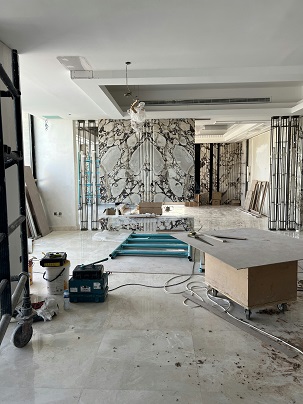
Home renovation trends are integral to the evolving dynamics of residential spaces. As homeowners seek to enhance their living environments, understanding these trends becomes crucial. Home renovations not only improve the aesthetic appeal of a property but also increase its functional value and overall market worth. In a world that increasingly values efficient use of space and sustainable practices, staying informed about the latest renovation trends can significantly impact the livability and financial return of a home. The importance of home renovation trends lies in their ability to adapt to changing lifestyles and societal expectations. As the demographic landscape shifts, so do the needs and preferences of homeowners. For instance, younger generations are gravitating towards open floor plans that encourage social interaction, while older homeowners may prioritize accessibility and comfort. This adaptive nature of renovation trends reflects a broader cultural movement towards personalization and sustainability, where homes are not just places to live but expressions of one’s identity and lifestyle.
Moreover, embracing current trends in home renovation can lead to substantial financial benefits. A well-executed renovation project not only revitalizes a space but can also substantially increase the value of the property, making it more appealing to potential buyers. As we look ahead to 2026, it is expected that several key trends will emerge, influencing how homeowners approach renovations. These trends will encompass a range of elements, from innovative materials to technology integration, ensuring that homes are not only beautiful but also functional and sustainable.
In this post, we will explore the specific home renovation trends anticipated to dominate in 2026, setting the stage for homeowners and investors alike to make informed decisions about their properties.
Sustainable and Eco-Friendly Materials
As homeowners become increasingly aware of their environmental footprint, the trend towards sustainable and eco-friendly materials in home renovations is gaining traction. These materials not only contribute to a healthier planet but also enhance the quality of indoor living spaces. The use of sustainable materials can significantly lower the environmental impact of a renovation project, providing benefits that resonate well beyond the scope of construction.
One of the primary advantages of utilizing sustainable materials is the improvement of indoor air quality. Eco-friendly options, such as low-VOC (volatile organic compounds) paints and finishes, help to reduce toxic emissions that can adversely affect the health of occupants. Additionally, materials like bamboo, reclaimed wood, and recycled metal offer durable and aesthetically pleasing alternatives to traditional products, further promoting a healthy living environment.
Furthermore, choosing sustainable materials often leads to long-term cost savings. For instance, energy-efficient insulation and windows can drastically reduce heating and cooling costs, enhancing the overall energy efficiency of the home. Solar panels, though requiring an upfront investment, can ultimately result in substantial energy savings, often compensating for their initial costs over time.
In recent years, the popularity of sustainable materials has soared, with homeowners and builders alike embracing options such as cork flooring, which is renewable and biodegradable, and rammed earth, known for its thermal mass properties. Additionally, there is a growing interest in using locally sourced materials, which not only supports local economies but also minimizes transportation emissions.
As we continue to face the challenges of climate change, incorporating sustainable and eco-friendly materials into home renovations is not just a trend; it is a necessary step towards a more sustainable future. This shift is likely to transform the home renovation landscape, paving the way for better environmental stewardship and healthier living spaces.
Smart Home Technology Integration
As we move into 2026, the integration of smart home technology in renovations continues to shape modern living environments. Smart devices, ranging from lighting systems to security solutions, provide homeowners with a level of convenience and efficiency that significantly enhances daily routines. One of the most notable innovations in this domain is smart lighting. These systems allow homeowners to control the luminosity and color of their lights remotely, often through smartphones or voice-activated devices. This not only fosters energy conservation but also creates customizable environments that can adapt to different moods or activities.
Furthermore, the adoption of smart security systems has transformed how residents protect their homes. Advanced security cameras, doorbell cameras, and motion sensors enable users to monitor their properties in real-time, regardless of their physical location. Many of these systems integrate facial recognition technology and alert homeowners of any suspicious activity, thereby providing peace of mind. Such functionalities highlight the importance of safety in home renovations, driving homeowners to consider smart security as an essential aspect.
Thermostats are another critical element in the realm of smart home technology. Smart thermostats learn the habits of residents and adjust heating and cooling accordingly, leading to improved energy efficiency. By optimizing energy usage, these devices not only reduce utility costs but also contribute to environmental sustainability. As energy efficiency becomes increasingly significant, integrating such technology into home renovations showcases a commitment to both comfort and the planet.
Ultimately, the integration of smart home technology into renovations is not merely a trend but a fundamental shift in how we approach daily living. By improving convenience, enhancing security, and promoting energy efficiency, these innovations redefine the residential experience.
Open Floor Plans and Multi-Functional Spaces
As we look towards the future of home renovation, it becomes increasingly clear that open floor plans and multi-functional spaces are set to dominate the landscape of residential design in 2026. The appeal of open layouts lies in their ability to foster social interaction and create a sense of community within the home. By removing physical barriers that traditionally separate living areas, homeowners can enjoy a more fluid and connected environment. These designs not only enhance communication among family members but also encourage a more communal lifestyle, which is particularly appealing in today’s fast-paced world.
Moreover, multi-functional spaces are becoming essential, especially in smaller homes or urban environments where space is at a premium. Homeowners are increasingly seeking versatility in their living areas, prompting designers to create spaces that can serve multiple purposes. For instance, a dining area that easily transitions into a workspace or a living room that doubles as a guest accommodation exemplifies this trend. The functionality derived from these designs not only addresses the need for efficient use of space but also adds a layer of convenience to daily life.
This trend towards open and multi-use spaces aligns seamlessly with contemporary lifestyles, where adaptability and social engagement are paramount. Families are looking for homes that can accommodate varying activities throughout the day, from entertaining guests to working from home. As such, the design industry is responding by creating environments that are not only visually appealing but also practical and livable. In essence, the rise of open floor plans and multi-functional spaces represents a shift towards designing homes that cater to the diverse needs of modern life, making them indispensable features in upcoming renovations.
Biophilic Design and Indoor-Outdoor Living
The integration of biophilic design principles into home renovations is a growing trend, emphasizing a harmonious connection between indoor spaces and the natural world. This approach not only enhances aesthetic appeal but also promotes well-being and mindfulness among occupants. Central to this trend is the use of large windows that allow an abundance of natural light to flood interior spaces while providing panoramic views of the outdoors. These expansive openings create a seamless transition between the indoor environment and the nature surrounding the home.
Natural materials are also a fundamental component of biophilic design. Using wood, stone, and organic textiles not only adds warmth and texture but also resonates with the natural elements outside. Homeowners increasingly favor sustainable materials that contribute to an eco-friendly lifestyle while further establishing that vital connection with nature. For instance, reclaimed wood or bamboo can be implemented in flooring, cabinetry, or accents to promote sustainability and a biophilic ethos.
Additionally, the concept of indoor plants has gained immense popularity, making every home a personal sanctuary. Various forms of decorative plants not only purify the air but also create a calming atmosphere that reflects the tranquility of the natural world. Including vertical gardens or indoor herb patches further enhances this trend, encouraging homeowners to cultivate their green space.
Another significant aspect of biophilic design is the emphasis on outdoor living spaces. Patios, balconies, and gardens are being reimagined as essential extensions of the home. These areas are designed to serve multiple functions, from outdoor dining to relaxation zones, allowing inhabitants to immerse themselves in nature. The trend signifies a shift towards greater outdoor engagement, fostering feelings of serenity and connection to the environment.
Incorporating biophilic design into home renovations not only meets aesthetic desires but also aligns with a broader push towards sustainability, mental well-being, and improved quality of life. As trends evolve, blending indoor and outdoor living will undoubtedly remain at the forefront of home design in 2026 and beyond.
Aesthetic Minimalism and Simplistic Designs
The trend of aesthetic minimalism in home renovation has gained considerable traction in recent years, largely driven by a societal desire for simplicity and a move away from cluttered living spaces. This approach emphasizes clean lines and neutral palettes, creating an environment that promotes tranquility and focus. By prioritizing function over extravagance, homeowners are increasingly opting for designs that reflect these values.
Neutral palettes, such as muted greys, soft whites, and earthy tones, play a crucial role in minimalist aesthetics. These colors not only expand the perceived space but also foster a sense of calm and serenity within the home. The use of a stripped-back color scheme allows homeowners to create visually harmonious environments that invite relaxation and mindfulness. Furthermore, these tones facilitate the versatility of various design elements, enabling effortless adaptations to suit personal tastes and seasonal changes.
Additionally, minimalist designs often incorporate functional furniture that optimizes space and usability. Furniture pieces with simple outlines and multifunctional capabilities are preferred, as they maintain the sleek aesthetic while serving practical purposes. For instance, a storage ottoman can serve both as a stylish accent piece and a solution for concealing clutter. The rise in popularity of such designs reflects a broader societal shift towards valuing practicality alongside aesthetic appeal.
As homeowners seek to create sanctuaries that promote mental well-being, the minimalist movement continues to redefine modern living spaces. The integration of simplicity and function offers not just a design ethos, but a lifestyle choice that aligns with contemporary values of sustainability and mindful living. This paradigm shift underscores the enduring appeal of aesthetic minimalism as a significant trend in home renovation practices leading into 2026.
Vintage and Retro Revival
The resurgence of vintage and retro styles is a prominent trend in home renovations for 2026. Homeowners are increasingly turning to the charm of bygone eras, opting to preserve original retro features, while also incorporating modern elements that reflect their individual taste. This fusion of old and new provides a unique aesthetic appeal, bridging the gap between nostalgia and contemporary living.
Various architectural details from past decades are being highlighted and restored. For instance, mid-century modern elements, characterized by clean lines, organic shapes, and a connection with nature, are making a noticeable comeback. These features work harmoniously within modern spaces, offering an intriguing contrast that is both inviting and timeless. Furthermore, vintage hardware and fixtures, such as brass doorknobs and retro lighting, are being sought after to enhance the appeal of contemporary renovations.
In addition to restoring original features, many homeowners are opting for vintage-inspired decor elements. Wallpaper patterns reminiscent of the 1970s, 1980s, or even earlier are being used to create statement walls. Bright colors, bold prints, and eclectic designs contribute to creating lively spaces that celebrate individuality while honoring the past. This trend is not limited to interiors; exterior elements such as retro porch swings and vintage garden furniture also contribute positively to the overall aesthetic.
Combining new materials with vintage styles creates a rich visual tapestry appealing to a broad range of homeowners. The vintage and retro revival reflects a desire to tell a story through the home, creating environments that not only serve practical needs but also evoke emotions and memories. As 2026 progresses, we can expect to see more designers and homeowners embracing these nostalgic influences, ensuring that the charm of vintage and retro styles remains a key component of modern renovation projects.
Enhanced Outdoor Spaces and Landscaping
As we look toward the home renovation trends in 2026, one of the most notable developments is the emphasis on enhanced outdoor spaces. Homeowners are increasingly recognizing the value of utilizing their yards not just as functional areas, but as extensions of their living spaces. This trend has led to a significant rise in the quality and functionality of outdoor areas, making them prime locations for entertainment and relaxation.
Outdoor kitchens are becoming a staple feature, allowing for seamless cooking and dining experiences. Homeowners are investing in high-quality grills, pizza ovens, and elaborate countertops to create fully equipped outdoor kitchens, which not only enhance usability but also serve as a gathering spot for family and friends. Such amenities significantly expand the livable space of a home, blurring the lines between indoor and outdoor living.
Moreover, landscaping plays a crucial role in this transformation. Thoughtfully designed gardens with native plants not only elevate the aesthetic appeal but also reduce maintenance and support local biodiversity. Homeowners are opting for sustainable landscaping techniques that incorporate drought-resistant plants and materials, ultimately creating a beautiful and eco-friendly outdoor environment.
Additionally, outdoor living areas, including patios and decks, are gaining popularity. These spaces are being outfitted with comfortable seating, lighting, and even outdoor fireplaces to create inviting atmospheres suitable for year-round enjoyment. The trend underscores a growing desire for multifunctional spaces that foster community and serenity.
As enhanced outdoor spaces become more prevalent, they also contribute to an increase in property desirability. A well-designed outdoor area can significantly boost a home’s value, making it an appealing feature for potential buyers. This growing trend reflects a shift in lifestyle preferences, where nature and leisure converge in our everyday living environments.
Conclusion: Preparing for the Future of Home Renovation
As we explore the home renovation trends emerging for 2026, it becomes evident that homeowners are increasingly prioritizing sustainability, technology integration, and personalization in their renovation projects. The trends discussed highlight a shift towards eco-friendly building materials, smart home innovations, and spaces that cater to individual lifestyles and needs. This evolving landscape not only enhances aesthetic appeal but also aligns with the growing demand for comfort and functionality in living spaces.
Homeowners are encouraged to take note of these trends as they plan their renovation projects. By incorporating elements such as energy-efficient systems, versatile multi-functional spaces, and natural materials, individuals can create environments that reflect modern design principles while also ensuring long-term viability. Staying abreast of the latest trends allows homeowners to maximize both the visual and practical aspects of their homes, ultimately leading to increased property value and enhanced quality of life.
Moreover, as we progress into the future, it is imperative for homeowners to remain adaptable and responsive to emerging trends in home renovation. Innovations in technology and shifts in consumer preferences will likely continue to shape the market, making it crucial for homeowners to approach renovations with an informed perspective. By doing so, they can ensure that their homes not only meet their immediate needs but also their long-term aspirations.
In conclusion, recognizing and embracing the top home renovation trends for 2026 will equip homeowners to make informed decisions that enhance their living spaces. Engaging with these evolving standards can lead to a more sustainable, efficient, and personalized home that stands the test of time.