
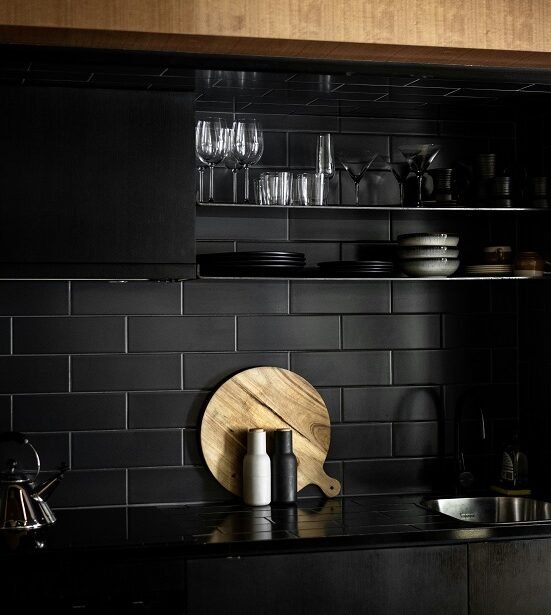
Open kitchen shelving has emerged as a popular trend in contemporary home design, appealing to homeowners seeking a balance between aesthetics and functionality. This innovative approach involves using shelves instead of traditional cabinets, allowing for a more open and airy feel in the kitchen space. The allure of open shelving lies in its ability to showcase cherished kitchenware, decorative items, and culinary essentials, transforming a kitchen into a visually dynamic area. The aesthetic appeal of this design choice cannot be overstated. Open shelves often integrate seamlessly with various design themes, from rustic and farmhouse styles to sleek, modern aesthetics. By displaying a curated selection of dishes, glassware, and even cookbooks, homeowners can personalize their kitchens while expressing their unique taste. The result is a space that reflects individuality while remaining practical.
Moreover, the practical benefits of open kitchen shelving are significant. One of the most notable advantages is the easy access it provides to frequently used items, reducing the time spent rummaging through cabinets. This design encourages organization, as everything is on display and must be kept tidy. While some may argue that open shelving can lead to dust accumulation, regular maintenance and thoughtful selection of items can mitigate this concern.
Additionally, incorporating open shelving can create an illusion of spaciousness in smaller kitchens. By removing bulky cabinet doors, the visual weight of the kitchen is reduced, making the space feel larger and more inviting. As such, open kitchen shelving not only serves a functional purpose but also enriches the overall atmosphere of the kitchen.
Design Styles for Open Shelving
Open kitchen shelving is a versatile design choice that can transform the aesthetic of any kitchen. Various styles can accommodate the specific desires of homeowners, each offering distinct materials, colors, and shapes. By exploring these styles, one can better identify which resonates with their personal taste and enhances their overall kitchen decor.
Firstly, the rustic style is characterized by the use of natural materials and earthy tones. Reclaimed wood shelves add warmth and charm, often complemented by vintage dishware or ceramic pots. This design style embraces imperfections, making it perfect for those who appreciate a homey, lived-in feel. Neutral colors combined with rich wood tones can create a cozy atmosphere, ideal for traditional or farmhouse-style kitchens.
In contrast, modern open shelving exudes sleek sophistication. Typically constructed from materials such as metal or glass, modern shelves tend to feature clean lines and minimalistic designs. Bright whites or monochromatic palettes dominate this style, allowing the organization of kitchen items to take center stage. This design works well in contemporary kitchens, where simplicity and functionality are essential.
Minimalist design further distills the concept of modernity, focusing on the beauty of simplicity. Utilizing floating shelves in pale wood or painted finishes creates a streamlined look, emphasizing space and openness. The key in minimalist design is organization; decluttering every shelf ensures that only the most essential and aesthetically pleasing items are displayed.
Lastly, the industrial style combines raw materials and utilitarian aesthetics. Open shelving made from reclaimed wood and metal supports embraces an urban vibe. Often found in loft-style kitchens, this design allows homeowners to showcase their cookware or artisanal dishware against backdrops of exposed brick or concrete. Dark colors paired with metallic accents create a striking contrast that enhances the industrial charm.
Each of these design styles offers a unique approach to open kitchen shelving, allowing for personal expression while maintaining functionality. Homeowners are encouraged to explore these options to discover the style that best suits their vision for their kitchen.
How to Style Your Open Shelves
Styling open kitchen shelves effectively can transform the overall aesthetic of your space while enhancing functionality. An organized display not only makes it easier to access kitchenware but also contributes to the room’s visual balance. Start by categorizing your items, selecting a mix of essentials such as plates, glasses, and cookware, and combining them with decorative pieces. This approach can create a well-rounded appearance while maintaining practicality.
When organizing your kitchenware, consider grouping similar items together, both by type and size. For instance, stacking plates and bowls can save space, while displaying glassware on a separate shelf adds dimension to your arrangement. Instead of cramming every item onto the shelves, leaving ample space between items allows each piece to shine, emphasizing texture and color. Incorporating a variety of materials, such as wooden cutting boards or ceramic jars, adds warmth and interest to your open shelving.
An effective way to enhance that cohesive vibe is by layering textures and colors. While a monochromatic scheme can provide a sleek look, incorporating splashes of color through dishware or decorative accents can enliven the space. Popular choices include pastel shades or vibrant hues that contrast with the surrounding decor. Mixing metal elements, such as brass or copper accents, with soft textiles like linen or cotton can further enhance the visual appeal.
To bring life to your open shelves, consider incorporating greenery or artistic elements such as framed prints or sculptures. Plants not only add a dash of color but also purify the air and create a fresh atmosphere. When arranging these decorative items, balance is key; avoid overcrowding and aim for a harmonious blend that reflects your personal style. Keeping functionality in mind, a well-styled set of open shelves can serve as both a practical storage solution and an eye-catching focal point in your kitchen.
Maintenance and Considerations for Open Shelves
Incorporating open kitchen shelving into your home can enhance aesthetics while improving functionality. However, effective maintenance is crucial for ensuring that these shelves remain visually appealing and practical over time. One principal consideration is dust accumulation, which is more noticeable on open shelves compared to traditional closed cabinetry. To combat this, regular dusting is essential, ideally performed weekly. A damp cloth can help avoid the build-up of allergens, keeping your kitchen both clean and inviting.
Another important aspect to consider is the safety of items displayed on open shelves, especially for fragile or frequently used items. When arranging your shelves, prioritize stability by securing heavier items towards the back and lighter items at the front. This balance helps to prevent accidental tipping and breakage. Additionally, consider the height of your open shelves; placement should allow easy access while minimizing the risk of accidents from reaching too high or leaning forward.
Regular reorganization is also recommended to maintain a fresh look and practical arrangement of your open kitchen shelves. Seasonal transitions may offer a perfect opportunity to swap out decor or frequently used kitchenware, keeping the shelves from becoming cluttered. It’s beneficial to assess what items are genuinely used daily versus those that serve decorative purposes, ensuring that the display remains functional.
Material choice plays a crucial role in both maintenance and durability of open shelving. Opt for materials that are easy to clean, such as treated wood, metal, or tempered glass, which resist stains and can withstand frequent cleaning. Additionally, selecting materials that match your kitchen’s overall theme will not only enhance the visual appeal but also extend the longevity of the shelves.