
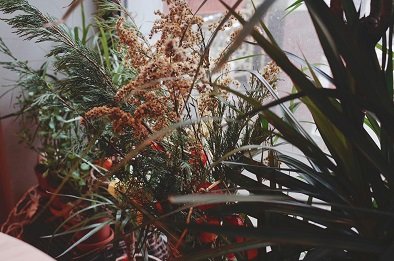
Indoor plants have seen a surge in popularity in recent years as individuals seek ways to enhance their living spaces with natural elements. These green companions not only add aesthetic beauty but also bring a host of benefits that contribute to a healthier and more enjoyable home environment. The incorporation of plants indoors can transform any ordinary setting into a lively atmosphere, positively impacting both mood and productivity.
One of the key advantages of indoor plants is their ability to improve air quality. Various species are known to effectively filter indoor pollutants, such as formaldehyde, benzene, and trichloroethylene, promoting a cleaner atmosphere within homes. Research has shown that plants can increase humidity levels, which can alleviate dry skin and respiratory issues. Furthermore, having plants around can reduce stress levels and foster a sense of well-being, making them valuable additions to any indoor space.
Beyond their health benefits, indoor plants also serve as dynamic decor elements that can complement and brighten up any room design. Whether adorning a windowsill, enhancing a corner of the living room, or acting as a focal point on a dining table, these plants bring life and vibrancy to interior settings. Their availability in various shapes, sizes, and colors means that there is an indoor plant suitable for every taste and design preference.
As urban living becomes increasingly prominent, the desire to incorporate nature into our homes grows stronger. Indoor plants play a vital role in bridging the gap between outdoor environments and indoor living, ultimately enhancing our connection to the natural world. This blog post will delve into specific types of indoor plants that are particularly effective at brightening up home environments, highlighting their unique characteristics and benefits.
Top Indoor Plants for Enhancing Your Space
Bringing indoor plants into your home can significantly transform your living environment, making it more vibrant and inviting. Various indoor plants not only enhance aesthetic appeal but also improve air quality, contributing to a healthier atmosphere. Below are some top choices that are sure to brighten up your space.
The Snake Plant (Sansevieria), known for its striking upright leaves, is an excellent indoor plant for beginners. Its hardy nature allows it to thrive in low light and requires minimal watering. Additionally, the Snake Plant purifies the air by converting carbon dioxide into oxygen, contributing to a healthier indoor environment.
Another fantastic option is the Peace Lily (Spathiphyllum). Renowned for its beautiful white flowers and glossy green foliage, it adds elegance to any room. Peace Lilies prefer indirect sunlight and regular watering, making them somewhat easier to care for. Moreover, they are exceptional air purifiers, removing harmful toxins and improving indoor air quality.
The Spider Plant (Chlorophytum comosum) is highly regarded for its unique arching leaves and ability to produce baby plants. Spider Plants are adaptable and thrive in a variety of conditions, including low light. They require minimal maintenance, which is ideal for busy households. Furthermore, Spider Plants are effective at filtering indoor pollutants, enhancing the overall air quality.
Lastly, the Pothos (Epipremnum aureum) is a popular trailing plant known for its easy-to-care-for nature. With its vibrant leaves that can be green or variegated, it can be placed on shelves or in hanging baskets for visual interest. Pothos prefers bright, indirect light but can tolerate low-light conditions, making it versatile for different home settings.
Incorporating these indoor plants can greatly enhance the beauty and atmosphere of your home, contributing not just to décor but also to your wellbeing.
Tips for Care and Maintenance of Indoor Plants
Caring for indoor plants is essential to ensure they thrive and continue to contribute positively to your home environment. One of the key aspects of plant care is understanding their watering needs. Overwatering or underwatering can lead to serious health issues for your plants. As a general rule, allow the top inch of the soil to dry before watering again. However, the frequency will vary depending on the type of plant, the soil type, and the climate in your home.
Light requirements are also crucial for indoor plants. Different species have varying needs; some thrive in direct sunlight, while others prefer indirect light or shade. Place plants according to their light preference. Use sheer curtains to filter direct sunlight for plants that require indirect light, allowing them to receive the right amount of energy without getting scorched.
The choice of soil is another vital factor. Indoor plants often require well-draining potting soil to avoid root rot. Specialized mixes are available for various types of plants, such as succulent or orchid mixes, which contain ingredients that enhance drainage and aeration. Utilizing the correct soil type ensures that plants receive the nutrients they need while maintaining proper moisture levels.
Common pests such as aphids, spider mites, and mealybugs can pose risks to the health of your indoor plants. Regularly inspect your plants for any signs of infestation. Maintaining a clean environment and using insecticidal soap or neem oil can help manage and prevent pest problems before they become severe.
In addition to these factors, providing proper humidity levels, particularly for tropical plants, can further enhance their growth. Grouping plants together or using a pebble tray with water can elevate humidity levels. This attention to detail in caring for indoor plants allows them to flourish in your home.
Decorating with Indoor Plants: Ideas and Inspiration
Incorporating indoor plants into home decor can significantly enhance the aesthetic appeal and ambiance of any space. One popular approach is to group plants of varying heights and leaf shapes together to create a dynamic centerpiece. For example, you may position a tall snake plant alongside short succulents and bushy ferns on a console table, providing visual interest and diversity.
When selecting placements for indoor plants, consider high-traffic areas such as living rooms and entryways. In these spaces, larger plants like rubber trees or fiddle leaf figs can serve as striking focal points. Additionally, hanging plants such as pothos or spider plants can add a unique element to rooms with limited floor space, drawing the eye upward and creating an illusion of height.
Bedrooms are another vital space to incorporate indoor greenery. Utilizing smaller pots on bedside tables or window sills can foster a calming atmosphere, essential for relaxation. Bamboo palms or peace lilies not only beautify the room but also improve air quality, making them perfect companions for sleep. Moreover, pairing these plants with soft furnishings can create a cohesive look, blending nature seamlessly with your design style.
For a minimalist or modern decor aesthetic, opt for sleek, contemporary planters that complement existing furniture. A monochromatic color scheme allows the natural greens of the plants to stand out. Conversely, in more eclectic spaces, combining colorful pots with vibrant artworks can create a lively and inviting environment.
Finally, consider using plants as decorative dividers in open spaces. By positioning tall plants strategically, you can define areas within large rooms, adding functionality while also enhancing your decor. These versatile ideas showcase the creative potential of indoor plants, proving they are integral to effective home decoration.