
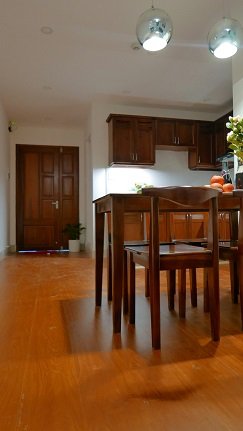
Kitchen lighting plays a pivotal role in creating an inviting and functional cooking environment. Its significance extends beyond mere aesthetics; proper lighting can significantly enhance the utility, safety, and overall design of the kitchen. As the heart of the home, the kitchen deserves careful consideration regarding the type and quality of lighting used.
One of the primary functions of kitchen lighting is to establish mood and ambiance. The right lighting can transform an ordinary kitchen into a warm and welcoming space, conducive to social gatherings and culinary adventures alike. Soft, diffused lighting allows for intimate interactions, while brighter lights are essential when culinary tasks require focus and precision.
Task lighting, in particular, serves a critical role in the kitchen. Areas like countertops, stoves, and sinks require adequate illumination to ensure safety and effectiveness during food preparation and cooking. Shadows caused by insufficient lighting can lead to accidents, while adequate brightness allows cooks to see what they are doing, reducing the chances of mishaps. Incorporating features such as under-cabinet lights can improve visibility in specific task zones.
Moreover, lighting influences the overall design and atmosphere of the kitchen. With a wide variety of fixtures available, such as pendant lights, chandeliers, and recessed lighting, homeowners can select solutions that complement their design theme. These selections not only optimize functionality but also enhance the visual appeal of the space, highlighting architectural features and design elements.
In conclusion, the importance of kitchen lighting cannot be overstated. It is essential for creating a balanced blend of aesthetics and functionality, ensuring that the cooking area is as practical as it is visually appealing.
Types of Kitchen Lighting Fixtures
When it comes to kitchen lighting, there are several types of fixtures available that can enhance both the functionality and aesthetic appeal of the cooking space. Each category of lighting serves a distinct purpose, and understanding these can help homeowners make informed decisions.
General lighting is essential for any kitchen, providing overall illumination. Overhead lights, such as flush-mounted ceiling fixtures or chandeliers, are popular choices. These fixtures are available in various styles and designs, allowing them to complement the existing decor while illuminating the whole area. One downside to overhead lighting is that it may not adequately illuminate specific work zones, which is where task lighting solutions come into play.
Task lighting focuses on specific areas where activities are performed, such as food preparation or cooking. Under-cabinet lights are an excellent example of task lighting as they illuminate countertops, making it easier to engage in tasks like chopping vegetables or reading recipes. Pendant lamps, often hung over kitchen islands or dining tables, also serve a dual purpose of providing task lighting and serving as decorative elements. However, installation can sometimes present challenges, especially if adequate electrical connections are not in place.
Consideration should also be given to accent lighting, which enhances the aesthetic of the kitchen without focusing on specific tasks. This may include wall sconces or decorative pendant lighting that adds character but does not provide critical illumination.
Ultimately, the right choice of kitchen lighting fixtures will depend on the specific layout and needs of the space. Homeowners should evaluate the size and function of their kitchens to determine the best combination of general, task, and accent lighting that will best serve their culinary activities while creating an inviting atmosphere.
Creative Kitchen Lighting Ideas for Every Style
Kitchen lighting plays a vital role in enhancing the aesthetic and functionality of this important space. With various design styles to consider, there are specific lighting ideas that can complement each kitchen’s unique atmosphere. For modern kitchens, sleek pendant lights in metallic finishes, such as copper or brushed nickel, can create a sophisticated yet contemporary look. Minimalist fixtures with clean lines allow for an unencumbered view of other design elements while providing adequate illumination.
In contrast, rustic kitchens benefit from fixtures that incorporate natural materials, such as wrought iron or reclaimed wood. A statement chandelier featuring Edison bulbs can provide a charming focal point above an island or dining area, merging style with warmth. Additionally, using light fixtures with a vintage flair can enhance the cozy ambiance typical of rustic kitchens.
Industrial-style kitchens often feature bold factory-inspired lighting designs. Think oversized metal pendant lights or exposed bulb fixtures that can draw attention without overwhelming the space. Utilizing dimming options can enhance this aesthetic further, allowing for adjustable lighting depending on the occasion—bright light for cooking and a softer glow for entertaining.
Traditional kitchens, on the other hand, can see a delightful harmony of classic and elegant lighting fixtures. Consider using traditional chandeliers with crystal accents or ornate pendant lights that reflect intricate design details. The use of warm color temperature bulbs can foster a welcoming feel, emphasizing the traditional decor.
Ultimately, mixing and matching different lighting styles can also yield a unique kitchen design. Combining task lighting with ambient sources ensures every corner of your kitchen is well lit, creating a functional and inviting environment for family and guests alike. Whether you opt for a chic modern look or a cozy rustic atmosphere, thoughtful lighting choices can significantly elevate your cooking area.
Practical Tips for Installing and Maintaining Kitchen Lighting
When it comes to kitchen lighting, proper installation and maintenance are essential for both functionality and ambiance. First and foremost, positioning lighting fixtures optimally can make a significant difference in a kitchen’s overall brightness. For instance, consider installing under-cabinet lighting, which not only enhances visibility on countertops but also adds an attractive glow without harsh shadows. Moreover, pendant lights over islands or dining areas can serve as both task lighting and decorative elements.
To ensure adequate light coverage, it is crucial to assess the kitchen’s layout before making any decisions. A layered lighting approach, incorporating ambient, task, and accent lighting, is recommended for versatile illumination. Ambient lighting provides general brightness, while task lights focus on specific working areas like stovetops and sinks. During the installation, pay close attention to the wattage and type of light bulbs you select, as these factors will impact brightness levels and energy efficiency. Using LED bulbs is particularly advantageous due to their longevity and lower energy consumption.
Maintaining kitchen lighting is equally important to keep these fixtures functioning and appealing. Regularly check and clean light fixtures to avoid dust accumulation that can reduce light output. For surfaces such as glass or polished metal, a simple wipe with a damp cloth is often sufficient. Furthermore, it is advisable to replace burnt-out bulbs promptly to maintain effective illumination. Consider incorporating diffusers or dimmers in your lighting design, as these can enhance the kitchen atmosphere and adjust light intensity according to specific needs. By implementing these practical tips and ensuring regular upkeep, your kitchen lighting can remain bright and invigorating for cooking and entertaining alike.