
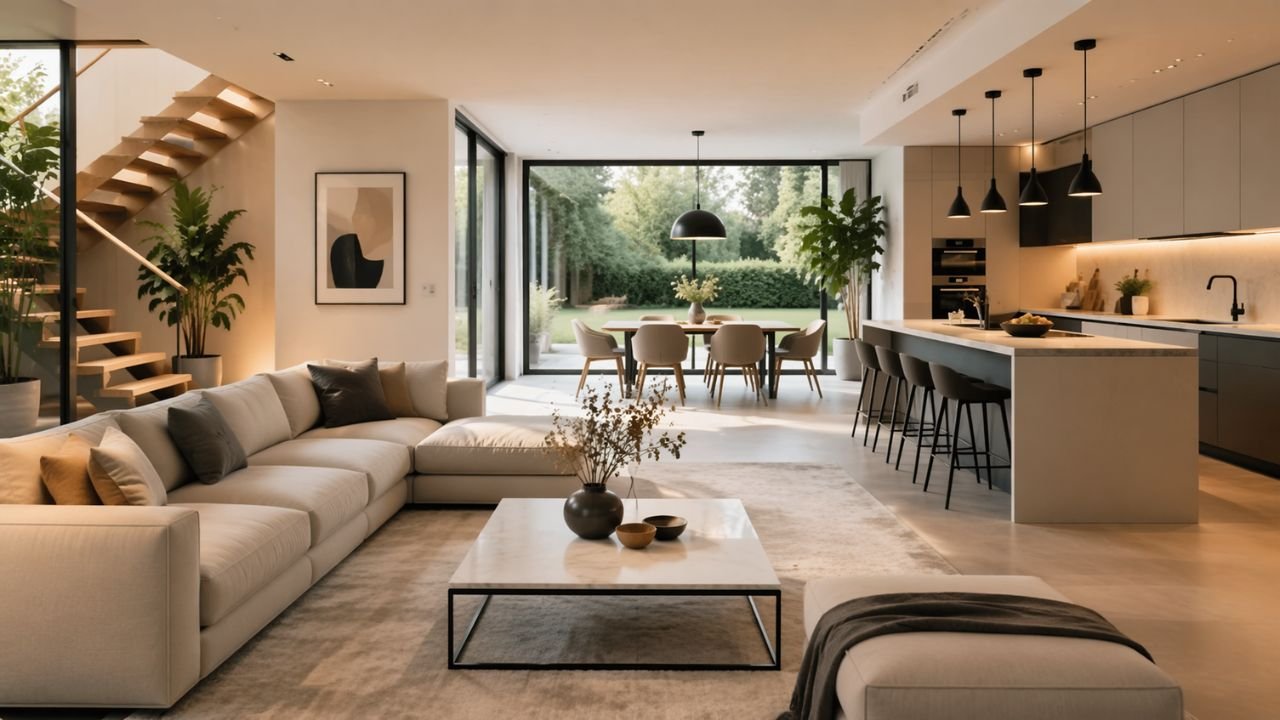
Creating a home that feels both stylish and comfortable is a goal for many homeowners today. When we talk about modern house interior design, we are looking at a style that values function, clean lines, and a lack of clutter. This design philosophy emerged in the early 20th century and continues to influence how we build and decorate our living spaces. It is not just about having the newest furniture or gadgets. Instead, it is about creating a sense of calm and order through thoughtful choices.
Many people confuse modern with contemporary, but they are actually different. Modern design refers to a specific historical period, typically from the 1920s to the 1950s. It focuses on honest materials like wood, metal, and glass. In this guide, we will look at how you can use these principles to create a beautiful home that stands the test of time. Whether you live in a small apartment or a large house, these tips will help you understand the core of modern aesthetics.
What Defines Modern House Interior Design?
To understand modern house interior design, you have to look at its roots. This style grew out of the Bauhaus movement and the work of architects who wanted to move away from the heavy, ornate styles of the Victorian era. The idea was that form follows function. Every piece of furniture or decor should have a purpose. If it does not serve a function, it likely does not belong in a truly modern space. This lead to the minimalist look we recognize today.
One of the biggest markers of this style is the use of straight lines. You will see this in the architecture of the rooms and the shapes of the furniture. There are very few curves or intricate carvings. Instead, the focus is on horizontal and vertical lines that create a sense of stability. Large windows are also a staple, as they connect the indoor space with the outside world. This connection to nature is a key part of making a modern home feel warm rather than cold or clinical.
Another important aspect is the open floor plan. In the past, houses were divided into many small, specific rooms. Modern design breaks down those walls. It allows the kitchen, dining area, and living room to flow together. This makes a home feel much larger and more social. It also allows natural light to reach deeper into the house. When you remove barriers, you create a more flexible environment that adapts to your daily life.
Core Elements of a Modern Interior
If you want to achieve a successful modern house interior design, you need to focus on a few core elements. These are the building blocks that define the look and feel of the space. First and foremost is the use of natural materials. Modern homes often feature unpainted wood, leather, stone, and metals like chrome or stainless steel. Using these materials in their natural state helps ground the room and provides a tactile quality that is very appealing.
Natural light is another non-negotiable element. Modern homes prioritize large, often floor-to-ceiling windows. The goal is to let in as much sunlight as possible. This reduces the need for artificial lighting during the day and helps boost your mood. If you have a home with small windows, you can still embrace this by using light window treatments. Avoid heavy drapes and opt for simple rollers or sheer fabrics that allow light to filter through.
Functionality is the final pillar of this style. In a modern home, storage is often built-in or hidden. This keeps the surfaces clean and free of clutter. You might see cabinets that blend into the walls or coffee tables that offer hidden compartments. The idea is to keep your belongings organized so that the beauty of the architecture and the main furniture pieces can shine. When every item has a dedicated spot, the entire house feels more peaceful.
The Role of Minimalism
Minimalism is a major part of modern house interior design. However, minimalism does not mean living in an empty white box. It means being intentional about what you bring into your home. Every item should be chosen for its quality and its purpose. Instead of having a shelf full of small trinkets, a modern home might feature one large, high-quality piece of art. This creates a focal point and keeps the room from feeling crowded.
Using Clean Lines and Geometric Shapes
When you choose furniture for a modern space, look for geometric shapes. Squares, rectangles, and clean circles are common. Think about a sofa with low profiles and visible legs. The legs are usually made of metal or wood, which adds to the honest use of materials. These shapes help the eye move easily across the room without getting caught on distracting details. It creates a visual rhythm that is very soothing.
| Element | Description | Modern Design Goal |
| Windows | Large, often without grids. | Maximize natural light and views. |
| Flooring | Hardwood, polished concrete, or tile. | Create a seamless, easy-to-clean surface. |
| Color | Neutrals (White, Grey, Beige). | Provide a calm backdrop for art/furniture. |
| Furniture | Low-profile, functional, raised legs. | Enhance the feeling of open space. |
Choosing a Modern Color Palette
The colors used in modern house interior design are typically neutral. White is the most common wall color because it reflects light and makes a space feel expansive. Greys, beiges, and soft earth tones are also popular choices. These colors act as a canvas. They allow the architecture of the house and the textures of the furniture to take center stage. When you use a neutral palette, you create a cohesive look that flows from one room to the next.
However, a modern home does not have to be colorless. You can use bold accent colors to add personality. Popular choices include deep blues, burnt oranges, or mustard yellows. The key is to use these colors sparingly. You might have a neutral living room with one bold blue armchair or a few vibrant throw pillows. This prevents the color from overwhelming the senses. It provides a pop of interest while maintaining the overall minimalist vibe.
Contrast is another tool used in modern palettes. You will often see a mix of very light and very dark elements. For example, a white kitchen might feature black matte hardware and dark wood stools. This high-contrast look is very characteristic of modern house interior design. It adds depth and prevents the room from looking flat. By playing with light and dark, you can highlight specific areas of the home and create a sophisticated atmosphere.
Modern House Interior Design for Each Room
Each room in your home can benefit from a modern touch. While the principles remain the same, the application changes depending on the function of the space. Let us look at how you can bring modern house interior design into the most important areas of your house.
The Living Room
The living room is usually the heart of a modern home. Start with a neutral-colored sofa that has clean lines. Avoid overstuffed furniture that looks heavy. Instead, choose pieces that are raised off the ground on thin legs. This makes the floor appear continuous and keeps the room feeling airy. For a coffee table, look for materials like glass or metal to keep the visual weight low.
Add texture through a large area rug. A wool rug in a solid color or a simple geometric pattern can anchor the seating area. For decor, less is more. Choose one or two large-scale pieces of art for the walls rather than a gallery wall of small frames. This keeps the look focused and bold. Remember to keep the window treatments simple to let in the light.
The Kitchen and Dining Area
In a modern kitchen, the goal is to hide the clutter. Choose flat-panel cabinets without ornate handles. Many modern kitchens use touch-to-open doors or recessed pulls for a seamless look. Stone countertops, like quartz or marble, are excellent choices because they are durable and look very clean. If possible, choose an island that serves as both a prep space and a dining spot.
For the dining area, a simple wooden or glass table with matching chairs works best. The Eames plastic chair or a similar molded design is a classic choice for modern house interior design. Lighting is also vital here. A single, large pendant light over the dining table can act as a piece of functional art. Look for designs made of metal or matte-finished materials to stay on theme.
The Bedroom
A modern bedroom should be a sanctuary of peace. Stick to a very limited color palette of whites, greys, and soft browns. A platform bed is the perfect choice for this style. It eliminates the need for a bulky box spring and keeps the bed low to the ground. This contributes to the horizontal lines that are so important in modern design.
Use natural fabrics like linen or cotton for your bedding. They feel great and look better when they are not perfectly pressed, adding a bit of organic texture to the room. Keep nightstands simple and clutter-free. Instead of bulky lamps, consider wall-mounted sconces. This frees up surface space and creates a very clean, hotel-like feel in your own home.
Lighting and Decor in Modern Design
Lighting is often described as the jewelry of a room. In modern house interior design, lighting is used to highlight architectural features and create mood. Recessed lighting is common because it stays hidden while providing plenty of light. However, decorative fixtures are also used to make a statement. Look for floor lamps with arched necks or table lamps with geometric bases.
When it comes to decor, follow the quality over quantity rule. A few well-placed items are much more effective than dozens of small ones. Use plants to add life and color. A tall Fiddle Leaf Fig or a sleek Snake Plant in a ceramic pot fits perfectly in a modern corner. Plants provide a soft, organic contrast to the hard lines of modern furniture. They also help clean the air and make the home feel more lived-in.
Art should be chosen with care. Large abstract paintings or black-and-white photography are great choices. The frames should be simple and thin. If you have a collection of books, try to organize them by color or turn the spines inward for a very minimalist look. Every decorative choice should feel intentional. If you are not sure if an item fits, try removing it. If the room feels better, you probably did not need it.
Sustainable Materials and the Modern Home
Modern design has always had a connection to the environment. Today, that means using sustainable and eco-friendly materials. Using reclaimed wood for flooring or furniture is a great way to add history and character to a new space. Recycled metal and glass are also excellent choices that fit the modern aesthetic perfectly.
Choosing high-quality pieces that are built to last is a key part of sustainable modern house interior design. Instead of buying cheap, fast furniture that will end up in a landfill, invest in well-made items. These pieces often hold their value and can be passed down through generations. Sustainability is not just about the material; it is about the longevity of the design. A classic modern piece will look just as good twenty years from now as it does today.
You can also look into smart home technology to make your home more efficient. Modern design often incorporates tech in a way that is hidden but helpful. Smart thermostats, energy-efficient LED lighting, and automated blinds can all be integrated into a modern home. These tools help reduce your carbon footprint while making your life more convenient. It is a win-win for both the homeowner and the planet.
Common Mistakes to Avoid
Even with the best intentions, it is easy to make mistakes when designing a modern space. One common error is making the room feel too cold. Because modern design uses a lot of hard surfaces like stone and metal, it can feel clinical if you do not balance it. To fix this, add warm elements like wood, wool rugs, and soft lighting. These textures make the space feel inviting and cozy.
Another mistake is over-cluttering the surfaces. It is tempting to put out all your favorite photos and souvenirs. However, in modern house interior design, this can quickly ruin the aesthetic. If you want to display items, do it in a controlled way. Use a dedicated shelf or a single tray on the coffee table to group items together. This keeps the clutter contained and maintains the clean lines of the room.
Finally, avoid matching everything too perfectly. While a cohesive look is good, a showroom look can feel stiff. Mix different textures and materials to give the room more depth. You might have a sleek metal desk paired with a vintage wooden chair. This mix of old and new, or hard and soft, is what gives a modern home its unique character. It shows that the home was curated over time by a human, not just bought from a catalog.
How to Start Your Modern Design Journey
If you are ready to apply modern house interior design to your home, start small. You do not have to renovate your entire house at once. Begin by decluttering one room. Remove the items you no longer use or love. This will instantly give you a clearer view of the space you have to work with. Once the clutter is gone, you can see where a few modern changes would make the biggest impact.
Next, look at your lighting. Replacing an old, ornate ceiling fixture with a simple, modern pendant can change the whole feel of a room. Paint is another affordable way to start. A fresh coat of warm white or light grey can provide the perfect backdrop for your new design. From there, you can slowly replace older furniture with pieces that have cleaner lines and better functionality.
Remember that design is a process. It takes time to find the right pieces that fit your style and your budget. Do not feel rushed to finish everything in a weekend. Take the time to live in the space and see how you use it. This will help you make better decisions about what furniture and layouts will actually work for your lifestyle. Modern design is about making life easier and more beautiful, so enjoy the journey.
Wrap Up
Modern house interior design is a timeless style that focuses on simplicity, function, and beauty. By emphasizing clean lines, natural light, and a neutral palette, you can create a home that feels both organized and welcoming. Whether you are choosing a new sofa or repainting your kitchen, keep the less is more philosophy in mind. Focus on quality materials and purposeful choices to build a space that truly serves your needs.
If you are ready to breathe new life into your living space, start with one of the tips mentioned above. Whether it is clearing off your counters or upgrading your lighting, every small step brings you closer to a modern, peaceful home.
Frequently Asked Questions
1. Is modern house interior design the same as contemporary design?
No, they are different. Modern design refers to a specific style from the mid-20th century characterized by clean lines and natural materials. Contemporary design is of the moment and is constantly evolving to include current trends.
2. Can I use modern design in a small apartment?
Yes, modern design is actually perfect for small spaces. Its focus on decluttering, open spaces, and raised furniture helps make a small room feel much larger and more open than it actually is.
3. How do I make a modern room feel cozy?
To add warmth to a modern room, use plenty of textures. Incorporate wooden furniture, soft wool rugs, linen curtains, and warm-toned lighting. Adding indoor plants also helps bring a natural, cozy feel to the space.
4. What are the best colors for a modern home?
The best colors are typically neutrals like white, grey, beige, and black. These provide a clean backdrop. You can then add pops of accent colors like navy blue, terracotta, or forest green through pillows and art.
5. Is modern design expensive to achieve?
It does not have to be. While high-end designer pieces are expensive, you can achieve the look by following the principles of minimalism. Focus on decluttering and choosing affordable furniture with simple, clean lines.