
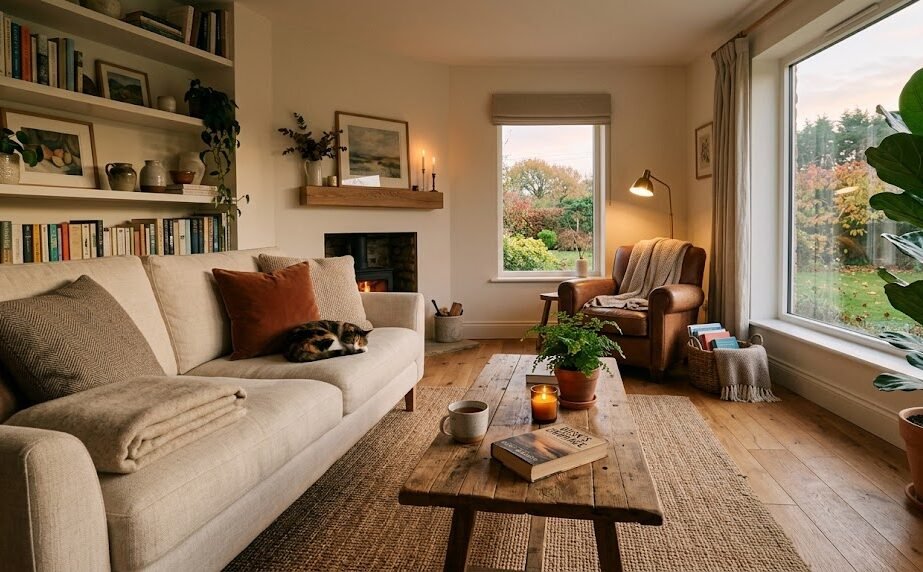
Creating a relaxing living room holds significant importance in fostering mental well-being and comfort. In a world characterized by constant demands and pressures, an inviting and tranquil space can profoundly affect our psychological health. A well-designed living room acts as a sanctuary, allowing individuals to unwind, recharge, and find peace amidst daily stressors.
Research indicates that the environment we inhabit has far-reaching implications for our mood and overall mental state. A calming living room can play a vital role in reducing stress and promoting relaxation. Natural elements, soothing colors, and comfortable furnishings all contribute to a serene atmosphere, helping to alleviate anxiety. The presence of soft textiles, adequate lighting, and greenery can enhance feelings of safety and comfort, further minimizing the overwhelming stress of everyday life.
Moreover, a relaxing living room serves as a gathering place for family and friends, facilitating social interactions that promote a sense of belonging and connection. Engaging with loved ones in a peaceful environment can strengthen relationships, alleviate loneliness, and foster emotional resilience. By providing a comfortable setting for shared experiences, a harmonious living room encourages positive mental health outcomes.
The design and ambiance of a living room can significantly influence our ability to unwind and engage in mindful activities, such as reading, meditating, or simply enjoying quiet moments. Therefore, understanding the importance of a relaxing living room becomes essential for enhancing one’s quality of life. Cultivating an environment that prioritizes tranquility not only benefits individual peace but also enriches interpersonal relationships, further solidifying its role as a cornerstone of mental well-being.
Choosing the Right Color Palette
The color palette of a living room plays a crucial role in setting the atmosphere and influencing mood. The psychology of color emphasizes how certain hues can evoke specific emotions, making the selection of a calming color palette a fundamental aspect of creating a relaxing living environment. To foster tranquility, consider incorporating soft and muted tones such as pastels, earth tones, or light neutrals. These shades are known for their soothing qualities and can help in promoting a serene atmosphere.
When selecting colors, it’s essential to think about how they will harmonize with the overall design of your living space. Soft blues and greens, for example, are universally recognized for their calming properties. Light gray can add a modern touch while still maintaining a sense of peace. Additionally, creamy whites or soft beiges can serve as excellent base colors that allow for the incorporation of bolder accents without overwhelming the senses.
To integrate these calming colors into your decor, consider painting the walls in a soothing hue or using these colors in large furniture choices, such as sofas and armchairs. Complement these larger items with throw pillows, blankets, and art that features a cohesive color scheme. Textiles play an important role in contributing to the overall feel of the room and should align with the chosen palette to create unity.
In addition to walls and furniture, the accessories you choose can further enhance the relaxing atmosphere. Select decorative items with gentle colors and soft finishes. Soft, ambient lighting can also greatly affect how colors appear in the room, thereby altering the overall ambiance. By thoughtfully choosing your color palette, and ensuring that it embraces a calm aesthetic, you can transform your living room into a peaceful retreat that promotes relaxation and well-being.
3. Selecting Comfortable Furniture and Layout
Creating a relaxing living room atmosphere begins with the selection of comfortable furniture. Ergonomically designed furniture plays a critical role in achieving this goal, as it not only supports the body adequately but also enhances one’s relaxation experience. Items such as sofas and chairs that are designed with proper lumbar support and cushioning can significantly improve comfort levels, making prolonged seated positions more enjoyable. Investing in quality seating allows individuals to unwind after a long day, contributing to an overall sense of tranquility.
The layout of the living room is equally important in achieving a welcoming space. A thoughtfully arranged room facilitates the flow of movement and conversation, which are fundamental to a cozy atmosphere. Start by identifying focal points in the room, such as a fireplace, a piece of art, or a large window with a view. Arranging seating around these focal areas encourages interaction and creates a nurturing environment.
Moreover, consider the flow of the room when arranging furniture. Ideally, pathways should be clear, allowing occupants to navigate effortlessly without feeling cramped. Leaving sufficient space between furniture pieces not only enhances accessibility but also ensures that the living room does not feel overcrowded. For instance, grouping chairs and sofas into intimate clusters can foster conversation while creating a sense of togetherness.
Additionally, incorporate side tables and ottomans to provide convenience and functionality without compromising comfort. These items can serve dual purposes, such as providing a surface for drinks or being used as extra seating when needed. Ultimately, the right combination of ergonomic furniture and an intentional layout can transform a living room into a soothing sanctuary, inviting relaxation and enjoyment for all who enter.
Incorporating Natural Elements and Personal Touches
Enhancing a living room to create a relaxing atmosphere involves a thoughtful integration of natural elements and personal touches. Incorporating plants is one of the most effective ways to bring nature indoors. Houseplants not only improve air quality but also add visual interest and a sense of tranquility. Popular choices such as peace lilies or snake plants can serve as focal points while adding depth and color to the room.
Another important aspect to consider is the use of natural light. By enhancing the access to sunlight, a space can feel more open and inviting. Strategically placed mirrors can help reflect light throughout the room, brightening darker corners and creating an illusion of a larger space. Additionally, opting for sheer curtains can allow natural light to filter in gently, maintaining privacy while ensuring the absence of harsh artificial lighting.
Soothing textures play a crucial role in establishing a calming environment. Incorporating natural materials such as wood, stone, and cotton can create a tactile experience that promotes relaxation. Soft throw pillows and cozy blankets can enhance comfort and warmth in the seating area. Consider selecting colors inspired by nature, such as earthy tones or soft pastels, which can contribute to an overall feeling of serenity.
Personalization is key in transforming a living room into a comforting sanctuary. Displaying art pieces, family photos, or meaningful decor not only enhances visual appeal but also evokes positive emotions. Each item should tell a story, resonating with personal experiences and memories. By curating a selection of decor that reflects individual tastes, the space becomes more inviting and serves as a true representation of the inhabitants’ personalities.