
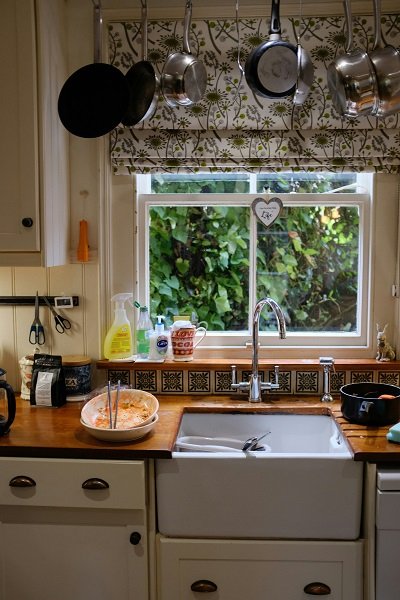
When selecting kitchen curtain styles, it’s essential to consider the various styles available, as each serves a unique purpose and aesthetic. One popular option is sheer curtains, which allow natural light to filter through while maintaining privacy. These lightweight fabrics can brighten any kitchen, making them perfect for spaces with ample sunlight or charming views.
In contrast, blackout curtains are designed to completely block light and offer better insulation. Ideal for kitchens that may see significant temperature changes or for those who prefer a darker environment during certain times of the day, blackout curtains can provide comfort while cooking or enjoying meals while reducing glare from the outside.
Valance curtains are another stylish choice, often used in combination with other options like sheer or blackout curtains. These decorative pieces typically hang at the top of a window, adding flair and elegance to a kitchen without obstructing views or light. Valances can also serve practical purposes by hiding curtain rods and creating a polished look.
Café curtains, which cover only the lower portion of windows, present a delightful way to ensure privacy while allowing light to permeate the space. Often associated with traditional or country-style kitchens, café curtains can add a cozy ambiance and are excellent for kitchens where windows are situated near dining areas.
Each curtain style can significantly influence the atmosphere of a kitchen. By selecting the right style of curtains—to accommodate lighting preferences, privacy needs, and design aesthetics—you can enhance both the functionality and visual appeal of this essential space in your home.
Choosing the Right Fabric and Patterns
When selecting fabrics for kitchen curtains, it is essential to consider practicality alongside aesthetics. Popular choices include cotton, linen, polyester, and blended fabrics, each offering different benefits suited to a kitchen environment. Cotton is a timeless option, known for its durability and ease of cleaning, making it ideal for households where spills and splatters frequently occur. Linen, while elegant and breathable, may require more care due to its tendency to wrinkle. For those seeking low-maintenance solutions, polyester is an excellent choice as it resists stains and fading, thus ensuring longevity in the vibrant kitchen setting.
Blended fabrics fall somewhere in between, combining the benefits of both natural and synthetic fibers. They offer a good balance of durability and softness, which can be particularly appealing in a busy kitchen. Another factor to keep in mind when choosing fabrics is their opacity. Light-filtering options can maintain privacy while allowing natural light to brighten the space, creating an inviting atmosphere.
Patterns and colors significantly contribute to the overall look of kitchen curtains. Solid colors tend to work well in minimalistic kitchens, providing a clean and modern feel. On the other hand, patterned fabrics can add character and warmth to the room. Common patterns include stripes, florals, and checks, all of which can complement various kitchen designs—from contemporary to rustic. When mixing and matching patterns, aim for a cohesive color scheme to create visual harmony. For example, pairing a floral curtain with striped dish towels can achieve a charming, cohesive look.
Ultimately, the right fabric and pattern selection can enhance not only the beauty of your kitchen but also its functionality, allowing you to enjoy the space with style.
Incorporating Curtains into Kitchen Decor
In the modern kitchen, curtains are more than mere window coverings; they serve as significant elements of style and functionality, enhancing the overall decor. When selecting kitchen curtains, it is essential to consider existing decor elements such as cabinetry, countertops, and appliances to achieve a cohesive look. The color coordination of curtains with these elements plays a vital role in creating a harmonious aesthetic.
For instance, if your kitchen features warm-toned wooden cabinetry, opting for curtains in soft earthy colors can create a seamless blend. Conversely, in a space dominated by bold black or stainless-steel appliances, lighter or more vibrant curtains can introduce a refreshing contrast, adding vibrancy to the overall decor. Furthermore, using patterned curtains can introduce visual interest, especially if the kitchen has predominantly solid color palettes.
A key aspect of incorporating curtains into kitchen decor involves the management of natural light. Light-filtering fabrics can help maintain brightness while providing privacy. Alternatively, sheer curtains can allow maximum sunlight to flood the kitchen, which is particularly beneficial in smaller spaces where light can enhance the feeling of openness.
Moreover, layering curtains adds depth and flexibility to your kitchen design. Pairing sheer curtains with heavier drapes can create an elegant look while also providing practical options for light control. To elevate the decor further, accessorizing with decorative curtain rods and ties can make a significant difference. For instance, unique curtain rods in materials like wrought iron or wood can serve not just a functional purpose but also act as artistic elements within the space.
In conclusion, effectively integrating kitchen curtains involves careful consideration of color, fabric, and accessories. By harmonizing curtains with existing kitchen decor, you can elevate your space’s style while enhancing the functionality of natural light management.
Practical Tips for Installation and Maintenance
When it comes to installing kitchen curtains, taking the proper measurements is crucial. Start by measuring the width of your window; the curtain rod should extend beyond the window frame by at least six inches on each side. This ensures that the curtains can be pulled completely away from the window, maximizing natural light. For the height, decide how high you want the curtains to hang. A popular method is to install the rod a few inches above the window frame, creating an illusion of height. Be sure to measure from this point to the desired length, whether that be right above the windowsill, or even pooling on the floor for a more dramatic effect.
Installation methods vary based on the type of curtain chosen. For rod pocket curtains, simply slide the fabric over the curtain rod; for grommet curtains, thread the rod through the metal rings. Tab top curtains require the rod to slide through fabric loops, while sheer curtains can be attached using clips for easy removal. Make sure to also consider the use of brackets or wall anchors for sturdy rod installation, especially if your curtains are heavier or if they will be opened and closed frequently.
Regular maintenance plays a significant role in keeping kitchen curtains looking fresh. Most fabrics can be machine washed on a gentle cycle, but always check the care label for specific instructions. Consider rotating between multiple sets of curtains throughout the year to refresh your kitchen’s look. Seasonal changes may inspire you to switch to lighter or darker fabrics, or even incorporate patterns that reflect different holidays. Ultimately, proper installation and maintenance ensure that your kitchen curtains not only enhance the aesthetic but also serve their functional purpose effectively.