
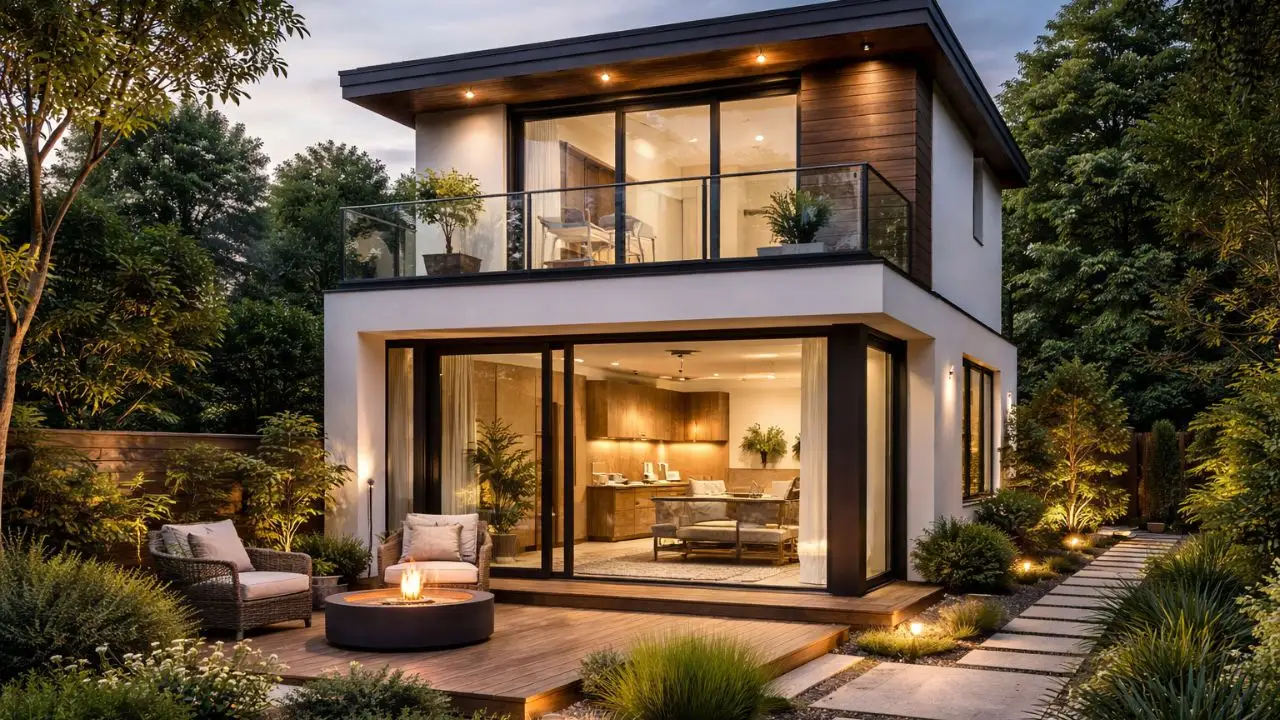
Living in a smaller footprint is no longer just a budget choice. It is a lifestyle shift that many people are choosing for its simplicity and sustainability. Whether you are building from scratch or renovating a compact space, the right small house design can make a tiny area feel vast and inviting. Many modern homeowners find that they do not need thousands of square feet to be happy. Instead, they need smart solutions that cater to their daily routines and personal tastes.
Designing a compact home requires a mix of creativity and practical planning. You have to think about how every corner functions. It is about more than just fitting furniture into a room. It is about creating a flow that feels natural and airy. When you focus on quality over quantity, you can create a home that is both beautiful and highly efficient. This guide will walk you through the most effective ways to manage your space without sacrificing the comforts of modern living.
Embracing the Beauty of Small House Design
The concept of small house design has evolved significantly over the last decade. Architects are now focusing on jewel box homes where every detail is crafted with precision. These homes prioritize high-end materials and clever architectural tricks over sheer volume. Choosing a smaller home often means you can afford better finishes or a more desirable location. It also means less time spent on cleaning and maintenance, which gives you more freedom to enjoy your life.
Modern layouts often lean toward minimalism. This does not mean your home has to be empty or cold. It means that every item has a purpose and a place. By reducing clutter, you allow the architectural features of the home to shine. High ceilings, large windows, and open floor plans are hallmarks of this style. These elements work together to trick the eye into seeing more space than actually exists.
The Psychology of Compact Living
Living in a smaller space can actually reduce stress for many people. When you have less room for stuff, you become more intentional about what you bring into your house. This leads to a more organized environment where you can focus on experiences rather than possessions. A well-designed small home provides a sense of coziness and security that large, echoing mansions often lack. It encourages closeness among family members and makes every room feel lived-in and loved.
Maximizing Every Square Inch with Smart Layouts
The foundation of a great small house design is the floor plan. If the layout is cramped, no amount of decor can fix it. You want to avoid hallways whenever possible. Hallways are often dead space that takes up square footage without adding much value. Instead, try to have rooms flow directly into one another or use a central living hub.
Open-concept living is the gold standard for small homes. By removing walls between the kitchen, dining area, and living room, you create a large communal space. This allows light to travel from one side of the house to the other. It also makes the home feel more social. You can cook in the kitchen while still being part of the conversation in the living room. This transparency is key to making a small footprint feel much larger.
Creating Flexible Zones
In a small home, rooms often need to serve more than one purpose. A guest bedroom might also be a home office. A dining table might double as a crafting station. To make this work, you need to define zones within an open area. You can do this with area rugs, lighting, or even different paint colors. This helps the brain recognize that one area is for work and another is for relaxation, even if there are no physical walls between them.
Furniture Choices That Save Space
The furniture you choose plays a massive role in small house design. Large, bulky sofas can quickly overwhelm a tiny living room. Instead, look for pieces with legs that sit off the floor. Seeing the floor continue under the furniture makes the room feel more open. Scale is also important. Choose furniture that is sized correctly for the room.
Multi-functional furniture is a lifesaver for compact living. Consider these options:
-
Wall-mounted desks that fold away when not in use.
-
Ottomans that provide seating and hidden storage.
-
Beds with built-in drawers underneath for clothing or linens.
-
Extendable dining tables that can accommodate guests but stay small for daily use.
The Power of Custom Cabinetry
If your budget allows, custom built-ins are worth every penny in a small home. Unlike store-bought furniture, custom cabinets can be built to fit the exact dimensions of your walls. They can go all the way to the ceiling, providing storage for items you only use occasionally. Built-ins can also hide unsightly things like water heaters or electrical panels, keeping the visual look of your home clean and streamlined.
Using Color and Light to Expand Your View
Lighting is one of the most powerful tools in small house design. A dark room will always feel smaller than it really is. Natural light is your best friend. Use large windows, skylights, or even glass doors to bring in the sun. If privacy is an issue, consider frosted glass or top-down bottom-up shades. These let light in through the top of the window while keeping your space private.
The color palette you choose also affects the perception of space. Light, neutral colors like soft whites, pale grays, and light blues reflect light. This makes walls seem to recede. If you want to use bold colors, use them as accents through pillows, art, or plants. Keeping the main surfaces light creates a cohesive and airy atmosphere that is easy on the eyes.
Mirrored Surfaces and Reflection
Mirrors are a classic trick for a reason. Placing a large mirror opposite a window can double the amount of light in a room. It also creates a window effect that adds depth. You can also use reflective materials like polished stone, glass backsplashes, or metallic finishes. These surfaces bounce light around the room, making it feel bright and energetic.
The Role of Vertical Space in Small House Design
When you run out of floor space, look up. Vertical space is often ignored, but it is a goldmine for storage and design. Tall bookshelves can hold a huge amount of items without taking up much floor area. You can also use wall hooks for everything from coats to kitchen pots. This keeps your floors clear, which is essential for maintaining a sense of space.
If your ceilings are high enough, consider a loft or a mezzanine. This is a common feature in small house design for tiny homes. Moving the sleeping area to a loft frees up the entire ground floor for living and dining. Even if a full loft is not possible, a sleeping platform with storage underneath can be a great way to gain extra square footage in a studio or small bedroom.
Shelving as a Design Element
Open shelving is a great way to add storage without the heavy look of closed cabinets. In a kitchen, open shelves for dishes and glassware can make the walls feel further back. Just be sure to keep them organized. Clutter on open shelves can make a small room feel chaotic. Use attractive baskets or jars to group smaller items together for a tidy look.
Creating a Seamless Indoor-Outdoor Flow
One of the best ways to expand a small home is to include the outdoors. If you have a patio, deck, or even a small balcony, treat it as an extension of your living room. Use similar flooring materials or color schemes to bridge the gap between the inside and the outside. Large sliding glass doors can make the outdoor area feel like another room of the house.
Even if you do not have outdoor space, you can bring the outside in. Indoor plants add life and color to a home. They also improve air quality. Large windows that look out onto greenery can act like living artwork. When the eye can travel past the walls of the house and into the distance, the feeling of confinement disappears.
Technology and Sustainability in Compact Living
Modern small house design often incorporates smart home technology to improve efficiency. Smart thermostats, lighting systems, and appliances can be controlled from your phone, saving space on wall switches and bulky controls. Many small homes are also built with sustainability in mind. Because they are smaller, they require less energy to heat and cool.
Using eco-friendly materials like reclaimed wood, bamboo, or recycled metal adds character to a small home. These materials often have unique textures that add warmth to a minimalist space. Small homes also allow for better insulation and ventilation strategies, making them comfortable year-round with minimal environmental impact.
Common Pitfalls to Avoid in Small House Design
While designing a small home, it is easy to make mistakes that lead to a cluttered feel. One common error is using too many small rugs or pieces of art. This can break up the visual flow and make the room look busy. Instead, choose one large rug that anchors the space and a few meaningful pieces of art.
Another mistake is neglecting the entryway. Even in a small home, you need a place to drop your keys, shoes, and mail. Without a dedicated landing zone, these items will end up on the kitchen counter or the sofa. A small wall-mounted shelf and a few hooks near the door can prevent this clutter from spreading through the house.
The Importance of Hidden Storage
Do not underestimate how much storage you will need. Every hobby, cleaning supply, and seasonal item needs a home. In small house design, you have to get creative. Use the space above doorways for shelves. Use the toe kick area under kitchen cabinets for flat items like baking sheets. When everything has a designated spot, your home stays organized and feels much larger.
Step-by-Step Guidance for Your Small House Project
If you are ready to start your journey into small home living, follow these steps to ensure success:
-
Analyze Your Needs: Make a list of your daily activities. Do you cook often? Do you work from home? Your design should prioritize the activities you do most.
-
Purge Your Belongings: Before moving into a smaller space, get rid of what you don’t use. This is the hardest but most important step.
-
Draft a Detailed Floor Plan: Use online tools or hire a professional to create a plan. Focus on circulation and light.
-
Invest in Quality over Quantity: Buy the best materials and furniture you can afford. In a small space, every detail is visible.
-
Live in the Space Before Finalizing: If possible, spend time in the layout before making permanent changes. You might find that a certain corner gets great light or needs more storage.
Frequently Asked Questions
What are the best colors for a small house design?
Light and neutral colors like off-white, light gray, and soft beige are the most effective. They reflect natural light and make the walls feel further apart. You can add pops of color through accessories to keep the space from feeling too clinical.
How can I make my small living room feel larger?
Use furniture with exposed legs to create a sense of openness. Incorporate large mirrors to bounce light and add depth. Also, keep the floor as clear as possible by using vertical storage and wall-mounted shelving.
Is an open floor plan always better for small homes?
Generally, yes. Open plans remove visual barriers and allow light to flow through the house. However, it is important to use rugs or furniture placement to define different zones so the space still feels organized and functional.
Can I have a home office in a small house?
Absolutely. Many people use clofices (closet offices) or wall-mounted desks that fold up when not in use. You can also place a slim desk behind a sofa or in an unused corner of the bedroom.
Are small homes more sustainable?
Yes, small homes usually have a smaller carbon footprint. They require fewer building materials and less energy for heating, cooling, and lighting. They also encourage a more minimalist lifestyle, which reduces overall consumption.
Conclusion
Creating a beautiful and functional small house design is about making intentional choices. By focusing on smart layouts, multi-functional furniture, and the clever use of light, you can turn any compact area into a dream home. Remember that living small is not about sacrifice. It is about prioritizing what truly matters and letting go of the rest. A well-designed home supports your lifestyle and gives you the space to breathe and grow.
If you are planning to build or renovate, start by looking at your current habits. What do you really need? Once you answer that, you can begin to craft a space that is uniquely yours. Small homes are the future of sustainable, affordable, and stylish living. Take the first step today and embrace the possibilities of compact design.
Ready to transform your living space? Start by decluttering one room this weekend and see how much lighter your home feels!