
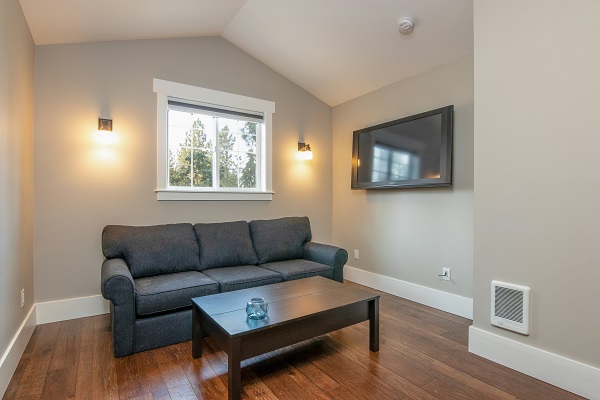
Decorating a small living room ideas poses unique challenges that require thoughtful consideration and creativity. One of the primary difficulties faced in these compact spaces is the limitation of square footage. With less area to work with, homeowners must prioritize furniture selection and layout to create a harmonious environment that feels open and inviting. This often leads to a struggle between maintaining a stylish aesthetic and ensuring that the space is not overcrowded. Proportion becomes a critical factor in small living rooms. Oversized furniture can easily dominate the room, making it feel cramped and unwelcoming. Therefore, choosing appropriately sized pieces that complement the scale of the space is essential. For instance, lightweight furniture that can be easily moved around allows for adaptability and helps avoid the static feel that often accompanies smaller areas.
Functionality is another vital aspect to consider when decorating a small living room. Each piece of furniture must serve a purpose, often requiring a multi-functional approach. For example, selecting ottomans that provide both seating and storage or a coffee table with hidden compartments can enhance utility without sacrificing style. Furthermore, the arrangement of furniture also plays a significant role in maximizing the living area. Leaving enough room for movement while ensuring that the space feels inviting can be a balancing act.
Despite these challenges, they can serve as a catalyst for innovation and creativity. Embracing the constraints of a small living room often leads to creative solutions such as utilizing vertical space with shelves, choosing lighter color palettes to enhance light and airiness, or incorporating mirrors to create an illusion of depth. By approaching the design with a mindset focused on these challenges, homeowners can transform their small living rooms into functional, stylish, and welcoming spaces.
Maximizing Vertical Space
When dealing with small living rooms, one of the most effective strategies for enhancing functionality and aesthetics is to maximize vertical space. This approach not only increases storage capabilities but also contributes to a feeling of openness by drawing the eye upward. Utilizing tall bookshelves is a practical starting point; they can house books, decorative items, and even plants, making effective use of the vertical dimensions of your room.
Wall-mounted storage solutions are another excellent way to make the most of the vertical area. Shelves that are affixed to the wall can keep the floor clear while providing ample space for displaying artwork, books, or personal collections. These shelves can be arranged in a staggered pattern to create a dynamic look that not only serves a functional purpose but also enhances visual interest. Moreover, wall-mounted cabinets can be used to store items out of sight, maintaining a clean and tidy appearance.
In addition, consider incorporating hanging decor such as floating shelves or framed artwork that is elevated from the floor. This not only decorates the walls but also encourages viewers to look upward, creating an illusion of depth and height in your living room. This effect can be further amplified by selecting lighter colors and reflective materials, such as mirrors, which can help bounce light around the room, making the space feel even larger.
By effectively leveraging vertical space through these strategies, small living rooms can transform into both functional and visually appealing environments. Maximizing the area above eye level is a crucial tactic in small space design, allowing for both practical storage and artistic expression.
Smart Furniture Choices
Choosing the right furniture for a small living room is essential for maximizing both space and functionality. To begin with, selecting multi-functional furniture can significantly enhance utility without overcrowding the room. For instance, consider a coffee table that doubles as a storage unit or an ottoman that can serve as both a seat and a place to stash blankets or books. These versatile pieces not only save space but also provide additional functionality.
Scaled-down designs are another crucial factor in making smart furniture choices. Overly large or bulky furniture can dominate a small living room, making it feel cramped. Instead, opt for slimmer, lighter pieces that complement the scale of the room. Sofas with exposed legs can create the illusion of more space, while furniture with clean lines and minimal ornamentation can contribute to an open, airy feel.
Additionally, the arrangement of furniture plays a pivotal role in optimizing space. To maximize accessibility, position furniture to facilitate easy movement throughout the living room. Avoid placing large items in the center of the room, which can create barriers and obstruct flow. Instead, consider arranging seating against walls or in a U-shape to encourage conversation while keeping the center open. This arrangement not only enhances accessibility but also provides a more inviting atmosphere.
Moreover, incorporating furniture that serves dual purposes, such as a sofa bed or a wall-mounted desk, can further aid in efficiently utilizing every square foot. By thoughtfully selecting and arranging furniture, you can create a functional and aesthetically pleasing living space that feels both spacious and welcoming.
Color Schemes and Light Effects
The choice of color in a small living room plays a crucial role in shaping the perception of space. Lighter shades tend to give the illusion of a more expansive area, making the room feel larger and more open than it actually is. Soft whites, pastels, or light greys are excellent choices, as they reflect natural light, enhancing the room’s brightness. Darker hues, while cozy, can make a small area feel cramped and closed in.
Incorporating light colors not only impacts spatial perception but also contributes to an inviting atmosphere. Consider using a single color palette throughout the space to create a seamless flow, further enhancing the sense of openness. For instance, light beige or off-white walls can be paired with furniture and decor in complementary light tones, such as soft blush or pale blues. This monochrome approach eliminates visual barriers, promoting a more spacious feel.
Additionally, employing mirrors strategically can amplify the effects of both color and light. When placed opposite windows or light sources, mirrors reflect natural light, creating a brighter environment while offering an optical illusion of increased depth. They can also serve as decorative elements that visually expand the room. Choose decorative mirrors with metallic or light-colored frames to enhance this effect further.
To add interest without overwhelming the senses, consider incorporating bold accents sparingly. Vibrant throw pillows, artwork, or a statement rug can introduce pops of color without dominating the small living room. These elements can highlight key features and create a focal point while still maintaining a sense of openness and airiness.
Decluttering and Organization Tips
Living in a small space can present unique challenges, particularly when it comes to maintaining an organized and visually appealing living area. Decluttering is a crucial first step to create a more functional environment. By removing unnecessary items, you can free up valuable space and make your living room feel more open and welcoming. The importance of decluttering cannot be overstated, especially in smaller homes where every inch counts.
To begin the decluttering process, assess each item in your living room. Ask yourself whether you truly use or love each piece. If the answer is no, consider donating or selling these items. A regular decluttering schedule can help maintain an organized space, preventing clutter from accumulating over time.
After decluttering, focus on organization strategies that maximize your available space. One effective approach is to utilize vertical storage solutions such as shelves and wall-mounted racks. These options draw the eye upward, creating the illusion of a larger room while providing storage for books, decor, or other essentials. Multi-functional furniture also plays a significant role in this regard. For example, ottomans that double as storage containers or coffee tables with built-in drawers can free up floor space while offering practical solutions.
Additionally, consider using decorative boxes or baskets that not only provide storage but also enhance the aesthetic of your living room. By collecting small items and keeping them organized in a visually pleasing manner, you can successfully balance decoration with functionality. Utilizing every inch efficiently is vital in a small living room, ensuring that while your space is stylish, it remains practical and comfortable for everyday use.
Personalized Decor Elements
Incorporating personalized decor elements into a small living room can be both an expressive and practical endeavor. Personal touches can transform a compact space into a cozy retreat that reflects the homeowner’s unique style while maximizing functionality. To achieve a harmonious balance between aesthetics and space constraints, it is essential to selectively curate meaningful decor items that do not overwhelm the area.
One effective strategy is to create a cohesive theme around personal items. For instance, if you have a passion for travel, consider displaying a few carefully chosen souvenirs, such as small globes or framed postcards, on wall-mounted shelves. This keeps surfaces clear while showcasing your collection. Instead of exhibiting all your treasured items at once, rotate them periodically; this approach not only refreshes the space but also keeps decor dynamic.
Furthermore, consider utilizing multi-functional furniture as a canvas for personalization. A coffee table with a glass top can serve as a platform for an artful arrangement of family photos, art books, or decorative storage boxes. Another inventive solution is to incorporate wall art that resonates with your personality, such as a gallery wall featuring a mixture of framed prints, original artwork, or personal photographs. This technique adds depth and interest without sacrificing valuable floor space.
Lastly, integrating plants can provide a refreshing touch of nature while adding a personalized feel to the living room. Choose small potted plants or hanging planters to infuse greenery without cluttering surfaces. In summary, personal decor elements, when thoughtfully selected and arranged, can enhance the character of a small living room while maintaining a visually appealing and functional atmosphere.
Incorporating Greenery
Bringing nature indoors is a concept that has gained significant popularity in modern interior design, particularly for small living spaces. Incorporating greenery can not only enhance the aesthetic appeal of a room but also promote a calming and refreshing atmosphere. The presence of plants can make a compact living room feel more inviting and vibrant, integrating the tranquility of nature into urban or confined environments.
Several types of plants are particularly well-suited for small spaces due to their size and ease of maintenance. For instance, succulents and cacti are ideal for smaller areas because they require minimal watering and come in various shapes and sizes, making them perfect for shelves or tabletops. Additionally, the Snake Plant, known for its upright growth and striking foliage, can thrive in low light while purifying the air—a notable feature in any living room.
Another excellent choice for enhancing a small living room is the Pothos plant, renowned for its trailing vines that can drape elegantly from hanging pots or high shelves. This plant thrives in indirect light, making it versatile for various corners in your space. If floor space permits, consider adding a small indoor tree, such as a Fiddle Leaf Fig or a Rubber Plant, which can serve as a focal point and bring a sense of height and dimension to the room.
Incorporating greenery can be as simple as placing a few potted plants on a windowsill or using a vertical garden setup to maximize space. Utilizing shelves, wall-mounted planters, or even creating a plant corner can transform any small living room into a tranquil retreat, promoting well-being while celebrating the beauty of nature indoors. By thoughtfully selecting and arranging plants, you can create an enjoyable environment that reflects your personal style while reaping the myriad benefits of indoor greenery.
Lighting Techniques
Efficient lighting plays a crucial role in enhancing the functionality and aesthetics of a small living room. By maximizing natural light and strategically implementing artificial lighting, one can create an inviting atmosphere that makes the space feel larger and more open.
To begin with, maximizing natural light involves using treatments that allow sunlight to stream in during the day. Light, sheer curtains or blinds are an excellent way to achieve this effect, as they not only permit abundant sunlight but also add an air of elegance. Additionally, mirrors can be strategically placed to reflect light, thus amplifying the amount of natural illumination in the room. Arranging mirrors opposite windows is particularly effective, as this technique can broaden the visual sense of space and lighten dark corners.
When it comes to artificial lighting, layering is an essential strategy for creating depth and warmth within a small living room. This involves combining different types of lighting fixtures to achieve a balanced ambience. Ambient lighting, such as ceiling-mounted fixtures or recessed lighting, provides general illumination, while task lighting, like reading lamps or decorative table lamps, serves specific functional purposes. Accent lighting, such as wall sconces or LED strips, can highlight a particular piece of art or architectural feature without taking up valuable space.
Choosing fixtures that are appropriately sized for a small living room is crucial; oversized lamps can overwhelm the area and detract from its overall design. Opting for sleek, modern fixtures that offer adjustable brightness or dimming options can create flexibility in the space, allowing for both vibrant day-to-day light and soft evening illumination. Overall, the careful selection and placement of lighting elements can dramatically transform a small living room, making it stylish, functional, and comfortable.
Creative Layout Ideas
Designing a small living room ideas presents unique challenges, but it also offers the opportunity to create a cozy and inviting space. One effective strategy is to consider a multifunctional layout that promotes both mobility and comfort. For example, placing a sofa against the longest wall can open up the floor space, creating a natural path for movement throughout the room. This layout not only maximizes the available area but also fosters a more social atmosphere.
Another layout option is the use of corner seating. Corner sofas or L-shaped arrangements can make good use of typically underutilized spaces, providing ample seating while still maintaining flow. It is beneficial to ensure that the furniture arrangement encourages conversation; for instance, placing chairs opposite the sofa can facilitate engagement among seated guests.
Additionally, consider incorporating a coffee table that allows for easy access and movement. Opt for a smaller, round coffee table that invites people to navigate around it easily, enhancing social interaction. Furthermore, unit arrangements can assist in creating designated areas within the living room. For instance, a small reading nook can be established by positioning a comfy chair next to a floor lamp, creating a distinct space without feeling disconnected.
To promote an airy feel, utilize furniture that is lower to the ground or has a transparent quality, such as glass coffee tables or acrylic chairs. This choice opens up the sight lines, making the room appear larger while still maintaining functionality. Also, the strategic placement of mirrors can visually expand the space, reflecting light and giving the impression of a bigger area.