
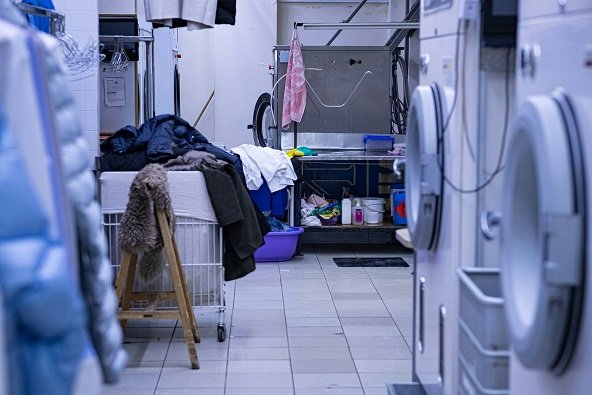
Before embarking on your laundry room organization journey, it is essential to conduct a thorough assessment of the available space. This preliminary step involves evaluating the dimensions of your laundry room, as well as the current layout and arrangement of appliances. Start by taking note of the size of the room; a compact laundry area will necessitate different organizational strategies than a more spacious one.
Identify and distinguish between key elements within the room, such as washing machines, dryers, and laundry sinks. Additionally, pay attention to existing storage areas, such as cabinets, shelves, and countertops that might already be in use. Take inventory of these features to determine their current effectiveness and to pinpoint any areas that could be improved or optimized.
It is equally important to recognize any unused spaces within the laundry room that could be utilized for storage or organization. For instance, wall space can often be overlooked; installing shelves or hooks on the walls can provide valuable real estate for items such as detergents, fabric softeners, and other laundry essentials. Moreover, consider underutilized areas such as the space above the washer and dryer, where vertical storage can be implemented.
Understanding the layout of your laundry room not only aids in identifying functional storage options but also enables you to envision how a more organized environment will look and feel. By having a clear grasp of the existing elements in your space, you will be better equipped to plan a well-structured organization system that fosters efficiency and accessibility during laundry tasks.
Declutter and Get Rid of Unnecessary Items
One of the foundational steps in creating an efficiently organized laundry room involves decluttering and systematically removing unnecessary items. Over time, laundry rooms tend to accumulate a variety of products and tools that may no longer serve their intended purpose. This includes expired or unused detergents, outdated fabric softeners, empty containers, and an assortment of miscellaneous items that can clutter the space.
Begin by conducting a thorough examination of all items within your laundry room. Take inventory of your cleaning supplies, tools, and other related items. As you assess each object, determine its functionality and relevance. For instance, if you discover multiple containers of the same detergent, consider keeping only the most current and essential products. Moreover, assess items that are outdated or expired; these should be disposed of responsibly to create a cleaner environment.
Organizing your laundry space goes beyond simply tidying up; it necessitates a mindful approach to what items you keep. This can be particularly essential for household necessities. If you find that certain products have not been used in months, it is likely time to let them go. A decluttered laundry room not only optimizes efficiency but also makes it easier to locate necessary items when needed.
Once you have identified the items to discard, consider recycling or donating any still-useful products that may assist others. By embracing a minimalistic approach, your laundry room can transition into a space that promotes a more streamlined process for laundry tasks. Ultimately, the goal is to foster an environment that is not just organized, but also conducive to ease of use and efficiency.
3. Use Clear and Labeled Containers
Utilizing clear storage containers is an effective strategy for optimizing the organization of your laundry room. These bins provide the advantage of visibility, allowing you to easily identify the contents without having to open each one. This not only saves time but also contributes to a more streamlined laundry process. By selecting clear containers, you can create a sense of order and decrease the likelihood of misplaced items, which is crucial in maintaining an efficient workspace.
Furthermore, complementing clear bins with proper labeling enhances their functionality. Labeling each container ensures that all members of the household understand where particular items are stored. For instance, dedicating one container for laundry detergents, another for fabric softeners, and a third for dryer sheets can significantly reduce the chaotic rummaging through products. This simple practice fosters accountability and encourages everyone to return items to their designated places after use, which ultimately sustains the organizational structure you aim to achieve in your laundry room.
It is also beneficial to engage family members in the labeling process. This encourages ownership and can make the concept of organization more relatable and less burdensome. Children, in particular, can be taught the importance of tidiness and the role they play in keeping the laundry room organized. Using both clear containers and labels can transform a cluttered space into an efficient area, making laundry chores less daunting and more manageable. In a busy household, these organizational techniques can save valuable time and effort, ensuring laundry tasks are handled with ease.
Create a Folding and Sorting Station
Designating a specific area in your laundry room for folding clothes and sorting laundry is an effective strategy to enhance organization and efficiency in this space. A dedicated folding and sorting station not only simplifies the process of managing laundry but also helps maintain the overall tidiness of the laundry room.
When creating this station, consider using a countertop or a large table that can accommodate multiple baskets. This surface should be easily accessible, as it will serve as the primary area for arranging freshly washed clothes. In terms of organization, implementing different baskets for various types of clothing can be particularly beneficial. For example, you may designate one basket for whites, another for darks, and yet another for delicates. This method streamlines the sorting process, making it easier to categorize clothes before washing or folding them.
Moreover, it is essential to allocate a designated spot for clean versus dirty laundry. Consider using labels or different colored baskets to distinguish between the two. This will not only reduce the chances of mixing clean and dirty items but will also create a habit of immediate segregation of clothing after use, ensuring that your laundry room remains clutter-free.
In addition, it may be helpful to keep a small supply of folding aids on hand, such as a fabric shaver or clothes steamer, which can facilitate the folding process by allowing you to remove wrinkles quickly. Ensuring the folding and sorting station is well-lit can also contribute to a more pleasant and efficient experience.
Maximize Vertical Space
In many laundry rooms, floor space can be at a premium, especially if the area is small. This is why it’s essential to consider vertical space as an opportunity for organization. By utilizing shelves, wall hooks, or cabinets, you can effectively store laundry supplies while keeping the floor area open for movement.
To create more storage, consider installing floating shelves above your washing machine or dryer. These shelves provide an excellent location for storing laundry soaps, fabric softeners, or other essential cleaning products. Ensure that the shelves are at a height that allows easy access but still maximizes the available wall area. Using sturdy brackets will ensure that the shelves can hold the weight of your supplies without sagging.
Another effective way to utilize vertical space is through the use of over-the-door organizers. These organizers can be hung on doors to store smaller items such as dryer sheets, or cleaning cloths, keeping them off the floor and close at hand. They often come with various compartments, allowing for neat organization of supplies. When selecting an over-the-door organizer, consider materials that can withstand the humidity typically found in laundry spaces.
Wall hooks present another versatile option; they can be used to hang cleaning tools, such as brooms or mops, making good use of wall space while keeping necessary items readily available. It is advisable to install these hooks at a height that suits the user’s reach, ensuring ease of use.
By thoughtfully utilizing wall space, you free up floor space for other uses, making your laundry room not only more organized but also more functional. Vertical storage solutions allow you to maintain an efficient workflow while minimizing clutter in your laundry area.
Organize Laundry Supplies Efficiently
Maintaining a well-organized laundry room plays a crucial role in effective laundry management. One of the primary aspects of achieving order is by categorizing your laundry supplies efficiently. Begin by sorting the items into distinct groups: detergents, fabric softeners, stain removers, and other additives. This categorization not only streamlines your laundry experience but also saves time and effort during laundry days.
To further enhance organization, consider using labeled containers for each category. Clear plastic bins or baskets are an excellent choice as they enable easy visibility of contents while maintaining a tidy appearance. Label each container to facilitate quick identification, ensuring that everyone in the household knows where to find specific products. This method reduces the risk of clutter and helps maintain a systematic approach to laundry chores.
In addition to containerization, think about vertical storage solutions, such as wall-mounted shelves or cabinets. These options help utilize space efficiently while keeping supplies accessible. If you opt for shelves, position frequently used items at eye level, while storing less-used products higher up. Furthermore, incorporating a small caddy or storage cart can be beneficial for transporting items to and from the laundry area easily.
Another creative solution involves repurposing household items for storage. For example, old mason jars can be used to store small packets of stain removers or laundry pods. This not only saves space but also adds a personalized touch to your laundry room. By implementing these organization tips, you can ensure your laundry supplies are not only easily accessible but also maintained in an orderly manner, leading to an enhanced laundry experience overall.
Utilize Multi-functional Furniture
In today’s compact living spaces, the need for efficient use of every square inch is paramount, especially in the laundry room. One effective strategy is to incorporate multi-functional furniture, which not only serves a primary function but also provides additional benefits that enhance the overall utility of the space. By selecting furniture pieces that combine several uses, homeowners can maximize storage and efficiency.
For instance, benches that double as storage units can offer a convenient resting space while also hiding away laundry supplies, such as detergents or fabric softeners. These benches can be placed near the washing machine or dryer, allowing easy access to these everyday items while maintaining an organized appearance. Furthermore, this dual-purpose furniture can help to clear clutter, providing much-needed surface area for folding clothes or sorting laundry.
Another example of versatile furniture is a small cart with wheels. These carts can easily be moved around the laundry room as needed, providing flexibility in how and where items are stored. Such carts can hold cleaning supplies, additional linens, or even baskets for sorting clothes. Their mobility allows homeowners to adapt the space based on their current needs — when not in use, they can be tucked away, keeping the laundry area tidy and organized.
Ultimately, investing in multi-functional furniture can create a more efficient and pleasant laundry room environment. With thoughtfully selected pieces, homeowners can create a space that is not only practical but also aesthetically pleasing, reflecting a well-organized home. By maximizing functionality through versatile furniture, one can achieve a balance between necessity and style, transforming the laundry experience into a more enjoyable task.
Establishing a Laundry Schedule
Creating and adhering to a laundry room organization schedule serves as an effective method for maintaining organization in your laundry room. By establishing a dedicated time for laundry tasks, individuals can prevent the overwhelming buildup of dirty clothes, which can quickly clutter a designated space. A structured approach to laundry helps streamline the entire process, making it more efficient and less time-consuming.
One of the primary benefits of having a laundry schedule is that it allows individuals to allocate specific days or times for washing different types of items. For example, one day may be set aside for regular clothing, while another is designated for linens or delicates. This separation can not only help manage the volume of laundry but also enables a more efficient use of machines and resources, ultimately promoting an organized laundry environment.
Additionally, having a predetermined schedule can reduce anxiety associated with laundry management. Rather than leaving it to chance or waiting until the last minute, a set plan can help individuals remain focused on their commitments, allowing for better time management in other household tasks. As a result, the flow of laundry becomes more manageable and predictable, leading to decreased clutter in the laundry room.
It’s important to communicate this schedule with family members or housemates to ensure everyone is on the same page. By doing so, everyone can contribute to maintaining an organized laundry space, fostering a sense of shared responsibility. Utilizing visual aids, such as calendars or chore charts, can act as reminders to adhere to the established laundry schedule, further supporting a clean and orderly laundry area.
Regular Maintenance and Updates
Maintaining an organized laundry room is essential for ensuring efficiency and reducing stress during laundry chores. To achieve long-term organization, it is crucial to develop a habit of regular maintenance and updates. Implementing simple strategies can significantly contribute to keeping your laundry area clutter-free.
One effective method is to schedule routine checks on the organization of the laundry room. Setting aside a specific time, perhaps monthly or quarterly, can help individuals stay proactive in evaluating the organization system. During these checks, assess designated spaces for detergents, softeners, and cleaning tools. Remove any expired products, and ensure everything is returned to its appropriate location. This systematic approach prevents the accumulation of unnecessary items, which often leads to clutter.
Additionally, consider implementing a checklist to streamline the maintenance process. Document the essential tasks to complete during each check, ensuring no aspect of the organization is overlooked. This checklist may include tasks such as reorganizing shelves, dusting surfaces, or rearranging items based on frequency of use. By establishing these routines, you foster an environment of organization that enhances overall functionality.
Furthermore, staying adaptable is vital. Recognize that changes in household needs may require updates to your existing organization system. As the family grows or shifts in dynamics occur, so too should the organization strategy. Periodically reassess storage solutions and whether they serve their intended purposes effectively. This strategy helps avoid stagnation in the laundry room organization, keeping it tailored to current lifestyles.
Incorporating these regular maintenance habits will not only sustain an organized laundry room but also reinforce a sense of control and comfort in home management. By being diligent in these practices, one can minimize future clutter, ultimately streamlining laundry day routines.