
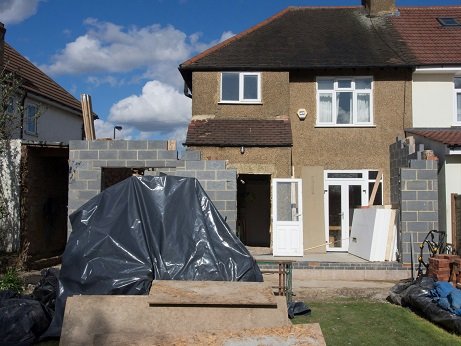
Undertaking a home renovation mistakes project can be both exciting and daunting. Homeowners often envision their dream spaces, but without proper planning, the journey can lead to numerous pitfalls. As we approach 2026, it is crucial to understand common home renovation mistakes that can derail even the best-laid plans. The need for foresight and strategic thinking cannot be overstated, as these elements greatly influence the outcome of any renovation project.
Common errors often stem from inadequate preparation, such as neglecting to conduct thorough research or failing to set a realistic budget. Engaging in renovations without a detailed plan can lead to hasty decisions that may impact costs and timelines. Additionally, homeowners may overlook the importance of seeking professional advice or assistance when necessary, risking quality and compliance with building regulations.
Another frequent mistake is prioritizing aesthetics over functionality. While creating a beautiful living space is a primary goal for many families, it is essential to balance design with practical considerations. Factors such as space utilization, energy efficiency, and durability should not be overlooked. Ignoring these aspects may lead to regrets down the line, ultimately detracting from the home’s value.
Moreover, unexpected changes can cause significant delays and budget overruns. Homeowners are often caught off guard by the complexities of their projects, highlighting the need for a flexible yet organized approach to home renovation. As we prepare to delve into the specifics, understanding these overarching mistakes sets the foundation for a successful renovation experience. Ultimately, avoiding these pitfalls in 2026 contributes to achieving a seamless and satisfying transformation of one’s living space.
Neglecting a Comprehensive Plan
One of the most critical aspects of any home renovation project is having a comprehensive plan in place before proceeding. This planning phase serves as a foundational element that dictates the success of the entire renovation process. A detailed plan should encompass various key components, including timelines, budgets, and design inspirations, all of which play a significant role in steering the project towards its desired outcome.
First and foremost, establishing a clear timeline aids in managing expectations and ensures that the project progresses in a timely manner. Without a set schedule, renovations can drag on, leading to increased costs and frustration for homeowners. It is advisable to create a realistic timeline that accounts for potential delays, such as supply chain issues or unforeseen structural problems, while allowing sufficient time for each phase of the renovation to be completed effectively.
Budgeting is another essential element of the planning process. A well-thought-out budget helps homeowners avoid overspending and unforeseen financial burdens. Detailed budgeting should include costs for labor, materials, permits, and any unexpected expenditures that may arise. Failing to establish a clear budget can lead to financial strain and may even jeopardize the overall completion of the project, resulting in half-finished renovations that are aesthetically unpleasing and functionally inadequate.
Furthermore, design inspiration is vital for ensuring that the renovation aligns with the homeowner’s vision and lifestyle. This involves researching current trends, gathering ideas from various sources, and considering how the new design will integrate with existing features of the home. Neglecting this aspect can lead to unsatisfactory results, ultimately undermining the purpose of the renovation.
In conclusion, proceeding with a home renovation without a comprehensive plan can lead to a multitude of issues, from financial setbacks to prolonged projects. Homeowners are encouraged to invest ample time in planning to pave the way for a successful and satisfying renovation experience.
Underestimating Budget Requirements
One of the most prevalent pitfalls homeowners encounter during a renovation project is the underestimation of budget requirements. While it is easy to calculate the expenses associated with materials and labor based on initial estimates, hidden costs often seep into the budget unexpectedly. This oversight can lead to financial strain and unnecessary stress as the renovation progresses.
When planning a home renovation, it is crucial to create a comprehensive budget that accounts for both expected and unforeseen expenses. Begin by listing all the primary costs associated with the renovation, such as construction materials, labor fees, permits, and inspections. However, it is important to also allocate funds for unexpected expenses that tend to arise during construction. Experts recommend adding an extra 10 to 20 percent to the expected budget for these potential hidden costs, which may include issues like plumbing or electrical work that was not initially identified.
In addition to unexpected repairs, consider the costs related to project delays, such as extended rental fees for temporary housing if the renovation displaces you. Furthermore, seasons can affect both the pricing of materials and the availability of contractors, sometimes inflating costs if the renovation is planned during peak seasons.
Creating a multi-faceted budget will allow homeowners to navigate their renovation without financial distress. It is also advisable to research quotes from various contractors to ensure that the estimated costs align with industry standards. By properly preparing for both budgeted and unplanned expenses, homeowners can effectively manage their renovation journey, avoiding common pitfalls associated with financial miscalculations.
Ignoring the Importance of Research
When embarking on a home renovation project, it is crucial to prioritize thorough research as an essential step. Many homeowners underestimate the significance of investigating various aspects related to their renovations, which can lead to costly mistakes and dissatisfaction with the final results. Engaging in comprehensive research allows homeowners to become well-informed about materials, design options, and potential contractors.
First and foremost, understanding the available materials is vital. With numerous options ranging from eco-friendly products to cost-effective solutions, selecting the right materials is instrumental in achieving both aesthetic appeal and functionality. By researching different materials, homeowners can identify which options best align with their budget and personal style, thus avoiding hasty decisions that may compromise the integrity and longevity of the project.
Moreover, selecting a reliable contractor can make or break a renovation project. Homeowners often overlook the importance of vetting contractors, which can lead to regrettable choices. By conducting thorough research on prospective contractors, checking reviews, and requesting references, homeowners can ensure that they select professionals who are not only skilled but also reputable. The relationship with a contractor is integral to the success of any renovation, making informed decisions about this aspect paramount.
Additionally, exploring various design options can enhance the overall effectiveness of a renovation. By visiting showrooms, browsing online resources, or engaging with design professionals, homeowners can discover innovative ideas and trends that may not have been initially considered. This approach allows for a more personalized renovation that reflects the homeowner’s unique tastes and preferences.
In conclusion, neglecting the importance of research prior to a home renovation can result in misguided decisions that affect the quality and success of the project. To avoid these pitfalls, taking the time to thoroughly investigate materials, contractors, and design options is essential for a rewarding and satisfactory renovation experience.
Choosing the Wrong Contractors
One of the most critical aspects of home renovation mistakes is selecting the right contractors. The decision can significantly impact the outcome of the project, both in terms of quality and financial implications. Engaging unqualified or unreliable contractors can lead to substandard work, budget overruns, and extended timelines, making it essential to approach the selection process with diligence.
To avoid these pitfalls, begin by thoroughly researching potential contractors. Look for professionals who specialize in the specific type of renovation you are undertaking, whether it’s a kitchen remodel or a bathroom upgrade. It is advisable to verify their credentials, including licensing and insurance, as these factors can provide insights into their reliability and professionalism. Additionally, consider seeking recommendations from family or friends who have recently completed similar projects.
Once you have shortlisted candidates, conduct interviews to assess their experience and approach to work. Asking about previous projects, challenges faced, and solutions implemented can gauge their expertise. Furthermore, requesting references from past clients is paramount. Engage with these references to learn about their experiences, focusing on aspects such as communication, adherence to timelines, and overall satisfaction with the completed work.
It’s equally important to obtain detailed written estimates from multiple contractors. This not only allows for comparison of prices but also helps in understanding the scope of work proposed by each contractor. Be wary of bids that seem significantly lower than the others; they may indicate subpar materials or rushed work. Remember, quality should take precedence over cost in home renovation projects.
In conclusion, selecting the right contractors involves careful investigation and consideration. By prioritizing qualifications, gathering references, and obtaining detailed estimates, homeowners can mitigate the risks associated with hiring the wrong professionals, ultimately ensuring a successful renovation outcome.
Overlooking Home Structure and Safety Regulations
When planning a home renovation mistakes, it is crucial to address the structural integrity of the property as well as compliance with local building codes and safety regulations. Many homeowners embark on renovation projects without a full understanding of the legal requirements that govern construction, which can lead to significant complications later on.
Ignoring these regulations can result in unsafe structures that pose risks to the occupants and may ultimately lead to unfortunate accidents. For instance, modifications made to foundations, electrical systems, or plumbing without adhering to code can cause serious hazards. Furthermore, installing non-compliant additions may compromise the safety of the home in the event of unforeseen circumstances, such as natural disasters.
In addition to safety risks, overlooking building codes can lead to costly ramifications. Local authorities typically require permits for renovations, and failure to obtain these permits can incur hefty fines and necessitate the disassembly of newly completed work. Homeowners may find themselves in a position where they must redo certain projects entirely to bring them up to code, resulting in increased expenditures and extended timelines.
Moreover, neglecting safety regulations can affect property value. If future buyers discover that renovations were performed without proper adherence to local codes, they may be dissuaded from purchasing the home or may request significant reductions in price to account for potential repairs and code compliance issues.
In conclusion, ensuring that home renovations comply with all relevant building codes and safety regulations is not only a legal requirement but also a crucial step in protecting the investments made in a property. By prioritizing structural integrity and regulatory compliance, homeowners can avoid the pitfalls associated with costly fines, safety hazards, and negative impacts on property value.
Considering Future Needs in Home Renovation
One of the most significant home renovation mistakes make during renovations is failing to consider their future needs. While it can be tempting to focus solely on current preferences and immediate functionality, planning for the long term is essential for ensuring that the renovations remain relevant and effective for years to come. Homeowners should think about how their living situations may evolve, such as starting a family, accommodating elderly relatives, or creating flexible spaces that can adapt to changing lifestyles.
For instance, a young couple may choose to design a small kitchen and an open-concept living area without thinking ahead to the potential need for more space if they have children. In scenarios like these, poor choices regarding layout and design can lead to cramped quarters and increased renovation costs in the future. Therefore, it is wise to maximize the options available within the space to cater to any number of future circumstances.
Another common oversight involves the selection of materials and fixtures. Homeowners often gravitate towards trendy designs or cheaper alternatives, but these choices can quickly become outdated or fail to stand the test of time. Investing in durable, timeless materials will not only enhance the aesthetic appeal but will also provide better functionality and longevity. Furthermore, the choice of energy-efficient appliances can meet future home regulations and standards, saving money on utilities and maintenance expenses in the long run.
Moreover, homeowners should also consider accessibility features during renovations. As they age, individuals may require modifications that support mobility and safety. By incorporating elements such as wider doorways, lever-style door handles, or non-slip flooring, a home can remain comfortable and functional for all its inhabitants, regardless of their physical abilities.
Skimping on Quality Materials
One of the most common mistakes homeowners make during a renovation is skimping on quality materials. While it may be tempting to cut costs by opting for cheaper, inferior products, this decision can lead to significant issues down the line. Choosing lower-quality materials often results in increased maintenance, shorter lifespans, and ultimately greater expenses, negating any initial savings.
Investing in high-quality materials can pay dividends over time, both in terms of durability and the enhancement of your home’s value. For example, investing in premium flooring materials, such as hardwood or top-quality tile, not only increases the aesthetic appeal of your home but also tends to stand the test of time far better than less expensive alternatives. High-grade materials resist wear and tear, require less frequent replacement, and maintain their beauty and functionality longer, leading to reduced upkeep costs.
Moreover, potential buyers pay close attention to the materials used in a home, as they often equate quality with value. Homes featuring high-quality finishes and fixtures can command a higher price on the market. By prioritizing quality over cost, you are not only ensuring a more enjoyable living environment but also enhancing your property’s overall marketability.
In summary, while the temptation to save money through the use of subpar materials is understandable, the long-term implications can be detrimental. By investing in quality materials, you foster a durable and valuable home and ultimately create a space that brings satisfaction for years to come. When planning your renovation, consider quality as an essential aspect of your materials selection process to avoid pitfalls that can arise from skimping in this crucial area.
Not Planning for Resale Value
When embarking on home renovation mistakes, homeowners often become engrossed in personal style and preferences, at times neglecting the crucial aspect of resale value. Understanding that your home is an investment is essential, especially if there is a possibility of selling in the future. Therefore, it is vital to consider how certain renovations might influence the marketability of your home.
One common mistake is opting for highly personalized finishes or excessive customization that resonates well with an individual taste but may deter future buyers. For example, while a vibrant, unconventional paint color may appeal to one homeowner, it can lead to a significant decrease in appeal for potential buyers who prefer neutral tones. Neutral colors and classic designs are often safer bets in renovations, as they attract a broader audience.
Moreover, certain high-cost renovations may not yield proportional returns. For instance, investing heavily in luxury bathroom fixtures or a gourmet kitchen may offer limited returns during resale. Instead, focusing on essential repairs and strategic updates can enhance value. Kitchen and bathroom remodels typically provide good returns, but these should be executed with an eye towards functionality and appeal rather than extravagance.
To effectively sharpen your home’s resale prospects, consult with a trusted real estate agent who can provide insights into local market trends and buyer preferences. This collaboration can help tailor renovations to not only enhance your living experience but also boost the property’s value. Additionally, a well-maintained exterior, landscaping, and necessary repairs should not be overlooked, as curb appeal significantly affects first impressions and marketability.
In conclusion, homeowners should strive to strike a balance between personal preferences and the practicalities of resale by making informed renovation choices that cater to future buyers. Investing time in planning and researching can help ensure that renovations add lasting value to the home, rather than detracting from it.