
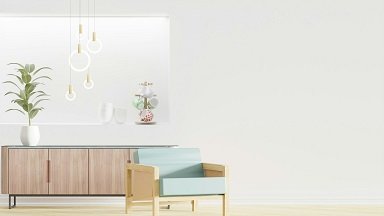
Scandinavian interior design has become a global phenomenon, celebrated for its minimalist aesthetic and practicality. Originating from the Nordic countries, specifically Denmark, Sweden, and Norway, this design philosophy emerged in the early 20th century and gained prominence during the mid-century. It was during this period that designers such as Arne Jacobsen and Hans Wegner crafted pieces that epitomized the Scandinavian ethos: simplicity, functionality, and elegance.
Central to Scandinavian design is the idea of minimalism. The designs prioritize clean lines and uncluttered spaces, seamlessly merging form and function. This approach not only creates a visually appealing environment but also fosters a sense of tranquility within the home. By eliminating excessive ornamentation, Scandinavian interiors focus on the inherent beauty of materials, particularly natural ones.
Additionally, the use of light plays a vital role in this style. Scandinavian countries experience prolonged darkness during winter months, which has influenced the design’s characteristic bright and airy spaces. Interiors often feature ample natural light, complemented by light color palettes—whites, grays, and soft pastels—to enhance the feeling of spaciousness.
Natural elements are also a hallmark of Scandinavian design. Wood, stone, and textiles crafted from organic materials contribute to a warm and inviting atmosphere. These elements help create a harmonious connection between the indoor and outdoor environments, emphasizing the importance of nature in Nordic culture.
For beginners delving into Scandinavian design, understanding its origins and key features is essential. By embracing the core principles of simplicity, functionality, and a connection to nature, one can effortlessly incorporate this timeless design style into their own living spaces.
Essential Elements of Scandinavian Interiors
Scandinavian interior design is characterized by a harmonious blend of functionality and aesthetics. One of the core elements is the color palette, which often consists of light and neutral tones such as white, gray, and soft pastels. These colors create a serene atmosphere and enhance the natural light, which is a vital component in Scandinavian homes. To successfully incorporate this color scheme, consider painting walls in soft hues and complementing them with furnishings in similar shades to maintain a cohesive look.
Another defining characteristic of Scandinavian interiors is the use of natural materials. Light woods, particularly birch and pine, are frequently utilized in furniture and flooring. These materials not only add warmth but also emphasize the connection to nature, a key aspect of Scandinavian design philosophy. To start integrating these materials, opt for wooden furniture pieces that showcase their grain, both for tables and chairs, and introduce wooden accents throughout the decor.
Functional furniture is crucial within this design aesthetic. Scandinavian design emphasizes the importance of multi-purpose furniture and clean lines. For beginners, look for pieces like a sofa that doubles as a bed, or nesting tables that save space when not in use. Moreover, furniture should be arranged to foster a sense of openness and flow, with a minimalist approach that encourages decluttering.
Lastly, lighting plays a vital role in Scandinavian interiors, given the long, dark winters. Natural light is maximized through large windows, while strategically placed lamps enhance the ambiance during less sunny days. Choose fixtures that reflect Scandinavian design principles—simple yet stylish. Incorporating these essential elements will not only make a space functional but also create a tranquil and inviting home environment, aligning beautifully with the principles of Scandinavian interior design.
Practical Tips for Implementing Scandinavian Design
Scandinavian interior design is celebrated for its simplicity, functionality, and elegance. For beginners looking to implement this style in their own spaces, there are several practical tips that can simplify the process. Here are step-by-step guidelines to help you create the perfect Scandinavian-inspired environment.
First and foremost, decluttering is crucial. The essence of Scandinavian design lies in minimalism; therefore, it is essential to eliminate unnecessary items. A clean space allows for better flow and makes the room feel larger, which is a fundamental aspect of Scandinavian style. Take time to assess your belongings and decide what truly brings you joy and value.
Next, focus on optimizing space. Utilize multifunctional furniture, such as benches with storage or coffee tables that can transform into desks. Scandinavian designs often emphasize utility alongside aesthetics, so select pieces that serve more than one purpose. This will not only enhance the space but also align with the practicality of the style.
When it comes to choosing furnishings, opt for pieces made from natural materials, such as wood, wool, or cotton. Light-colored woods, such as birch or ash, are particularly prevalent in Scandinavian homes. Incorporate clean lines and geometric shapes to maintain that sleek look typical of this design approach. Additionally, opt for pale color palettes, incorporating whites, greys, and soft pastels that reflect the Nordic environment.
Finally, creating a cozy atmosphere is vital. Layer textiles like cozy throws, fluffy pillows, and area rugs to add warmth and comfort. Choose accessories that evoke a sense of hygge, the Danish concept of coziness. Candles, warm lighting, and plants are excellent additions to cultivate an inviting space that feels both stylish and homely.
Real-Life Scandinavian Design Inspirations
Exploring real-life examples of Scandinavian design can provide valuable insights and inspiration for those interested in this aesthetic. One notable example is a cozy apartment located in the heart of Copenhagen, which seamlessly integrates natural elements with modern functionality. The living room features a neutral color palette, adorned with light wood furnishings and a statement piece—a contemporary dining table that serves as both a functional gathering space and a work area, embodying the essence of Scandinavian minimalism.
In another instance, a family home in Sweden showcases the use of open spaces and multifunctional rooms, which is a hallmark of Scandinavian design principles. Large windows invite ample natural light, while the use of soft textiles in light colors creates an inviting atmosphere. The emphasis on craftsmanship is evident in the bespoke furniture pieces, which reflect the cultural heritage of the region and contribute to a sense of warmth and comfort.
Commercial spaces also benefit from Scandinavian design elements, as seen in a recently renovated office building in Oslo. The workspace utilizes open floor plans, promoting collaboration among employees. Natural materials, such as wood and stone, have been incorporated in the design, alongside plants that enhance air quality and aesthetics. The thoughtful arrangement of communal areas encourages social interaction while maintaining focus on individual workstations.
These real-life Scandinavian design inspirations highlight the versatility and balance of form and function, making it easier for anyone to envision adapting these ideas into their own environments. By embracing simplicity, natural materials, and functional layouts, individuals can create spaces that are not only stylish but also reflective of their lifestyle, illustrating how Scandinavian design can transform any setting.