
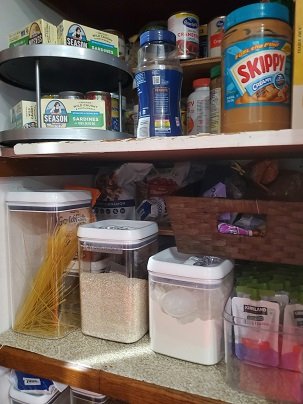
Before embarking on the journey to a better pantry organization, it is crucial to assess your current setup. This evaluation serves as a pivotal first step that allows you to identify areas of improvement, ensuring that you make informed decisions moving forward.
To begin evaluating your pantry, empty its contents completely. This process not only provides a clear view of what you currently have but also gives you the chance to clean the shelves thoroughly. While doing this, take the opportunity to check the expiration dates on all food items. Discard any expired products, as they no longer contribute to your pantry’s usefulness and may pose health risks if consumed.
Next, categorize your pantry items into distinct groups. This can include sorting items into categories such as frequently used, infrequently used, and expired. Doing this will allow you to see which products are essential and which ones may just be taking up valuable space. For items that you find are no longer of use or that you will not consume, consider donating them to local food banks or community organizations. This not only declutters your pantry but also helps others in need.
When assessing what to keep, focus on items that you regularly utilize in your cooking and meal preparation routines. If an item has not been used within a certain time frame, such as six months, it may be time to discard or donate it. Structuring your pantry this way lays the groundwork for a more organized space that is both functional and efficient. By taking these initial steps, you set a solid foundation for an organized pantry that meets your culinary needs.
Choosing the Right Organization Tools
Organizing your pantry requires thoughtful selection of tools and containers that cater to your specific needs. When it comes to choosing the right organization tools, there are a variety of solutions available to help streamline your pantry space. Clear bins, for example, are an excellent choice as they allow for easy visibility of contents while maintaining a tidy appearance. These bins are available in various sizes and can be used to store a range of items such as snacks, grains, or baking supplies.
Stackable shelves are another functional option, as they maximize vertical space within your pantry. By utilizing stackable shelves, you can create additional levels for storage without taking up too much floor space. This is particularly useful for larger pantries, where organizing items efficiently can prevent clutter. Furthermore, stackable shelves can often be adjusted or rearranged as needed, providing flexibility as your storage needs evolve.
Incorporating a lazy Susan can enhance accessibility, especially for smaller jars or spice containers. This rotating tray allows for easy access to items that might otherwise be lost in the back of a deep shelf. It is a practical solution for ensuring that everything is within reach and organized. When considering organization tools, also think about incorporating a labeling system. Labels can be made using chalkboard markers or printed labels, providing clarity and helping to maintain order within your pantry. A clear labeling system not only aids in identifying contents at a glance but also encourages consistent organization practices.
Ultimately, the right organization tools should align with both your pantry’s layout and your lifestyle. Assess your storage needs and space dimensions to select solutions that will work best for you. By utilizing functional tools, you can cultivate a pantry that is not only organized but also a joy to use every day.
Implementing an Organizational System
Organizing your pantry effectively involves a strategic approach that enhances accessibility and efficiency. One of the most effective methods is to group similar products together. For instance, consider designating separate areas for snacks, canned goods, baking supplies, and dry goods. By clustering like items, you not only streamline the search process but also optimize overall pantry space.
Utilizing vertical space in your pantry is another crucial step in organizing your items. Shelving can be adjusted or added to ensure that all items are easily visible. This can include stacking bins or using tiered shelving units to elevate smaller items and make better use of available height. By doing so, you can increase the pantry’s storage capacity while keeping it visually appealing and easy to navigate.
It’s equally important to keep frequently used items at eye level. This practice helps reduce the time spent searching for everyday essentials and ensures that items are easily reachable. Consider placing these items in the most accessible zones of your pantry, while less-used items, such as seasonal baking supplies or specialty ingredients, can be stored higher up or towards the back.
Creating specific zones for various categories not only aids in organization but also promotes better inventory tracking. By establishing set locations for each category, you are more likely to notice when items are running low, facilitating timely replenishment. Regular audits of your pantry will help maintain the system you’ve implemented. Typically, a seasonal review ensures that your pantry stays organized and clutter-free.
In conclusion, by grouping similar products, maximizing vertical space, positioning frequently used items conveniently, and maintaining specific zones, you can effectively organize your pantry. This structured approach enhances both functionality and aesthetics, transforming it into a well-organized and efficient storage area.
Maintaining Your Organized Pantry
To ensure your pantry remains an effective and organized space, ongoing maintenance is essential. A well-organized pantry is not only visually appealing, but it also enhances the efficiency of meal preparation by allowing easy access to ingredients. Regularly reassessing your pantry contents is a crucial step in maintaining its organization. Aim to do this every three to six months, or more frequently if you notice items accumulating or if your cooking habits change significantly.
One effective method for utilizing pantry organization items is through meal planning. By incorporating pantry staples into your weekly menus, you can reduce food waste and save money. Consider designing your meal plans around the items that may soon expire. This practice not only optimizes the usage of your pantry supplies but also ensures that you are consistently utilizing the ingredients you have on hand.
Additionally, implementing a routine for checking expiration dates can be beneficial in maintaining the quality of your food. Designate a specific day each month to review and remove any expired or stale items. This not only prevents potential health hazards but also makes space for fresh groceries.
To develop good habits around pantry organization, encourage your household to return items to their designated spots after use. Establishing this routine fosters accountability and reinforces the organizational system you have set up. Furthermore, consider planning periodic deep cleans of your pantry. This can be done seasonally or bi-annually, allowing you to restock essential items, eliminate clutter, and refresh the overall space.