
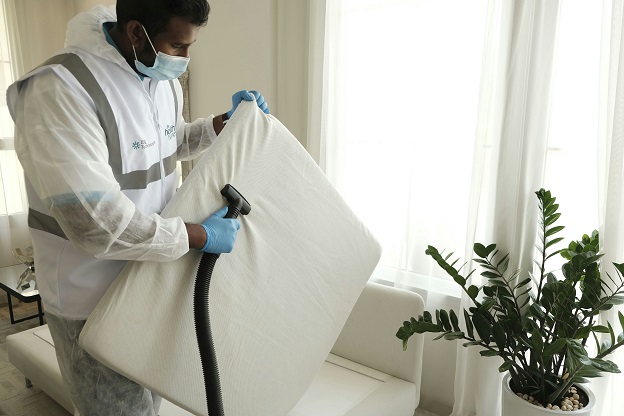
Introduction to the Importance of Home Cleaning Habits
Establishing consistent home cleaning habits is crucial for maintaining a spotless and well-organized living space. A clean environment not only contributes to visual appeal but also has profound effects on mental well-being. Research suggests that individuals who inhabit clean spaces experience lower levels of stress and anxiety. Consequently, developing and adhering to regular cleaning routines can significantly enhance one’s mood and overall quality of life. Moreover, a spotless home serves as a safeguard for health. Dust, allergens, and germs can accumulate in neglected areas, potentially leading to respiratory issues and other health concerns. Regularly engaging in cleaning activities minimizes these risks, ensuring an environment conducive to good health. As such, habitual home cleaning is not merely an aesthetic pursuit; it plays a vital role in preserving physical well-being.
In addition to the emotional and physical benefits, maintaining a clean environment promotes increased productivity. Cluttered spaces can lead to distractions, making it harder to focus on tasks. Conversely, a well-organized setting fosters motivation and efficiency. When one knows where to find essential items and enjoys a tidy workspace, it eliminates time wasted in searching for misplaced objects and enables smoother daily routines.
Ultimately, the cultivation of effective cleaning habits is integral to achieving not only a spotless home but also a healthier and more productive lifestyle. In the following sections, we will explore specific habits that can be easily integrated into daily life, ensuring that maintaining cleanliness becomes an effortless and fulfilling endeavor.
Daily Cleaning Routines: The 15-Minute Rule
Establishing effective daily cleaning routines is essential for maintaining a home that is not only clean but also harmonious. One effective strategy that many households have adopted is known as the ’15-Minute Rule.’ This approach advocates dedicating just 15 minutes each day to tidying up. Although seemingly minor, these small bursts of effort can significantly prevent the accumulation of clutter and grime over time.
The key to the success of the 15-Minute Rule lies in its simplicity and manageability. Each day, you can focus your attention on one specific area of your home—whether it’s the living room, kitchen, or bathroom. By setting a timer and committing to a 15-minute cleaning session, you create a sense of urgency that encourages efficiency. You may choose to dust surfaces, wipe down counters, or organize items that have strayed from their designated places. This practice not only creates a cleaner environment but also cultivates a proactive mindset towards household maintenance, taking away the stress associated with larger cleaning tasks.
Moreover, implementing a daily cleaning routine fosters a sense of discipline. With just 15 minutes each day, you can initiate a habit of regular maintenance that enhances the overall cleanliness of your home. In this way, clutter does not become overwhelming; rather, it is addressed incrementally. Additionally, engaging in these brief tidy-up sessions ensures that your living space can remain inviting and pleasant for both you and your guests.
In summary, the 15-Minute Rule serves as an effective tool in your daily cleaning regimen, allowing you to maintain an organized and clean home without the daunting burden of extensive cleaning sessions. Through consistent application, this simple strategy can turn into a lifelong habit of cleanliness and order.
The Power of Decluttering: Simplifying Your Space
Decluttering is an essential practice that significantly contributes to maintaining a clean and organized household. A clutter-free environment not only enhances the visual aesthetic of your home but also promotes mental clarity and reduces stress. In essence, keeping your space simple and organized helps in creating a more peaceful living atmosphere.
One effective approach to tackle clutter is through a regular decluttering routine. It is advisable to set aside time on a monthly basis to evaluate your belongings, ensuring that only necessary items remain within your living spaces. This habit fosters the continuous organization of your surroundings and prevents accumulation, thereby maintaining cleanliness.
Another useful technique is the ‘One In, One Out’ rule. This principle dictates that for every new item you bring into your home, you should remove an existing item. By following this method, you not only limit the number of belongings but also encourage mindfulness regarding purchases. This approach aids in making deliberate decisions about what to keep, ultimately leading to a more simplified existence.
Living minimally also presents numerous benefits. With fewer items to manage, your home becomes easier to clean, saving both time and effort. Additionally, a decluttered space can result in improved focus and increased productivity, as distractions are minimized. By prioritizing essential belongings, you create an environment that supports well-being and fosters a sense of control over your space.
In conclusion, developing a habit of decluttering can be transformative in maintaining a spotless home. By implementing regular decluttering practices and embracing a minimalist lifestyle, you can enjoy the numerous benefits of a simplified and organized living environment.
Implementing a Weekly Cleaning Schedule
Establishing a weekly cleaning schedule is a fundamental practice in maintaining a spotless home. A structured routine not only ensures thorough cleaning but also distributes tasks in a manageable way, preventing overwhelming lists of chores. This methodical approach forms the backbone of effective housekeeping.
When creating your weekly cleaning schedule, it is important to identify key tasks to include. Essential activities such as vacuuming, mopping, and dusting should be prioritized, as they contribute significantly to the overall cleanliness and hygiene of your home. Additionally, consider including kitchen deep cleaning, bathroom sanitization, and laundry duties in your schedule. Each of these tasks plays a specific role in keeping your living spaces pristine.
A recommended strategy is to allocate specific tasks to each day of the week. For instance, designate Mondays for vacuuming common areas, Tuesdays for mopping hard floors, and Wednesdays for dusting surfaces. This way, chores do not accumulate, and each task remains a justifiable part of your daily routine. It is also advisable to include lighter chores, such as organizing or decluttering, to allow for flexibility and variety in your tasks.
Moreover, consider incorporating time slots into your daily schedule to create a sense of urgency and purpose. Aim for short sessions of 20 to 30 minutes each day dedicated to cleaning. This tactic significantly reduces the feeling of monotony and makes the overall process less daunting. Adopting this method not only improves efficiency but fosters a habit of regular upkeep, which is fundamental for maintaining a spotless home.
The Role of Deep Cleaning: Monthly Habits to Adopt
Deep cleaning is an essential component of home maintenance that goes beyond regular cleaning routines. While daily cleaning ensures that surfaces are tidy, focusing on specific areas during a deep cleaning session can significantly enhance the overall hygiene of your home. Adopting monthly deep cleaning habits can mitigate the accumulation of dirt, allergens, and germs that are often overlooked in standard cleaning practices.
One frequently neglected area is baseboards. Dust and grime tend to build up along these edges, which can contribute to poor indoor air quality. To properly clean baseboards, use a damp cloth or a microfiber duster. Another area that often requires attention is behind appliances. These spaces can trap food particles, grease, and moisture, providing an ideal breeding ground for pests, so it’s advisable to pull out appliances such as ovens and refrigerators to clean their backs and floors thoroughly.
Monthly deep cleaning also involves addressing forgotten items like light fixtures, ceiling fans, and window blinds. Accumulation of dust on these surfaces can affect both aesthetics and air quality. For an effective clean, use a ladder for high fixtures and a vacuum attachment for ceiling fans, which can help eliminate dust without scattering it throughout the room. Additionally, consider washing curtains and clean windows to allow natural light to brighten your living spaces efficiently.
Furthermore, deep cleaning carpets and upholstery is vital. Regular vacuuming might not be enough to eliminate embedded dirt and allergens. Using a steam cleaner or hiring a professional service monthly can rejuvenate these textiles while ensuring a healthier home environment. Implementing these monthly deep cleaning habits will not only help maintain a spotless home but will also contribute to long-term health benefits for the occupants.
Kitchen Cleanliness: Daily and Weekly Habits
The kitchen is often regarded as the heart of the home, serving as a gathering place for families and friends alike. Therefore, maintaining kitchen cleanliness is essential for both food safety and overall family health. Implementing effective daily and weekly cleaning habits can significantly contribute to a spotless kitchen environment.
On a daily basis, it is crucial to establish a routine that includes wiping down countertops after each meal preparation. This simple practice helps eliminate crumbs and spills that not only attract pests but also create an unhygienic cooking space. Additionally, cleaning up immediately after cooking, including washing dishes and utensils, prevents the buildup of grease and grime. Emptying the kitchen trash regularly can further prevent odors and potential contamination.
Moreover, habitually sanitizing surfaces that come into contact with food, such as cutting boards and dining tables, can reduce the risk of foodborne illnesses. Using a mixture of soap and water, or a recommended disinfectant, will ensure these areas remain clean and safe for food preparation.
In addition to daily tasks, incorporating weekly cleaning routines is imperative for deep kitchen cleanliness. This may include cleaning inside and outside of appliances, such as the refrigerator and microwave, to remove any residue that might have accumulated. Taking the time to purge expired items from the fridge not only optimizes food storage but also enhances overall kitchen hygiene. A thorough mopping of the kitchen floor can eliminate stuck-on dirt and grime, reinforcing a clean atmosphere.
By adhering to these daily and weekly kitchen cleaning habits, a homeowner can secure a hygienic cooking environment, ultimately ensuring that their family’s health is protected. A clean kitchen not only fosters a pleasant culinary experience but also instills good practices that safeguard against food-related hazards.
Bathroom Upkeep: Essential Hygiene Habits
The bathroom is one of the most frequently used spaces in any home, making it crucial to adopt effective cleaning habits to maintain hygienic conditions. A well-kept bathroom not only provides a pleasant environment but also plays a significant role in preventing the growth of bacteria and mold, which can pose health risks.
One of the easiest daily tasks to incorporate into your routine is wiping down sinks and fixtures. By utilizing a soft cloth and a gentle cleaner, you can remove daily residues from toothpaste, soap, and water spots. Paying attention to faucets and handles is essential, as these surfaces can harbor germs. Just a few minutes each day can keep your bathroom looking fresh and inviting.
In addition to daily maintenance, weekly cleaning tasks are equally important. Devote time each week to scrub the toilet and shower thoroughly. For toilets, a good quality toilet bowl cleaner used in conjunction with a toilet brush can effectively eliminate bacteria and stains. Similarly, cleaning the shower with a mixture of vinegar and baking soda can help to prevent soap scum build-up and mold, ensuring that the area remains sanitary.
Furthermore, it is advisable to replace towels and bathroom mats regularly. Damp towels can easily become breeding grounds for mold, and changing them weekly can help reduce this risk significantly. Additionally, consider using a squeegee after every shower to minimize water build-up, which can contribute to mold growth.
Overall, the implementation of these simple yet essential bathroom cleaning habits can maintain a hygienic and clean environment. Regular upkeep not only preserves the appearance of your bathroom but also safeguards your family’s health by limiting the spread of germs and allergens. By committing to these cleaning practices, you ensure that your bathroom remains a safe space for all household members.
Involving the Whole Family: Team Cleaning
Creating a clean and orderly home is a responsibility that can benefit from the collective effort of all family members. By adopting a team cleaning approach, households can promote a sense of shared responsibility among family members. This strategy not only enhances cleaning efficiency but also fosters a cooperative spirit, making cleaning routines less of a chore and more of an engaging activity.
To ensure effective involvement, it is essential to assign age-appropriate tasks to each family member. Younger children, for instance, can take on simple chores, such as picking up toys, sorting laundry, or dusting low surfaces. These tasks, although small, can instill a sense of accomplishment and pride in their contribution. As children grow, their responsibilities can evolve, allowing for a gradual introduction to more complex jobs, such as vacuuming, washing dishes, or even cleaning bathrooms.
In addition to assigning tasks based on age and capability, establishing a cleaning schedule can significantly improve consistency in maintaining a clean house. Designating specific days for particular tasks, such as “Bathroom Wednesdays” or “Living Room Fridays,” can add structure and expectation to the cleaning process. This practice helps ensure that everyone is on the same page, and family members can prepare accordingly.
Moreover, using teamwork to tackle larger cleaning projects, such as spring cleaning or seasonal organization, can make the tasks feel less daunting. Organizing family cleaning days where everyone pitches in can also provide opportunities for bonding and collaboration. Providing incentives, such as small rewards for completed tasks, can further motivate family members and make cleaning a more enjoyable experience.
Conclusion: The Long-Term Benefits of Consistent Cleaning Habits
Maintaining a consistently clean home is not merely about aesthetics; it also significantly enhances one’s quality of life. The 10 home cleaning habits discussed throughout this article provide a foundation for creating a living environment that feels fresh, organized, and welcoming. By adopting these habits, individuals can see a gradual but impactful transformation in their daily routines and mental well-being.
One of the primary benefits of establishing these cleaning practices is the reduction of stress. A clutter-free and sanitary environment minimizes distractions and can lead to improved focus and productivity. Over time, the effort invested in consistent cleaning becomes less burdensome as these actions transition into automatic behaviors. This shift not only promotes a cleaner space but also fosters a sense of accomplishment and control over one’s surroundings.
Furthermore, the health advantages associated with regular cleaning cannot be overlooked. Consistent removal of dust, allergens, and other pollutants can lead to a healthier living space, reducing the likelihood of respiratory issues and other health concerns. This ripple effect extends beyond mere hygiene, contributing to overall well-being.
To begin reaping these benefits, consider selecting two or three cleaning habits to implement starting today. Whether it’s dedicating a few minutes each day to tidying up or developing a weekly cleaning schedule, these small changes can lead to significant improvements in your home environment. As you witness the positive impact of these habits on your daily life, you may find motivation to incorporate more cleaning routines into your lifestyle.