
Maintaining a clean home is essential not only for aesthetic reasons but also for psychological and physical well-being. A clean home living space significantly contributes to one’s mental health by providing a sense of order and control. When clutter accumulates, it can lead to feelings of anxiety and overwhelm. Conversely, a tidy environment can foster relaxation and enhance focus, allowing individuals to engage in their daily activities without the distraction of disorganization.
Moreover, physical health is also closely linked to the cleanliness of one’s home. Regular cleaning reduces the presence of allergens, dust, and bacteria that can affect respiratory health. It is well-documented that a clean environment minimizes the risk of illness; for instance, germs can thrive in unkempt spaces, leading to an increase in sickness within a household. Conversely, consistent cleaning routines help create a healthier atmosphere, promoting better overall health for residents.
Furthermore, a clean home can enhance the quality of life in broader social terms. It often serves as a welcoming space for guests and can strengthen relationships by hosting gatherings and events in a hygienic setting. Friends and family are more likely to feel comfortable in a well-kept environment, which can boost social interactions. These interactions provide emotional support and strengthen the sense of community, which is vital for psychological stability.
In conclusion, the importance of a clean home extends far beyond surface-level appeal. It plays a critical role in mental health, physical wellness, and interpersonal relationships, ultimately enriching one’s overall quality of life. By prioritizing cleanliness, individuals can cultivate a more harmonious living environment that promotes well-being in various aspects of daily living.
Essential Cleaning Supplies and Tools
To maintain a spotless home, equipping oneself with the right cleaning supplies and tools is of utmost importance. These foundational items not only help achieve cleanliness but also ensure efficient and effective cleaning routines. The following categories encompass the essential supplies every homeowner should consider.
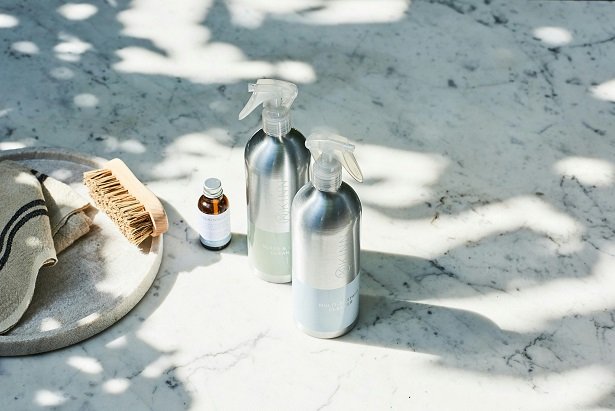
Surface Cleaners: A variety of surface cleaners is vital for addressing different types of surfaces. Multi-surface cleaners can be used on countertops, appliances, and furniture, while specialized products such as glass cleaners or stainless steel polish are essential for achieving a streak-free finish on glossy surfaces.
Scrubbing Tools: Effective cleaning often requires the use of scrubbing tools. Sponges, scrub brushes, and scouring pads come in varying degrees of abrasiveness. Choosing the appropriate scrubbing tool is key; for instance, softer sponges are ideal for delicate surfaces, while more abrasive options are better suited for tough stains.
Disinfectants: Maintaining a germ-free environment demands the use of disinfectants. Products containing bleach or alcohol are invaluable in high-touch areas like kitchens and bathrooms, where germs tend to accumulate. Monitoring the product labels for efficacy against specific pathogens can enhance the cleaning process.
Eco-friendly Alternatives: As sustainability becomes a growing concern, numerous eco-friendly cleaning supplies are now available on the market. Ingredients like vinegar, baking soda, and essential oils can serve as effective cleaning agents and are less harmful to both human health and the environment. Homeowners should consider integrating these alternatives when possible.
When selecting cleaning products, it is essential to assess individual needs and the surfaces in your home. Reading labels for compatibility and safety, as well as considering personal allergies or sensitivities, will help in making informed choices. Investing in quality supplies not only makes cleaning easier but also promotes a healthier living environment.
Room-by-Room Cleaning Strategies
Maintaining a spotless home requires a systematic approach, focusing on each room’s unique cleaning needs. Here are tailored strategies for essential areas in your home, including kitchens, bathrooms, living rooms, and bedrooms.
Kitchens: The kitchen is often the heart of the home, and it can quickly accumulate dirt and grease. Start by decluttering countertops, putting away items that do not belong. Wipe down all surfaces with a suitable disinfectant cleaner, paying special attention to high-touch areas like cabinet handles and appliances. Clean your sink and faucet to prevent bacteria buildup. Lastly, sweep and mop the floor to eliminate crumbs and stains.
Bathrooms: Clean bathrooms can significantly improve overall hygiene. Begin by clearing surfaces and organizing toiletries. Use a strong cleaner for the toilet, ensuring to scrub under the rim and around the base thoroughly. Shower curtains and doors should be cleaned with a mildew remover. Mirror and sink surfaces can benefit from a good glass cleaner, providing a streak-free shine. Floors should be mopped regularly to tackle soap scum and other residues.
Living Rooms: This room often serves as the main gathering space, making it essential to keep it tidy. Start by dusting surfaces, including shelves, electronics, and furniture. Consider removing cushions and vacuuming beneath them. If you have carpets, a deeper clean with a carpet cleaner can refresh the area. Lastly, organize any misplaced items and fluff decorative pillows to restore a polished look.
Bedrooms: A clutter-free bedroom promotes relaxation and better sleep. Begin by making the bed, as a neat bed instantly enhances the room’s appearance. Dust nightstands, dressers, and light fixtures, then vacuum or clean the floor. Organize clothing and personal items, keeping surfaces clear for an inviting atmosphere. Finally, incorporate a regular laundry routine to manage linens and clothing efficiently.
Each of these cleaning strategies provides effective ways to maintain cleanliness and address specific challenges associated with different rooms. Customizing your home cleaning checklist for each space can yield a consistently spotless environment.
Maintaining a Consistent Cleaning Routine
Establishing and maintaining a consistent clean home routine is essential for keeping your home orderly and free from clutter. To achieve this, the first step is to create a realistic cleaning schedule that fits within your daily and weekly commitments. Rather than overwhelming yourself with a long to-do list, it is advisable to break down cleaning tasks into manageable segments. For example, designate specific days for particular chores, such as vacuuming on Mondays, dusting on Wednesdays, and deep cleaning the kitchen on Saturdays. This structured approach can significantly reduce the anxiety often associated with home cleaning.
Incorporating daily habits can also prevent clutter and maintain cleanliness. Simple actions, such as making the bed each morning, washing dishes immediately after meals, and putting items back in their designated spaces can contribute to a tidier living environment. These small routines, when performed consistently, create a ripple effect that fosters a cleaner lifestyle. It is beneficial to set reminders or use a calendar to stay on track with your routine thereby prioritizing and increasing accountability.
Motivation can sometimes be fleeting; therefore, finding ways to stay inspired is key. One effective technique is to reward yourself after completing cleaning tasks, whether through a relaxing break or leisure activities. Additionally, involving family members in cleaning duties can transform the process into a shared experience. Designate specific chores to each family member based on their preferences and capabilities, which not only distributes the workload but also fosters teamwork and responsibility.
Ultimately, maintaining a consistent cleaning routine is crucial for an organized home. With structured schedules, daily practices, and family involvement, achieving a spotless living space becomes not only attainable but also enjoyable.