
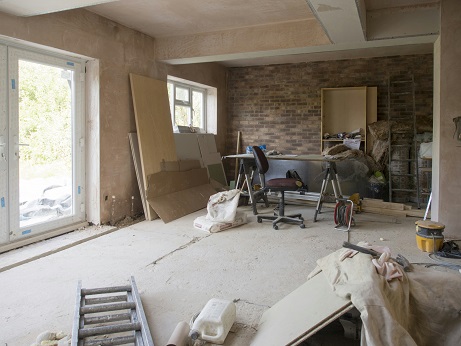
Understanding Your Renovation Goals
When embarking on a home renovation tips journey, it is crucial for beginners to clearly define their renovation goals. This process begins by distinguishing between needs and wants. Needs refer to essential changes necessary for the safety and functionality of your home, such as fixing structural issues or replacing old plumbing. Wants, on the other hand, pertain to enhancements or upgrades that improve aesthetics or convenience, like installing new countertops or upgrading appliances. Establishing this distinction aids in creating a realistic outline for your renovation. Setting realistic expectations is vital to the success of your renovation project. Many first-time renovators fall into the trap of overestimating their budget and timeline. It is essential to research and understand the average costs and timeframe required for various renovation tasks. This knowledge can help manage expectations and alleviate stress during the renovation process.
Prioritizing areas of your home that need renovation is another critical step. Evaluate which spaces are most important for your lifestyle and determine the urgency of each renovation project. For instance, if your kitchen is outdated or inefficient, you may wish to prioritize its renovation over secondary spaces like a guest room. By assessing your home’s condition, you can focus your energy and resources on what will yield the most significant benefit.
To ensure clarity throughout the renovation, creating a list of goals is beneficial. Outline each objective, rank them in order of importance, and correlate them with your budget and timeline. This organized approach not only helps prevent becoming overwhelmed but also serves as a useful reference to stay on track during the renovation process. By effectively establishing your renovation goals, you pave the way for a successful and satisfying home improvement project.
Budgeting for Your Renovation
Establishing a clear budget is an integral part of the home renovation planning process. Without a well-defined budget, projects can quickly spiral out of control, leading to unnecessary financial stress. To initiate your budgeting efforts, begin by creating a comprehensive list of all aspects of the renovation, including materials, labor, permits, and unexpected contingencies. It is essential to conduct thorough research on the costs associated with each item to ensure accuracy.
An effective way to estimate costs is by gathering multiple quotes from contractors and suppliers. This practice not only aids in understanding the market rates but also enables you to negotiate better deals. Additionally, considering the quality of materials is paramount; while lower-priced options may seem appealing, they can lead to costly repairs in the long run. Balance cost with durability to ensure your budget remains sustainable.
Incorporating a contingency fund into your budget is highly advisable, as unforeseen expenses are common during renovations. Typically, setting aside 10-20% of your total budget can cover any surprises that may arise, such as discovering structural issues or needing to adjust plans mid-project.
In terms of financing, various options are available to assist in funding your renovation. Home equity loans, personal loans, and financing through contractors are potential avenues to explore. It is crucial to evaluate the terms of these options carefully and choose the one that aligns with your financial situation.
As you move through the renovation, closely monitor your spending against your budget. Regularly revisiting your budget allows you to track progress and make any necessary adjustments, ensuring you remain on target. By following these guidelines, you can manage your expenses effectively and enjoy a successful home renovation experience.
Researching and Hiring Contractors
When embarking on a home renovation project, selecting the right contractors is crucial to ensure successful outcomes. The process should start with thorough research. Begin by looking for local professionals with a good reputation. Online platforms, local directories, and personal recommendations from friends or family can provide a wealth of options. Prioritize contractors who specialize in the specific type of renovation you envision, whether it’s a full remodel or a smaller project, like updating a kitchen or bathroom.
Once you have compiled a list of potential contractors, it’s essential to conduct interviews to assess their suitability. During these interviews, inquire about their experience, past projects, and overall approach to renovation. This dialogue not only allows you to gauge their expertise but also helps establish an initial rapport. Asking about their availability and preferred communication methods is also advisable, as consistency in communication can significantly impact the project’s flow.
Checking references is another vital step in the contractor selection process. Speak to previous clients to get insights into their experiences. Ask specific questions about the contractor’s work quality, adherence to timelines, and level of professionalism. Online reviews can also be helpful, but personal references often provide more nuanced perspectives.
Before making a final decision, it is essential to understand the terms of the contract. Carefully review all clauses and ask for clarifications on any ambiguous points. Pay attention to deadlines, payment schedules, and scope of work outlined in the contract. Clear communication with the contractor prior to commencement can help manage expectations and facilitate an efficient renovation experience. By following these guidelines, homeowners can significantly improve their chances of a successful renovation with a reliable contractor.
Creating a Timeline for Your Renovation
Establishing a detailed timeline for your home renovation is crucial to ensure that the project progresses smoothly and remains on track. The first step towards creating an effective renovation timeline is to define the scope of the project. Begin by listing all tasks involved, from design conceptualization to the final finishing touches. This comprehensive list will serve as a foundation for your timeline.
A key element to remember is the necessity of allowing time for unforeseen delays. Home renovations can often encounter unexpected issues, such as permit delays, structural problems, or late material deliveries. Therefore, it is advisable to incorporate buffer periods into your schedule. A good guideline is to allocate an additional 10-20% of the initial estimated timeline to cover any potential setbacks. This practice can significantly reduce stress and frustration during the renovation process.
After establishing the baseline timeline, it’s important to set milestones. Milestones are significant points throughout your renovation where you can assess progress and make necessary adjustments. Examples of these could include completing demolition, finishing drywall installation, or passing critical inspections. Regular assessments at these milestones will help ensure the project stays on schedule and can facilitate communication with contractors regarding any changes or delays.
When creating the timeline, consider how different phases of the renovation will impact your daily life. Coordinating the various aspects—such as when to arrange for painting, flooring installation, or fixture updates—can help minimize disruption. For instance, try to have plumbing and electrical work completed prior to beginning cosmetic updates. Planning these phases carefully allows for a more seamless transition from one stage of renovation to another, resulting in a more efficient process overall.
Design Considerations and Inspiration
Embarking on a home renovation project requires thoughtful design considerations to ensure that the end result not only meets aesthetic desires but also serves practical needs. Beginners in home renovation should start by gathering inspiration from a variety of platforms. Traditional sources such as home and design magazines can provide a plethora of ideas and visual representations of styles. In addition, digital platforms, including websites and social media, have revolutionized the way homeowners can receive and share design inspiration.
Websites such as Pinterest and Houzz are particularly valuable, offering an extensive range of images and projects that cover diverse design styles. These platforms allow you to save and categorize ideas, which can help clarify your vision before the actual renovation begins. Furthermore, Instagram has become a popular medium for creatives, showcasing innovative designs and renovations in real-time. By following the right accounts, you can stay up-to-date with trends and gain insights from others who have recently completed their projects.
When selecting a design style, it is essential to choose one that resonates with your personal tastes while also considering practicality and functionality. For instance, a minimalist approach may appeal to some homeowners, favoring clean lines and open spaces. Others may prefer a more traditional aesthetic, opting for rich colors and intricate details. Regardless of the chosen style, it is crucial to assess how well it integrates with your lifestyle and the existing architecture of your home.
Ultimately, successful home renovations blend aesthetic desires with functionality. By gathering inspiration and thoughtfully considering design choices, you can create a harmonious living space that not only reflects your personality but also meets the practical demands of everyday life. Doing so lays the foundation for a well-planned renovation that enhances both the beauty and utility of your home.
Understanding Local Regulations and Permits
When embarking on a home renovation project, it is crucial to understand the local regulations and permits that may be required for your renovations. Building codes are established by municipalities and serve to ensure that construction activities are safe, sustainable, and in harmony with zoning laws. Ignoring these regulations can not only result in penalties but can also create safety hazards within your home.
Before starting any renovation, it is advisable to check whether permits are required. In many cases, significant alterations, such as changes to the structure, electrical systems, plumbing, or major landscaping, may necessitate permits. Minor changes, such as painting or replacing fixtures, typically do not require permits, but local laws can vary widely. Hence, consulting your local building authority or planning department would be a beneficial first step in your renovation planning process.
Once you establish whether permits are needed, the next step is to navigate the permitting process efficiently. This usually involves submitting detailed plans that outline the scope of the work, along with information on materials and methods to be used. It may also require inspections at various stages of the project to ensure compliance with the approved plans and relevant codes. Understanding this process in advance can save time and reduce misunderstandings with local authorities.
In addition, keep in mind that failure to acquire the necessary permits can lead to legal issues such as fines or the requirement to undo the renovations. This can lead to delays and additional expenses that can severely impact your renovation budget. Therefore, it is paramount to do your research and ensure all legal aspects are addressed before commencing any work on your home.
Sourcing Materials and Products
When embarking on a home renovation project, sourcing materials and products efficiently is pivotal. The right materials not only affect the aesthetic appeal of your home but also determine its longevity and functionality. For beginners, navigating through countless options can be daunting, but with a structured approach, one can find quality products that align with both budget and design aspirations.
Start by identifying the specific materials required for your renovation. Consider creating a list that includes all necessary items, which can range from cabinetry and flooring to paint and fixtures. Establishing a clear budget at the outset will guide your selection process, ensuring you are aware of the costs involved and helping to prevent overspending.
Next, explore a mix of shopping venues to source your materials. Big-box retailers often offer a broad selection at competitive prices, making them a good starting point. However, do not overlook local hardware stores, specialty suppliers, or online platforms which may feature unique options, sometimes at more affordable rates. For quality furnishings, local thrift stores or online marketplaces can yield unexpected treasures. While seeking cost-effective solutions, ensure that you evaluate the quality of each product; higher durability can save on future costs associated with repairs or replacements.
Attend home improvement expos, workshops, or community events to discover products and materials firsthand. These venues often provide opportunities to interact with vendors who can offer valuable insights regarding the functionality and durability of their offerings. Additionally, consider engaging with online forums or social media groups focused on home renovations, where fellow enthusiasts share their experiences and sourcing tips.
Ultimately, the blend of aesthetics and functionality is paramount in choosing materials for any renovation. By carefully considering both budget-friendly and quality options, beginners can build a home environment that is not only visually pleasing but also enduring.
Managing the Renovation Process
Overseeing a home renovation can be a challenging but rewarding experience for beginners. Effective management of the renovation process hinges on clear communication with contractors. Establishing a reliable line of communication from the outset is essential. This involves regular check-ins, whether through scheduled meetings or frequent phone calls. By doing so, you can ensure that all parties are aligned and that any changes or concerns can be addressed promptly.
Monitoring progress is another crucial aspect of managing renovations. It is advisable to set a timetable with your contractor that outlines key phases of the project. Regular site visits can help you stay updated on the work’s status, allowing you to identify any potential delays early. Maintaining detailed records of what has been completed against the original schedule will aid in visualizing progress and ascertaining if adjustments in planning are necessary.
However, issues are likely to arise during the renovation process. Being prepared to tackle these problems head-on will greatly ease the stress associated with home improvements. It is important to foster a problem-solving mindset, approaching any setbacks as challenges that can be overcome with cooperation between you and your contractor. Whether it involves supply chain delays or unexpected structural issues, addressing them as soon as they occur can help keep the project on track.
Lastly, ensuring that the renovation project remains within budget is paramount. Regularly reviewing expenditures against your initial budget will help you to identify any budget overruns early. Discussing financial expectations with your contractor can prevent misunderstandings and help manage costs effectively. By being proactive in communicating, monitoring progress, and addressing issues as they arise, you can successfully navigate your home renovation and turn your vision into reality.
Post-Renovation Evaluation and Maintenance
After the completion of a home renovation project, it is essential to conduct a thorough evaluation to ensure that the work has been executed according to the agreed plans and specifications. One effective way to approach this evaluation is by organizing a walkthrough with the contractors involved. This collaborative review allows homeowners to identify any discrepancies or issues that require attention. During this walkthrough, it is crucial to discuss each aspect of the renovation, from structural integrity to aesthetic finishes, to ensure that all areas meet the expected standard.
Understanding post-renovation maintenance is another vital aspect to consider. Different materials and installations may require specific care or regular maintenance schedules. Homeowners should familiarize themselves with the upkeep required for flooring, cabinetry, and any new systems introduced, such as HVAC or electrical upgrades. This knowledge can prolong the life of the renovations and maintain the value of the home.
Additionally, keeping meticulous records of all renovations, including warranties, contractor communications, and receipts, can greatly benefit homeowners in the long run. These records not only serve as a reference for maintenance tasks but also come in handy for any future renovations or repairs. They can provide insights into the type of work done, materials used, and possible points of contact for warranty claims or follow-up services.
In conclusion, the post-renovation evaluation and understanding of maintenance responsibilities are crucial for the success of any home renovation project. By proactively addressing these aspects, homeowners can ensure a higher quality of living and safeguard their investment for years to come.