
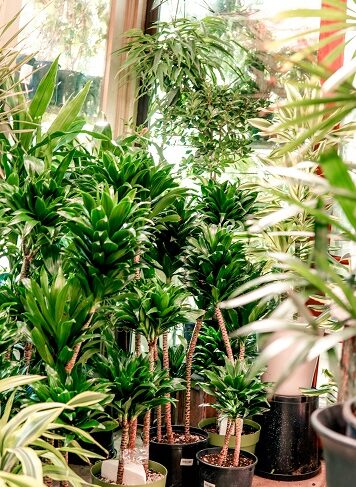
Introduction to Indoor Plants
The incorporation of indoor plants into home decor has gained significant popularity in recent years. As urban environments become increasingly common, many homeowners and renters alike are turning to greenery to enhance their living spaces. Indoor plants not only serve as a stunning aesthetic element but also offer a multitude of benefits that contribute to a healthier and more inviting home environment.
One of the primary advantages of having indoor plants is their ability to purify the air. Various studies have shown that plants can absorb toxins and pollutants, improving overall air quality. This is particularly important in modern homes where indoor air can often be more polluted than outdoor air due to various factors, such as the use of synthetic materials and household chemicals. By introducing specific indoor plants, individuals can create a more breathable atmosphere that promotes wellness.
Additionally, indoor plants play a vital role in humidity control. They naturally release moisture into the air through the process of transpiration, which can help mitigate issues associated with dry indoor air, particularly during the colder months. Higher humidity levels can lead to a more comfortable living environment while also reducing the likelihood of respiratory issues and dry skin.
Beyond their functional benefits, indoor plants significantly enhance the aesthetic appeal of any space. They add vibrant colors, textures, and life to rooms, transforming bare and uninspiring areas into lush, inviting retreats. Whether it is a small succulents array on a window sill or larger, statement-making foliage in the living room, the presence of indoor plants can elevate the overall atmosphere of the home.
As the trend of incorporating greenery into homes continues to rise, more people are discovering the myriad benefits of indoor plants. Their ability to purify air, control humidity, and elevate aesthetic value makes them a popular choice for enhancing living spaces.
Factors to Consider When Choosing Indoor Plants
When selecting indoor plants, there are several critical factors to consider that will ensure the health and longevity of the plants in your home environment. Firstly, light requirements are paramount. Different plants thrive under varying light conditions, ranging from low light to bright, indirect sunlight. It is crucial to assess the natural light available in your living space, as this will guide your choice of plants. For instance, if your home has limited sunlight, opting for shade-tolerant varieties like snake plants or pothos would be advisable.
Another important aspect is the availability of space. Understanding the dimensions of the area where you intend to place the plants will help prevent overcrowding while also enhancing aesthetic appeal. Tall plants can make a striking statement, while smaller ones are perfect for tabletops and shelves. Furthermore, some plants, like fiddle leaf figs, can grow quite large and may require more room than originally anticipated.
Maintenance level is another critical consideration. Some plants, such as succulents, require minimal care and watering, making them fantastic options for individuals with busy lifestyles or those lacking a green thumb. Conversely, delicate plants may need regular attention, including specific watering schedules and humidity levels. Therefore, evaluating your ability to provide the necessary care will assist in choosing plants that suit your lifestyle.
Lastly, the climate within your home should not be overlooked. Factors such as temperature, humidity, and the presence of drafts can significantly influence which plants will flourish indoors. For example, tropical plants generally prefer warmer, humid environments, while others may thrive in cooler conditions. By carefully considering light requirements, space availability, maintenance levels, and climate, anyone can successfully select indoor plants that will both beautify their home and thrive in their unique conditions.
Top Indoor Plants for Beginners
For individuals venturing into indoor gardening, selecting the right plants is crucial for fostering a successful and enjoyable experience. Several species stand out as ideal choices for beginners due to their resilience and adaptability to varying indoor conditions.
1. Snake Plant (Sansevieria): This hardy plant is known for its striking upright leaves and ability to thrive in low-light conditions. The Snake Plant requires minimal watering, making it perfect for those who may occasionally forget to tend to their plants. Ideally, the soil should dry out between waterings to prevent root rot.
2. Pothos (Epipremnum aureum): Renowned for its trailing vines and stunning heart-shaped leaves, the Pothos is another excellent option for beginners. It is incredibly forgiving and can grow in a variety of lighting conditions, from bright indirect sunlight to low light. Watering should be done when the top inch of soil feels dry, promoting optimal growth.
3. ZZ Plant (Zamioculcas zamiifolia): The ZZ Plant is celebrated for its shiny leaves and remarkable drought tolerance. It thrives in low-light environments, making it suitable for corners where sunlight is scarce. Occasional watering is sufficient, as this plant stores water in its thick stems.
4. Spider Plant (Chlorophytum comosum): This resilient plant features arching leaves and produces ‘pups’ or offshoots that can be propagated easily. Spider Plants prefer bright, indirect light but are adaptable to various conditions. Watering weekly should keep this plant healthy and thriving.
In addition to selecting beginner-friendly plants, providing the right environment is essential. Most of these species enjoy temperatures between 60°F and 75°F and benefit from occasional dusting of their leaves to enhance photosynthesis. By choosing any of these plants, novice indoor gardeners can embark on their green journey with ease and confidence.
Best Air-Purifying Indoor Plants
Indoor plants play a significant role in enhancing the air quality of your home by filtering harmful toxins and pollutants. Several plant species are renowned for their air-purifying capabilities, providing a natural approach to maintaining a healthier indoor environment. Among the top choices, the Spider Plant (Chlorophytum comosum) stands out. This resilient plant excels in removing formaldehyde and xylene, making it ideal for indoor spaces. Spider plants thrive in indirect sunlight and require minimal watering, making them a perfect choice for beginners.
The Peace Lily (Spathiphyllum) is another exceptional air-purifying indoor plant. It is effective at absorbing ammonia, benzene, and formaldehyde. Peace Lilies prefer shaded areas and require consistent moisture to flourish. It is worth noting that this plant is toxic to pets, so placement should be considered if you have animals at home.
The Snake Plant (Sansevieria trifasciata), or Mother-in-Law’s Tongue, is highly praised for its ability to endure neglect while filtering out toxins such as formaldehyde and nitrogen oxides. This plant can thrive in low light conditions and requires infrequent watering, making it highly adaptable for various spaces.
Another remarkable option is the Bamboo Palm (Chamaedorea seifrizii), which notably removes benzene, formaldehyde, and trichloroethylene from the air. It prefers bright, indirect light and can grow well in varying humidity levels, providing a tropical touch to your home.
Finally, the Rubber Plant (Ficus elastica) is also recommended for its air-purifying properties. Known for its ability to remove toxins, it does best in bright, filtered light and with moderate watering. When placed strategically throughout your home, these air-purifying plants can significantly improve indoor air quality while adding a touch of greenery to your living environment.
Low-Light Indoor Plants
Finding indoor plants that can thrive in low-light conditions can be a challenge, yet there are several species that excel in these environments. For homes with limited natural light, opting for the right plants can significantly enhance space without requiring direct sunlight.
One of the most popular low-light indoor plants is the Snake Plant (Sansevieria trifasciata). This hardy plant can survive in low light levels and infrequent watering, making it an ideal choice for beginners. Snake plants are characterized by their upright, sword-like leaves with striking green and yellow edges. They also improve indoor air quality by filtering toxins, adding to their appeal.
Another excellent option is the Pothos (Epipremnum aureum). Known for its trailing vines, this plant can thrive in a range of light conditions, including low-light areas. Pothos is resilient and requires minimal maintenance, needing just occasional watering. Its heart-shaped leaves come in various colors, including green, yellow, and white, making it versatile for different decor styles.
The ZZ Plant (Zamioculcas zamiifolia) is another robust choice for low-light spaces. With its glossy, dark green leaves, it can add a touch of elegance to any room. The ZZ plant is drought-tolerant, requiring infrequent watering, and can adapt to a variety of indoor conditions, growth in low-light areas being a significant advantage.
Finally, the Peace Lily (Spathiphyllum spp.) does well in low-light environments and blooms beautiful white flowers. While it prefers indirect sunlight, it can survive in darker spaces, adding both beauty and an air-purifying quality to your home.
Overall, the key to successfully maintaining low-light indoor plants lies in understanding their specific needs. Regularly check the soil moisture and avoid overwatering, which is a common mistake with these resilient varieties. With proper care, these plants can flourish and bring a refreshing touch of nature into dark spaces.
Pet-Friendly Indoor Plants
When selecting indoor plants for a household with pets, it’s crucial to choose non-toxic options to ensure the safety and well-being of your furry friends. Many common houseplants can pose significant health risks to dogs and cats if ingested. Thus, pet owners should prioritize plants known to be safe for such environments.
One popular choice among pet-friendly plants is the spider plant (Chlorophytum comosum). These resilient plants are not only easy to care for, but they also improve indoor air quality by filtering out pollutants. Spider plants thrive in indirect sunlight and require minimal watering, making them an excellent choice for busy pet families.
Similarly, the Boston fern (Nephrolepis exaltata) is an attractive, lush plant that poses no threat to pets. This plant prefers humid environments and should be kept in a well-lit area, away from direct sunlight. Regular misting can help maintain its humidity levels, supporting its growth and vibrancy.
The parlor palm (Chamaedorea elegans) is another excellent addition to pet-friendly homes. Known for its elegant, feathery fronds, this palm can tolerate low-light conditions, making it suitable for various indoor spaces. It requires watering when the topsoil dries out and is quite forgiving regarding care.
It is essential to research and ensure the plants chosen for your home are indeed pet-safe. Always be vigilant about your pet’s behavior around plants, as curiosity can sometimes lead to nibbling. Moreover, pets are often sensitive to changes in their environment, so introducing new plants slowly helps them adjust while ensuring their safety.
By selecting pet-friendly indoor plants like spider plants, Boston ferns, and parlor palms, pet owners can enjoy the beauty and air-purifying benefits of greenery while keeping their beloved animals safe.
Creative Ways to Display Indoor Plants
Bringing indoor plants into your home not only boosts aesthetics but also fosters a sense of tranquility. To maximize their effect, creative display methods are essential. One popular choice is utilizing decorative pots. These come in various materials—from ceramic to terracotta—and can add a unique touch to each plant. Opt for pots that complement your interior design style, whether it’s modern minimalist or rustic charm.
Another effective strategy involves placement. Varying the heights of plants can create a dynamic look. For example, a tall plant like a fiddle leaf fig can be juxtaposed with smaller succulents on a bookshelf. Window sills are excellent spots to showcase sun-loving plants, while corner spaces can be enhanced with floor-standing plants that fill empty areas and draw the eye upward.
Arranging plants in clusters is another way to enhance their visual appeal. Grouping plants of different shapes and sizes creates a more engaging environment. Consider using plant stands or tiered shelving to create an attractive display that takes advantage of vertical space. Vertical gardens are particularly effective for small spaces, allowing multiple plants to flourish while making a statement on walls. Hanging pots can also be used, drawing attention upwards and creating an illusion of more space.
Creating dedicated plant corners can be an excellent focal point in a room. A combination of various plants in these corners can evoke a tranquil oasis feel, providing both style and serenity. Utilize an assortment of planters and varying heights to add depth to the display. Selecting plants with different textures and colors promotes visual interest, making your indoor greenery a captivating element in your home.
Common Indoor Plant Care Mistakes
When it comes to caring for indoor plants, many enthusiasts unknowingly fall into common pitfalls that can jeopardize the health of their greenery. One prevalent mistake is overwatering, which often stems from the belief that plants require constant moisture. In truth, most indoor plants thrive when allowed to dry out slightly between watering sessions. This is especially true for species like succulents and cacti, which have adapted to survive in drier conditions. To avoid overwatering, it is vital to research the specific watering needs of each plant and adapt a consistent schedule that takes into account the humidity and temperature of your home.
Another frequent error is inadequate lighting. Not all indoor plants can flourish in low-light conditions; in fact, many species require direct sunlight to thrive. It’s crucial to assess the light availability in your living space and select plants that harmonize with those conditions. If natural light is insufficient, consider using grow lights to supplement the necessary brightness that can boost your plants’ growth and overall health.
Additionally, neglecting to consider a plant’s growth habit can lead to problems down the road. Many indoor plants continue to grow and may outgrow their containers, leading to root-bound situations that stifle their growth. Plan on repotting your plants every couple of years or when you notice signs of overcrowding. By providing adequate space for roots to spread, you ensure the longevity and vitality of your indoor plants.
By addressing these common indoor plant care mistakes, enthusiasts can cultivate vibrant, healthy greenery that adds a refreshing touch to their home environment, enhancing both aesthetics and air quality.
Conclusion: Embrace the Greenery
Indoor plants serve not only as decorative elements that enhance the aesthetic appeal of living spaces but also provide myriad benefits essential for a healthier home environment. They contribute to improved air quality by filtering toxins, increasing humidity, and producing oxygen, which can lead to significant physical and psychological benefits. By incorporating various types of indoor foliage, individuals can create a sense of tranquility and connection to nature, often leading to reduced stress and increased overall well-being.
Moreover, indoor plants can enhance mood and productivity levels, making them an excellent addition to workspaces. From lush ferns to vibrant succulents, the diversity in plant species allows individuals to select options that match their personal taste and living conditions. When choosing plants, factors such as light availability, maintenance requirements, and personal lifestyle should align to ensure the longevity and vitality of the greenery within the home.
It’s essential to remember the key tips shared throughout this post, which emphasize the importance of selecting the right plants and implementing proper care techniques. Regular watering, suitable placement, and occasional grooming can significantly improve the health of indoor plants. By prioritizing these practices, one can enjoy thriving greenery that not only beautifies the interior but also enriches the living experience.
In embracing greenery in your home, you invite life, color, and positivity into your surroundings. Allow indoor plants to become a vital part of your daily life, as they offer countless advantages that extend beyond mere decoration, transforming your living space into a vibrant oasis of health and calm.