
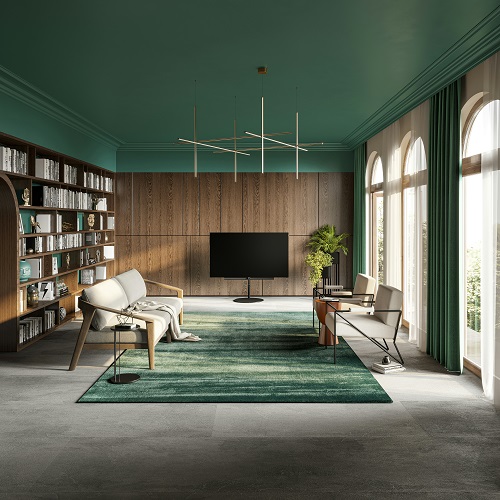
The family room design serves as a pivotal space within the home, acting as a central gathering point for family members and friends. Unlike other rooms in a house that may serve specific purposes, such as a kitchen or a bedroom, the family room is defined by its versatility and its capacity to foster interactions. This multifunctional area can be utilized for various activities, including watching television, playing games, or simply enjoying each other’s company. As a result, the design of a family room is critical to its overall functionality and appeal. Creating an inviting family room requires careful consideration of several factors, including layout, furniture selection, and decor. The comfort of family members and guests should be paramount. This can be achieved by opting for durable, comfortable seating arrangements, such as sofas and armchairs, that accommodate the needs of all ages. Additionally, a well-thought-out arrangement enhances accessibility and ensures smooth movement within the space, offering a welcoming atmosphere.
Moreover, a family room should also reflect the personality and interests of those who use it. Personal touches, such as photographs, artwork, or decorative elements that resonate with family members, can significantly enhance the warmth and character of the room. This not only contributes to a sense of belonging but also makes the space more enjoyable for leisure activities. In summary, the family room is more than just a physical space; it is a foundation for family bonding, and its design should prioritize functionality, comfort, and a welcoming ambiance for every family member to enjoy.
Assessing Your Space
Designing a functional family room begins with a thorough assessment of the available space. Understanding the dimensions and layout of your room is essential for making informed design decisions. Start by taking precise measurements of the room, including the length and width of the walls, as well as the height of the ceiling. Note the locations of doors, windows, and any built-in features such as shelves or fireplaces. These elements will greatly influence your design choices and the arrangement of furniture.
In addition to basic measurements, it is important to consider the architectural features of your family room. For instance, high ceilings can be utilized to create a sense of openness, while unique angles may present both challenges and opportunities for layout creativity. Architectural elements such as columns or beams should also be noted, as they can either enhance or restrict the flow of your design. Take a moment to observe any natural light entering the space, which can play a key role in determining the placement of seating and other furniture.
Understanding traffic patterns within the room is equally paramount. Analyze how family members and guests will move through the space. Aim to create clear pathways that allow for ease of movement while maintaining a welcoming atmosphere. Avoid placing large furniture pieces in areas where they may disrupt this flow. Instead, opt for arrangements that encourage conversation and interaction among family members, ensuring that the family room serves its primary function as a gathering space.
Determining Your Family’s Needs
When embarking on the journey of designing a functional family room, the first step is to clearly identify the specific needs of your family. This process involves evaluating how your family interacts within this communal space and what functionalities are paramount for daily activities. A well-designed family room should accommodate the diverse preferences and routines of all family members.
Begin by assessing the seating arrangements required for your family. Consider how many family members typically gather in the room at one time and whether additional seating might be necessary for guests. Comfortable seating options such as sofas, chairs, and perhaps even floor cushions can promote bonding and enjoyable interactions. Additionally, the layout should facilitate conversation and engagement rather than isolating individuals or creating barriers.
Another significant aspect to contemplate is entertainment options. In today’s digital age, many families enjoy watching movies, playing video games, or engaging in various hobbies together. Ensure that the room is equipped with necessary technological infrastructures, such as adequate space for a television or gaming setup, as well as appropriate wiring for sound systems. A dedicated media center might also enhance the functionality of the family room, providing an organized space for electronics and accessories.
Storage solutions also play a critical role in keeping the family room organized and functional. Consider incorporating furniture that doubles as storage, such as ottomans with hidden compartments or coffee tables with shelves. In addition, shelving units can provide a place for books, games, and decorations, contributing to the aesthetic appeal while minimizing clutter.
By thoroughly evaluating these elements, you can tailor your family room design to foster interaction, leisure, and organization, ultimately enhancing the overall family experience within the home.
Choosing the Right Furniture
When designing a functional family room, choosing the right furniture is crucial for achieving a balance of comfort, durability, and style. The family room often serves as the heart of the home, where family members gather for relaxation, entertainment, and social interaction. Therefore, selecting suitable furniture pieces is essential to create an inviting and practical environment.
Sofas and chairs are typically focal points in the family room. Consider selecting a sectional sofa, which maximizes seating and offers a cozy atmosphere. Fabrics that resist stains and wear, such as microfibers or performance fabrics, are ideal, particularly in homes with children or pets. Additionally, accent chairs can add diversity in seating options and design; choose options that harmonize with the sofa while enhancing overall aesthetic appeal.
Coffee tables play a functional role in the family room, serving as both a centerpiece and a practical surface for placing drinks and snacks. Opt for tables with rounded edges for safety, especially in households with young children. Consider materials such as wood or durable metals to ensure longevity and withstand everyday use. Storage options within the coffee table can also be advantageous, providing space for remotes, magazines, and other essentials.
Entertainment centers are another key consideration in family room furniture selection. These should accommodate a wide array of devices ranging from televisions to gaming consoles. Choose modular or adjustable units for versatility, allowing for future additions as families often evolve. Furthermore, ensure that the furniture layout promotes a good flow of movement within the room, facilitating easy access to seating and entertainment areas.
Ultimately, a careful selection of furniture that combines style and functionality will lead to the creation of a family room that is both practical and welcoming, ensuring comfort and usability for all family members.
Color Schemes and Decor
Selecting the right color scheme and decor for a family room is essential not only for aesthetic appeal but also for creating a space that fosters interaction, relaxation, and comfort. The psychology of color plays a significant role in shaping the atmosphere of the room and can influence the mood and behavior of family members.
When choosing a color palette, consider how the colors resonate with your family’s personality. Warm colors such as reds, oranges, and yellows evoke feelings of warmth and happiness, making them beneficial for spaces intended for socialization. Conversely, cool colors like blues and greens promote calmness and serenity, creating a more tranquil environment ideal for relaxation after a busy day.
It is advisable to stick to a coherent color scheme that combines neutrals with pops of color. For instance, a base of soft beige or gray can be accented with bright cushions, artwork, or decorative elements. This approach not only enhances the functional aspects of the room but also allows for flexibility in updating decor over time without the need for a complete overhaul.
In addition to color selection, the choice of decor significantly impacts both style and utility. Incorporating multi-functional furniture such as ottomans with storage or modular shelves can optimize space usage. Furthermore, integrating personal elements such as family photos or handmade crafts facilitates a warm, welcoming atmosphere that reflects the family’s identity.
Ultimately, successful design in a family room hinges on balancing aesthetics with functionality. A well-thought-out color scheme and carefully chosen decor will not only reflect your family’s unique personality but also cater to a welcoming and practical environment that enhances everyday living.
Lighting Solutions for Every Activity
Proper lighting is an essential component in designing a functional family room. The right lighting can enhance the ambiance, increase the room’s versatility, and cater to various activities that a family may engage in, such as reading, playing games, or watching movies. To achieve optimal lighting in a family room, it is important to consider three primary types of lighting: ambient, task, and accent.
Ambient lighting serves as the foundational light source in any room. It provides general illumination, allowing for a comfortable atmosphere throughout the space. Common ambient lighting options include ceiling-mounted fixtures, chandeliers, or even natural daylight from windows. When selecting ambient lighting, consider dimmable options that allow you to adjust the intensity based on the time of day or the activity taking place.
Task lighting, on the other hand, is specifically designed to illuminate areas where activities that require focused light occur. In a family room, task lighting may include floor lamps, table lamps, or wall sconces positioned in reading nooks, crafting corners, or gaming setups. This type of lighting allows family members to engage in their favorite pastimes without straining their eyes.
Accent lighting plays a vital role in highlighting specific features within the family room, such as artwork, shelves, or architectural details. This can be achieved through the use of track lighting, recessed lights, or decorative lamps. By strategically placing accent lights, you can draw attention to the elements of the room that make it unique while adding warmth and depth to the overall design.
Layering these three types of lighting—ambient, task, and accent—creates a balanced and adaptable environment within the family room. By thoughtfully combining these lighting solutions, families can enjoy a functional and inviting space that accommodates various activities and enhances overall comfort.
Incorporating Technology and Entertainment
In today’s modern family room, technology plays a vital role in enhancing both entertainment and overall functionality. It is essential to incorporate various devices seamlessly, ensuring they complement the room’s design rather than detract from it. This balance can be achieved through thoughtful placement and the selection of aesthetically pleasing technologies.
Starting with the television, you might consider a wall-mounted flat-screen option, which minimizes floor space while offering an optimal viewing experience. For added versatility, installing a swivel mount allows for flexibility in angle adjustments, accommodating different seating arrangements within the room. Behind the television, concealed cable management systems can help maintain a clean look, preventing unsightly wires from disrupting the visual harmony of your family room.
Sound quality is equally important in creating an immersive entertainment experience, making a quality sound system indispensable. Instead of bulky stereos and speakers that clash with your interior decor, opt for sleek, wireless speaker systems that can blend in or even be integrated into the room’s design. Smart speakers, which can facilitate both audio playback and home automation, are particularly beneficial, allowing for voice control and greater convenience.
When it comes to gaming consoles, consider integrating them into furniture solutions such as media cabinets or built-in shelves. This approach not only provides easy access but also maintains the visual integrity of the room. Further, designing a dedicated gaming zone with comfortable seating and appropriate lighting can enhance the gaming experience while keeping the family room functional.
Ultimately, the aim is to foster an inviting and efficient space for family entertainment without compromising on style. By carefully selecting and positioning technology, a functional family room can be achieved, one that invites social interaction while catering to the diverse interests of its occupants.
Storage Solutions to Keep Organized
Creating an organized family room is essential for maintaining a functional and inviting space. Effective storage solutions play a critical role in achieving this goal. One way to incorporate storage into the family room is through the use of furniture that includes built-in storage. For example, ottomans with hidden compartments provide an excellent means to stow away blankets, toys, or magazines while doubling as seating. Similarly, coffee tables with drawers or shelving can keep commonly used items within arm’s reach while minimizing clutter.
Shelving is another crucial aspect of storage in a family room. Wall-mounted shelves not only save floor space but also provide an opportunity for creative display. Consider adding decorative baskets or bins on these shelves to contain smaller items, such as remote controls or board games. This method allows for easy access while keeping everything visually appealing. Incorporating vertical storage solutions not only utilizes the height of the room but also adds character and depth to the decor.
Another clever organization tip involves zoning the family room. By defining different areas for various activities—such as a reading nook with a stylish bookshelf or a play area with designated bins—you can encourage the natural organization of items within specific zones. Labeling these storage areas can further enhance the system, providing clear guidance for family members on where to return items after use. Ultimately, thoughtful storage solutions integrated into the furniture and layout of a family room can significantly improve its functionality and aesthetic appeal.
Final Touches and Personalization
Designing a functional family room goes beyond selecting furniture and arranging space effectively; it is essential to infuse it with personal touches that make it distinctive and representative of your family’s identity. Personalization plays a crucial role in transforming a generic living space into a warm and inviting atmosphere that resonates with loved ones.
One of the most impactful ways to add character to your family room is through the incorporation of family photographs. Displaying a curated selection of memories in attractive frames can create a sense of history and connection. Consider creating a gallery wall that showcases snapshots of memorable family events, travels, and milestones. This not only serves as conversation starters but also fosters an environment filled with warmth.
In addition to photographs, artwork can play a significant role in personalizing your family space. Whether it’s original pieces from local artists, children’s creations, or prints that reflect your family’s interests, introducing art can inject color, emotion, and style into the room. When selecting art, aim for pieces that resonate with your family’s shared values or interests. This attention to detail can enhance the cohesiveness of your family room.
Furthermore, meaningful decor items that reflect your family’s values should not be overlooked. These can range from heirlooms passed down through generations to decor pieces collected during travels. Each item can tell a story and contribute to the overall narrative of your family life. Arranging these items thoughtfully on shelves or as focal points on tables can enhance both aesthetics and sentiment.
Ultimately, the final touches in your family room should encapsulate the essence of your family, turning the space into a sanctuary of shared experiences and cherished memories.