
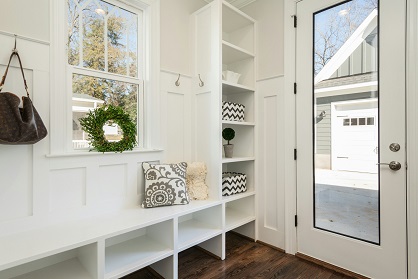
Understanding the Purpose of a Mudroom
A mudroom benefits acts as a transitional area between the external environment and the main living spaces of a home. This unique room is essential for managing the flow of occupants and their belongings, particularly in busy households where outdoor activities are frequent. By designing a functional mudroom, homeowners can effectively minimize the chaos that outdoor mud, dirt, and moisture can introduce into their living spaces. One of the primary purposes of a mudroom is to serve as a barrier against outdoor elements. Shoes, jackets, and outdoor gear often carry dirt and moisture, which can quickly permeate into clean areas of the home. A well-planned mudroom is equipped with suitable storage solutions such as built-in benches, racks, and bins that allow families to organize their belongings conveniently and maintain cleanliness. This arrangement not only contains clutter but plays a crucial role in ensuring that the home remains tidy.
Moreover, mudrooms function as practical spaces for storing items related to outdoor activities, such as sports equipment, gardening tools, or pet supplies. This dedicated storage area streamlines the organization of various items, allowing for easy access and reducing the likelihood of clutter within the main areas of the home. Additionally, incorporating elements like hooks, shelves, and cabinets can optimize the storage capacity and enhance the room’s functionality.
Overall, the role of the mudroom is integral to a home’s design, providing an efficient and organized entry point. By thoughtfully considering the purpose of this space, homeowners can enhance their daily routines and contribute to an orderly living environment. Thus, understanding the components and key functions of a mudroom is essential for anyone looking to create a balanced and functional household.
Choosing the Right Location
Selecting the optimal location for a mudroom is critical to its functionality and efficiency. The first consideration is accessibility from the outside. Ideally, the mudroom should be situated near an entry point, such as a side door or garage, where family members frequently enter the home. This location allows for a smooth transition from outside to inside, ensuring that dirt and debris are contained in one area, thereby preventing them from spreading throughout the living spaces.
Proximity to the main living areas is another essential factor in determining the mudroom’s location. By placing the mudroom near the kitchen or family room, it becomes easier for occupants to access storage for everyday items, such as jackets, shoes, and sports equipment. A strategically located mudroom can also enhance the flow of activity within the home, fostering convenience and an organized entry process. Consideration should also be given to how the mudroom integrates with the overall layout of the house.
Natural light and ventilation further contribute to the mudroom’s functionality. A space that benefits from adequate natural light not only feels more inviting but also offers practical advantages. Sufficient light can help showcase the organization within the mudroom, ensuring that items are easily visible when needed. Additionally, proper ventilation is essential in a room that deals with wet or muddy gear. Opening windows or installing an exhaust fan can help reduce moisture buildup, which in turn helps prevent musty odors and prolongs the lifespan of the materials used in the room.
In conclusion, careful consideration of the mudroom’s location is vital for optimizing its performance. By focusing on accessibility, proximity to living areas, and light and ventilation, homeowners can significantly enhance the practicality and appeal of this essential space.
Key Design Elements to Consider
Designing a functional mudroom involves careful consideration of various elements that contribute to its practicality and aesthetic appeal. One of the primary aspects to address is the flooring material. The mudroom must endure significant wear from dirt, moisture, and foot traffic, which makes choosing the right flooring vital. Materials such as porcelain tile, luxury vinyl, or stained concrete are ideal due to their durability and water resistance. These options can effectively withstand the elements while being easy to clean, ensuring that the mudroom remains in good condition.
Storage solutions are equally essential in a well-designed mudroom. Built-in storage, such as cubbies, hooks, and cabinets, not only helps in organizing shoes, coats, and other outdoor gear but also minimizes clutter. A designated space for each family member, along with oversized baskets or bins for miscellaneous items, can enhance usability. Custom shelving units can be advantageous in maximizing vertical space, allowing for efficient storage that accommodates various items including umbrellas, sports equipment, and seasonal gear.
Incorporating seating into the mudroom design provides convenience, creating an area where individuals can sit to remove shoes or boots. A built-in bench is often an excellent choice, allowing for additional storage underneath. Cushions can be added for comfort, contributing to the overall inviting atmosphere of the space. A well-chosen color scheme and decorative elements can further enhance the mudroom’s visual appeal, making it a warm welcome point as you enter your home. By focusing on these key design elements, homeowners can create a mudroom that is not only functional but also aesthetic and inviting.
Storage Solutions for Every Need
Designing a functional mudroom involves careful consideration of storage solutions that address various needs of the household. The primary goal of a mudroom is to provide an organized space where belongings can be easily accessed and stored, preventing clutter from migrating into the rest of the home. When selecting storage options, it is essential to customize them based on factors such as family size, activity levels, and specific requirements, ensuring that they serve their intended purpose effectively.
Lockers are an excellent option for families with multiple members, as they provide defined spaces for individual belongings. Each member can have their own locker to store coats, shoes, and bags, maintaining a clear separation of items. This feature not only promotes organization but also helps teach children responsibility for their belongings. If space is limited, consider using a single unit of stackable lockers that can fit into a smaller footprint while providing multiple storage areas.
Cubbies are another versatile choice, especially for families engaged in various activities. They can accommodate shoes, sports equipment, and other gear in a easily accessible manner. Cubbies can often be customized further with baskets or bins, allowing for more specialized storage options. Incorporating a mix of open and closed storage ensures flexibility, accommodating both everyday essentials and seasonal items.
Hooks and pegs are indispensable for keeping outerwear readily available while maximizing vertical space. Installing a wall-mounted system can create a clean look, making it easier to grab items on the go. Complementing hooks with floating shelves can provide additional locations for smaller items like hats or gloves. Together, these elements form a cohesive storage solution that can evolve with the family’s changing needs.
Integrating Functional Features
The design of a mudroom is not merely about aesthetics; it is equally vital to focus on its functionality. Effective integration of essential features can transform this space into a highly efficient area that accommodates the needs of a busy household. One of the most critical elements to consider is the addition of a bench or seating area. This feature provides a convenient space for family members to sit and put on or take off shoes, significantly reducing the mess associated with footwear. A bench can also serve as a repository for bags or other personal items, promoting organization in what can otherwise be a chaotic space.
In conjunction with the seating area, the installation of hooks and pegboards can greatly enhance accessibility. Hooks can be strategically placed at varying heights to cater to everyone in the family, allowing for quick and easy access to jackets, bags, and hats. Furthermore, a pegboard provides a flexible solution for storing a variety of items such as umbrellas and dog leashes, thereby keeping them within reach while promoting a clutter-free environment.
Another feature to consider when designing a functional mudroom is the integration of a small sink or drying area. This is particularly beneficial for homes with pets, as it offers a dedicated space for washing muddy paws or bathing small animals. Additionally, having a washing station for hands is advantageous after outdoor activities, keeping the main living area clean and hygienic. These thoughtful features not only streamline daily routines but also contribute to a more enjoyable and organized transition between the outdoors and indoor living spaces.
Designing for Aesthetics
When it comes to designing a functional mudroom, achieving a balance between aesthetics and practicality is paramount. A mudroom often serves as the first point of entry into the home, setting the tone for the rest of the living space. Thus, selecting a color scheme that reflects personal style while also being conducive to maintaining cleanliness is essential. For instance, opting for muted tones such as soft greys or earth tones can create a serene environment, while deeper shades like navy or forest green can add a touch of drama and warmth.
Additionally, the incorporation of lighting options can significantly enhance the overall ambiance. Natural light is ideal, so consider strategically placed windows or glass doors that allow sunlight to flood the room. If this is not feasible, choose bright, energy-efficient light fixtures that illuminate the space effectively. Pendant lights or wall sconces can add character and draw attention to specific features, such as decorative hooks or shelving units. Furthermore, dimmer switches can enable flexibility in mood-setting, catering to different needs throughout the day.
When it comes to décor elements, it is essential to select items that reflect personal taste while serving a function. Decorative baskets, for instance, can offer convenience for storing shoes, and textured textiles such as rugs or cushions can introduce a layer of aesthetic appeal. Consider seasonal décor to keep the space feeling fresh and engaging. Plants, for example, can bring life and vibrancy to the mudroom, and artwork or mirrors can enhance visual interest and create the illusion of a larger space. Ultimately, thoughtful choices in color, lighting, and décor can create a mudroom that is both practical and visually appealing, encouraging homeowners to enjoy this often-overlooked area of their homes.
Maintaining a Clean Mudroom
Maintaining a clean and organized mudroom is essential for creating a welcoming entryway and prolonging the lifespan of your flooring and furnishings. Regular upkeep can be easily achieved through a set routine while selecting the appropriate cleaning supplies when dealing with various surfaces will make the task more manageable. One of the first steps in keeping a mudroom tidy is to establish a regular cleaning schedule that includes daily, weekly, and monthly tasks.
Daily maintenance should encompass simple actions like sweeping or vacuuming the floor to remove dirt and debris brought in from the outdoors. For surfaces like counters and storage spaces, a damp cloth can be used to eliminate dust and stains. Implementing a designated spot for shoes, bags, and outdoor gear plays a vital role in reducing clutter. Shoe racks and hooks encourage family members to store their items properly, minimizing the spread of dirt in the mudroom.
Weekly cleaning tasks may include mopping the floor and disinfecting high-touch surfaces to maintain hygiene. Consider using eco-friendly cleaning solutions that are effective yet safe for both your family and the environment. Specific products should be used for various materials; for instance, wood surfaces can often benefit from a gentle cleaner, while tile may require something more abrasive.
Moreover, decluttering should become a regular practice to ensure your mudroom remains functional and organized. Set aside time monthly to assess the items stored in this space; remove any items that are no longer needed and donate or discard them as appropriate. By designating locations for shoes, bags, and outdoor equipment, you can create a system that keeps everything easily accessible, further promoting a clean and organized mudroom.
Accessorizing Your Mudroom
When designing a functional mudroom, accessorizing is essential to both enhance utility and improve aesthetics. Well-chosen accessories can provide solutions to common challenges faced in this transitional space.
One of the most effective ways to maximize storage in your mudroom is through the use of decorative baskets. These baskets can be placed on shelves or under benches, allowing you to hide clutter and keep items organized. Baskets can serve various purposes, from holding shoes and gloves to providing a place for sports equipment. Choosing coordinating colors and textures can also enhance the visual appeal of the space, adding a touch of personal style.
Another vital accessory to consider is a durable area rug. Rugs not only add warmth and comfort to a mudroom but also serve practical functions. They can help trap dirt and moisture from shoes, preventing debris from entering the main living area of your home. Selecting a rug that complements the design of your mudroom while being easy to clean ensures both style and practicality are achieved.
Hooks and racks are indispensable accessories for hanging hats, coats, bags, and other essentials. This prevents clutter and makes it easy to grab items as you come and go. Wall-mounted hooks can save space and are available in various styles, making it easy to blend them into your decor. Opting for racks that allow for multiple items to be hung can also be advantageous, especially in a busy household.
Ultimately, thoughtfully chosen accessories can significantly enhance the functionality of your mudroom, ensuring that it meets the demands of everyday life while providing a welcoming entrance to your home.
Final Thoughts and Inspiration
Designing a functional mudroom can significantly enhance the overall organization and efficiency of your home. Throughout this blog post, we have explored essential tips that focus on maximizing space, ensuring practicality, and incorporating personal touches. The selection of materials, layout, and storage solutions all play a crucial role in creating an inviting and effective mudroom that meets your family’s needs.
As we reflect on the ideas presented, it is vital to recognize that a mudroom should not merely serve as a transitional space but also as a reflection of individual style. From choosing color schemes that resonate with your aesthetic to selecting furniture and decor that complement the existing design, personalization is key. Incorporating elements like hooks, benches, and dedicated storage can help tailor your mudroom to suit specific lifestyles, whether you have children in sports or pets that require designated areas for their belongings.
Inspiration can be drawn from various mudroom designs, each offering unique solutions for functionality and appeal. Consider browsing design magazines, websites, or even social media platforms dedicated to home decor to discover innovative ideas that align with your vision. Take note of how others have creatively utilized their space and let these concepts fuel your imagination.
Ultimately, merging functionality with personal expression can lead to a mudroom that not only facilitates organization but also engenders a sense of welcome and belonging. As you embark on your mudroom design journey, remember that the aim is to create a space that works seamlessly for you and your family’s daily activities while reflecting your unique tastes. With thoughtful planning and inspiration in mind, a beautiful and highly functional mudroom is well within reach.