
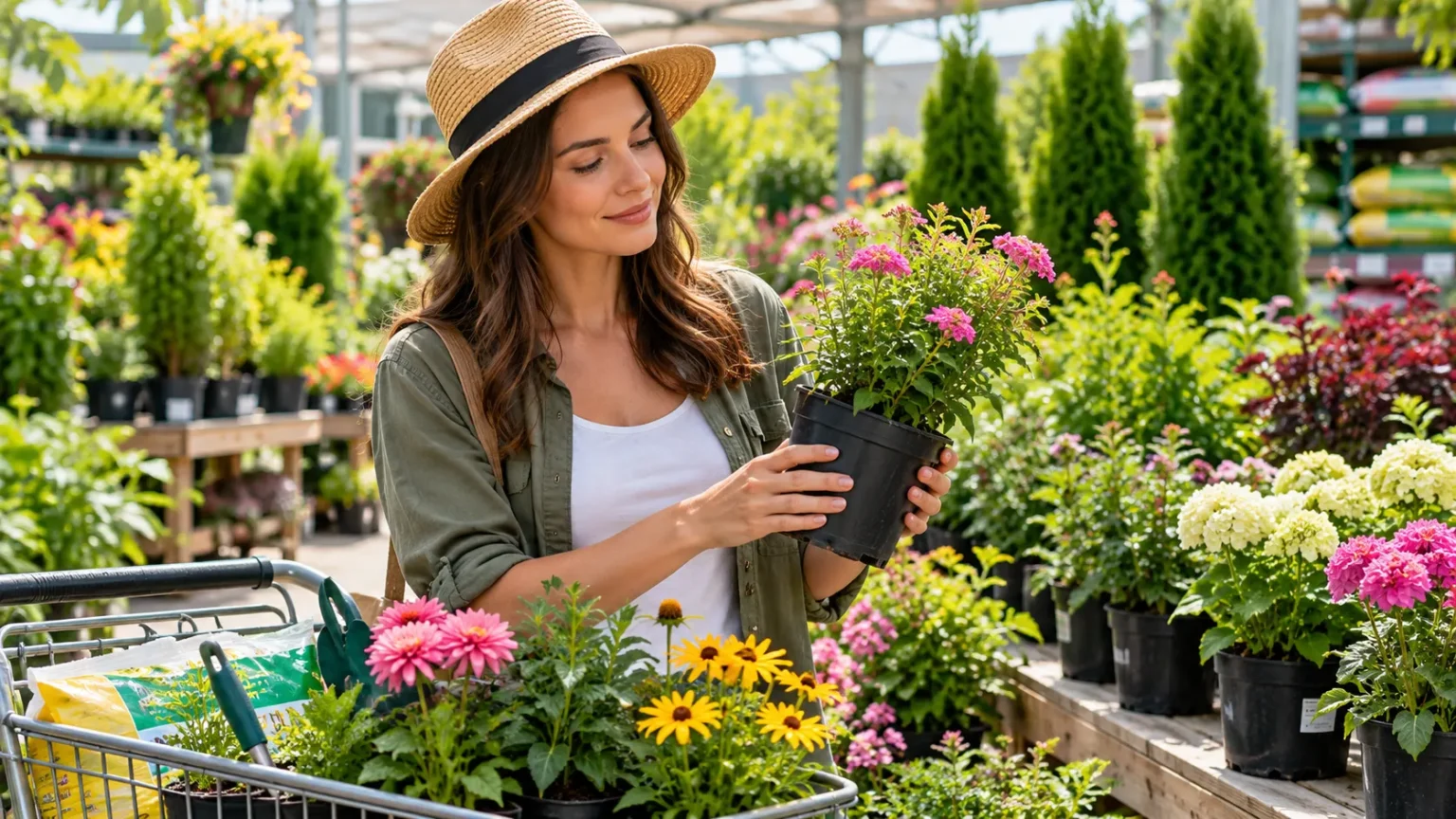
Gardening is a rewarding activity that brings natural beauty, fresh air, and greenery into your home. Whether you want to grow colorful flowers, fresh vegetables, or attractive indoor plants, understanding basic gardening principles can help you achieve better results. However, buying plants and supplies without proper planning can lead to unnecessary expenses, unhealthy plants, and disappointing results.
Following practical gardening tips before purchasing plants, seeds, tools, and soil can make the entire process easier and more enjoyable. Choosing the right plants for your climate, understanding sunlight requirements, and preparing suitable soil are essential steps for beginners. This guide explains what to know before you buy gardening supplies and how to create a healthy, beautiful, and manageable garden.
Why Planning Is Important Before Starting a Garden
Starting a garden without planning can create challenges that become difficult to solve later. Every plant has specific requirements for sunlight, water, temperature, and soil conditions. Choosing plants based only on appearance may result in poor growth or unnecessary maintenance. A simple gardening plan helps you select suitable plants and organize your available space efficiently.
Consider the purpose of your garden before purchasing anything. Some homeowners want beautiful flowers that improve outdoor appearance, while others prefer vegetables, herbs, or low-maintenance greenery. Your goals influence which plants, containers, and gardening tools you should buy. Understanding your priorities makes it easier to create a garden that suits your lifestyle.
Budgeting is another important part of garden planning, especially for beginners. Plants, fertilizers, soil amendments, pots, and irrigation equipment can become expensive when purchased without a clear purpose. Begin with a manageable selection of plants and gradually expand as your experience increases. This approach helps reduce waste while allowing you to develop useful gardening skills.
Understanding Your Climate and Growing Zone
Your local climate plays a major role in determining which plants will grow successfully. Temperature patterns, seasonal rainfall, humidity, and frost dates influence plant development throughout the year. Some plants tolerate freezing winters, while others require consistently warm conditions. Understanding these differences prevents you from purchasing varieties that cannot survive your environment.
Gardeners in the United States can use USDA plant hardiness zones to understand average annual extreme minimum temperatures. However, hardiness zones do not describe every growing condition, including summer heat or rainfall. Gardeners in other regions should examine local weather patterns and seasonal growing calendars. Climate suitability involves more than winter temperatures alone.
Before visiting a garden center, research plants that perform well in your area. Local nurseries often stock varieties suited to nearby environmental conditions, although individual plants still require careful evaluation. Consider seasonal changes and potential weather extremes when planning your garden. Choosing climate-appropriate plants increases the likelihood of healthy growth and reduces maintenance difficulties.
How to Choose the Right Plants for Your Garden
Selecting suitable plants is one of the most valuable gardening tips for beginners. Start by considering available space, sunlight exposure, soil conditions, and the amount of maintenance you can provide. Different plants have different growth habits and environmental needs. A plant that thrives in one garden may struggle in another location.
Read plant labels carefully before making a purchase. These labels often provide information about mature height, spacing, watering requirements, and preferred growing conditions. Understanding a plant’s mature dimensions prevents overcrowding and competition for resources. It also helps you avoid placing large shrubs or trees too close to buildings and walkways.
Beginners may benefit from starting with hardy, relatively low-maintenance plants suited to their climate. Herbs, seasonal flowers, and certain vegetables can provide rewarding results when their basic needs are met. Avoid purchasing too many different varieties immediately. Starting small allows you to learn watering, pruning, and soil care without becoming overwhelmed.
What to Look for When Buying Healthy Plants
Healthy plants are more likely to establish successfully after being moved into a garden or larger container. When shopping at a nursery, examine the foliage, stems, and overall growth pattern. Look for plants with firm stems and leaves appropriate for the variety. Avoid specimens showing extensive wilting, unexplained discoloration, or visible damage.
Inspect both sides of the leaves for signs of pests or disease. Sticky residue, webbing, unusual spots, and visible insects can indicate potential problems. Check the soil surface for excessive mold, standing water, or unpleasant odors. Choosing healthy nursery plants helps reduce the risk of introducing pests or infections into your garden.
Container-grown plants should have a healthy root system without severe overcrowding. Roots tightly circling the pot may indicate that the plant has outgrown its container. Some root development near drainage holes is normal, but extensive circling can create establishment problems. Whenever possible, ask nursery staff about the plant’s condition and previous care.
Choosing Between Seeds and Established Plants
Gardeners often wonder whether buying seeds or established plants is the better option. Seeds usually cost less per plant and provide access to a wider variety of flowers, vegetables, and herbs. However, growing plants from seeds requires patience, appropriate temperatures, and careful moisture management. Some species also need specific conditions before germination begins.
Established nursery plants offer a convenient option for gardeners who want faster visible results. These plants have already developed roots and foliage, reducing the time required to establish a garden display. However, they generally cost more than seeds and can experience transplant stress. Proper handling and suitable planting conditions remain essential for success.
The best choice depends on your budget, growing season, and gardening experience. Fast-growing crops such as beans and radishes often perform well when sown directly into suitable soil. Other plants may benefit from being started indoors or purchased as transplants. Combining seeds with established plants can provide flexibility and variety.
Understanding Soil Types Before Buying Gardening Supplies
Soil quality directly affects plant growth because roots depend on it for water, air, and nutrients. Garden soil varies in texture, structure, fertility, and drainage capacity. Sandy soil drains quickly, while clay-rich soil generally retains more water. Loamy soil offers a useful balance of drainage, moisture retention, and nutrient availability for many plants.
Before buying soil amendments, examine the existing growing area. A basic soil test can help identify pH levels and important nutrient conditions. This information reduces unnecessary fertilizer purchases and helps you address specific deficiencies. Adding random products without understanding soil conditions can sometimes create more problems than improvements.
For container gardening, use a potting mix designed for the plants you intend to grow. Ordinary garden soil may become compacted inside pots and restrict drainage. Specialized mixes are available for cacti, succulents, orchids, and other plants with particular requirements. Choosing an appropriate growing medium supports healthier roots and more consistent development.
How Much Sunlight Does Your Garden Need?
Sunlight is essential for photosynthesis, the process plants use to produce energy for growth. However, different plants require different amounts of direct sunlight. Some flowers and vegetables perform best in full sun, while certain foliage plants prefer partial or full shade. Understanding these requirements helps prevent weak growth and damaged leaves.
Full-sun plants generally need at least six hours of direct sunlight each day. Partial-shade plants may prefer approximately three to six hours, depending on the species and local climate. Shade-tolerant plants can grow with less direct sunlight but still need suitable light conditions. Always check the requirements of individual varieties before purchasing them.
Observe your garden at different times of the day to understand changing sunlight patterns. Nearby buildings, trees, and fences may create shaded areas that affect planting decisions. Seasonal changes can also alter the amount of available light. Matching plants to their preferred light conditions improves their appearance, growth, and flowering potential.
Essential Gardening Tools Worth Buying
Having a few reliable gardening tools makes planting and maintenance more efficient. Beginners typically benefit from a hand trowel, pruning shears, gardening gloves, watering can, and small garden fork. These basic supplies handle many everyday tasks without requiring a large investment. Choose tools that feel comfortable and are suitable for your garden’s size.
Tool quality matters because poorly constructed equipment may bend, break, or become uncomfortable during regular use. Look for sturdy materials, secure handles, and designs that are easy to clean. Pruning tools should cut smoothly without crushing plant stems. Buying a smaller collection of dependable tools is often more practical than purchasing unnecessary accessories.
Consider storage and maintenance requirements before buying additional equipment. Cleaning tools after use helps prevent the spread of plant diseases and reduces deterioration. Store sharp equipment securely and keep it away from children. As your garden expands, you can gradually purchase specialized tools based on actual needs rather than advertisements.
Choosing the Right Pots and Containers for Gardening
Container gardening is an excellent option for balconies, patios, small yards, and indoor spaces. Pots allow gardeners to control growing conditions and move plants when necessary. However, container size, material, and drainage significantly affect plant health. Selecting suitable containers before planting helps prevent avoidable problems with roots and watering.
Choose pots with drainage holes that allow excess water to escape. Containers without proper drainage increase the risk of waterlogged soil and root problems. Terracotta pots are porous and may dry relatively quickly, while plastic containers often retain moisture longer. The best material depends on the plant’s needs and surrounding conditions.
Container dimensions should accommodate the root system and allow reasonable space for future growth. Oversized pots can sometimes retain excessive moisture when filled with unsuitable growing media. Small containers may dry quickly and restrict developing roots. Select a practical size based on the plant’s current condition and expected growth pattern.
Watering Tips Every Beginner Gardener Should Know
Proper watering is essential for maintaining healthy flowers, vegetables, shrubs, and indoor plants. Both excessive and insufficient watering can cause yellowing leaves, wilting, and poor growth. Different plants require different moisture levels depending on their species and growing conditions. Learning to evaluate soil moisture is more useful than following a rigid watering schedule.
Check the soil before watering by examining moisture below the surface. Water thoroughly when appropriate so moisture reaches the active root zone. Allow excess water to drain from containers rather than leaving roots continuously submerged. These habits encourage healthy root development and reduce common problems associated with inconsistent watering.
Morning watering is often beneficial because plants can absorb moisture before temperatures rise significantly. Applying water near the soil rather than repeatedly soaking foliage may also help reduce certain disease problems. Mulch can slow evaporation in outdoor planting areas. Adjust watering according to rainfall, temperature, soil texture, and plant growth.
Fertilizers and Plant Food: What Should You Buy?
Fertilizers supply nutrients that plants need for healthy growth, including nitrogen, phosphorus, and potassium. However, not every garden requires additional fertilizer. Soil fertility varies, and some plants perform well without frequent feeding. Understanding nutrient requirements prevents unnecessary purchases and reduces the risk of excessive fertilizer application.
Before buying fertilizer, consider testing your garden soil to identify possible nutrient deficiencies. Product labels usually display three numbers representing the proportions of nitrogen, phosphorus, and potassium. Different formulations are designed for different growing situations. Choose a fertilizer appropriate for the plant and follow the manufacturer’s application instructions carefully.
Organic materials such as finished compost can improve soil structure and contribute nutrients over time. However, compost and commercial fertilizers are not interchangeable in every situation. Excessive applications of either can cause imbalances or environmental problems. Balanced soil management generally produces better long-term results than applying large amounts of plant food.
How to Choose Plants That Require Less Maintenance
Low-maintenance gardening is especially attractive for beginners and homeowners with busy schedules. Selecting plants adapted to your local climate can reduce watering, pruning, and pest management requirements. Established native plants are often useful choices when matched to suitable soil and sunlight conditions. However, native species are not automatically maintenance-free in every landscape.
Consider mature plant size before purchasing shrubs, trees, or perennial flowers. Plants that naturally fit their available space generally need less frequent pruning. Avoid varieties that spread aggressively or require constant shaping to remain manageable. Matching growth habits to your landscape helps reduce long-term maintenance costs.
Ground covers, hardy perennials, and suitable drought-tolerant plants can simplify certain garden areas. However, newly planted specimens still require attention until their roots become established. Mulching, appropriate spacing, and consistent early care improve their long-term performance. Planning for low maintenance from the beginning is easier than correcting unsuitable planting choices later.
Common Gardening Mistakes to Avoid Before Buying
One common mistake is purchasing plants without checking their mature size. Small nursery plants can eventually become large shrubs, spreading vines, or trees that overwhelm limited spaces. Crowded planting arrangements increase competition for water, nutrients, and sunlight. Reading growth information before purchasing helps prevent expensive relocation or removal later.
Another mistake involves buying plants that are unsuitable for the local climate or seasonal conditions. Attractive tropical plants may struggle outdoors where winter temperatures become too cold. Similarly, cool-season vegetables may perform poorly during intense summer heat. Researching growing requirements helps ensure that your purchases match realistic environmental conditions.
Buying excessive equipment and unnecessary fertilizers is another frequent beginner mistake. A successful garden does not require every product available at a gardening store. Start with essential tools, suitable soil, and a manageable selection of plants. Expand your supplies gradually as you gain practical experience and understand your garden’s needs.
How to Plan a Garden on a Small Budget
Creating a beautiful garden does not necessarily require spending large amounts of money. Begin by evaluating the space and identifying plants that suit existing conditions. Preparing the area carefully reduces the need for later corrections. A thoughtful layout can make even a small collection of plants appear attractive and well organized.
Growing suitable plants from seeds is one practical way to reduce initial expenses. Seed packets often provide several plants for less than the price of individual nursery specimens. Dividing established perennials can also help expand a garden when the species tolerates division. Always follow appropriate propagation practices to protect the original plants.
Reusing suitable containers and maintaining existing tools can further reduce gardening costs. However, previously used pots should be cleaned before planting to limit potential pest or disease transfer. Focus spending on healthy plants, appropriate growing media, and essential equipment. Prioritizing these fundamentals delivers better value than unnecessary decorative purchases.
Seasonal Gardening Tips for Better Plant Growth
Gardening activities change throughout the year because plants respond to seasonal weather patterns. Spring is commonly associated with planting, soil preparation, and new growth in temperate climates. Summer often requires closer attention to watering and heat stress. Understanding seasonal differences helps gardeners plan purchases and maintenance more effectively.
Autumn can be an excellent planting season for many trees, shrubs, and perennials in regions with suitable climates. Cooler temperatures may reduce transplant stress while allowing roots to establish. However, planting recommendations vary depending on frost risk and local conditions. Always consider the needs of each plant rather than relying on a universal calendar.
Winter gardening often focuses on protecting sensitive plants and preparing for the next growing season. Some climates support year-round vegetable production, while colder areas require indoor growing or protective structures. Reviewing previous gardening results helps identify successful plant choices. Seasonal planning encourages healthier gardens and more efficient use of resources.
How to Protect Your Garden From Pests and Diseases
Garden pests and diseases can affect flowers, vegetables, shrubs, and ornamental plants. Common warning signs include damaged leaves, unusual spotting, distorted growth, and visible insects. However, not every insect found in a garden is harmful. Learning to identify problems accurately helps prevent unnecessary treatments that could affect beneficial organisms.
Begin with preventive measures such as proper plant spacing, healthy soil, and appropriate watering. Remove severely damaged or diseased plant material when recommended for the specific problem. Regular inspections help identify early changes before damage becomes extensive. Good garden hygiene can reduce several common pest and disease issues.
When treatment becomes necessary, identify the pest or disease before choosing a product. Physical removal and other targeted management methods may be appropriate for minor problems. Use pesticides only when suitable and follow all label instructions and local requirements. Protecting beneficial insects and avoiding unnecessary chemical applications supports a healthier garden environment.
Tips for Creating a Beautiful and Organized Garden
An attractive garden combines healthy plants with thoughtful placement and visual balance. Consider arranging taller plants toward the back of borders and shorter varieties near pathways. This approach improves visibility and allows individual plants to contribute to the overall design. Repeating complementary colors and foliage textures can create a cohesive appearance.
Garden pathways, edging, and containers can help divide planting areas into manageable sections. These features also make watering, pruning, and routine inspection more convenient. Avoid overcrowding decorative elements that compete with plants for attention. A simple landscape design is often easier to maintain and adapt as plants mature.
Plan for seasonal interest by combining plants that flower or display attractive foliage at different times. Evergreen shrubs can provide structure when seasonal flowers are not blooming. Leave sufficient growing space around each plant to maintain good air movement. A well-organized garden becomes more appealing as healthy plants develop naturally.
Conclusion
Successful gardening begins with understanding your environment, selecting suitable plants, and preparing the right growing conditions. Before buying seeds, tools, containers, or fertilizers, consider your climate, sunlight exposure, soil quality, and available space. These basic gardening tips help prevent unnecessary expenses and common growing problems. Thoughtful preparation creates a stronger foundation for long-term garden success.
Beginners should focus on healthy plants, essential equipment, and manageable maintenance routines. Proper watering, appropriate plant spacing, and careful observation encourage steady growth and reduce preventable problems. Choosing plants suited to local conditions also makes gardening more practical. As your experience increases, you can expand your garden with greater confidence.
Whether you are planning a small balcony garden, a vegetable patch, or a colorful backyard landscape, patience and consistency are important. Gardening becomes easier when purchasing decisions are based on plant needs rather than appearance alone. Start with a realistic plan and adjust it as you learn. With proper care, your garden can become a beautiful and rewarding part of your home.
Frequently Asked Questions
What should beginners buy before starting a garden?
Beginners should purchase suitable plants or seeds, quality growing soil, gardening gloves, a hand trowel, and a watering tool. Start with essential supplies and expand gradually as your gardening needs become clearer.
What is the best time of year to start gardening?
The best time depends on your climate and the plants you want to grow. Spring is suitable for many crops and ornamentals, while some regions support autumn planting or year-round gardening.
How do I choose healthy plants at a nursery?
Look for firm stems, healthy foliage, and appropriate growth for the variety. Avoid plants with extensive leaf damage, visible pests, severe wilting, or tightly circling roots that may affect establishment.
How often should I water my garden plants?
Watering frequency depends on plant species, soil conditions, weather, and growing location. Check soil moisture regularly and water when appropriate rather than following the same schedule for every plant.
Can I start gardening without spending much money?
Yes, gardening can begin with a small budget by growing plants from seeds, reusing suitable containers, and purchasing only essential tools. Choosing climate-appropriate plants also helps reduce replacement and maintenance costs.