
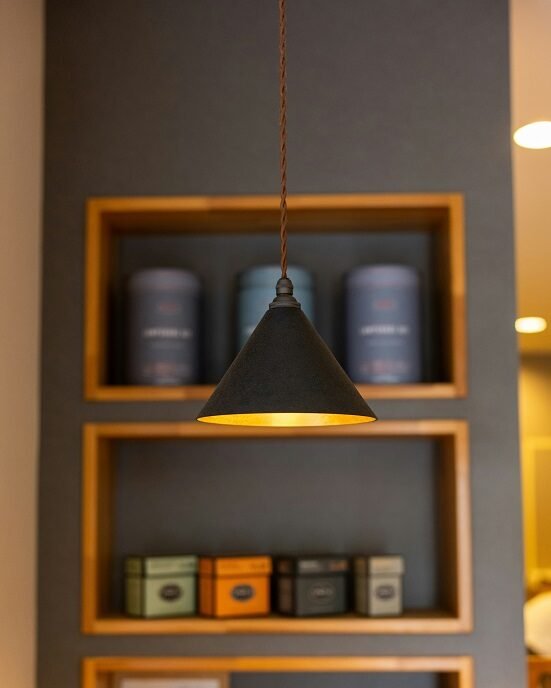
Home lighting tips is a critical element in home interior design, significantly influencing the ambiance and functionality of a space. The right lighting can transform a mundane room into an inviting environment. Natural and artificial lighting serve not only as sources of illumination but also play a vital role in setting the mood and creating the desired atmosphere. For instance, warm lighting hues in living areas can promote relaxation and comfort, whereas bright, cool lighting in workspaces can enhance concentration and productivity.
Additionally, effective lighting design highlights the architectural features of a home, emphasizing textures, colors, and structural details. By strategically placing light sources, such as wall-mounted fixtures or recessed lighting, homeowners can draw attention to artwork or architectural elements, adding depth and character to a space. This manipulation of light and shadow creates an engaging visual narrative that enhances the overall aesthetic appeal.
The psychological effects of lighting on inhabitants are substantial and should be taken into consideration during the design process. Different types of light can evoke specific emotions and influences on mood. For example, exposure to natural light has been shown to improve mood and overall well-being, while dim or harsh artificial lighting may lead to discomfort or fatigue. Understanding these effects allows homeowners to cultivate environments that promote mental health and comfort.
In conclusion, the importance of lighting in home design cannot be overstated. It serves functional purposes while also contributing to the emotional and psychological welfare of the inhabitants. By thoughtfully integrating various lighting options and recognizing their effects, homeowners can create inviting and harmonious spaces that elevate their interior design experience.
Types of Lighting: Ambient, Task, and Accent
Lighting is an essential element in interior design, providing not only illumination but also mood and functionality. Understanding the three primary types of home lighting tips ambient, task, and accent—is key to achieving a balanced and harmonious home environment.
Ambient lighting serves as the foundational source of light within a room. It provides an overall illumination, allowing one to navigate and engage in tasks without straining the eyes. Common sources of ambient lighting include ceiling fixtures, chandeliers, and wall-mounted sconces. In a living room, for example, a central ceiling fixture complemented by floor lamps can create a warm and inviting atmosphere.
Task lighting, on the other hand, is designed to facilitate specific activities, such as reading, cooking, or working. This type of lighting is usually brighter and more focused than ambient lighting. Examples include desk lamps, under-cabinet lighting in kitchens, and bedside lamps. Positioning task lighting effectively can enhance productivity and ensure that functionality is prioritized in workspaces and high-activity areas within the home.
Lastly, accent lighting is employed to highlight particular features or objects within a room, such as artwork, architectural details, or plants. This form of lighting adds depth and interest, creating visual focal points. Track lighting or wall-mounted spots can be utilized for this purpose. For instance, accent lighting can be particularly impactful in a hallway adorned with family portraits, drawing attention to the cherished memories displayed.
Effectively combining these three types of home lighting tips can lead to an environment that is both functional and aesthetically pleasing. By layering ambient, task, and accent lighting, homeowners can create spaces that are adaptable for various activities while simultaneously enhancing the overall design of the home. The strategic placement and selection of different lighting types contribute markedly to the ambiance and usability of any room.
Creative Lighting Ideas for Different Spaces
When it comes to enhancing the interior of your home, the importance of lighting cannot be overstated. Different areas of your home require distinct lighting solutions to create the desired atmosphere and functionality. Below, we explore creative lighting ideas tailored specifically for various rooms within your home.
Starting with the living room, this space often serves as the heart of the home, where family gathers and guests are entertained. Here, pendant lights can serve as striking focal points above coffee tables or seating areas, offering both illumination and style. Additionally, adjustable floor lamps can provide versatile lighting options, allowing you to change the ambiance based on the activity—be it casual conversation or reading a book.
When it comes to the kitchen, task lighting is essential. Under-cabinet LED strips or puck lights can illuminate countertops, making food preparation safer and more efficient. Complementing this with stylish wall sconces can add depth to the design, emphasizing the kitchen’s overall aesthetics while providing ambient lighting.
The bedroom is where relaxation is key, and lighting plays a crucial role in setting that peaceful mood. Utilize soft, warm bedside lamps that encourage a calming environment. Moreover, incorporating dimmer switches allows for greater control over brightness levels, enabling the room to transform from an energetic space to a tranquil oasis.
Lastly, bathrooms can benefit from layered lighting. Wall-mounted vanity lights on either side of mirrors provide essential task lighting for grooming activities. Adding recessed ceiling lights can further enhance ambiance without overwhelming the space. Integrating these elements thoughtfully can elevate the entire room.
By considering the tailored lighting ideas presented for each specific space—living rooms, kitchens, bedrooms, and bathrooms—you can significantly upgrade your home’s interior while ensuring each area meets its lighting needs effectively.
DIY Lighting Solutions to Personalize Your Space
Creating a unique ambiance in your home can be achieved effectively through DIY lighting projects. These projects not only offer personalization but also allow for creativity and cost savings. To begin, consider making a custom pendant light. Start by choosing a base, such as an old basket or a repurposed metal bowl. Cut a hole in the base to fit a light socket and attach it securely. Paint or stencil it for additional flair. By using unique materials, you can craft a one-of-a-kind fixture that enhances your interior design.
An excellent way to incorporate smart home lighting tips solutions is by using LED strips. These flexible lights can be easily installed in various locations throughout your home. For example, placing LED strips under kitchen cabinets or behind a TV can create a beautiful glow that adds depth to the room. Smart LED bulbs can be integrated to allow control via smartphone apps, enabling you to change colors and brightness levels according to your mood or schedule.
In addition to creating your own fixtures, consider enhancing existing light sources with accessories. Using decorative lampshades can drastically alter the perception of light in a space. For instance, a patterned or textured lampshade can diffuse light in a warm and inviting manner, complementing your decor. Similarly, adding decorative light covers to recessed lighting can soften illumination and introduce an artistic element to your ceiling.
Finally, don’t overlook the power of layering various lighting sources. Combining ambient, task, and accent lighting can create a harmonious and functional atmosphere. By integrating DIY lighting solutions throughout your home, you can achieve a cohesive design while also tailoring your environment to meet your personal preferences.