
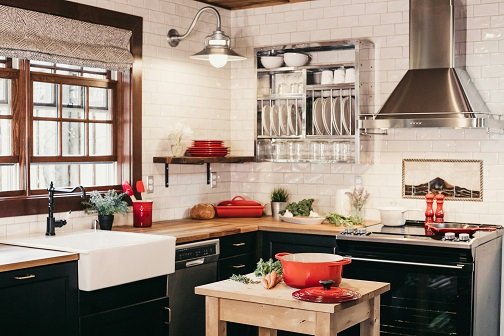
In the heart of every farmhouse kitchen design lies a strong connection to nature, achieved through the incorporation of rustic materials. One cannot underestimate the role of natural wood, stone, and iron elements in creating a warm and inviting atmosphere. These materials not only enhance the aesthetic appeal of the kitchen but also provide a tactile quality that is essential for a cozy feel.
Natural wood is a hallmark of farmhouse decor. From exposed beams and wooden cabinetry to reclaimed wood countertops, this material radiates warmth and authenticity. Choosing a distressed finish can add depth, as the imperfections tell a story and evoke a sense of history. Oak, pine, and walnut are popular choices, each bringing a unique character and richness to the space.
Stone elements, such as granite or limestone, contribute to the rustic charm while offering durability. A stone backsplash or a farmhouse sink crafted from natural stone can serve as a stunning focal point, enhancing the overall design. The organic texture of stone complements wooden features, resulting in a harmonious balance that is both functional and visually appealing.
Iron accents also play a crucial role in achieving a rustic kitchen feel. Consider incorporating wrought iron fixtures, such as cabinet hardware or light fixtures, which can add an industrial touch that pairs well with softer wooden components. Additionally, open shelving made of reclaimed wood and iron brackets can provide display space for rustic decor items, positively influencing the kitchen’s character.
Furniture pieces like a farmhouse-style dining table or a vintage-inspired sideboard can further enrich the rustic ambiance. These elements create a sense of warmth, encouraging family gatherings and communal meals. By integrating these materials thoughtfully, your farmhouse kitchen can transform into a cozy haven that invites comfort and conviviality.
Color Palettes for a Cozy Vibe
In designing a farmhouse kitchen, color selection plays a pivotal role in establishing the atmosphere of comfort and warmth. Color palettes significantly influence one’s emotions and perceptions; therefore, thoughtful choices can create a cozy vibe essential for this style. Predominantly, warm tones and soft hues are favored in farmhouse aesthetics. They facilitate a welcoming space where family and friends can gather and enjoy culinary experiences.
When selecting color combinations, whites, creams, and soft greens offer an ideal backdrop that reflects tranquility and ease. These shades are versatile and can seamlessly blend with rustic materials, enhancing the overall farmhouse charm. For instance, a creamy off-white can amplify natural light, making the space feel open and inviting. Soft sage greens complement wooden cabinetry and are reminiscent of nature, subtly connecting the indoors with the outdoors.
In addition to color selection, the choice of paint finishes requires careful consideration. Matte and eggshell finishes often lend an inviting feel, as they absorb light rather than reflect it. These finishes work harmoniously with warm colors, adding depth and texture to walls and cabinetry. It is also beneficial to incorporate earthy tones such as soft browns and muted terracotta, which evoke feelings of stability and homeliness. These hues can be utilized through accent walls, decorative accessories, or even countertops.
Ultimately, the right color palette combined with compatible finishes can transform a kitchen into a cozy farmhouse haven. By prioritizing warm tones and soft earthy colors, homeowners can create an inviting atmosphere that embodies comfort, nostalgia, and style.
Functional Yet Cozy Layouts
Creating a farmhouse kitchen that harmonizes functionality with coziness is essential for fostering a welcoming atmosphere. A well-designed kitchen should not only be practical but also evoke a sense of warmth and comfort. The layout plays a pivotal role in achieving this balance. An effective layout considers the flow of movement while incorporating spaces that invite interaction and togetherness.
Open shelving is a popular choice in farmhouse kitchen design, allowing for easy access to frequently used items while providing a display for cherished dishware or quaint decor. This stylish feature eliminates the heavy feel that closed cabinets often create, encouraging a light and airy ambiance. When designing your space, consider utilizing rustic materials such as reclaimed wood for the shelves, which adds a touch of character and warmth.
Another critical element is the farmhouse sink, which marries utility with aesthetics. This type of sink offers ample space for washing larger pots and pans, a crucial feature for both everyday cooking and entertaining. Positioning the sink near communal areas can also promote interaction among family members and guests, creating an informal gathering spot.
Moreover, communal eating areas or kitchen islands serve as ideal places for family and friends to gather. By incorporating comfortable seating around these areas, you can foster an inviting and relaxed environment. Consider using vintage stools or farmhouse-style benches for added charm.
Finally, the arrangement of appliances is vital to a functional layout. Maintain an efficient work triangle between the refrigerator, stove, and sink to streamline cooking tasks. However, don’t neglect the coziness aspect; layering with natural textiles and strategic lighting can enhance the inviting feel of your farmhouse kitchen.
Accent Pieces and Decor Tips
In creating a cozy farmhouse kitchen design, accent pieces play a pivotal role in enhancing the overall aesthetic of the space. Incorporating vintage kitchenware, for instance, can imbue your kitchen with charm and character. Items like distressed metal tins, mismatched ceramic dishes, or ornate glass jars not only serve practical functions but also act as decorative elements that contribute to a warm, inviting atmosphere. Hang old cutting boards on the walls or display a collection of vintage utensils in a jar to add personality and a sense of nostalgia to your kitchen.
Cozy textiles are another essential aspect of farmhouse kitchen design. Materials such as linen or cotton can be used to create soft, comfortable window treatments, which filter light gently and add a touch of elegance. Consider incorporating farmhouse-style dish towels featuring plaid patterns or natural colors to maintain a cohesive look. Additionally, comfort can be enhanced with the use of area rugs, which add warmth to the flooring and create a more intimate environment, particularly in open kitchen spaces.
To breathe life into your kitchen, integrating greenery is a powerful tactic. Houseplants or herb gardens placed on windowsills or countertops not only offer fresh accents of color but also contribute to a healthier environment. Choose easy-to-care-for plants, such as succulents or basil, which can thrive with minimal maintenance while adding a fragrant aroma. Finally, consider personal touches that showcase individual style, such as framed family photos, handwritten recipe cards, or artisanal pottery. These elements will not only enhance your farmhouse kitchen’s coziness but also create a unique space that truly feels like home.