
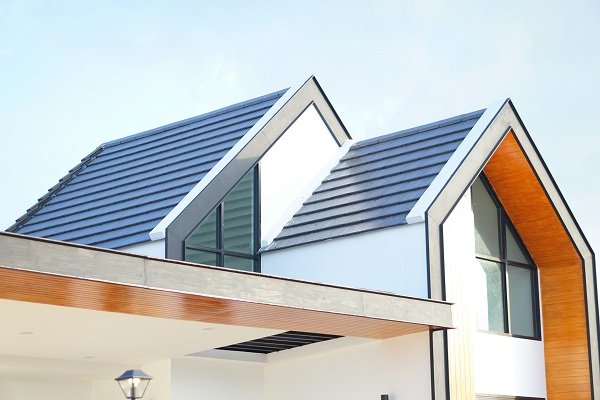
As the emphasis on ecological consciousness grows, sustainable materials are becoming increasingly vital within modern home design. Homeowners are now presented with an array of eco-friendly options that not only enhance aesthetic appeal but also contribute positively to the environment. One of the most notable materials gaining popularity is reclaimed wood, sourced from old buildings and structures. This material offers unique textures and colors, making each piece a one-of-a-kind element that adds character to a home.
Additionally, bamboo has emerged as a favored alternative due to its rapid growth rate and low environmental impact. This renewable resource can be utilized not only for flooring but also in furniture and decorative elements, ensuring a stylish yet sustainable interior. Another material that is paving the way for eco-friendly design is recycled metal. Repurposing metals reduces waste and is extremely durable, making it a practical choice for architectural elements and fixtures.
Integrating these sustainable materials into home design can significantly lower a household’s carbon footprint while promoting energy efficiency. For example, utilizing natural insulation materials, such as sheep wool or cellulose, can lead to improved thermal regulation within the home, ultimately reducing energy consumption and costs. Moreover, choosing low-VOC (Volatile Organic Compounds) paints and finishes contributes to healthier indoor air quality, which is an essential aspect of modern living.
To successfully incorporate sustainable materials into your home, prioritize local sourcing to minimize transportation emissions and support local businesses. Consider mixing different materials creatively for a balanced aesthetic, and always research the sustainability practices of manufacturers to ensure the materials are genuinely eco-friendly. By embracing sustainable choices, homeowners can create beautiful spaces that reflect their commitment to the environment.
Open Floor Plans and Multi-Purpose Spaces
In contemporary home design, open floor plans have become increasingly popular, offering a modern and versatile approach to space utilization. This design concept emphasizes the seamless flow between various living areas, eliminating physical barriers such as walls and doors. The result is a spacious atmosphere where families can engage more naturally, enhancing social interaction and togetherness. This layout is particularly advantageous for those who work from home, as it allows for a more integrated workspace within the living environment.
One of the key benefits of open floor plans lies in their inherent flexibility. Multi-purpose spaces can serve various functions and adapt to changing needs over time. For instance, a living room can easily transform into a work area during the day and revert to a cozy gathering space in the evening. This adaptability is crucial in modern homes, especially as remote work continues to rise in popularity.
To maximize the potential of these open spaces, clever design solutions are essential. Selecting furniture that is both stylish and functional can aid in maintaining the balance between aesthetics and utility. Modular furniture pieces, such as extendable dining tables or foldable desks, allow homeowners to modify their environments swiftly. Additionally, using design elements like area rugs can visually define different zones within an open floor plan, enhancing organization without sacrificing the overall spacious feel.
In conclusion, embracing open floor plans and multi-purpose spaces represents a shift towards a more connected and flexible home environment. Whether for family gatherings or managing a work-from-home routine, such designs cater to the diverse needs of modern living, making them an appealing choice for today’s homeowners.
Smart Home Technology Integration
The advent of smart home technology has significantly transformed modern home design, making it an integral component of contemporary living spaces. Homeowners are increasingly seeking systems that not only enhance convenience but also contribute to energy efficiency. The rise of interconnected devices allows users to manage their homes with greater ease, elevating the overall living experience.
Among the most popular smart home devices are smart lighting systems, which enable homeowners to control brightness and mood through mobile applications or voice commands. These systems can be programmed to follow daily routines, ensuring that lights are on only when needed, subsequently reducing energy consumption. Furthermore, automated shades and curtains can adjust based on the time of day, enhancing privacy and optimizing natural light.
Security is another critical area where smart technology excels. Smart locks, cameras, and security systems provide homeowners with peace of mind by allowing remote monitoring and control. Many of these systems can integrate with smartphones, sending alerts when unusual activity is detected, enhancing home safety without the need for bulky traditional hardware.
Climate control technologies also play a vital role in modern home design. Smart thermostats can learn family habits, adjusting temperatures for comfort while minimizing energy waste. This technological adaptability not only makes living conditions more pleasant but also lowers energy bills, aligning perfectly with eco-conscious design trends.
To incorporate these smart technologies effectively into home design, consider styles that allow for discreet placement of devices. For example, recessed lighting, hidden wiring, and minimalist interfaces can maintain the aesthetic appeal of any living space. By integrating smart home elements thoughtfully, homeowners can enjoy the benefits of automation while preserving the visual harmony of their interiors, ensuring that function does not overshadow style.
Minimalist Aesthetics with a Cozy Touch
Embracing minimalist design while ensuring warmth and comfort has become a prevalent trend in modern home aesthetics. Minimalism focuses on simplicity, clean lines, and creating open and decluttered spaces. However, it can sometimes veer into an overly sterile atmosphere, which is why incorporating cozy elements is essential. To achieve this harmonious balance, one can integrate various textures and colors that evoke a welcoming feeling.
When it comes to textures, soft fabrics like wool or cotton can contrast against the smooth surfaces typically associated with minimalist design. This can be accomplished through the use of throw pillows, blankets, or area rugs that add dimension and comfort to the space. Additionally, wooden accents or textured wall finishes can help break the rigidity often found in minimalist interiors, promoting warmth and livability.
Color palettes play a crucial role in creating a cozy minimalist aesthetic. While neutral tones such as whites, greys, and beiges form the foundation, introducing warm hues like soft yellows, muted greens, or subtle terracottas can enhance the inviting feel of the space. Accent walls painted in deeper colors can also create focal points while adding depth without compromising the minimalist theme.
Another effective way to soften minimalist is through personal touches, such as art or curated decor items that reflect the homeowner’s personality. Incorporating family photos or unique souvenirs can infuse warmth into an otherwise minimalist setting, transforming it into a personalized haven.
In summary, achieving a balance between minimalist sustainable materials and cozy elements is entirely feasible. By carefully selecting textures, colors, and personal touches, one can enjoy the simplicity of minimalist design while fostering a welcoming and comfortable atmosphere in modern home environments.