
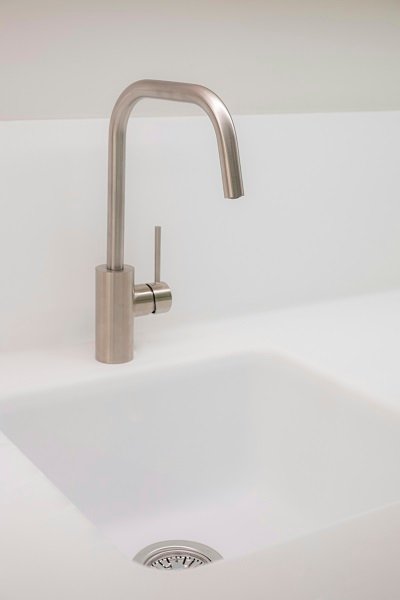
In contemporary homes, the kitchen sink styles serves as both a functional centerpiece and a design element reflecting modern lifestyles. Selecting the right kitchen sink style is essential for several reasons, primarily because it influences the overall utility and visual appeal of the kitchen. Modern interiors value not only efficiency but also aesthetics, prompting homeowners to seek sinks that seamlessly blend with their design ethos.
The kitchen sink is utilized daily for various tasks, including food preparation, dishwashing, and cleaning. Therefore, it is crucial to choose a style that enhances ergonomics and is suitable for the specific requirements of the household. For instance, deeper sinks with an open or farmhouse style can accommodate large pots and baking trays, ensuring practicality while adding a rustic charm to the kitchen. Stylish basin designs can also aid in maintaining cleanliness and organization, which are significant considerations in modern kitchen layouts.
Furthermore, the right sink complements other kitchen elements, such as cabinetry and countertops, reinforcing a cohesive design. The choice of materials, such as stainless steel or composite stone, can greatly influence not only aesthetic appeal but also durability and maintenance. Homeowners often lean towards materials that are easy to clean and resistant to scratches and stains, meeting the practical demands of modern living.
Ultimately, the ideal kitchen sink should reflect the personal style of the homeowners while also addressing practical needs, thus enhancing the efficiency and elegance of contemporary kitchens. A well-chosen sink can elevate the space, making it more functional and visually striking, aligning perfectly with current design trends and lifestyle expectations.
Popular Kitchen Sink Styles for Modern Homes
In contemporary kitchen design, the choice of sink plays a crucial role in enhancing both functionality and aesthetics. Among the most popular kitchen sink styles are farmhouse sinks, undermount sinks, drop-in sinks, and vessel sinks, each offering unique features that cater to the diverse tastes of modern homeowners.
Farmhouse sinks, also known as apron-front sinks, are characterized by their deep basins and exposed front panels. This type is especially favored for its rustic charm and ability to handle large pots and pans, making it not only stylish but practical for busy kitchens. Its generous size and design lend a warm, inviting feel to modern homes.
Undermount sinks are another widely embraced option in modern kitchens. Installed beneath the countertop, they create a seamless appearance that enhances the overall sleekness of the space. This style allows for easy cleaning of countertop debris directly into the sink, which is particularly advantageous for maintaining cleanliness in a modern culinary environment.
Drop-in sinks are distinguished by their lip that rests on the countertop, making them among the easiest to install. This style offers versatility in terms of materials and designs, ranging from stainless steel to porcelain finishes. Drop-in sinks are often more budget-friendly, appealing to homeowners looking for stylish yet cost-effective solutions.
Finally, vessel sinks have gained popularity for their artistic appeal. Elevated above the counter, these sinks make a bold statement and are available in a wide array of shapes, sizes, and materials. Vessel sinks provide a unique focal point, adding character to modern kitchen designs while offering practicality.
Selecting the right sink style is integral to achieving a cohesive modern kitchen aesthetic. Homeowners should consider both form and function to find the perfect fit for their culinary space.
Materials Used in Modern Kitchen Sinks
Modern kitchen sinks are available in a variety of materials, each offering distinct advantages and disadvantages that can significantly impact not only the sink’s appearance but also its functionality and maintenance requirements. Understanding the different materials can help homeowners make informed decisions based on their design preferences and lifestyle needs.
One of the most common materials used in contemporary kitchen sinks is stainless steel. Renowned for its durability, this material resists corrosion and staining, making it an ideal choice for high-traffic kitchens. Its sleek, polished finish complements a variety of kitchen styles, from minimalist to industrial. However, stainless steel sinks can be prone to scratching and may require regular cleaning to maintain their shine.
Porcelain sinks offer a classic look that can add elegance to any kitchen. Available in various colors and designs, porcelain is easy to clean and resists stains, making it appealing for households concerned with hygiene. Nevertheless, porcelain is susceptible to chipping and may not withstand heavy impacts as well as stainless steel or composite materials.
Composite sinks, made from a blend of materials like acrylic and stone, provide a striking aesthetic while delivering durability. They are resistant to scratches, heat, and stains, making them a practical option for busy kitchens. However, the variety of colors and styles may be limited compared to other materials.
The granite sink is another popular choice, known for its affluence and robustness. Granite sinks can withstand high temperatures and resist scratches, but they may require occasional sealing to maintain their appearance. Their aesthetic appeal is often considered superior, as they can effortlessly enhance the overall style of the kitchen.
Ultimately, the choice of material for a kitchen sink should consider factors like durability, ease of maintenance, and design compatibility to ensure it aligns with the homeowner’s functional needs and style preferences.
Trends in Kitchen Sink Design
The design of kitchen sink styles has evolved significantly in recent years, reflecting changes in consumer preferences, technology, and overall aesthetics. Homeowners today are increasingly drawn to kitchen sink designs that not only serve as functional fixtures but also enhance the overall style of their kitchens. A notable trend is the shift towards bold colors. While traditional stainless steel and white porcelain remain popular, hues such as matte black, deep green, and even pastel shades are gaining traction. These options allow for greater customization and enable homeowners to let their personality shine through in their kitchen.
In addition to color, the integration of innovative features is transforming kitchen sinks into multifunctional workspaces. Many modern sinks now come equipped with integrated accessories such as cutting boards, colanders, and drying racks. These features promote efficiency and organization, making meal preparation and clean-up more streamlined. Furthermore, smart technology is beginning to make its way into kitchen sinks. Touchless faucets that operate via sensors, as well as systems that can monitor water usage, are examples of how technology is elevating the kitchen sink experience.
Custom sink designs are also on the rise, reflecting a growing desire among homeowners for tailored solutions that meet their specific needs. A variety of materials, including copper, granite composite, and even concrete, are being utilized to craft unique and eye-catching sink designs. Predicting future trends, it is likely that sustainability will play an increasingly important role in sink design, with eco-friendly materials and water-saving technologies becoming standard. As homeowners continue to prioritize both functionality and style in their kitchens, the evolution of kitchen sink design remains dynamic and exciting.