
In contemporary kitchen design, the kitchen sink stands as a central component, influencing both the functionality and aesthetic of the space. As homes evolve into more integrated and open-plan living areas, the choice of kitchen sink takes on new significance. Sinks are no longer merely utilitarian; they are vital elements that contribute to the overall style and efficiency of the kitchen.
Modern kitchens often showcase trends that reflect minimalism, sustainability, and technological advancement. Homeowners are increasingly drawn to styles that embody these principles, ensuring that their sinks not only serve practical purposes but also align with current design trends. For instance, farmhouse sinks, with their blend of traditional charm and modern practicality, have surged in popularity. They offer ample basin space, accommodating everything from large pots to everyday dishes, and are often made from durable, eco-friendly materials.
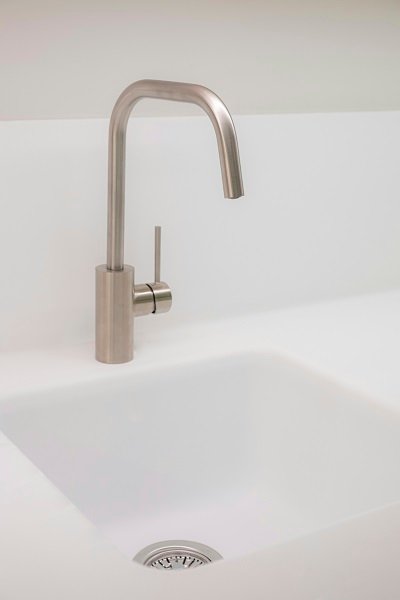
In addition to farmhouse designs, integrated sinks that seamlessly blend into countertops are gaining traction. These sinks, often crafted from the same material as the countertop, create a clean look that enhances the modern aesthetic. Such designs emphasize simplicity while maximizing available space, appealing to those who value both organization and style in their kitchens.
Furthermore, metallic finishes and innovative technologies are shaping the future of kitchen sinks. Stainless steel remains a favored choice due to its resilience and sleek appearance, but alternatives like copper or matte black are also captivating attention. Smart kitchen sink designs with built-in features, such as touchless faucets or integrated soap dispensers, are becoming increasingly popular among tech-savvy homeowners.
As we delve further into the various styles of kitchen sinks that complement modern homes, it is essential to keep in mind how these trends not only enhance aesthetics but also improve functionality and sustainability within the home.
Top Kitchen Sink Styles for Modern Homes
When it comes to selecting the best kitchen sink styles for modern homes, the options are diverse and ingenious. Each style not only serves a practical function but also adds to the overall aesthetics of your kitchen. Among the most favored styles today are farmhouse, undermount, vessel, and integrated sinks.
The farmhouse sink, often characterized by its deep basin and front-facing apron, has seen a resurgence in popularity. It is typically made from materials like porcelain, stainless steel, or fireclay, combining durability with an appealing design. Its spaciousness is perfect for handling large pots and pans, making it a functional centerpiece in any kitchen.
Next, the undermount sink continues to be a top choice for modern kitchens. Installed beneath the countertop, this style allows for a seamless transition between the sink and the surface, creating an uncluttered look. It is often crafted from granite or composite materials, which enhances the elegance of a contemporary kitchen.
Also gaining momentum is the vessel sink, which sits atop the countertop. This style is available in a myriad of shapes, colors, and materials, ranging from glass to ceramic and stone. Its unique placement presents an opportunity for personalization, allowing homeowners to express their taste while maintaining functionality.
Lastly, the sleek design of integrated sinks offers a modern solution for a cohesive look. These sinks are constructed from the same material as the countertop, providing an uninterrupted surface. Ideal for minimizing bacteria growth due to fewer seams, integrated sinks embody cleanliness and modern style.
In conclusion, selecting the right kitchen sink style is essential in creating a modern home. Each style not only provides efficient functionality but also enhances the kitchen’s visual appeal, ensuring a perfect blend of form and function.
Choosing the Right Sink Material
The selection of kitchen sink material is a pivotal decision that impacts both functionality and aesthetics in modern homes. Various materials offer distinct advantages and disadvantages tailored to different lifestyles and kitchen designs. This section explores the most popular sink materials, including stainless steel, porcelain, granite composite, and cast iron.
Stainless steel is a prevalent choice due to its resilience and versatility. This material is non-porous, ensuring it is hygienic and easy to maintain. Additionally, stainless steel sinks are generally resistant to rust and stains. However, one drawback is that they can be prone to scratching and denting, which may detract from their appearance over time.
Porcelain sinks provide a classic look, typically featuring a glossy finish that enhances aesthetic appeal. They are available in numerous colors, allowing homeowners to coordinate them with kitchen designs. While porcelain is relatively resistant to scratches, it can be susceptible to chipping, particularly on edges and corners. These sinks may also require more effort in maintenance to prevent staining from certain food items.
Granite composite, a blend of granite stone and acrylic resins, offers a highly durable and visually striking option. It is resistant to scratches, heat, and stains, making it ideal for busy kitchens. However, the initial investment is higher, and proper installation is crucial to avoid any issues later. On the other hand, cast iron sinks are heavy-duty and known for their longevity. They are often coated with enamel, which can chip or fade over time. While cast iron sinks maintain heat well, their weight may necessitate additional support during installation, which can present challenges.
When selecting the right sink material, consider factors such as maintenance, durability, and overall design compatibility with the kitchen. Assessing these aspects ensures that the chosen sink not only enhances functionality but also contributes to the aesthetic appeal of the modern kitchen.
Practical Tips for Installing Your Kitchen Sink
When it comes to installing a kitchen sink, a methodical approach can make a significant difference in both functionality and aesthetics. One of the first considerations is the existing plumbing. Ensure that your plumbing connections are compatible with your new sink style; otherwise, adjustments may be necessary. Consult with a plumber if you are unsure about aligning the drain and water lines to avoid any issues during and after installation.
Next, consider the workspace around your sink. Adequate space will facilitate easy food preparation and clean-up. It is advisable to leave ample room for utensils, chopping boards, and dish drying racks near the sink. Positioning the sink appropriately in relation to the countertop can enhance efficiency, creating a seamless workflow in the kitchen.
Your sink style should harmonize with the overall kitchen decor to create a cohesive design. For instance, a farmhouse sink may pair well with rustic cabinetry, while a sleek stainless-steel model complements contemporary designs. Choose a finish and style that not only suits your aesthetic preferences but also matches the materials and colors used throughout the kitchen.
Maintenance plays a crucial role in extending the life of your chosen sink style. For instance, if you opt for a porcelain sink, regular gentle cleaning with non-abrasive materials will help maintain its shine and functionality. Stainless steel sinks require attention to avoid water spots; a simple drying cloth can be employed post-use to keep the surface spotless. Implementing a cleaning schedule tailored to your sink material ensures longevity, while also keeping your kitchen looking pristine.
In summary, careful attention to plumbing compatibility, workspace management, aesthetic consistency, and proper maintenance will contribute to a successful sink installation, enhancing both the functionality and beauty of your modern kitchen.