
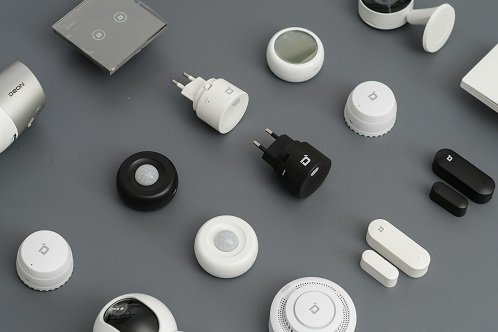
Smart lighting systems represent an innovative leap in home technology, revolutionizing the way we illuminate our living spaces. As people increasingly seek convenience and energy efficiency, these systems have become a staple in modern homes. They are designed to enhance both the functionality and aesthetic appeal of residential environments.
One of the primary advantages of smart lighting is its ability to optimize energy usage. By utilizing LED bulbs and smart controls, homeowners can significantly reduce their energy consumption. These systems enable users to schedule lights to turn on or off automatically, ensuring they are only used when necessary. This feature not only contributes to lower electricity bills but also aligns with sustainable living practices by minimizing waste.
Convenience is another significant benefit that smart lighting systems offer. Through mobile applications or voice-activated assistants, users can control their lighting remotely, allowing for adjustments to be made from anywhere within the home or even while away. This level of control enhances user experience, making it easier to create the desired ambiance for various activities, such as entertaining guests or unwinding after a long day.
Furthermore, smart lighting can significantly enhance the ambiance of any space. With the ability to choose from millions of colors and adjust brightness levels, homeowners can customize their environments to match their preferences or moods. This flexibility fosters a more pleasant and personalized living experience.
In summary, as technology continues to advance, integrating smart lighting systems into residential spaces has become increasingly important, promising benefits that extend beyond mere illumination. Energy efficiency, convenience, and enhanced ambiance are just a few reasons why these systems are gaining popularity in the contemporary home design landscape.
Key Features to Look for in Smart Lighting
When considering the adoption of smart lighting systems in modern homes, several key features should be evaluated to enhance both functionality and user experience. One of the primary considerations is compatibility with existing smart home systems. Most smart lighting solutions integrate seamlessly with popular platforms such as Amazon Alexa, Google Assistant, and Apple HomeKit. This compatibility ensures that users can control their lighting using voice commands, mobile apps, or through automation with other smart devices.
Control options are essential to maximizing the potential of smart lighting systems. Users should look for options that allow for various interaction methods, such as mobile app control, voice activation, and automatic scheduling. This flexibility caters to individual preferences and lifestyles, ensuring that lighting can be adjusted easily based on time of day or specific activities.
Brightness and color adjustments also play a crucial role in the overall utility of smart lighting. Many advanced systems offer the capability to not only dim or brighten lights but also to shift between millions of colors. This feature allows for custom ambiance settings for different occasions, enhancing the overall atmosphere of a room and contributing to a more personalized living experience.
Another important consideration is energy efficiency. Modern smart lighting options, especially those utilizing LED technology, provide significant energy savings compared to traditional incandescent bulbs. Energy efficiency ratings can help users assess the potential environmental impact and savings associated with their smart lighting choices.
Finally, security features are an often-overlooked aspect of smart lighting systems. Options such as programmable timers and motion sensor integrations can be instrumental in enhancing home security by making it appear as though the home is occupied, even when residents are away. By prioritizing these features, homeowners can select smart lighting systems that truly enrich their living spaces.
Popular Smart Lighting Systems on the Market
In the realm of smart lighting systems, several brands have distinguished themselves by offering advanced technology and user-friendly interfaces. Among these, Philips Hue stands out as a leading provider, renowned for its extensive range of smart bulbs and fixtures. Philips Hue offers customizable white and colored lighting, all controllable via a mobile app. Users appreciate its compatibility with various smart home platforms such as Amazon Alexa and Google Assistant, making it a versatile choice for modern homes.
Another notable contender is LIFX, which is particularly lauded for its vibrant colors and superior brightness. Uniquely, LIFX bulbs do not require a hub to operate, allowing for a straightforward setup process. The LIFX app enables users to create schedules and scenes, enhancing the ambiance of any room effortlessly. Its range of smart bulbs also includes options that can be dimmed and customized to suit individual preferences, making it a popular option among smart lighting enthusiasts.
Wyze is another brand gaining considerable traction in the smart lighting market, particularly due to its affordable pricing without sacrificing functionality. Wyze Bulbs offer adjustable white temperatures and colors, plus smart features such as scheduling and remote control through the Wyze app. Users often laud its cost-effectiveness while still providing an effective smart lighting experience, which appeals especially to budget-conscious consumers looking to automate their home lighting.
Overall, these brands—Philips Hue, LIFX, and Wyze—bridge functionality with aesthetic appeal, making them leading choices in the best smart lighting systems available today. By integrating smart lighting into their homes, users can achieve not only enhanced convenience but also create dynamic environments tailored to their specific needs.
How to Choose the Right Smart Lighting System for Your Home
Selecting the ideal smart lighting system for your home involves a thorough evaluation of various factors tailored to your specific needs and preferences. One fundamental consideration is the size and layout of each room where the smart lighting will be installed. Larger spaces may necessitate more powerful lighting solutions or additional fixtures to ensure even illumination, while smaller spaces might benefit from more compact options.
Next, it is essential to define your lighting goals. Are you aiming for increased energy efficiency, enhanced aesthetics, or improved functionality? For instance, homeowners focused on minimizing energy consumption may opt for systems that include dimming features and smart schedules, allowing for more controlled and efficient use of electricity. Conversely, those prioritizing mood enhancement might consider color-changing bulbs coupled with various brightness settings to create the desired atmosphere in any given space.
Your budget also plays a pivotal role in the decision-making process. Smart lighting systems can vary widely in price, so it is crucial to determine how much you are willing to invest. While some basic systems may offer significant functionality at a lower price point, investing in higher-end models may provide additional features such as advanced app control, integration with other smart home devices, or superior energy efficiency.
Lastly, evaluate compatibility with your existing smart home ecosystem. Many smart lighting solutions are designed to work seamlessly with established platforms such as Google Assistant, Amazon Alexa, or Apple HomeKit. Ensuring that the new system harmonizes with your current setup can significantly enhance user experience and overall satisfaction.
Installation and Setup of Smart Lighting Systems
Installing a smart lighting system can significantly enhance the convenience and ambiance of modern homes. Below is a detailed step-by-step guide on how to effectively set up both wired and wireless smart lighting systems.
First, evaluate the layout of your home and decide where you want to position your smart bulbs or lighting fixtures. For wired systems, ensure you turn off the power at the circuit breaker for safety. Next, remove the existing light fixtures and follow the manufacturer’s instructions to install the smart lighting components securely. Often, you may need to connect specific wires, such as line, neutral, and ground wires, based on standard electrical guidelines. Once installed, restore power and confirm that all fixtures are functioning correctly.
For wireless setups, the installation process varies slightly. Begin by downloading the dedicated app specified by the smart lighting manufacturer from your device’s app store. After installation, create an account or log in, allowing the app to access your device settings. From there, guide the app through the steps to connect your smart lighting system to your home Wi-Fi network. Typically, this involves selecting your Wi-Fi network and entering the password.
Once connected, you can pair the smart lights with other smart home devices for streamlined control. For example, if you have a smart speaker, you may be able to enable voice control over your lighting system. Follow the app instructions to complete this process, often requiring you to enable suitable permissions for the devices to communicate. Finally, test the configuration by adjusting brightness, colors, and various settings within the app to ensure all functionalities are working seamlessly.
By following these steps, you will successfully install and set up a smart lighting system tailored to your needs, enhancing your home’s efficiency and comfort.
Creating the Perfect Lighting Atmosphere
The integration of smart lighting systems into modern homes provides an exceptional opportunity to design various atmospheres tailored to different activities and preferences. The versatility of smart lighting allows homeowners to easily create the desired mood through adjustments in colors, brightness levels, and scheduling.
One of the primary benefits of smart lighting is the ability to select from a wide spectrum of colors. For instance, cool tones such as blues and greens can foster a calming environment, making them ideal for relaxation or meditation spaces. In contrast, warmer hues such as oranges and reds are effective for social settings, as they promote warmth and intimacy during entertaining occasions.
Brightness levels also play a crucial role in determining the atmosphere. Dimming lights can create a cozy, inviting ambiance, particularly during the evening hours, while brighter settings are suitable for productivity during the day. Smart lighting systems often come equipped with features allowing users to program different brightness levels for specific times of the day, ensuring that each area of the home caters to its intended use.
Implementing lighting schedules enhances the overall functionality of a smart lighting system. For instance, homeowners can set their lights to gradually brighten in the morning, simulating a natural sunrise, or schedule softer lighting to activate in the evening to signal winding down for sleep. Furthermore, synchronizing lighting with daily activities—such as brighter lights during work hours and soft hues during dinners—allows for a more organized and enjoyable living experience.
By effectively utilizing colors, brightness, and schedules, individuals can achieve an adaptable and welcoming atmosphere that supports various moods, ultimately enhancing the quality of life within the home.
Maintenance and Troubleshooting of Smart Lighting Systems
Smart lighting systems require periodic maintenance to ensure they function smoothly and effectively. Regular checks can help prevent issues that may arise during usage. One of the primary tasks in maintaining your smart lighting system is to ensure that all devices are up to date. Most smart lighting manufacturers release firmware updates to improve performance and security. To update the firmware, access the manufacturer’s app on your smartphone or tablet, where you can check for available updates. Following the on-screen prompts typically makes this process simple.
If you encounter persistent issues with your smart lights, consider resetting the devices. This may be necessary when lights become unresponsive or fail to connect to the network. To reset, follow the manufacturer’s instructions, such as pressing a specific button sequence on the device or using the app. This process often restores factory settings, allowing for a fresh start.
Connection issues can disrupt your smart lighting experience. If your lights are not responding as expected, first verify that your Wi-Fi network is active and that the hub or bridge is operational. If needed, restarting your router can resolve connectivity problems. Another potential solution is to check the range of your smart lights; they might be too far from the hub, leading to signal loss. Consider relocating the hub or using Wi-Fi extenders to enhance coverage.
Lastly, ensuring optimal performance of your smart lighting system involves regular maintenance practices. Clean the fixtures, check for any physical obstructions, and monitor the performance of connected devices regularly. By following these tips and taking proactive measures, you can enhance the longevity and efficiency of your smart lighting system, making your modern home truly smart.
The Future of Smart Lighting Technology
As technology evolves, the future of smart lighting systems is becoming increasingly promising. One of the most significant advancements is the integration of artificial intelligence (AI) into these systems. AI-driven smart lighting can learn user habits and preferences, adjusting the brightness and color temperature according to these patterns. For instance, an AI-enabled lighting system can dim lights during movie time or enhance brightness for reading, offering users a personalized experience that adapts to their daily activities.
In addition to AI, new sensor technologies are revolutionizing smart lighting. These sensors can detect occupancy, motion, and even ambient light conditions. Such capabilities enable systems to respond dynamically, turning lights on or off based on the presence of people in a room, which not only enhances convenience but also contributes to energy savings. As sensor technology advances, we can expect even more sophisticated systems that can analyze environmental conditions to optimize lighting intelligently, thereby reducing unnecessary energy consumption.
Moreover, developments in energy conservation and sustainability are becoming increasingly integral to smart lighting systems. Manufacturers are focusing on energy-efficient LED technologies that use significantly less power than traditional lighting. Additionally, smart lighting solutions can be integrated with renewable energy sources, such as solar panels, allowing homeowners to maximize their sustainability efforts. These systems will not only minimize energy consumption but will also afford users deeper insights into their energy usage patterns via smart home applications.
As we move forward, the convergence of AI, advanced sensor technologies, and a commitment to sustainability will shape the future of smart lighting, making homes more intelligent, efficient, and eco-friendly than ever before.
Conclusion: The Impact of Smart Lighting on Modern Living
Smart lighting systems have revolutionized the way we illuminate our homes, merging functionality with convenience and aesthetic appeal. These systems empower users with the ability to control their lighting through voice commands, mobile applications, or automated schedules, thereby enhancing the overall living experience. The practical benefits of smart lighting are numerous. Homeowners can customize lighting settings to fit various activities, such as reading, entertaining, or working, ensuring that the lighting complements the ambiance and promotes productivity. Furthermore, these systems often incorporate features that allow for dimming and color-changing options, elevating the decorative elements of a home and reflecting personal style.
In addition to their versatility and adaptability, smart lighting systems contribute significantly to energy efficiency. By enabling precise control over lighting, including the ability to turn lights off remotely and set schedules based on occupancy, these systems help reduce unnecessary energy consumption. Many modern smart bulbs are designed to consume less wattage while providing the same brightness as traditional incandescent bulbs, resulting in lower utility bills and a smaller carbon footprint.
Moreover, the integration of smart lighting into home automation systems adds another layer of convenience. When synchronized with other smart devices, such as thermostats and security cameras, smart lighting can enhance home security and comfort. For instance, lights can be programmed to simulate occupancy when homeowners are away, thus deterring potential intruders.
In conclusion, the impact of smart lighting on modern living extends beyond mere illumination. By providing practical, aesthetic, and energy-saving advantages, smart lighting systems represent a thoughtful investment for homeowners seeking to enhance their lifestyle and create an efficient and welcoming environment.